
3 Easy Tips to Color Coding Your Notes
With proper color-coding, you can make studying more effective and efficient. Not only can colors help organize information, and draw your attention to important points, colors also appeal to the visual learner and can make studying more fun...or at least more bearable.
Follow along to find out how you can turn your notes from:
THIS to THIS
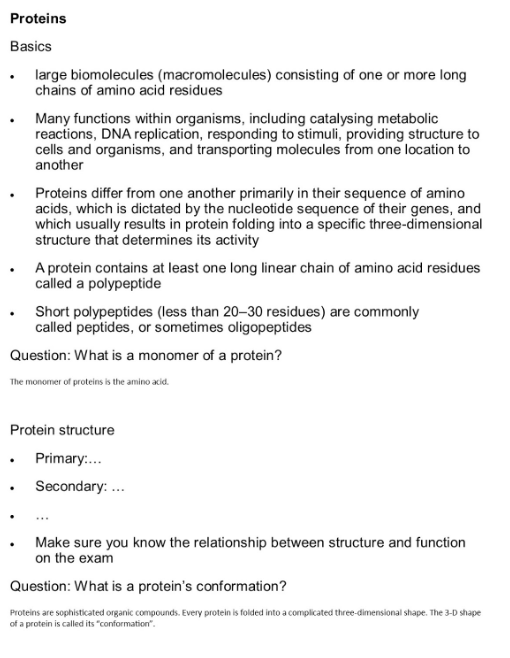

3 Tips for Color Coding
1. Be consistent - when you first start your coloring coding journey, keep a legend on a sticky note or front cover of your notebook to remind yourself of what all the colors and highlights actually mean.
For example:
Red for important notes that must be memorized
Orange for definitions
Green for examples/ exam practice questions
Blue for titles and headings
Highlight for key concepts/relationships
2. Don’t overdo it - one of the most common and deadly studying mistakes from first years is to highlight and color code everything on the page. Not only does that not help you focus and organize the information, it’s a waste of time and ink! Color-code with purpose and stick to your system.
3. Color-code after the initial note-taking - you don’t want to interrupt the flow of note taking and miss out on important information your prof says. By color-coding after class, it forces you to review your notes and really think about the information rather than just blindly copying
Now try it out and you'll be on your way to color-coding mastery ;)
If you also need help with the following subjects, please check out these links and resources to get you on the right path to success:
Our Wizeprep Study Pass is a subscription with notes, video lessons, practice problems, and other study resources guaranteed to help you boost your grades.
Watch this video if you take notes with Google Docs:

Study with Us
The help you need to get the grades you want.
Previous Blog
LSAT Prep Timeline: When to Start and What to Study
Next Blog
How to Study When You Don’t Want to
Other posts you might like:
Studying
What to Do if You’re Failing a Class in College
No one wants to fail a class at college or university, but what happens if you are failing a class i... Read More
L
Lindy Ledohowski