Wize AP Biology Textbook > Cell Communication
Types of Cell Communication
Popular Courses
Find My Course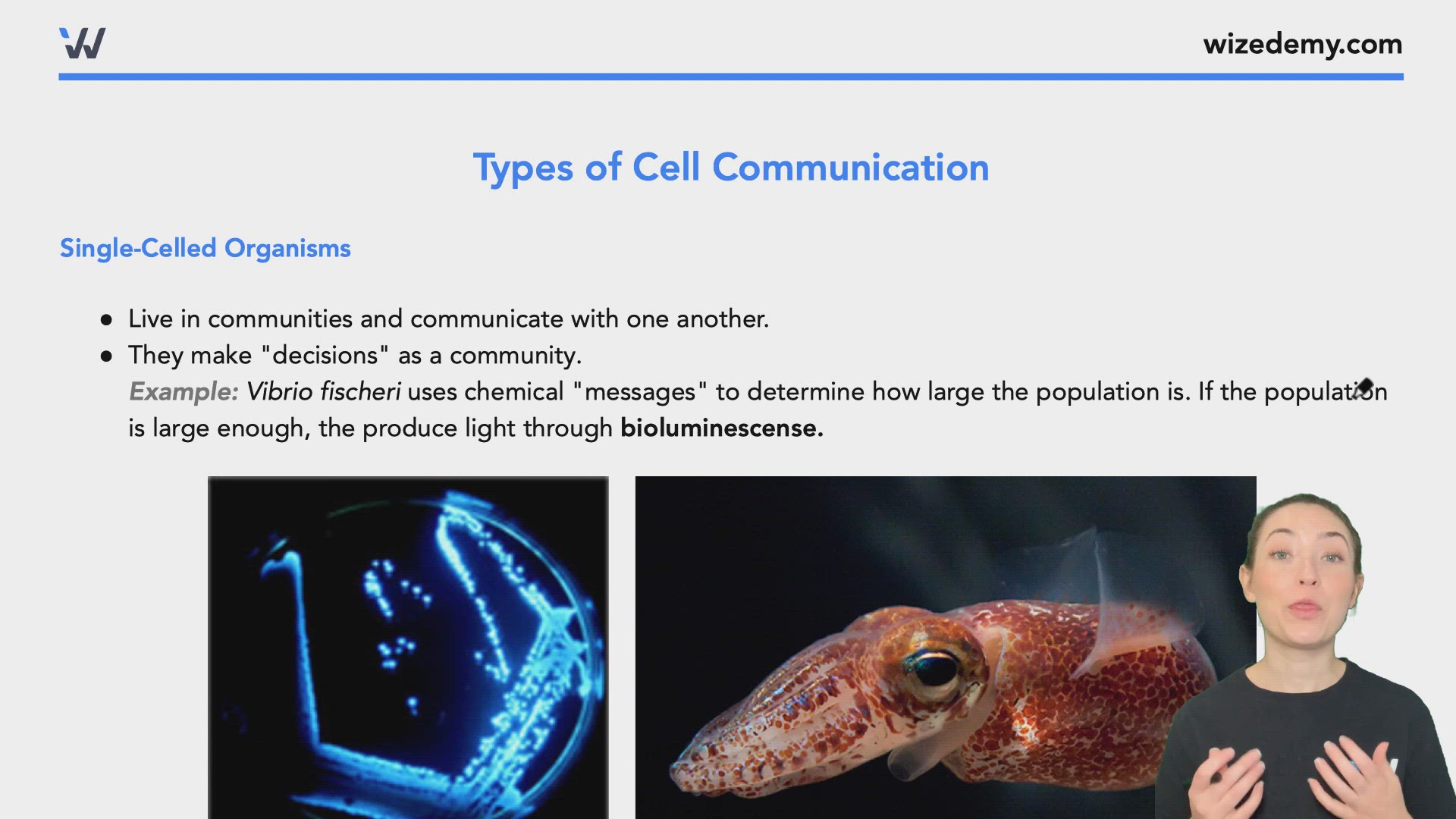
0:00 / 0:00
Types of Cell Communication
Single-Celled Organisms
- Live in communities and communicate with one another.
- They make "decisions" as a community. Example: Vibrio fischeri uses chemical "messages" to determine how large the population is. If the population is large enough, the produce light through bioluminescense.

Single celled organisms communicate to regulate:
- Pathogenicity
- Bioluminescence
- Antibiotic production
- Biofilm formation
Multi-Cellular Organisms
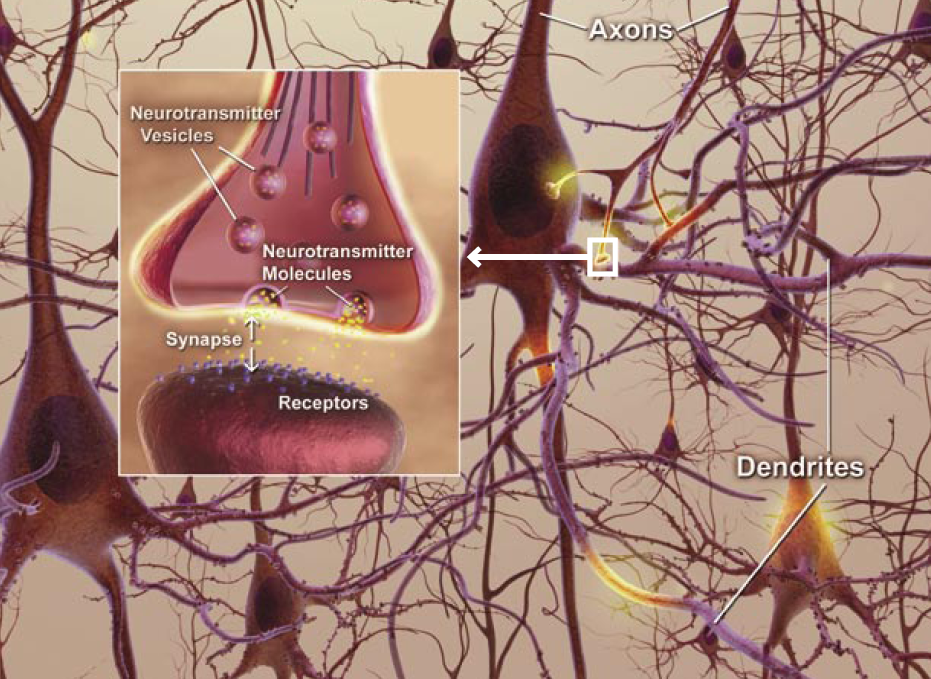
The cells within the different systems and organs of multi-cellular organisms need to communicate with each other to keep the organism functioning properly. Communication may occur over short or long distances, between different cell types, and different organ systems.
Types of Cell Communication
Communication that occurs over short distances includes:
- Direct intercellular signaling: signaling occurs between cells that are in direct contact with each other. A chemical message is transported directly between the two cells through a cell junction (gap).

- Contact-dependent signaling: signaling occurs between cells that are in direct contact with each other. The message is sent via interaction between proteins on the cell surface rather than chemical messengers being sent from one cell to another.

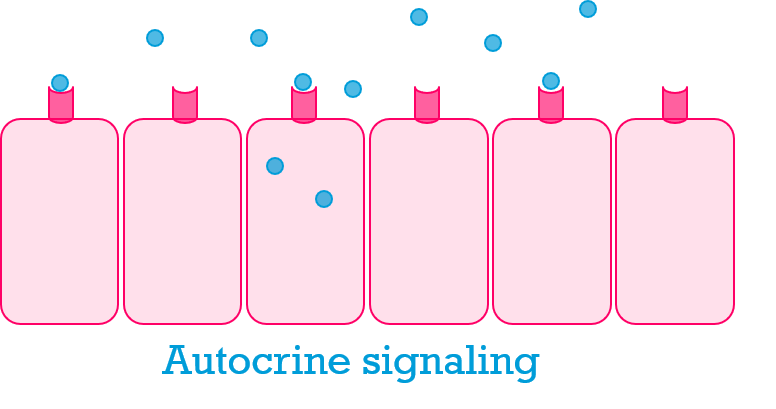
- Autocrine signaling: signaling occurs between cells that are in close proximity. Chemical messengers are excreted by cells and bind to receptors on themselves and neighboring cells.
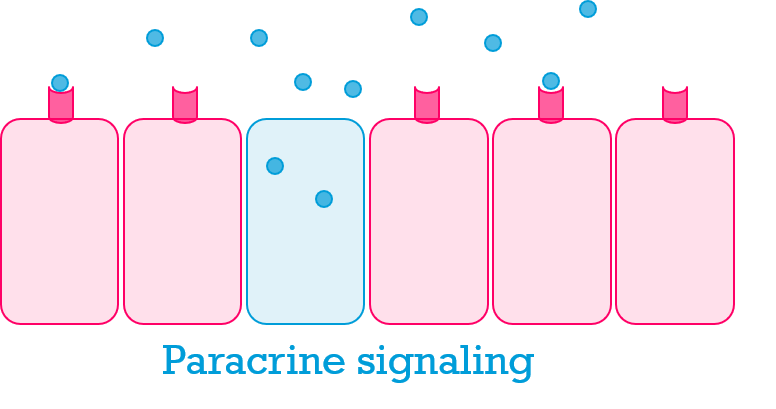
- Paracrine signaling: signaling occurs between cells that are in close proximity. Chemical messengers are excreted by cells and bind to receptors on neighboring cells only (not the cell that produced the signal).
Cell communication can also occur over long distances:
- Endocrine signaling: chemical messengers are excreted and travel through the bloodstream to cells located in another part of the body
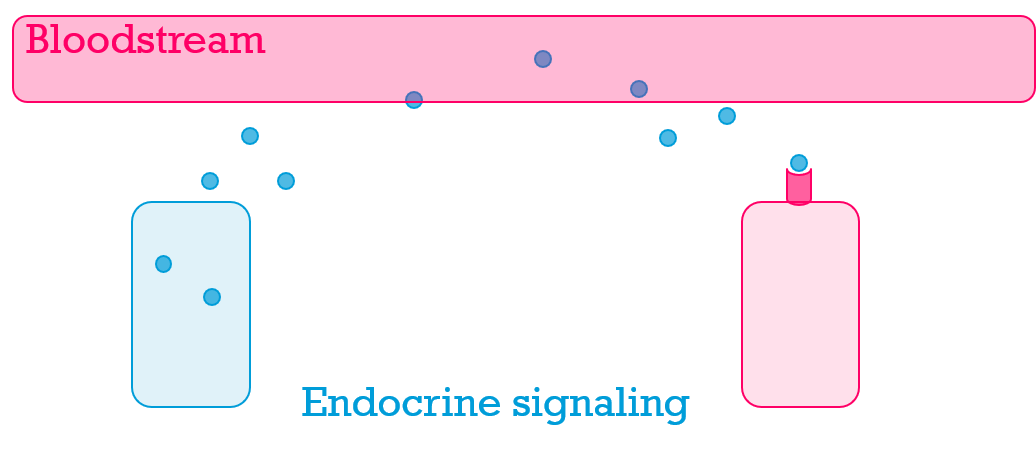
Wize Concept
All of the above types of cell signaling involve cell surface receptors except direct intracellular signaling.
Steps Involved in Cell Communication
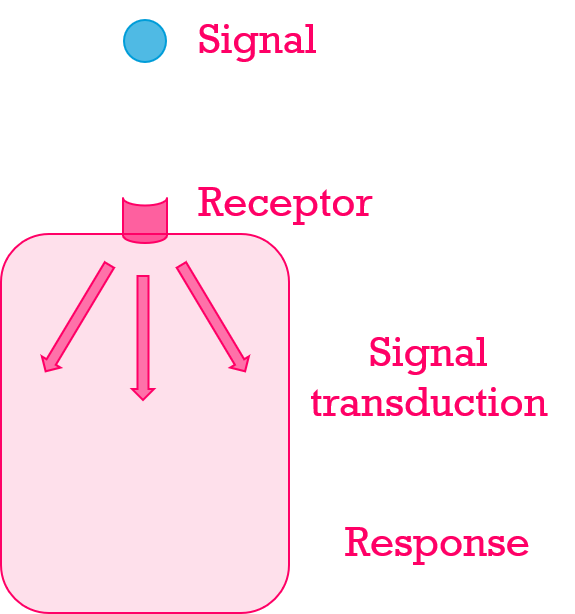
When cells communicate, several things need to happen:
- A signal is produced (also known as a ligand)
- The signal is detected by the target cell (e.g. by a receptor)
- Signal transduction in the target cell
- The target cell generates a response
Wize Tip
A ligand is a molecule that binds to something else.
- They often bind a receptor.
- They may deliver a signal in the process.
- They often bind to specific receptors.
During development, important cell communication pathways are activated between neighboring cells. One such system involves cells that are located next to one another; one cell expresses a ligand on its surface, called Delta, which binds to a cell surface receptor, called Notch, on the cell next to it. What type of cell signaling is this?
Diabetes is a disease that affects a large population worldwide. In both types of diabetes there are issues with the hormone insulin. Insulin is produced by cells of the pancreas and is used to allow glucose to get into muscle and fat cells. What type of cell communication is mediated by insulin?
As you are reading this question, muscles around your eyes are coordinating its movement across the screen. In order for your muscles to contract, nerve cell endings that are in close proximity to the muscle must stimulate it by releasing chemical messengers that diffuse to bind receptors on muscle cells. This is an example of: