Wize University Biology Textbook > Ecology
Life Histories
Popular Courses
AP Biology Exam Prep Course
AP Exam Prep
Biology
General Course
General Biology
University Study Guides
BIOL 211
University of Calgary
Grade 12 Biology
Canada High School
DAT
General Course
High School Biology
US High School
BIOL 103
Queen's University
BIO 1131
University of Ottawa
BIOL 121
University of British Columbia
BIOLOGY 1M03
McMaster University
BIO120H1
University of Toronto
General Biology
University Study Guides
BIOL*1070
University of Guelph
SC/BIOL 1001 3.00
York University
BIOL 1201
Western University
BIOL 1011
Dalhousie University
BIOL 1P91
Brock University
BLG 144
Toronto Metropolitan University
BIOL 1020
University of Manitoba
0:00 / 0:00
Life Histories
Wize Concept
Recall that natural selection occurs because organisms that are better adapted to their environment tend to survive and produce more offspring.
Life History Characteristics
- Age and size when sexually mature
- Growth rate
- Fecundity (potential number of offspring)
- Size of offspring
- Parental investment (passive versus active)
- Reproductive lifespan and aging
- Natural selection tweaks these life history traits to maximize lifetime reproductive success.
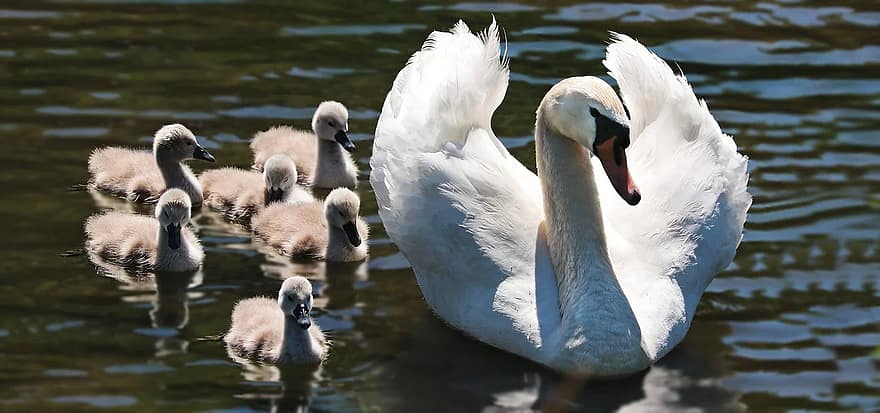
Life history trade-offs
- You can't be the best at everything
- Must allocate resources according to environment
Examples of life history trade-offs
- Increase offspring, less energy for growth
- More time spent reproducing, less time for growth
- More time spent reproducing, overall decrease in lifespan
- More reproduction, less survival of parent
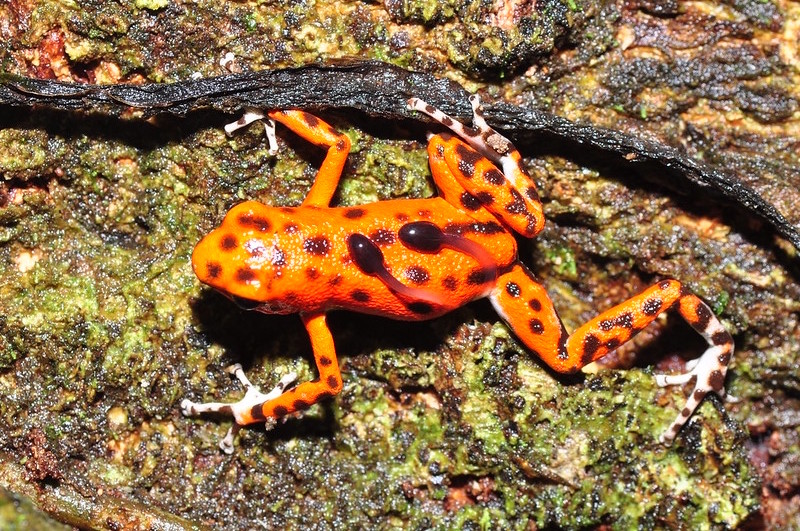
No one ideal life history
Advantages of size at sexual maturity
- Large size = lower relative metabolic requirements, higher fecundity, lower mortality
- Small size = lower absolute metabolic requirements, shorter generation time and survival to maturity
Parental investment advantages
- High parental investment = higher offspring survival
- Low parental investment = reproduce more often
Wize Concept
Each species will adopt a life history with trade-offs that maximize their fitness
- Population: a localized group of individuals of the same species.
- Population growth depends on how often individuals reproduce
- Semelparous: will reproduce only once in their life (some die following reproduction)
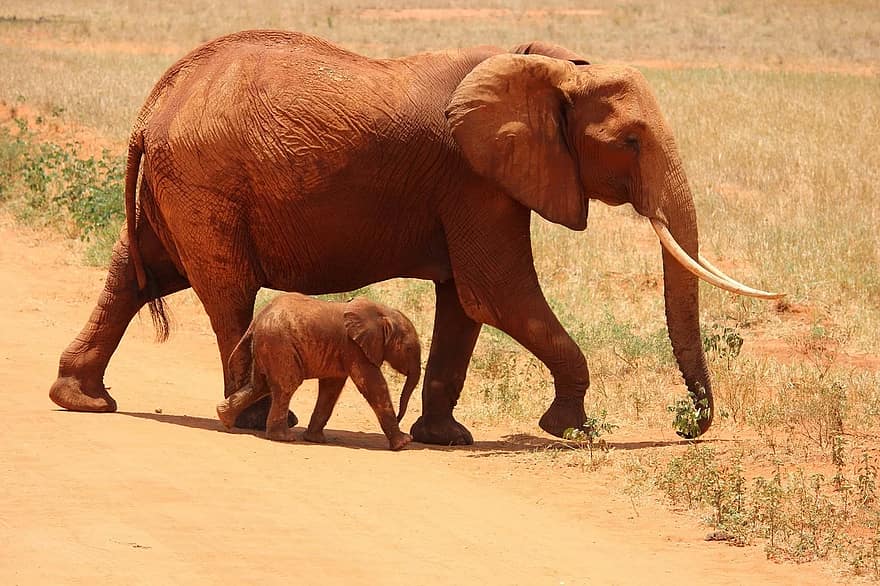
- r-strategist Example: Salmon that swim from the ocean to spawn in freshwater rivers. All individuals die directly after breeding.
- Iteroparous: organisms reproduce many times over their life
- K-strategist
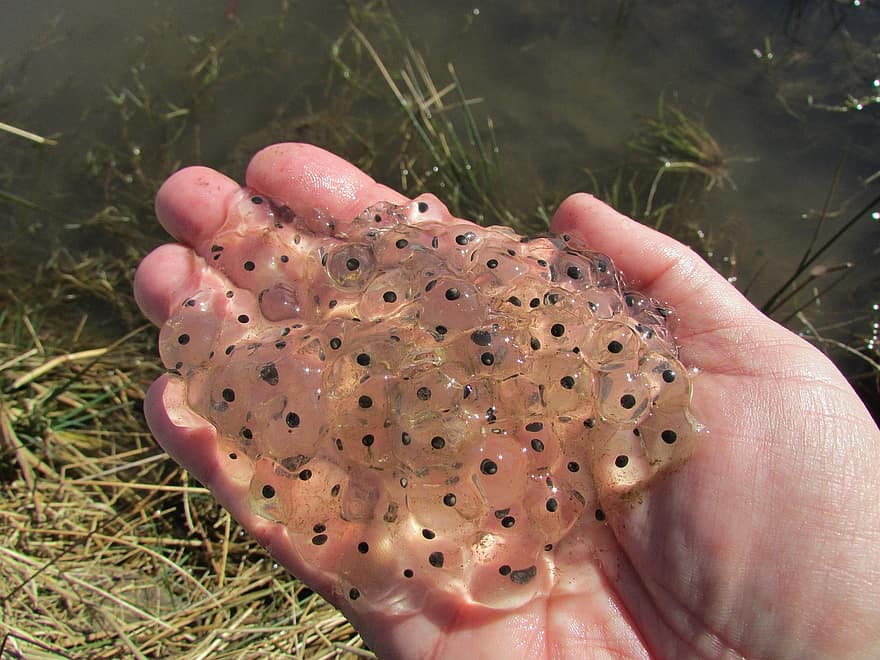
r selected organisms:
- mature and reproduce early
- short lifespan
- large number of offspring all at once, or over a few times
- high mortality rate, low offspring survival rate
- minimal parental care/investment
K selected organisms:
- mature and reproduce late
- long life span
- small number of offspring at a time, but multiple reproductive events
- low mortality rate, high offspring survival rate
- high parental investment

Mark Yourself Question
- Grab a piece of paper and try this problem yourself.
- When you're done, check the "I have answered this question" box below.
- View the solution and report whether you got it right or wrong.
It was found that guppies (live-bearing fish), when raised in predator free waters, produce larger sized offspring that mature slowly. This is in comparison to guppies raised in the presence of predators where the progeny are smaller, mature quicker and reproduce earlier. What phenomenon is occurring?
0:00 / 0:00
Life Tables
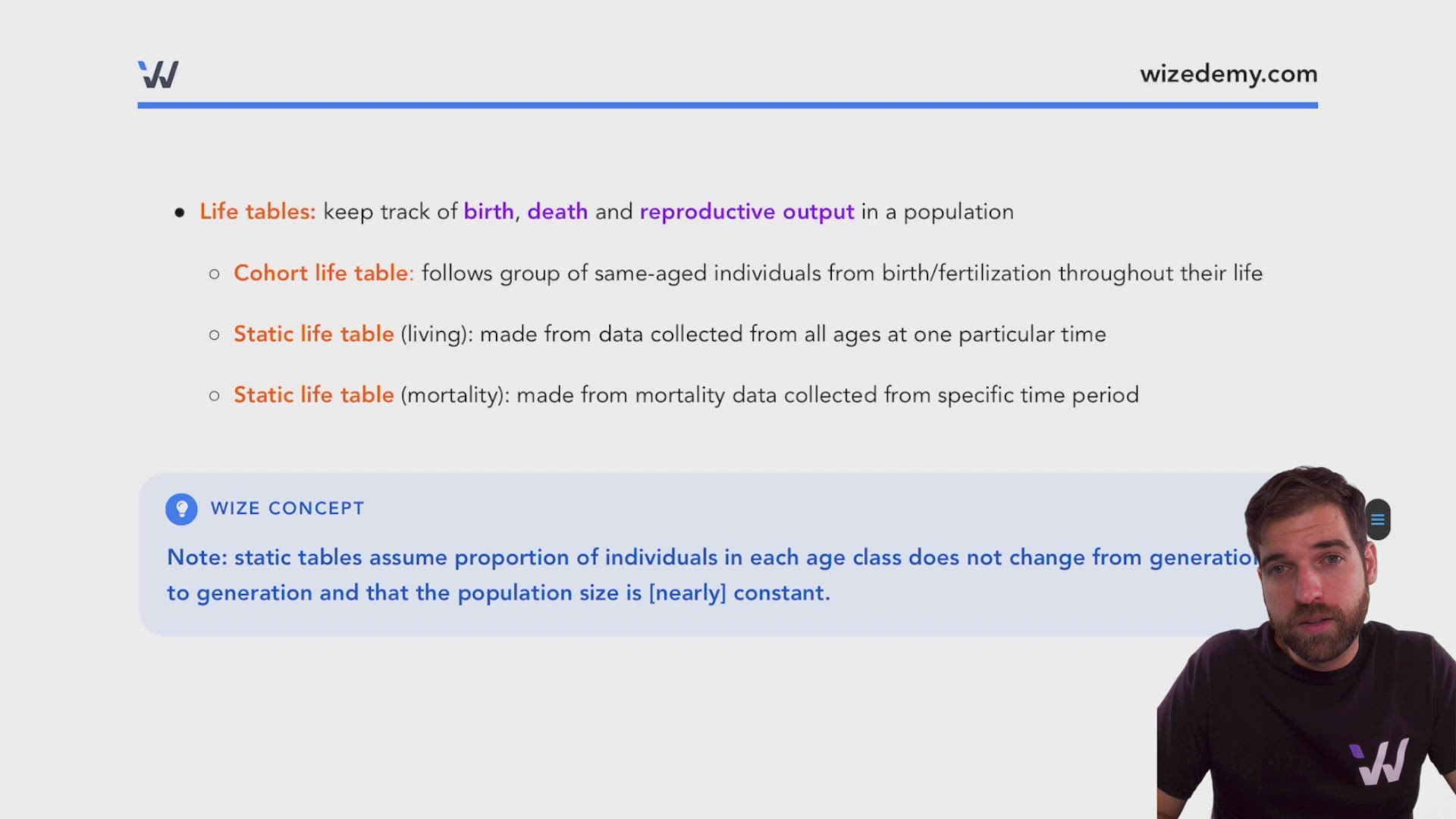
- Life tables: keep track of birth, death and reproductive output in a population
- Cohort life table: follows group of same-aged individuals from birth/fertilization throughout their life
- Static life table (living): made from data collected from all ages at one particular time
- Static life table (mortality): made from mortality data collected from specific time period
Wize Concept
Note: static tables assume proportion of individuals in each age class does not change from generation to generation and that the population size is [nearly] constant.
Life Table
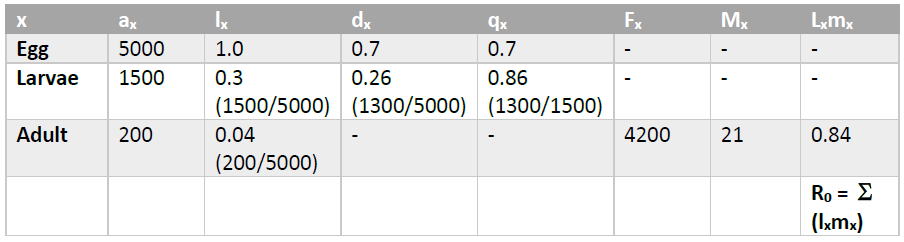
- x: life stage
- ax: number living at each stage
- lx: proportion of original cohort surviving to each stage
- dx: proportion of original cohort dying during each stage
- qx: mortality rate
- Fx: eggs produced at each stage
- mx: eggs produced per surviving individual at each stage
- lxmx: eggs produced per original individual in each stage
- Net reproductive rate (R0) – average number of offspring left by each female (R0=Σ(lxmx)). Anything >1 means population is increasing and <1 means it is decreasing.
- Generation time (T) – average time from being a baby to having a baby (T= Σ(axlxmx)/R0).
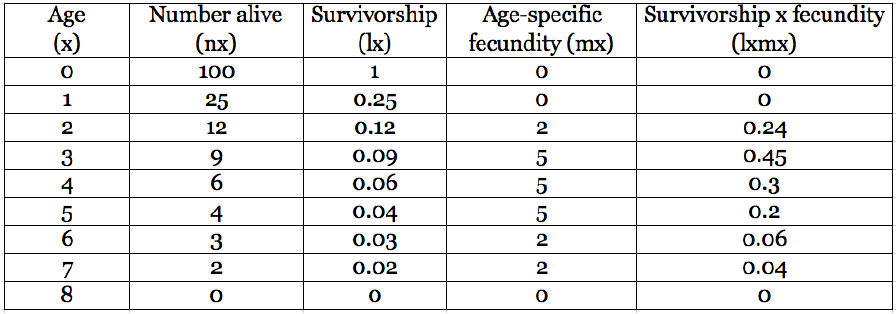
Simplified life table
Mark Yourself Question
- Grab a piece of paper and try this problem yourself.
- When you're done, check the "I have answered this question" box below.
- View the solution and report whether you got it right or wrong.
Complete the following life table for a population of fruit flies:

Is this population growing? Explain.