Wize University Biology Textbook > Chemistry of Life
Intermolecular Forces: Hydrogen Bond
Popular Courses
MCAT
General Course
AP Biology Exam Prep Course
AP Exam Prep
Biology
General Course
General Biology
University Study Guides
BIOL 102
Queen's University
BIOL 112
University of British Columbia
Grade 12 Biology
Canada High School
DAT
General Course
High School Biology
US High School
General Biology
University Study Guides
BIOL 130
University of Waterloo
BLG 143
Toronto Metropolitan University
BIOL 112
McGill University
BIOL 186
University of Victoria
BIOL 1201
Western University
BISC 101
Simon Fraser University
BIOL 1P91
Brock University
BIOLOGY 2601A/B
Western University
BS 161
Michigan State University
BIOL 1020
University of Manitoba
0:00 / 0:00
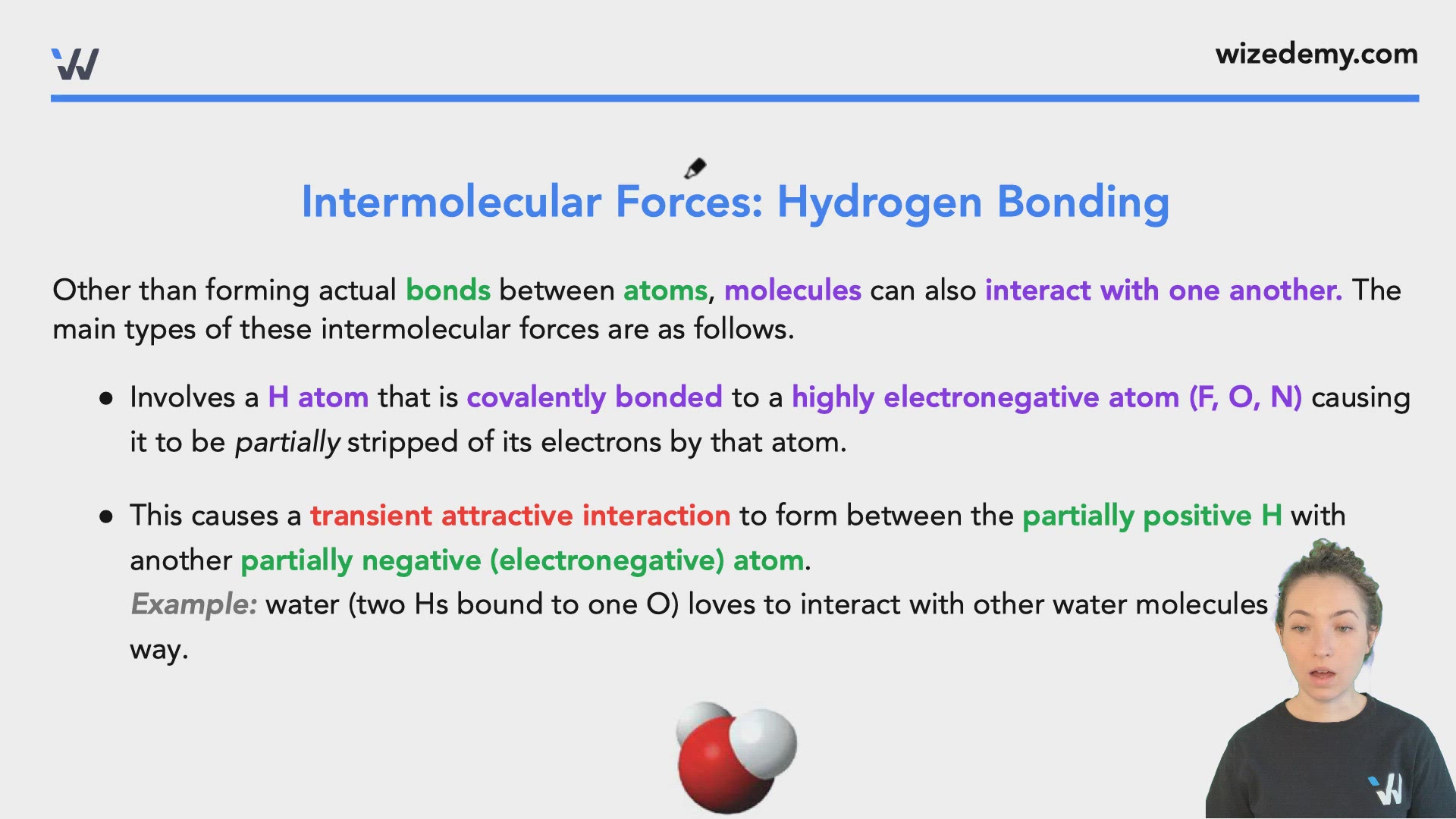
Intermolecular Forces: Hydrogen Bonding
Other than forming actual bonds between atoms, molecules can also interact with one another. The main types of these intermolecular forces are as follows.
- Involves a H atom that is covalently bonded to a highly electronegative atom (F, O, N) causing it to be partially stripped of its electrons by that atom.
- This causes a transient attractive interaction to form between the partially positive H with another partially negative (electronegative) atom. Example: water (two Hs bound to one O) loves to interact with other water molecules in that way.

*Breaking bonds requires energy, forming bonds creates energy.
0:00 / 0:00

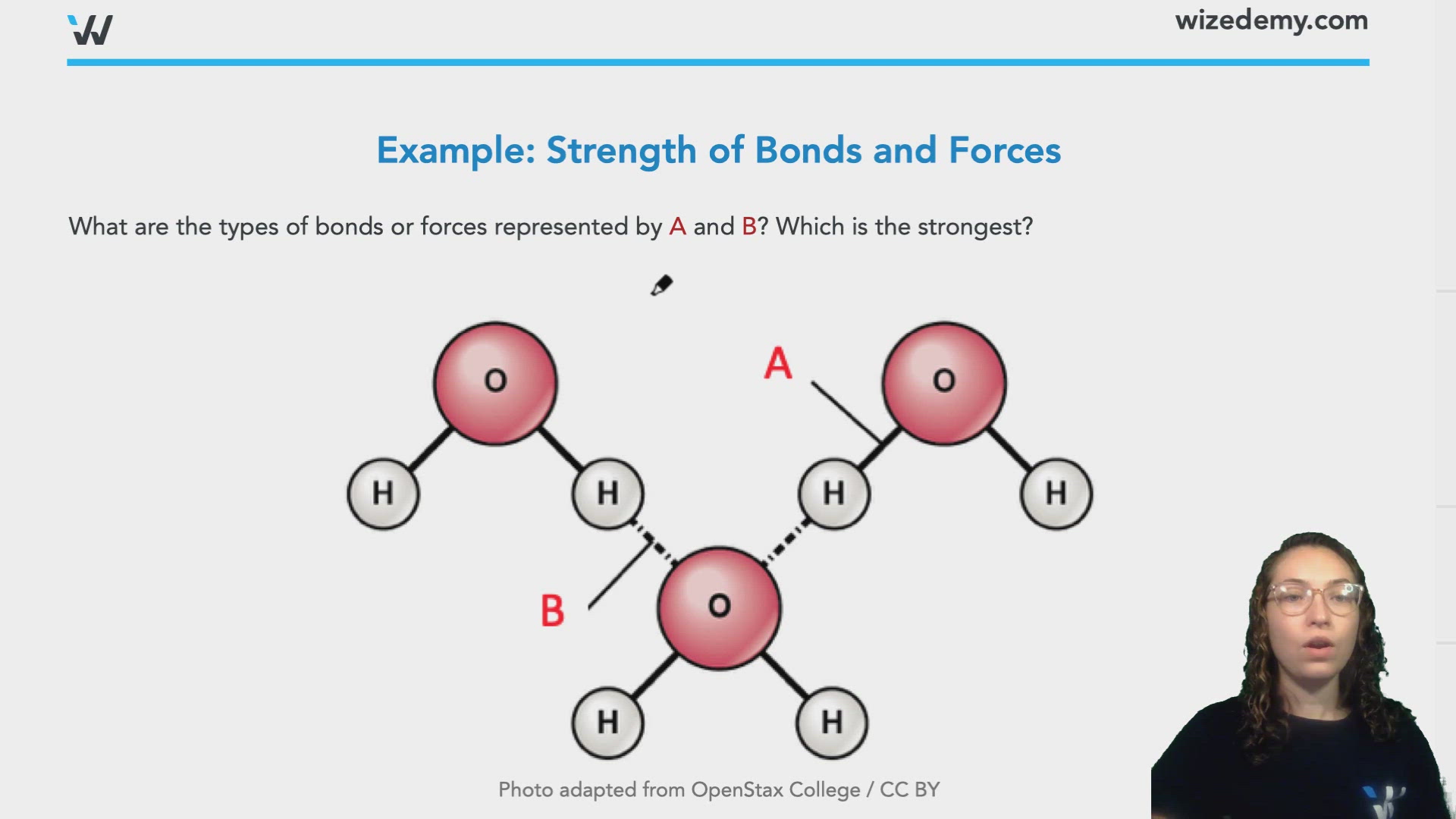
A is a covalent bond between hydrogen (H) and oxygen (O). B represents two water molecules engaging in hydrogen bonding. Although hydrogen bonding is a strong intermolecular force, covalent bonds are much stronger.
Practice: Hydrogen Bonding
Which of the following is not capable of hydrogen bonding?
Practice: Ionic Bonds
Which of the following is true about ionic bonds?
Practice: Hydrogen Bonding
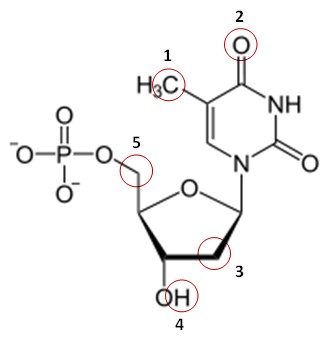
Which of the circled atoms below could form hydrogen bonds with water? Select all that apply.