Wize High School Grade 11 Biology Textbook > Human Physiology: The Circulatory System
Blood & Blood Components
0:00 / 0:00
Blood Cells
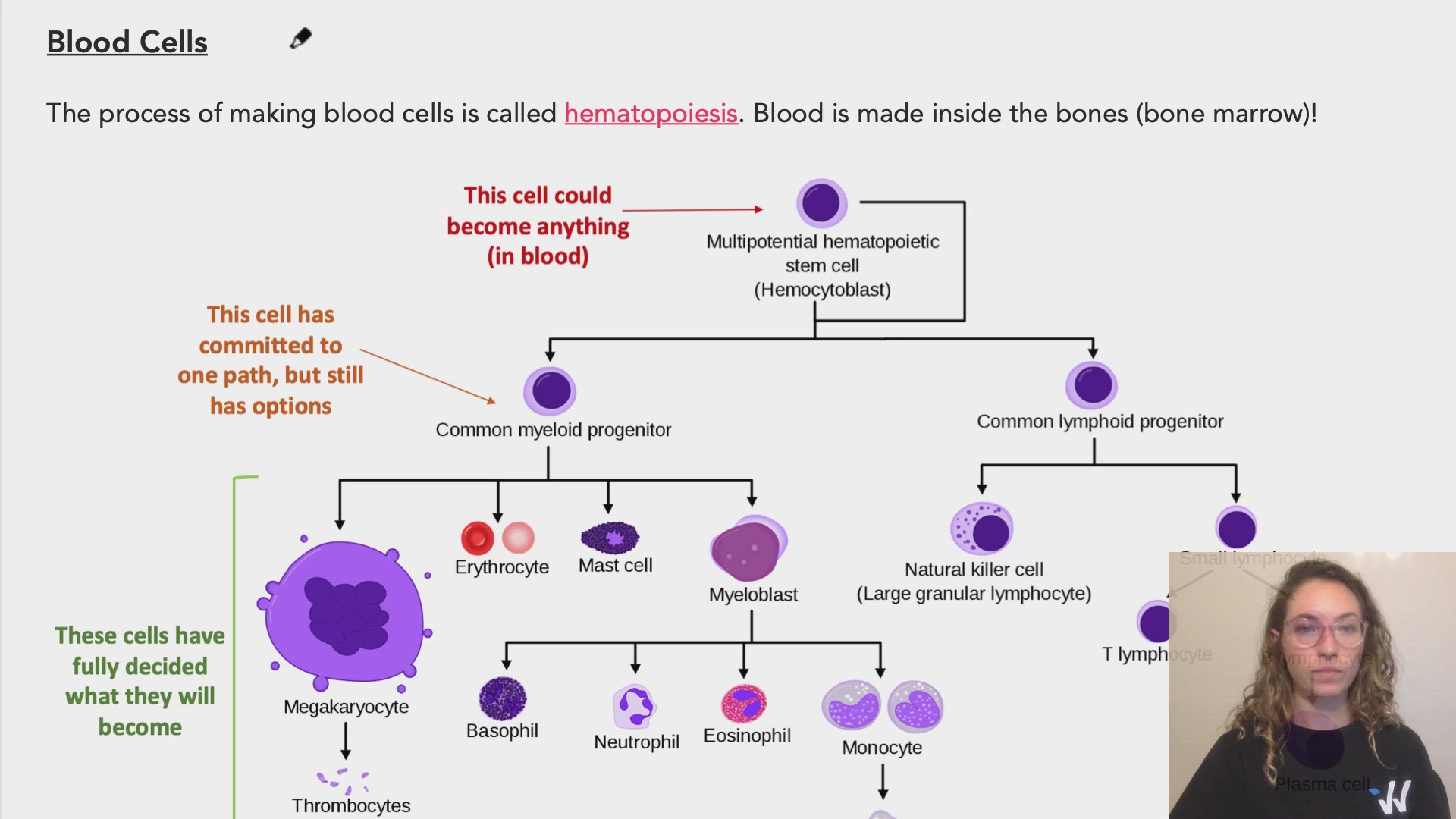
The process of making blood cells is called hematopoiesis. Blood is made inside the bones (bone marrow)!

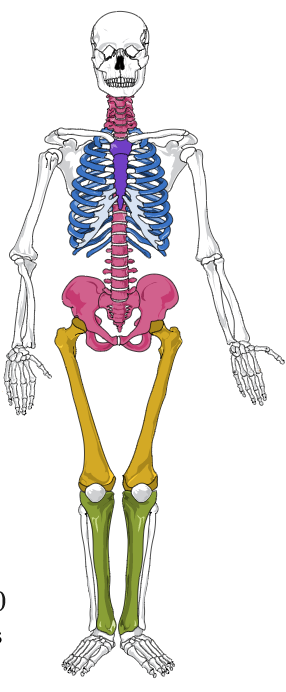
Locations of Blood Production
- Fetuses produce blood in the yolk sac, liver and spleen
- Kids make blood in axial skeleton bones and long bones
- Adults make blood in axial skeleton bones
- Erythro-, thrombo-, or leukopoiesis
0:00 / 0:00
Red Blood Cells
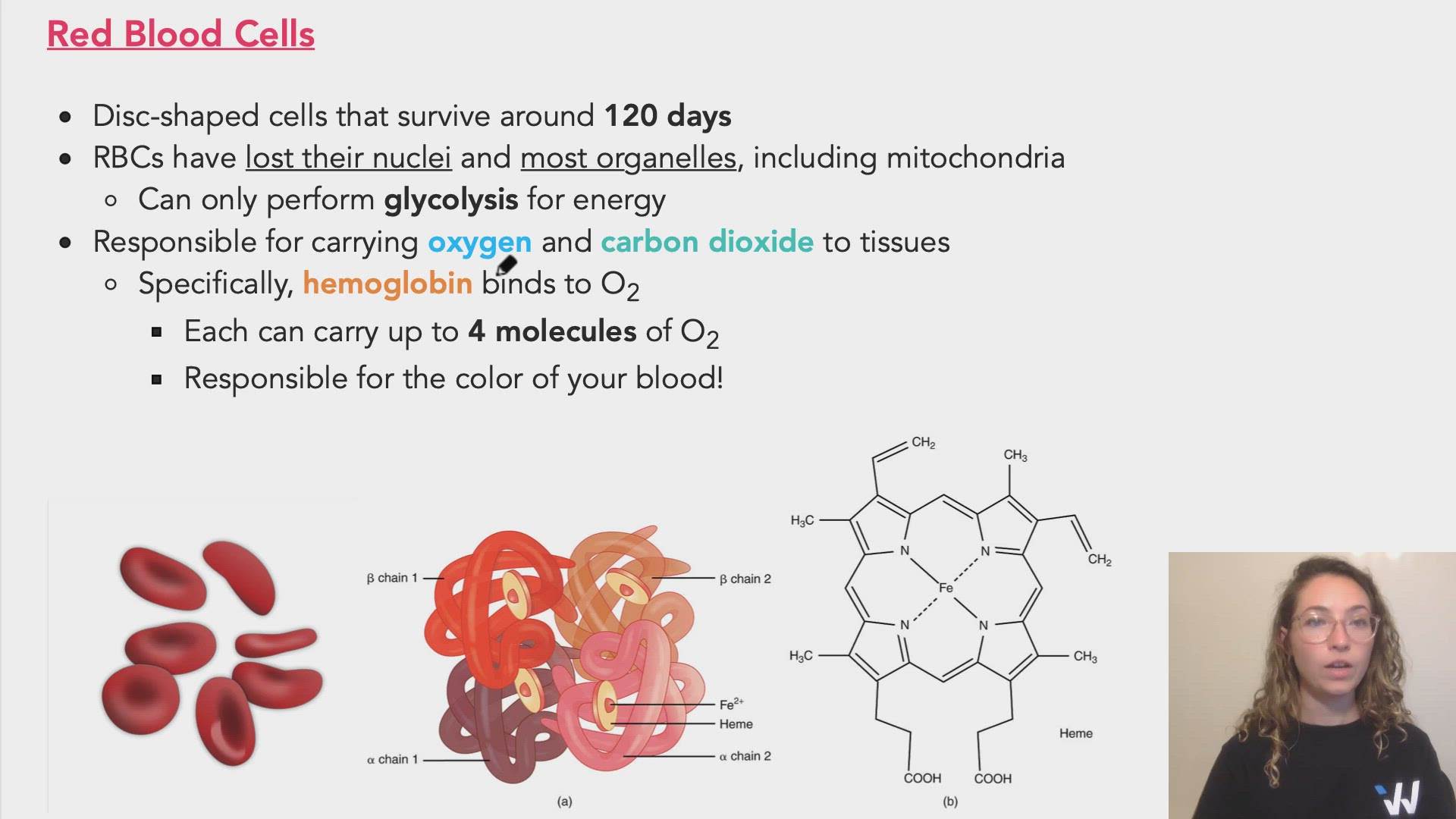
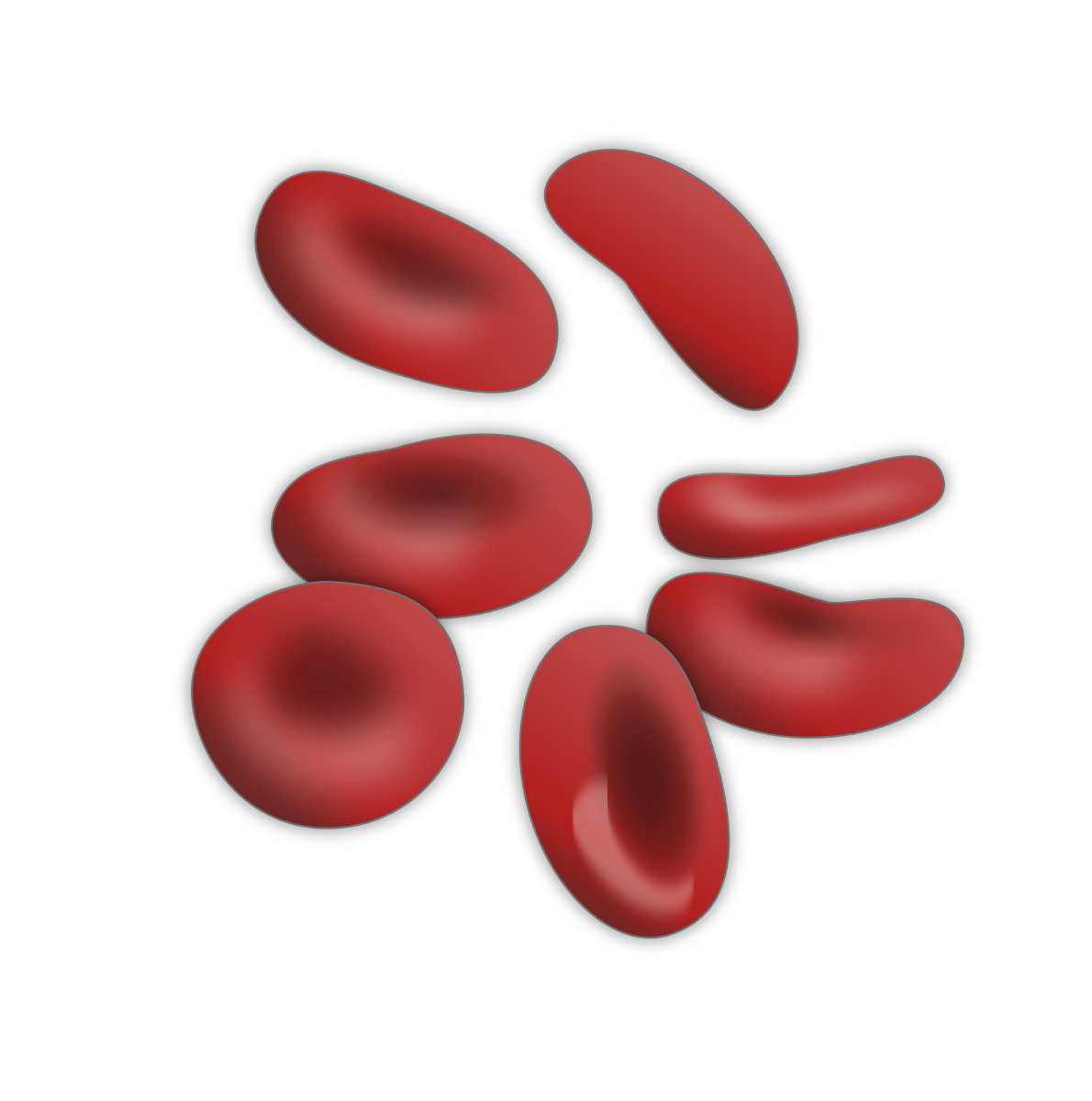
- Disc-shaped cells that survive around 120 days
- RBCs have lost their nuclei and most organelles, including mitochondria
- Can only perform glycolysis for energy
- Responsible for carrying oxygen and carbon dioxide to tissues
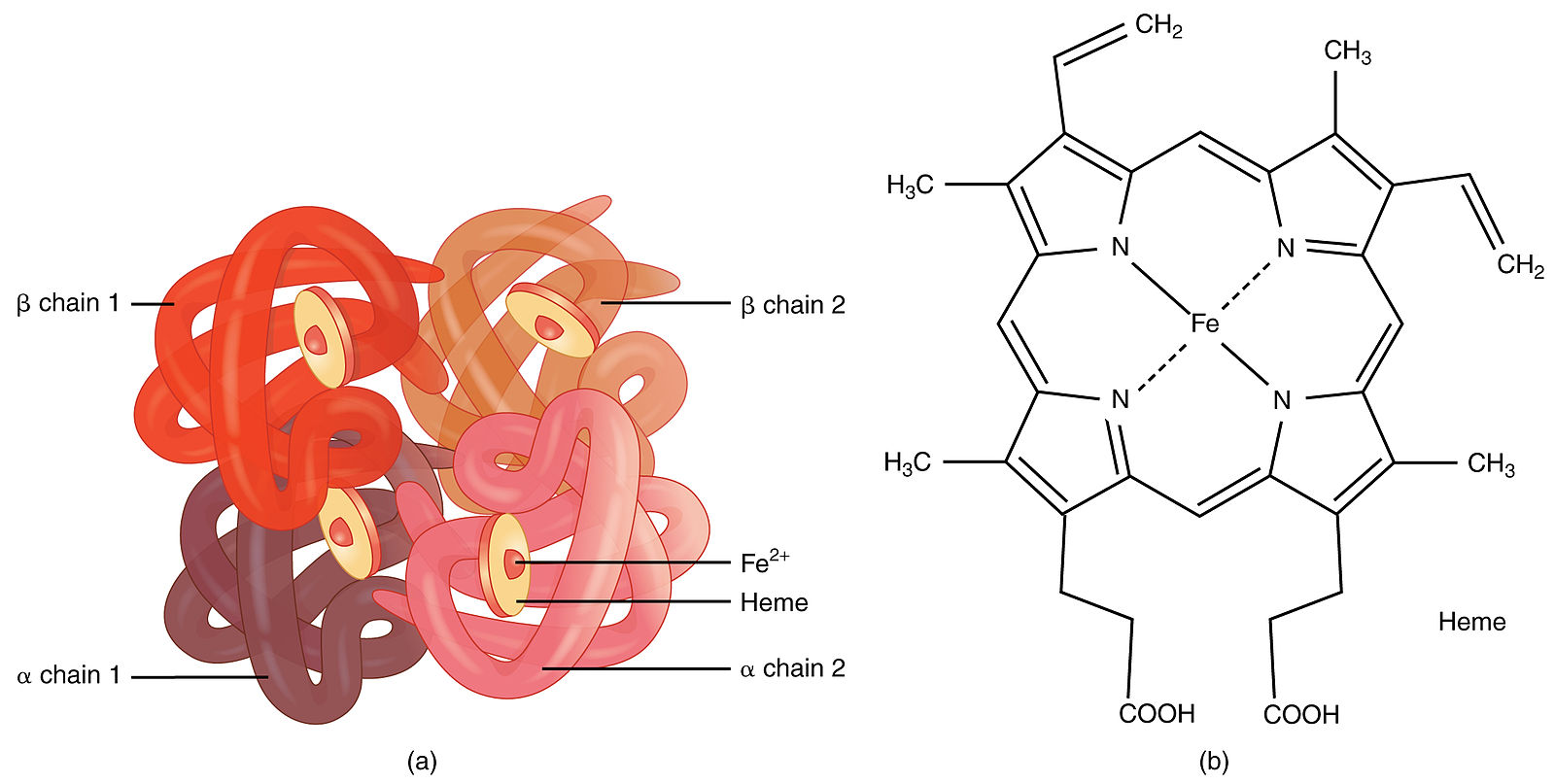
- Specifically, hemoglobin binds to O2
- Each can carry up to 4 molecules of O2
- Responsible for the color of your blood!
Exam Tip
Lifetime of RBCs CAN NEVER be increased!!!
Platelets
- Role is to initiate the stopping of bleeding
- First and second parts of hemostasis
- Have a lifespan of 7-10 days
- Thrombopoietin from liver can stimulate its production
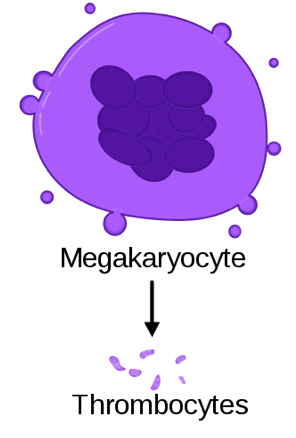
- Come from megakaryocytes
- Very small bits
- Have many granules and no nucleus
Leukocytes (White Blood Cells)
- Includes everything other than RBCs or platelets!
- Involved in the immune response
- Lifespan can vary a lot depending on leukocyte type (range: hours to years)
Wize Concept
Number of RBCs > Number of Platelets > Number of Leukocytes
0:00 / 0:00
Blood Types
Sometimes, there is more than one allele coding for a particular trait. A classic example is blood types. A person can have:
- Type A
- Type B
- Type AB
- Type O
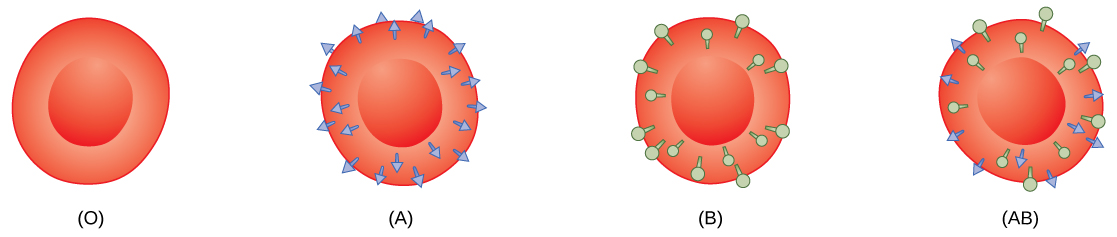
These blood types are determined by the type of carbohydrate added to a protein on the surface of red blood cells, and there are three different enzymes (encoded by three different alleles) responsible for adding this carbohydrate:
- IA adds "A" type carbohydrate
- IB adds "B" type carbohydrate
- i does not add a carbohydrate
Blood type is determined by which of these three alleles a person has:
- IAIA OR IAi will have type A blood ("A" type carbohydrates)
- IAIB will have type AB blood ("A" and "B" type carbohydrates)
- IBIB OR IBi will have type B blood ("B" type carbohydrates)
- ii will have type O blood (no carbohydrates)
0:00 / 0:00
Example: Blood Components
If you were missing any of the 3 blood components, what would be the outcome?
Red Blood Cells (RBCs)
- RBCs are responsible for carrying O2 and CO2
- Without RBCs, CO2 would accumulate in the tissues and O2 could not be delivered
- The result would be cell death throughout the body
Platelets
- Platelets are responsible for blood clotting
- Without platelets, blood would continue to flow after a blood vessel has been broken open due to injury
- The result would be the inability to stop bleeding upon injury
White Blood Cells
- There are many different types of white blood cells that make up our immune system
- Without white blood cells, our bodies would not be able to fight off infection
Practice: Blood Cells
Regarding hematopoiesis:
Practice: Blood Cell Production
Match the following term with the definition.
A.
Production of red blood cells
B.
Production of new blood cells
C.
Production of platelets
D.
Production of white blood cells
Hematopoiesis
Thrombopoiesis
Leukopoiesis
Erythropoiesis