Bryophytes
Characteristics of Seedless Vascular Plants
Diversity of Seedless Vascular Plants
Example: Seedless Plant Life Cycles
Practice: Bryophytes
Practice: Bryophyte Sperm
Practice: Bryophyte Height
Practice: Phloem
Practice: Branching Vasculature
Practice: Seedless Life Cycles
Practice: Coal Swamps
Practice: Seedless Diversity
Popular Courses
Find My Course
0:00 / 0:00
Bryophytes
These plants represent the vary first lineage that transitioned onto land
- Not monophyletic (uncertainty in phylogeny)
- Thin, ground-cover plants
- lack of vascular system = can't grow tall
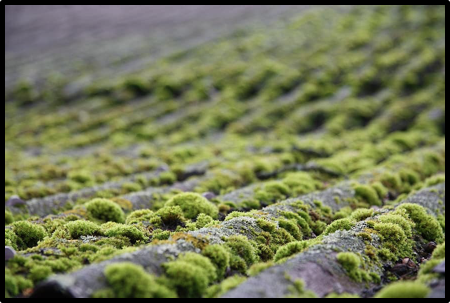
Characteristics of Bryophytes
- Short
- Tissue only a few cells thick
- Dominant phase: Haploid Gametophyte (unlike the rest of plants)
- Sporophyte (2N) is dependent on Gametophyte (1N)
- Plants are male or female
- Sperm move through water (must be moist!)
- Not fully terrestrial yet
Exam Tip
Bryophytes are the only plant that spends most of its life as the Haploid (1N) Gametophyte!
Bryophyte Life Cycle


0:00 / 0:00
Characteristics of Seedless Vascular Plants
The vascular tissue was necessary for plants to grow tall

- Have vascular tissue
- Xylem
- moves water
- contains lignin
- formed through programmed cell death
- Phloem
- moves nutrients, minerals and organics through plant
- living tissue
- Products from Roots and Leaves to the rest of the plant
- Allows plants to grow taller
- Roots
- Complex, multicellular
- Anchors plants
- Provides nutrients
- Leaves
- Complex, multicellular
- Enables photosynthesis
- Microphylls: small, single vascular tube
- Megaphylls: large, complex branching vascular system (most plants)
- Greek "phyll" = leaf
- Sporophylls
- Sporangia: modified leaf that produces spores
- Adapted sporollenin walls to protect Sporangia from desiccation

Life Cycle
- Dominant Form: Diploid (2N) Sporophyte
- No longer depends on the Haploid (1N) Gametophyte
- Opposite of bryophytes
- Allows for greater complexity
0:00 / 0:00
Diversity of Seedless Vascular Plants
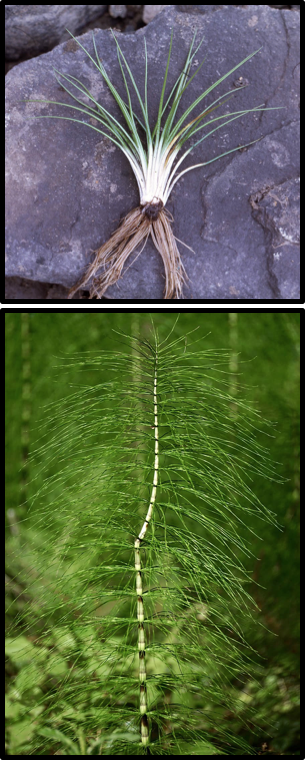
Lycophyta
- ~1200 species
- Fake mosses Examples: Quillworts, Club Mosses, Spike Mosses
- Microphyllous: small leaves
- During Carboniferous period
- small plants and woody trees
- Moist and warm swamps
- Small species persist
Pterophyta
- ~12,000 species
- Much of the diversity has gone extinct Example: Ferns
- Marshy, Wet environment
- Whisk Ferns
- Living fossils
- No roots or leaves
- Horsetails
- Grew to 15m in Carboniferous period
- Only 15 extant species
- True Ferns
- Megaphylls
- Large leaves, extensive branching
- Most successful of seedless vascular plants (~12,000 species)
- Sori: clusters of sporangia on bottom of leaves
- Dispersal through catapult or wind
Exam Tip
Remember that Sporophytes (plants) produce Sporangia (specialized structures) which release Spores (gametes).
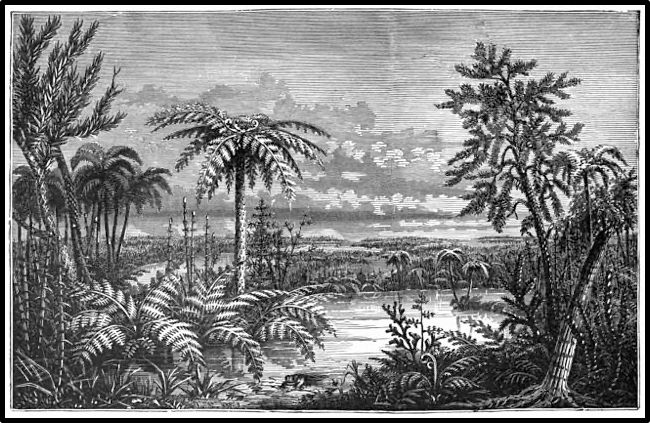
Coal Swamps
- Derived from Lycophyta and Pterophyta
- Coal: produced from a combo of Swamps + Marine Sediments + Decayed Organic Matter + heat + pressure
- Plants in swamps sequestered large amount of CO2
- 5x less atmospheric CO2
- This produced the fossil fuels we use today
Carboniferous Dry-out
- Environment began to dry
- Plants adapted by making seeds
- Seeds: Embryo with stored food and protection
Practice: Bryophytes
What is the dominant life stage in Bryophytes?
Practice: Bryophytes
How do Bryophyte sperm travel between plants?
Practice: Bryophytes
What is the best explanation for why bryophytes tend to be short?
Practice: Seedless Vascular Plants
Which of the following best describes plant phloem?
Practice: Seedless Vascular Plants
What term is used to describe the large, complex branching vascular system found in most plants?
Practice: Seedless Vascular Plants
What is the dominant life stage in seedless vascular plants?
Practice: Seedless Vascular Plants
What atmospheric function did the coal swamps serve when they existed?
Practice: Seedless Vascular Plants
Which taxon of Seedless Vascular Plants was the most diverse?