Create a free account to get started

Unlock full course notes by signing up

  • Video lessons taught by top educators
  • Practice questions with guided solutions
  • Written review notes for reference
  • Expert answers anytime from course tutors

Introduction to Thermochemistry

What is thermochemistry?

  • Thermochemistry is the study of the energy changes involved in chemical and physical processes

Chemical vs Physical Changes

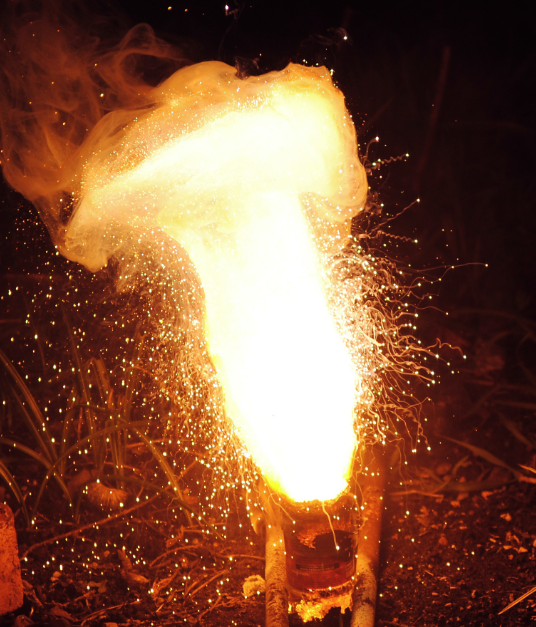
  • A chemical change is when bonds are b roken and formed between different atoms
  • Ex. Burning a compound in a chemical reaction is an example of a chemical change. The compound is changed as a result of the burning and can't be changed back (we get a new compound!)
  • CH4(g) + 2O2(g) → CO2(g) + 2H2O(g)
  • Image illustrating Introduction to Thermochemistry
  • A physical change does not involve the breaking and forming of bonds. Instead, these involve a change of state
  • Solid ⇌ Liquid ⇌ Gas
  • Ex. When ice melts, we have liquid water. Ice is H2O(s) while water is H2O(l). The compound is still the same and could be frozen again to become ice again!
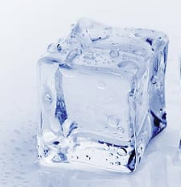
  • Image illustrating Introduction to Thermochemistry


  • Energy: the capacity to do work or transfer heat

Are the following changes physical or chemical changes?

A Change to a CompoundChemical or Physical Change (Enter answer as C or P)
Seeing bubbles during a reaction
Feeling heat on the outside of a beaker during a reaction
Boiling the compound
Seeing a precipitate form in solution
Seeing light given off of the compound during the reaction
Melting the compound
Seeing a new compound form during the reaction

Create a free account to get started

Unlock full course notes by signing up

  • Video lessons taught by top educators
  • Practice questions with guided solutions
  • Written review notes for reference
  • Expert answers anytime from course tutors

Extra Practice