Wize High School Grade 12 Chemistry Textbook > Equilibrium
Introduction to Equilibrium
0:00 / 0:00
Introduction to Equilibrium
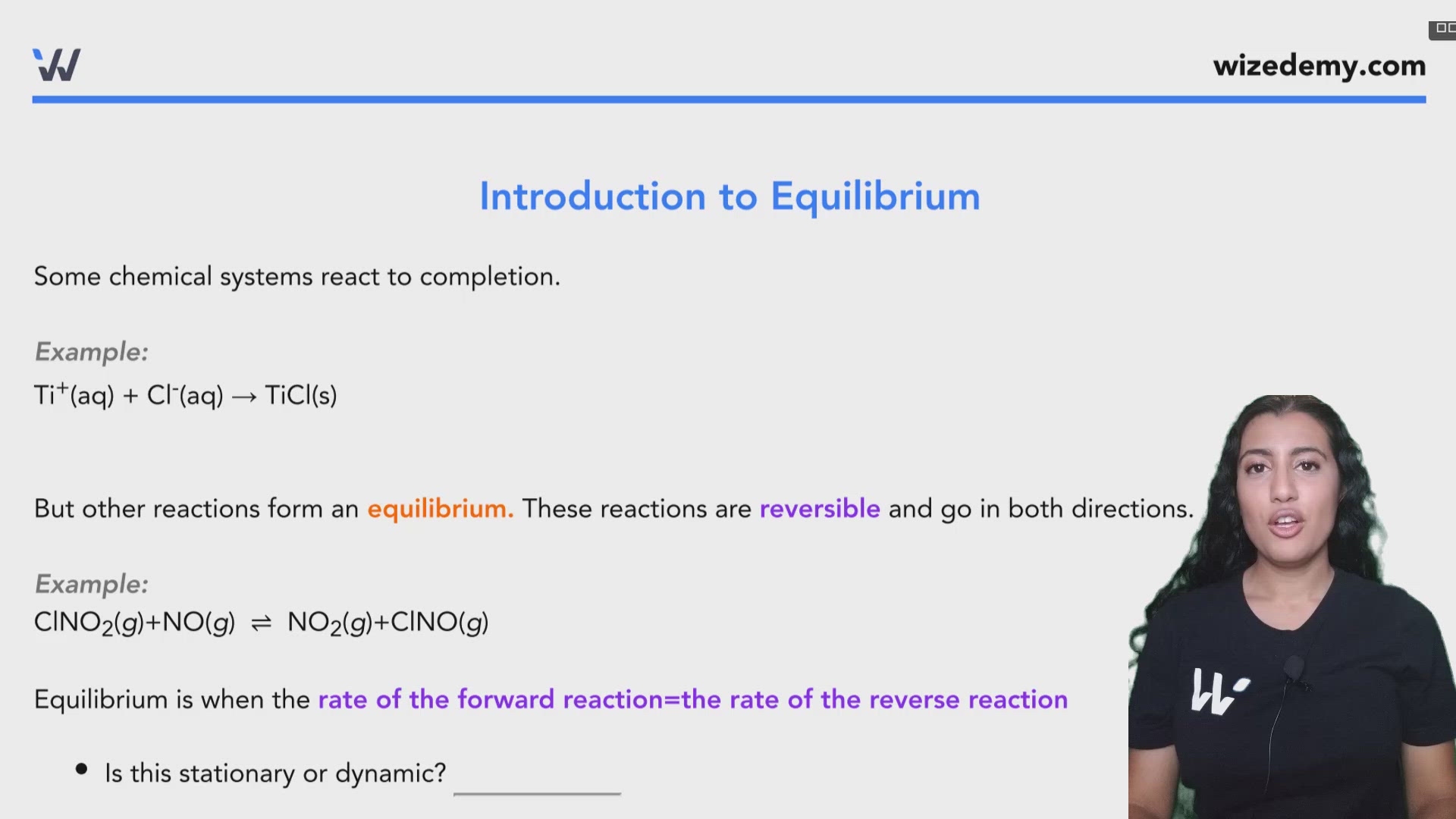
Some chemical systems react to completion.
Example:
Ti+(aq) + Cl-(aq) → TiCl(s)
But other reactions form an equilibrium. These reactions are reversible and go in both directions.
Example:
ClNO2(g)+NO(g) ⇌ NO2(g)+ClNO(g)
Equilibrium is when the rate of the forward reaction=the rate of the reverse reaction
- Is this stationary or dynamic?dynamic
- There is no net change
0:00 / 0:00
Understanding Equilibrium
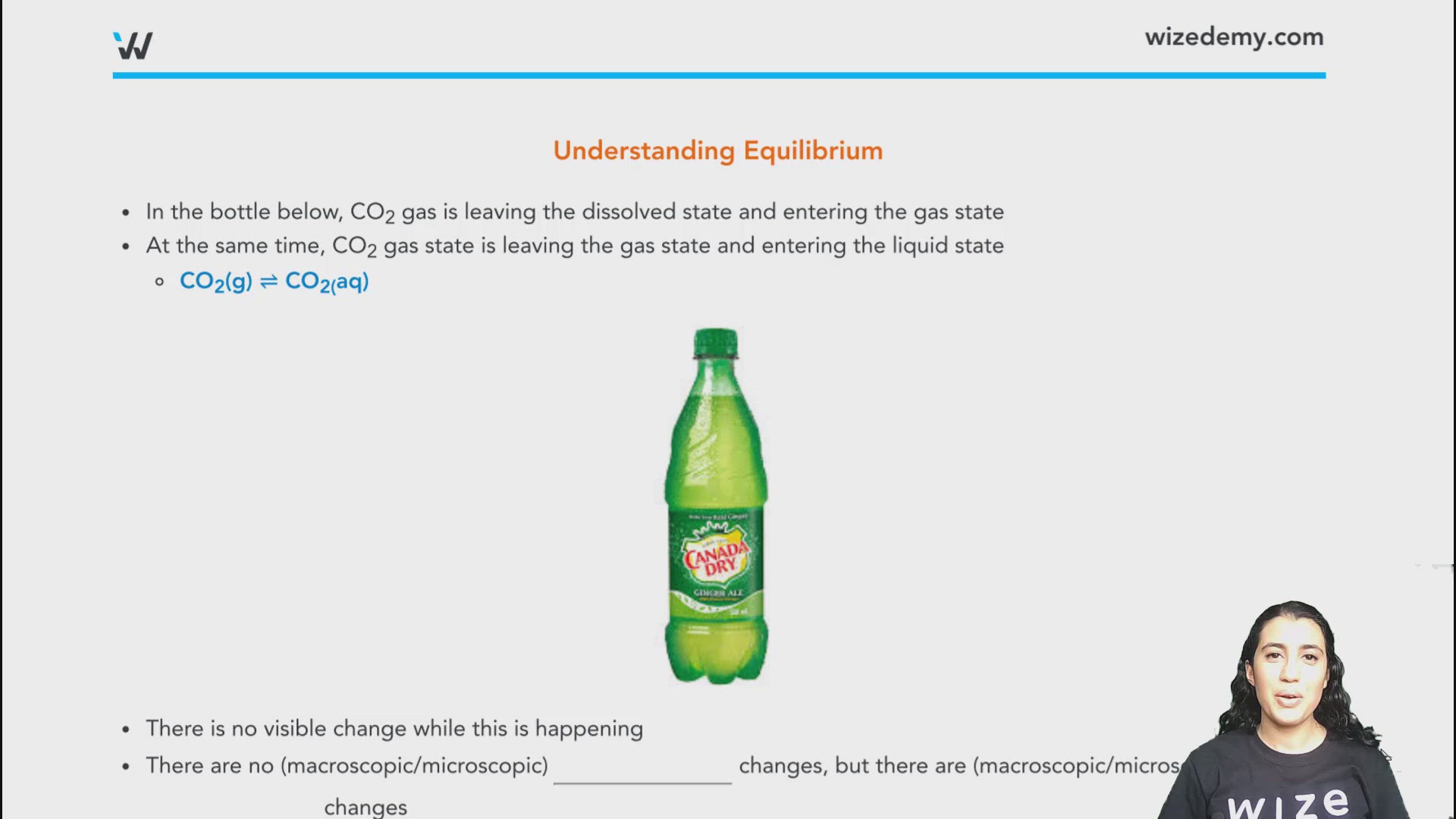
- In the bottle below, CO2 gas is leaving the dissolved state and entering the gas state
- At the same time, CO2 gas state is leaving the gas state and entering the liquid state
- CO2(g) ⇌ CO2(aq)
- There is no visible change while this is happening
- There are no (macroscopic/microscopic)macroscopicchanges, but there are (macroscopic/microscopic)microscopicchanges
- Review: is the above picture showing an open system, closed system, or isolated system?Closed
0:00 / 0:00
3 Types of Equilibrium
Solubility Equilibrium
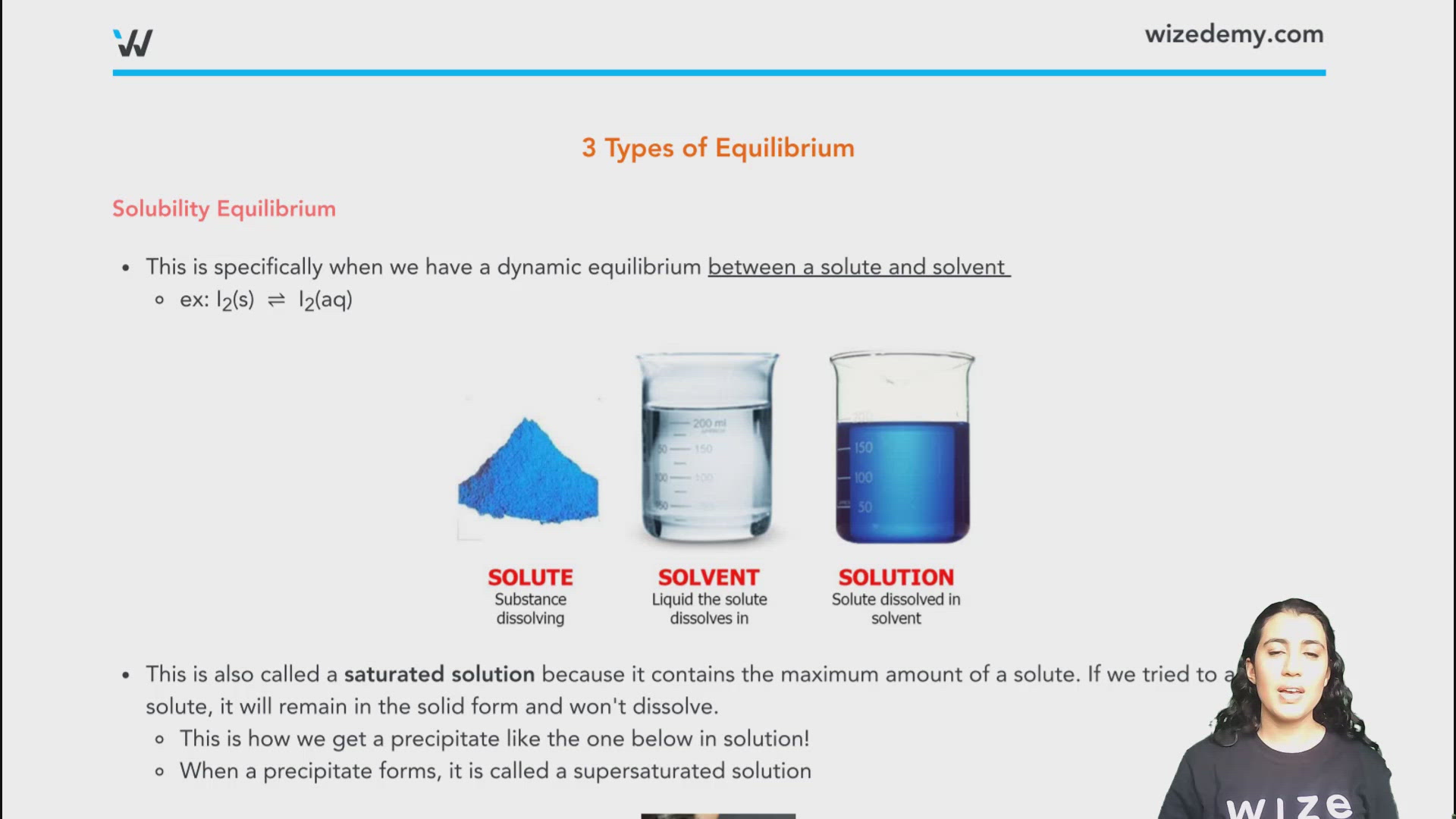
- This is specifically when we have a dynamic equilibrium between a solute and solvent
- ex: I2(s) ⇌ I2(aq)
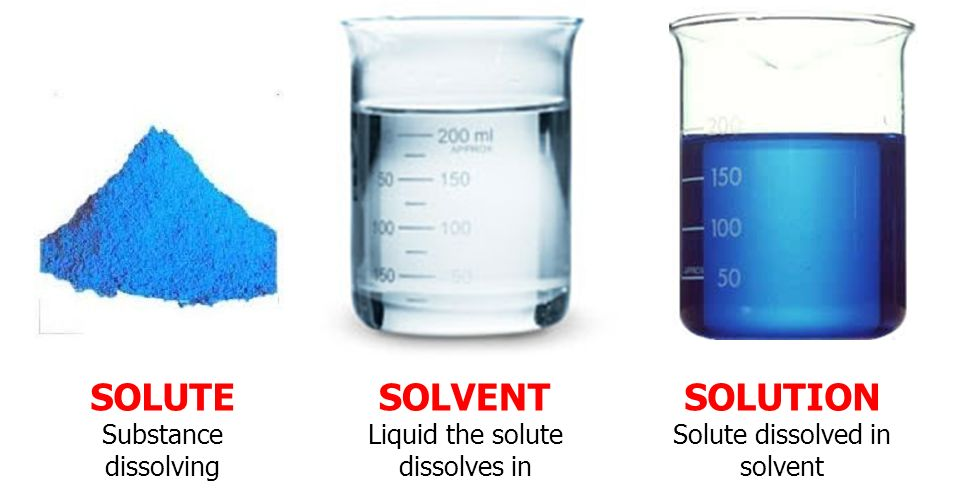
- This is also called a saturated solution because it contains the maximum amount of a solute. If we tried to add more solute, it will remain in the solid form and won't dissolve.
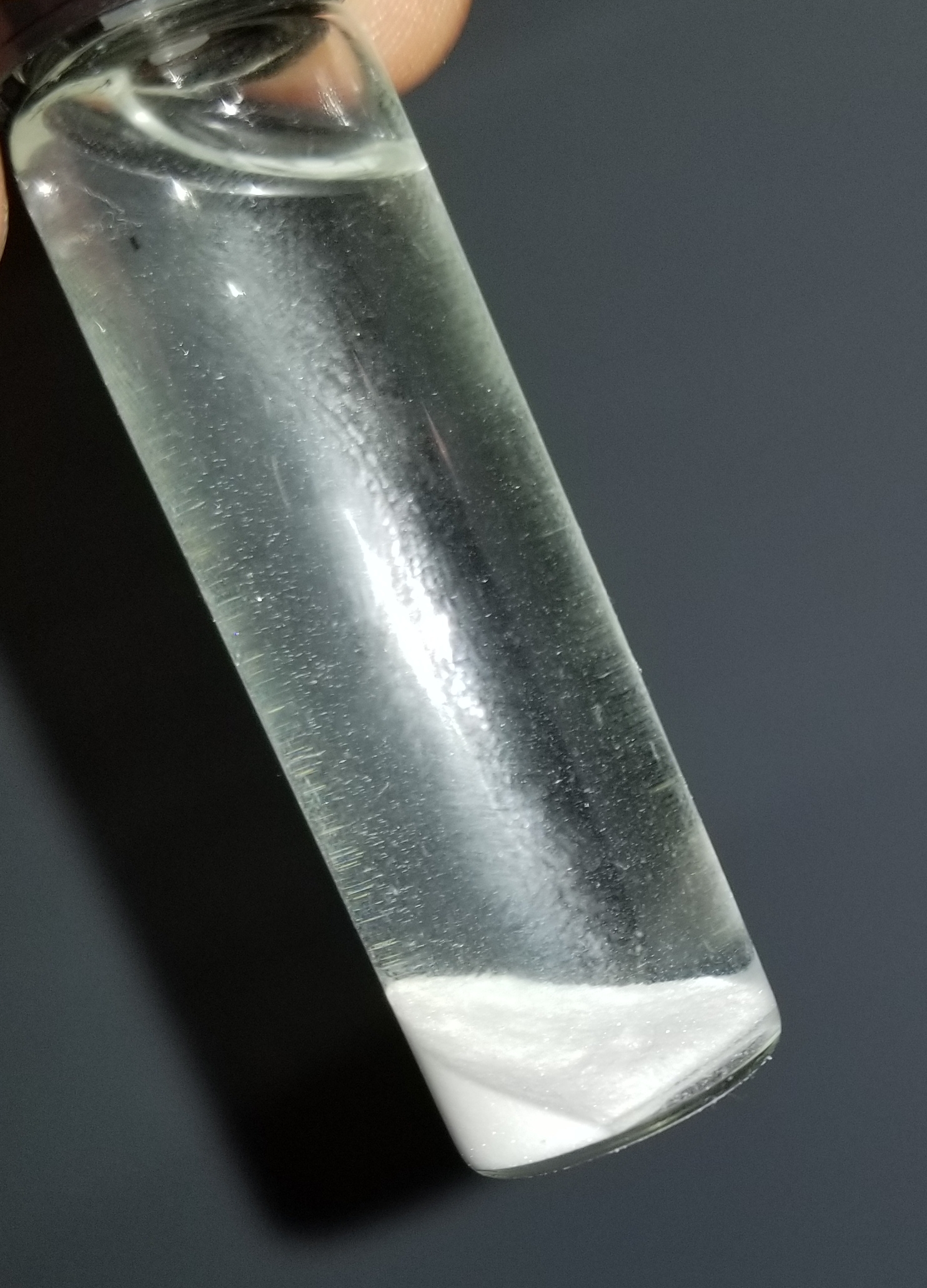
- This is how we get a precipitate like the one below in solution!
- When a precipitate forms, it is called a supersaturated solution
Phase Equilibrium
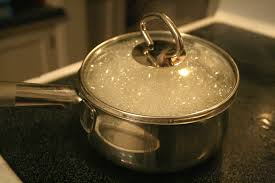
- This is when we have a dynamic equilibrium between different physical states of a pure substance
- What is the phase equilibrium that is happening in the picture below?
- H2O(l) ⇌ H2O(g)
Chemical Reaction Equilibrium
- This is when we have a dynamic equilibrium between reactants and products of a chemical reaction
- ex. N2O4(g) ⇌ 2NO2(g)
Homogeneous vs Hetereogeneous Equilibrium
Homogeneous Equilibria
- equilibria where all reactants and products are in the same phase
- ex: N2O4(g) ⇌ 2NO2(g)
Heterogeneous Equilibria
- equilibria where reactants and products are in different phases
- ex. CaCO3(s) ⇌ CaO(s) + CO2(g)