0:00 / 0:00
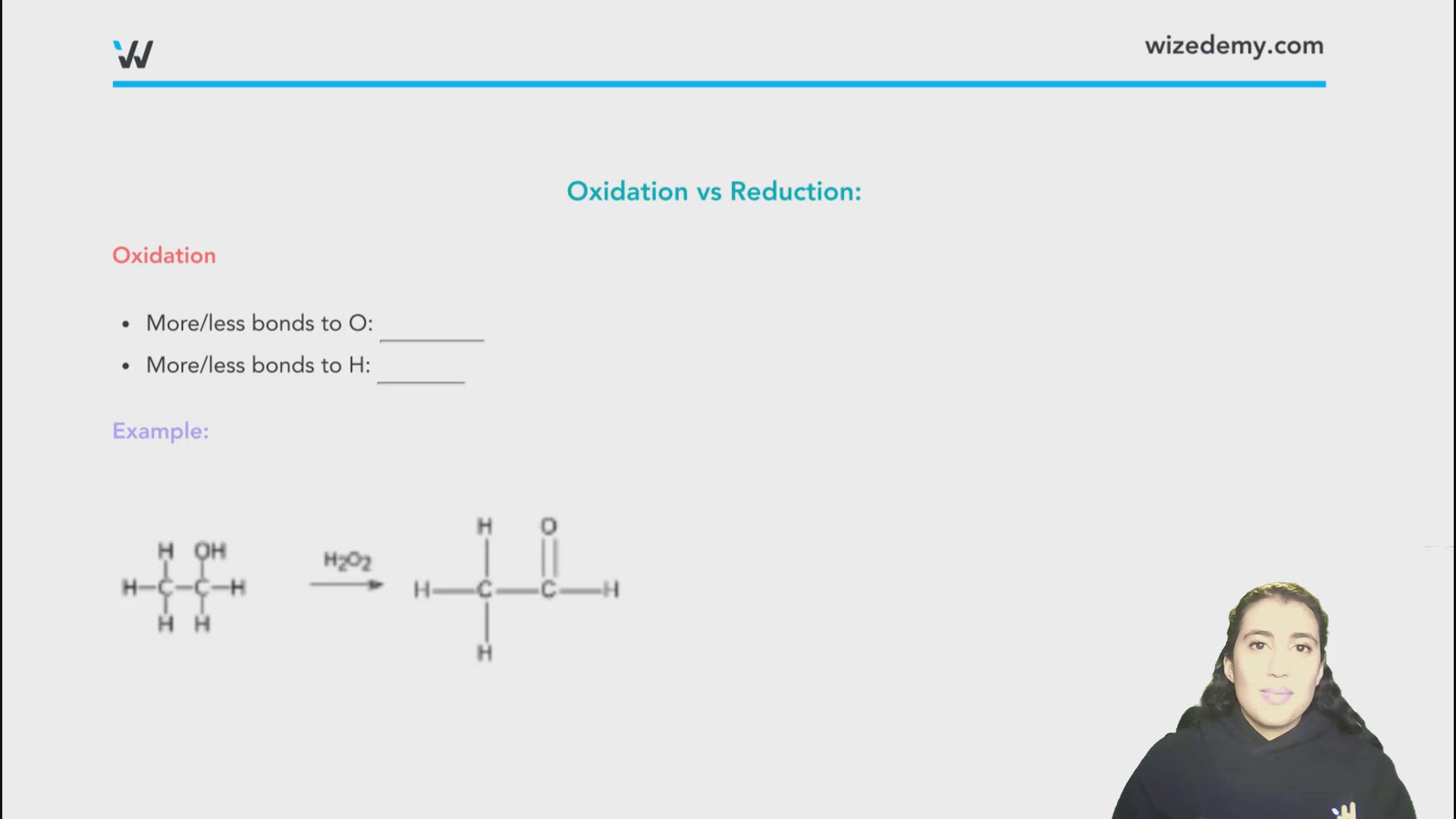
Oxidation vs Reduction:
Oxidation
- More/less bonds to O:more
- More/less bonds to H:less
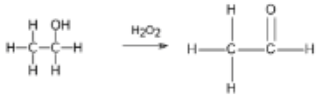
Example:
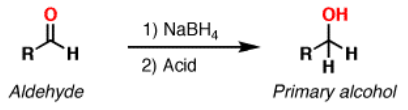
Reduction
- More/less bonds to O:less
- More/less bonds to H:more
Example:
0:00 / 0:00
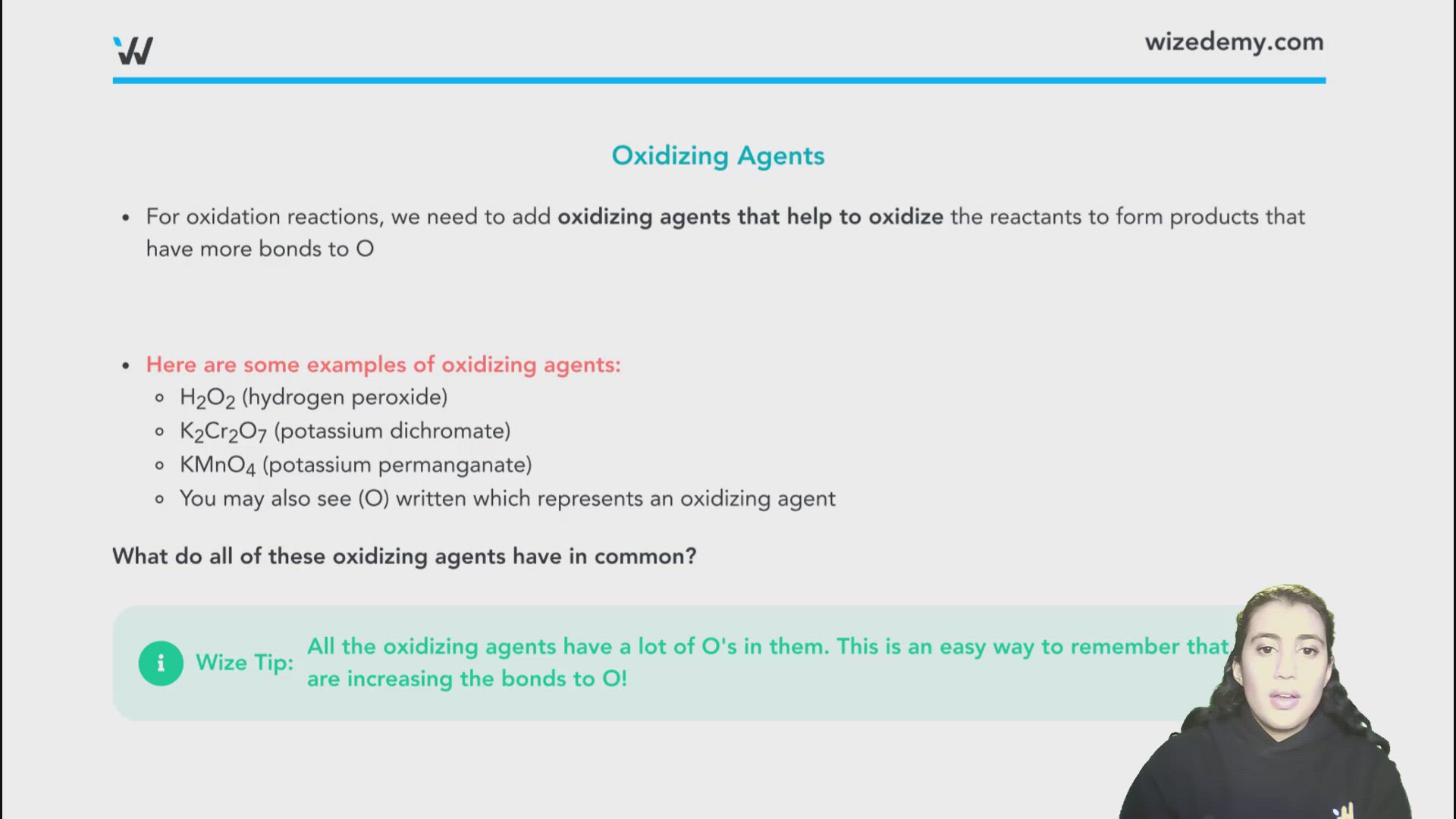
Oxidizing Agents
- For oxidation reactions, we need to add oxidizing agents that help to oxidize the reactants to form products that have more bonds to O
- Here are some examples of oxidizing agents:
- H2O2 (hydrogen peroxide)
- K2Cr2O7 (potassium dichromate)
- KMnO4 (potassium permanganate)
- You may also see (O) written which represents an oxidizing agent
What do all of these oxidizing agents have in common?
Wize Tip
All the oxidizing agents have a lot of O's in them. This is an easy way to remember that they are increasing the bonds to O!
0:00 / 0:00
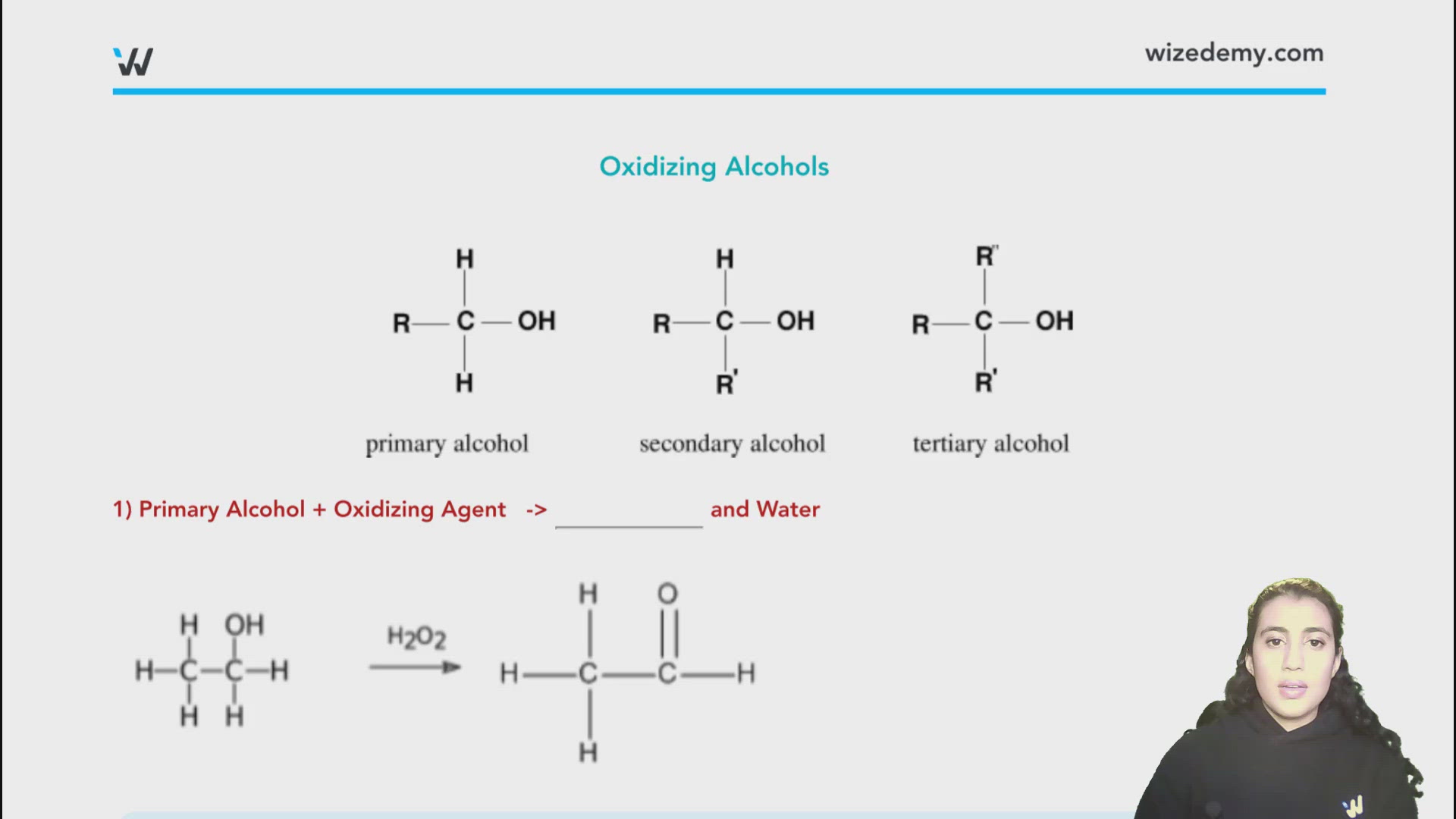
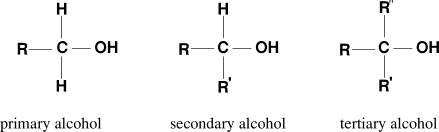
Oxidizing Alcohols
1) Primary Alcohol + Oxidizing Agent ->
Aldehyde
and Water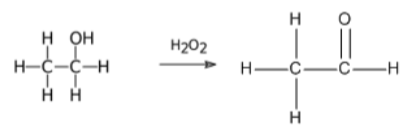
Wize Concept
When oxidizing alcohols, 2 Hs are removed (one from the OH and one from the adjacent C atom).
We end up with a C=O group and a water molecule is produced as well!
2) Secondary Alcohol + Oxidizing Agent ->
Ketone
and Water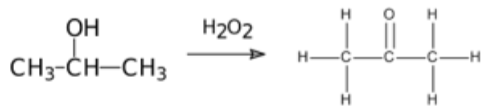
3) Tertiary Alcohol + Oxidizing Agent ->
nothing
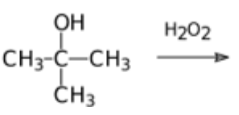
Watch Out!
Tertiary alcohols do not have an H atom available to be removed on the central carbon!
Therefore, they cannot be oxidized!
If we formed C=O, the C would have a total of 5 bonds and that doesn't make sense!
0:00 / 0:00
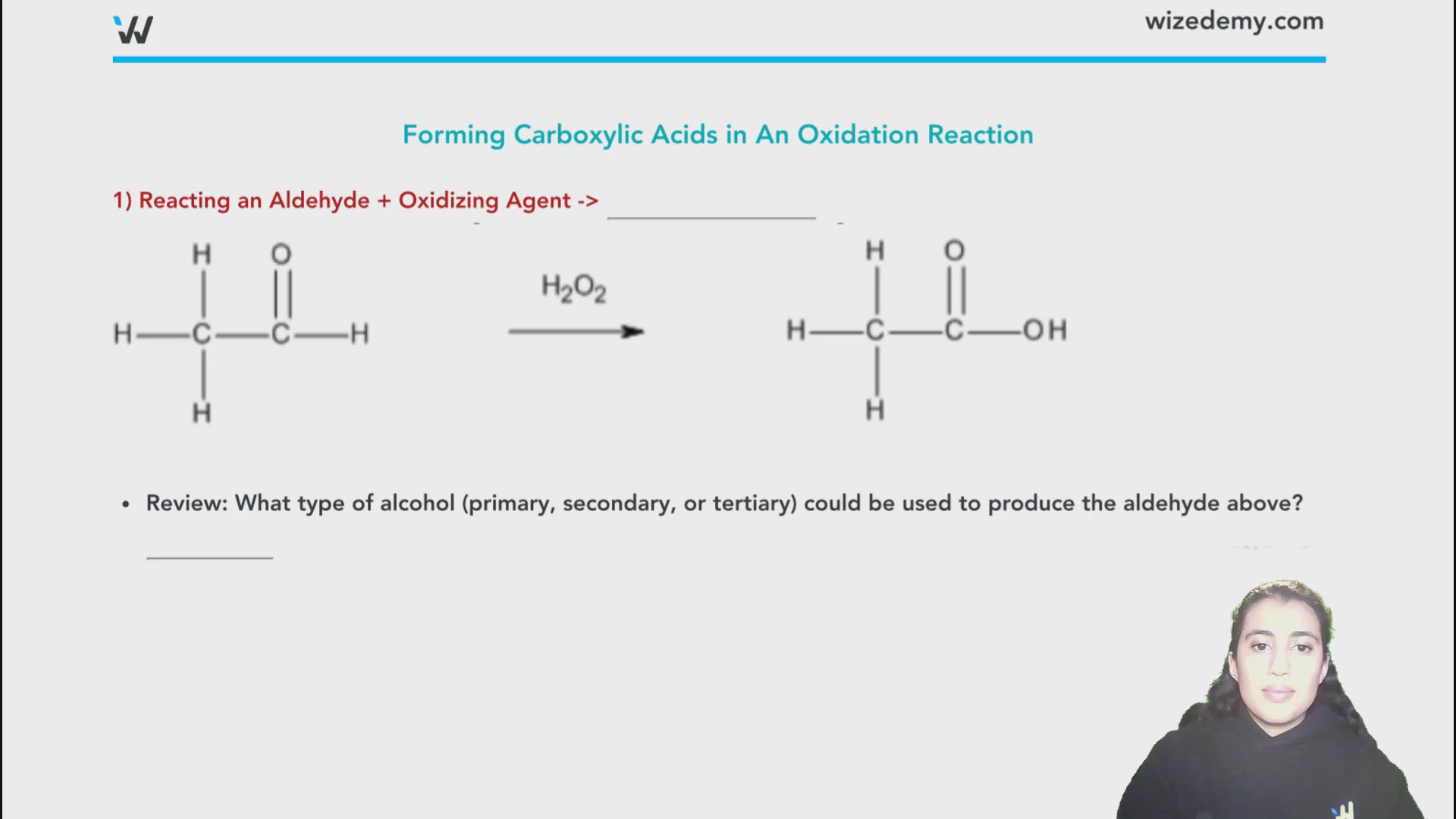
Forming Carboxylic Acids in An Oxidation Reaction
1) Reacting an Aldehyde + Oxidizing Agent ->
Carboxylic Acid
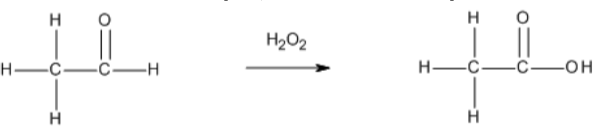
- Review: What type of alcohol (primary, secondary, or tertiary) could be used to produce the aldehyde above?Primary
- This is showing that we can mildly oxidize a primary alcohol to an aldehyde and further oxidize it to a carboxylic acid!

2) Reacting a Ketone + Oxidizing Agent ->
nothing
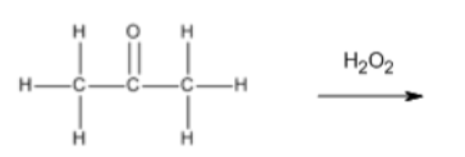
Watch Out!
A ketone cannot be oxidizied further!
There is no where to add a bond to O on the central C!
For the following reaction, draw out the reactant and product(s).
propanal + (O) -->
Provide the name of the product in the answer box: