Vertical Expansions (Stretches) & Compressions (Shrinks)
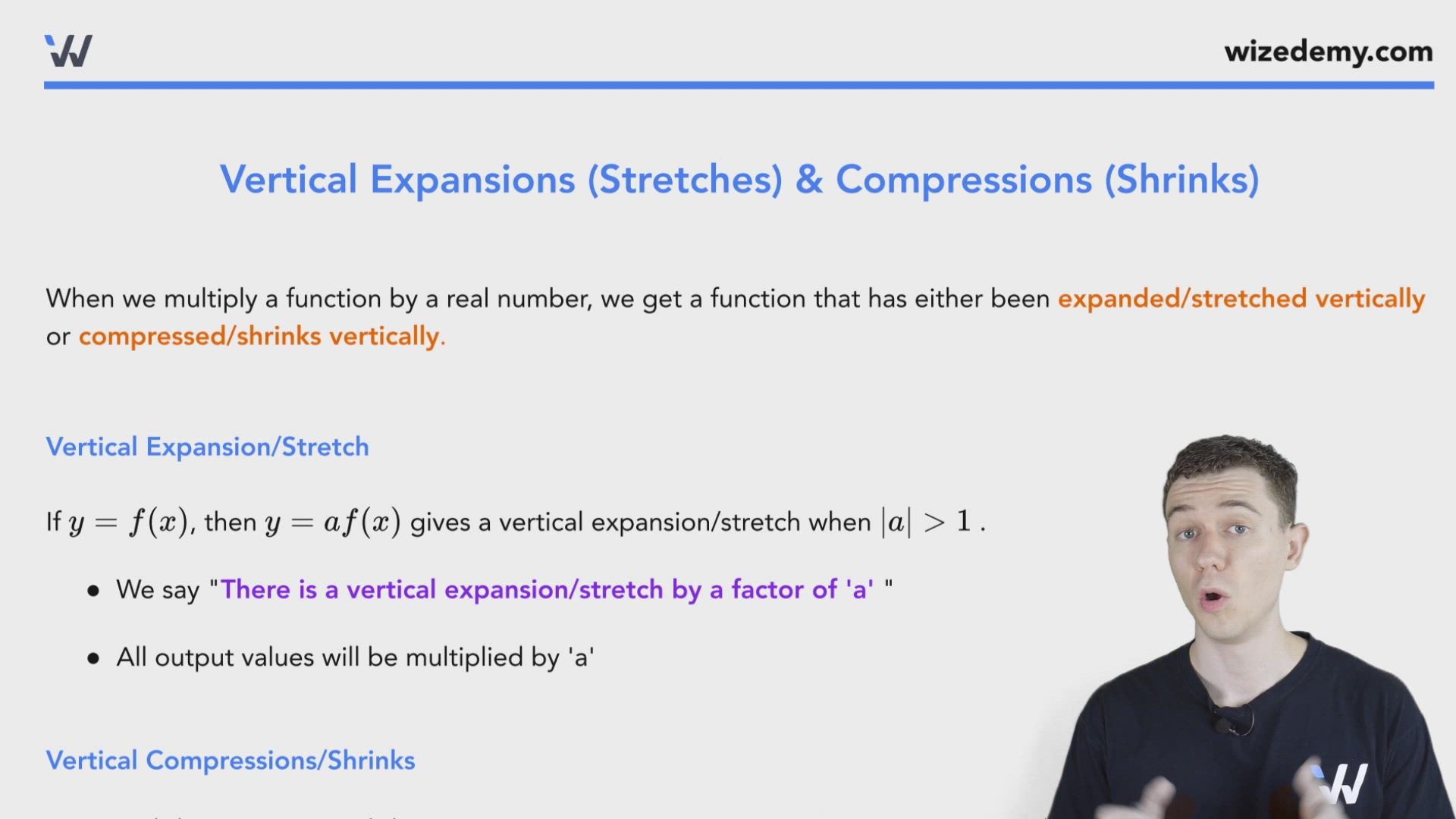
When we multiply a function by a real number, we get a function that has either been expanded/stretched vertically or compressed/shrinks vertically.
Vertical Expansion/Stretch
If , then gives a vertical expansion/stretch when .
- We say "There is a vertical expansion/stretch by a factor of 'a' "
- All output values will be multiplied by 'a'
Vertical Compressions/Shrinks
If then gives a vertical compression (shrinks vertically) when
- We say "There is a vertical compression by a factor of 'a' " or
- "The function f(x) has shrunk vertically by a factor of 'a' "
- All output values will be multiplied by 'a'
Example
Let be shown below:
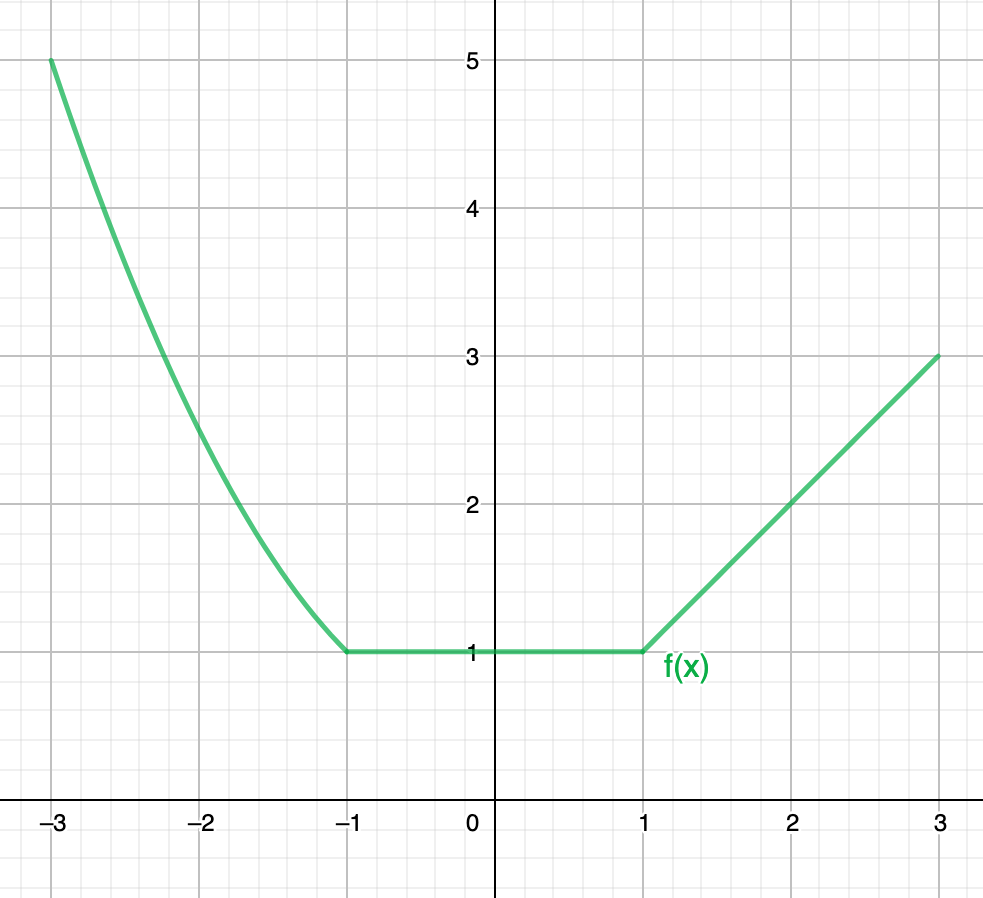
Domain:
Range:
Let us look at the graphs of on the same grid as and identify the transformations.
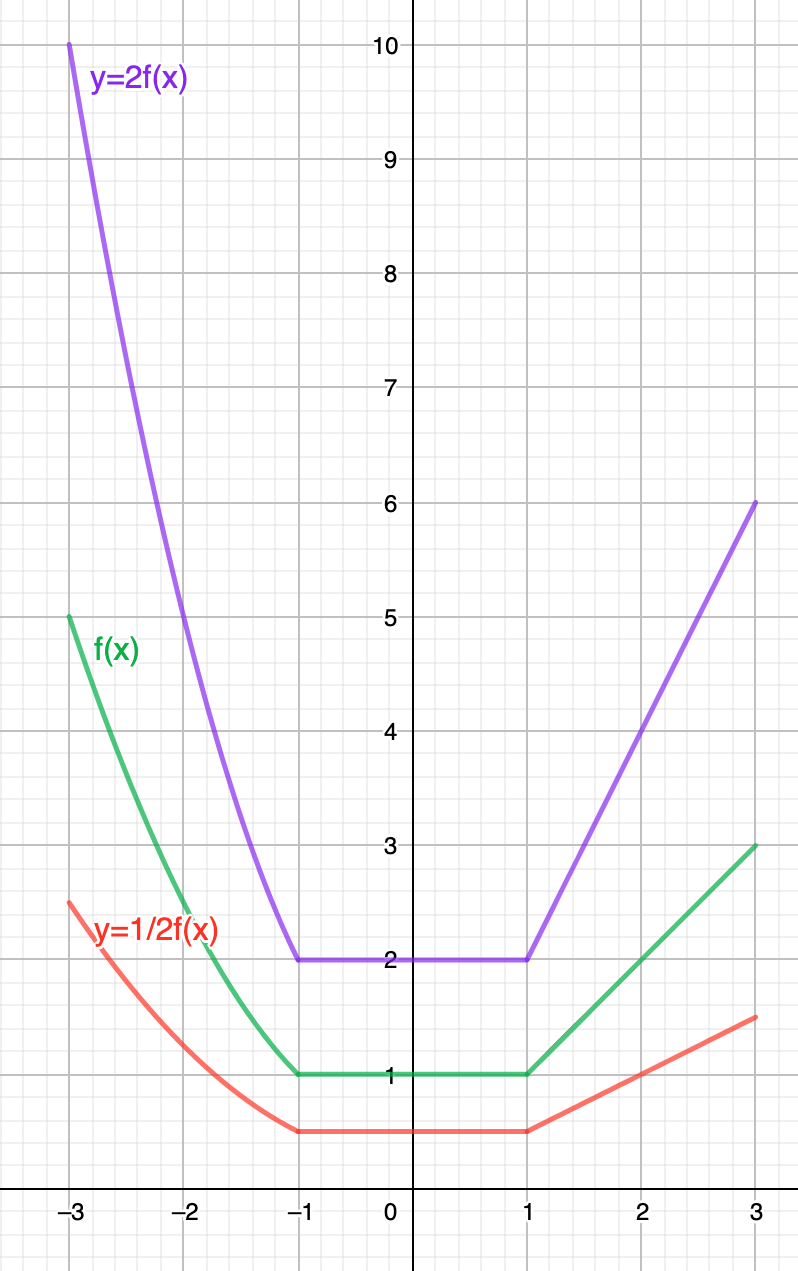
For
- There is a vertical expansion by a factor of 2
- a = 2
- Domain:
- Range:
For :
- There is a vertical compression by a factor of
- a =
- Domain:
- Range:
Horizontal Expansions & Compressions
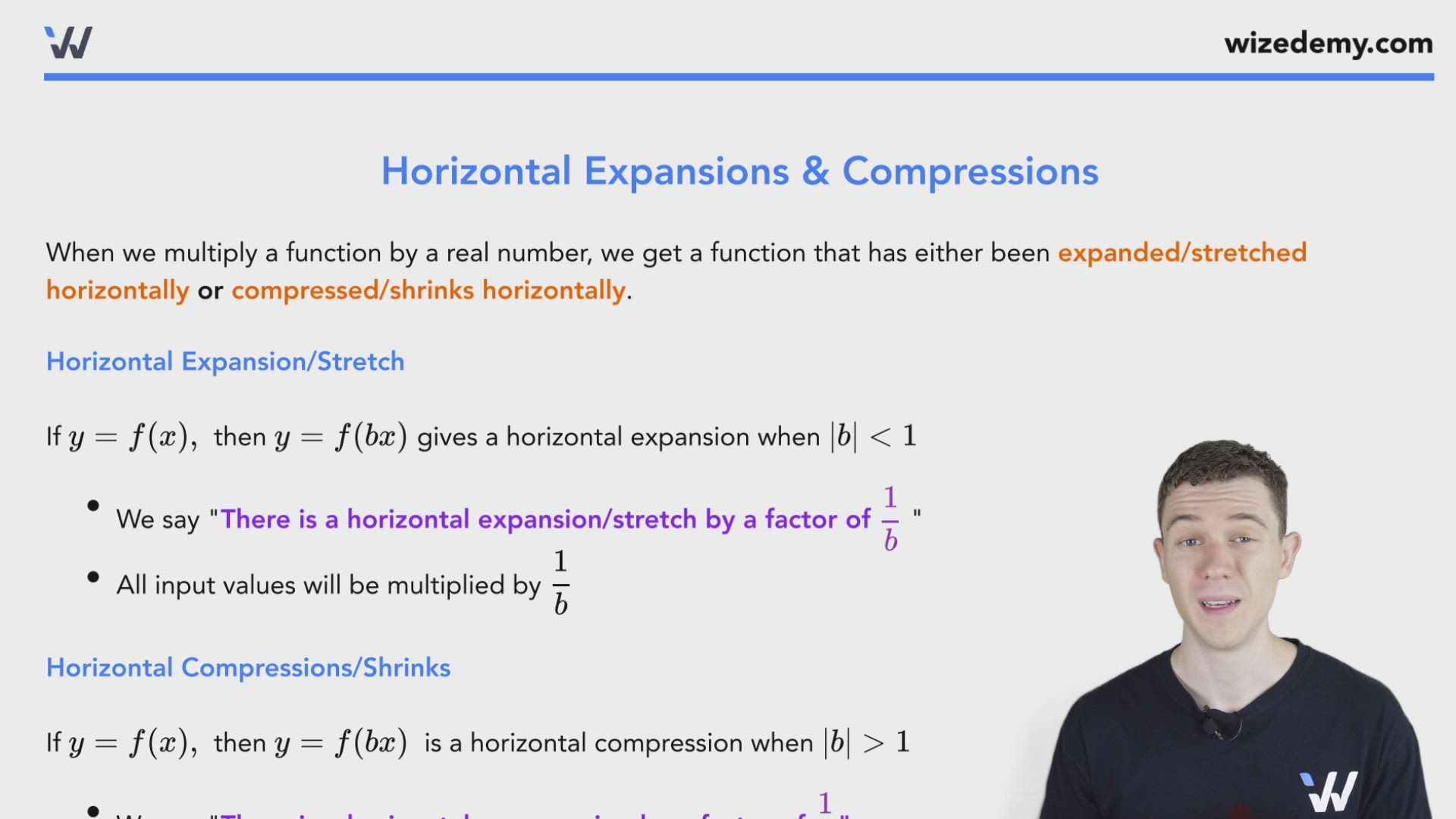
When we multiply a function by a real number, we get a function that has either been expanded/stretched horizontally or compressed/shrinks horizontally.
Horizontal Expansion/Stretch
If then gives a horizontal expansion when
- We say "There is a horizontal expansion/stretch by a factor of "
- All input values will be multiplied by
Horizontal Compressions/Shrinks
If then is a horizontal compression when
- We say "There is a horizontal compression by a factor of " or
- We say "The function f(x) shrinks horizontally by a factor of "
- All input values will be multiplied by
Example
Let be shown below:
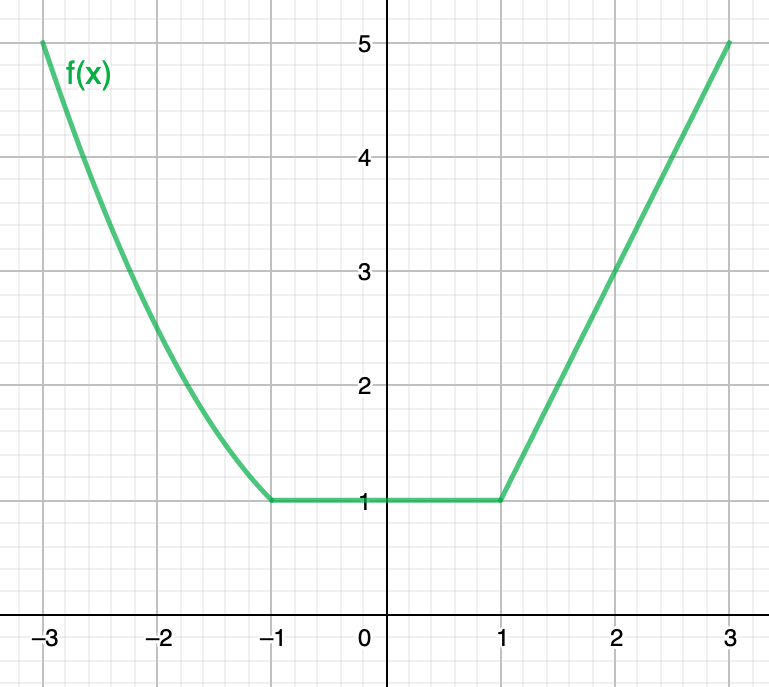
Domain:
Range:
Let us look at the graphs of on the same grid as and identify the transformations.
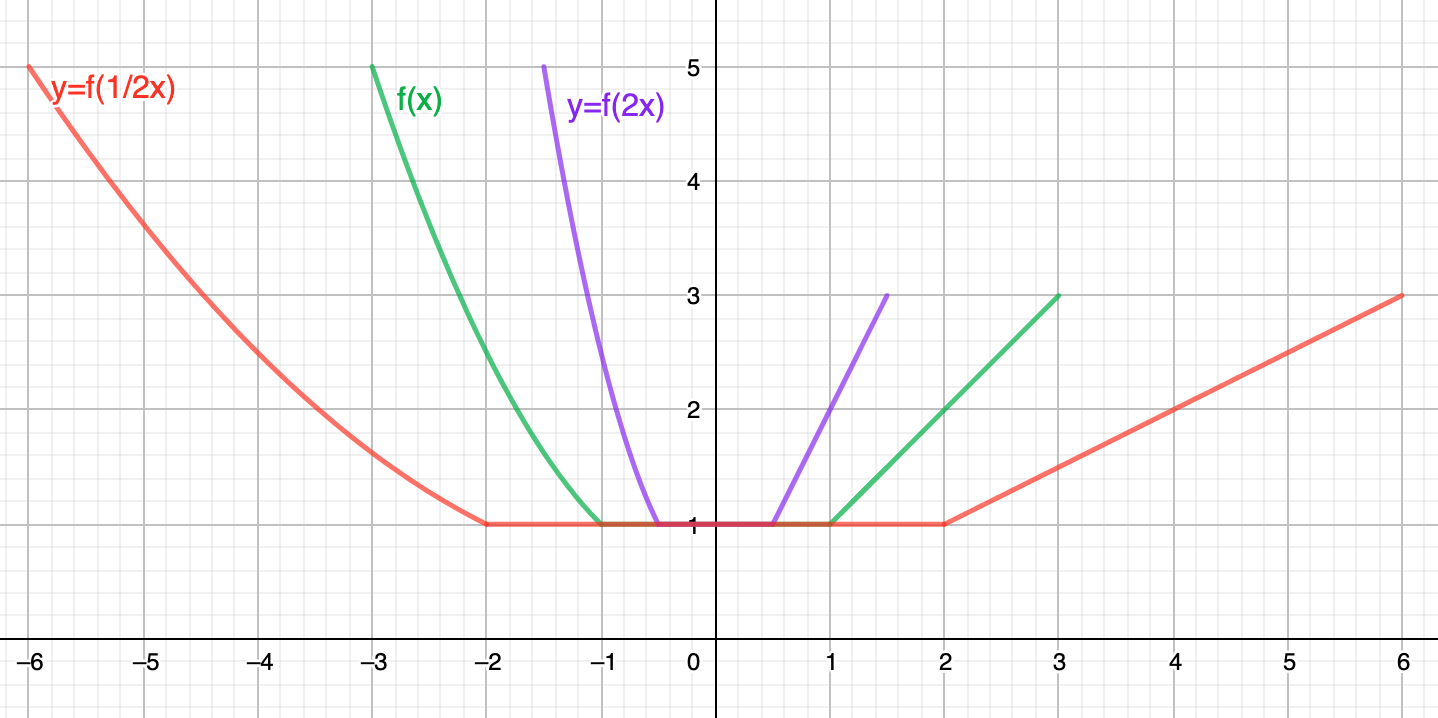
For
- There is a horizontal compression by a factor of
- b = 2
- Domain:
- Range:
For :
- There is a horizontal expansison by a factor of 2
- b =
- Domain:
- Range:

Example: Vertical & Horizontal Expansions & Compressions
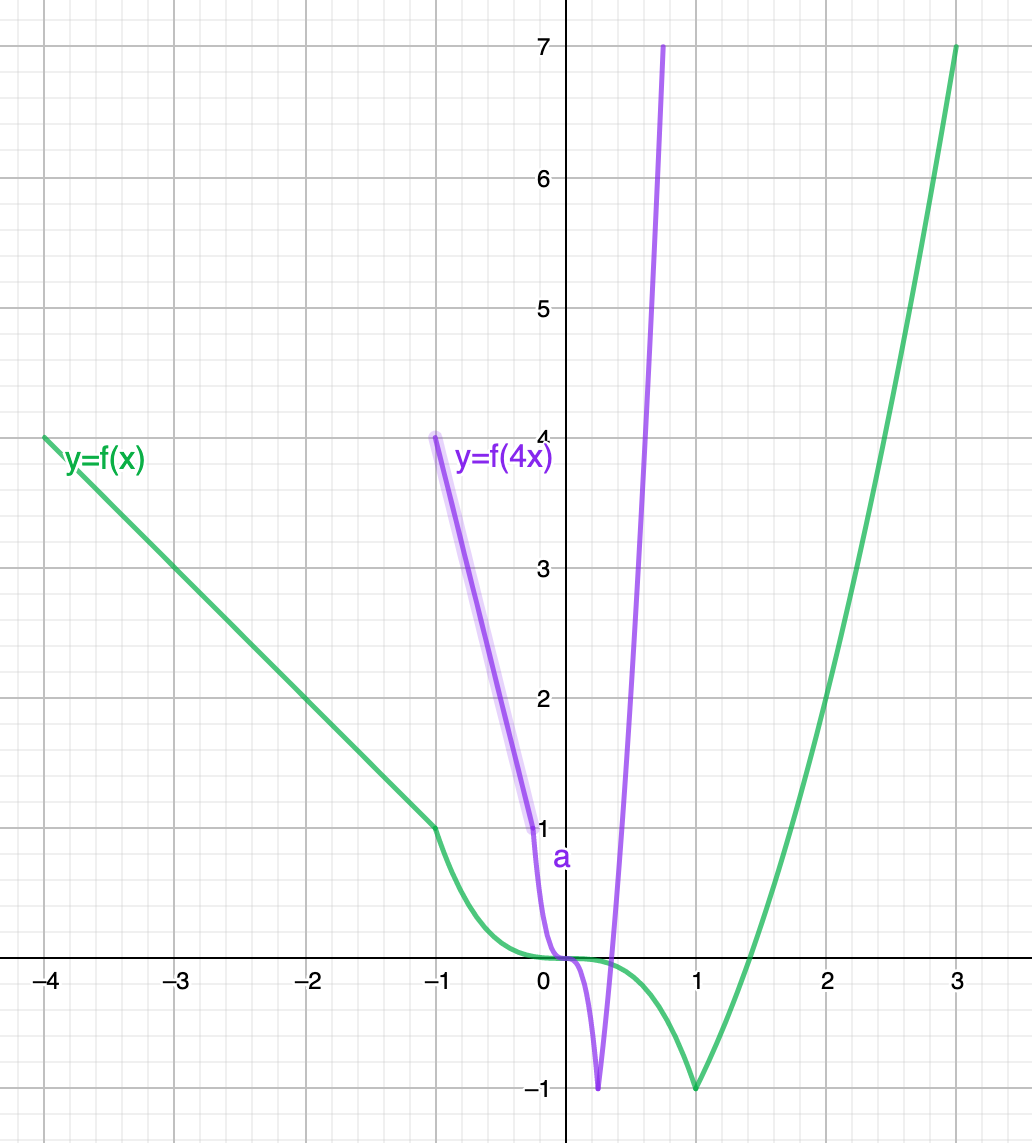
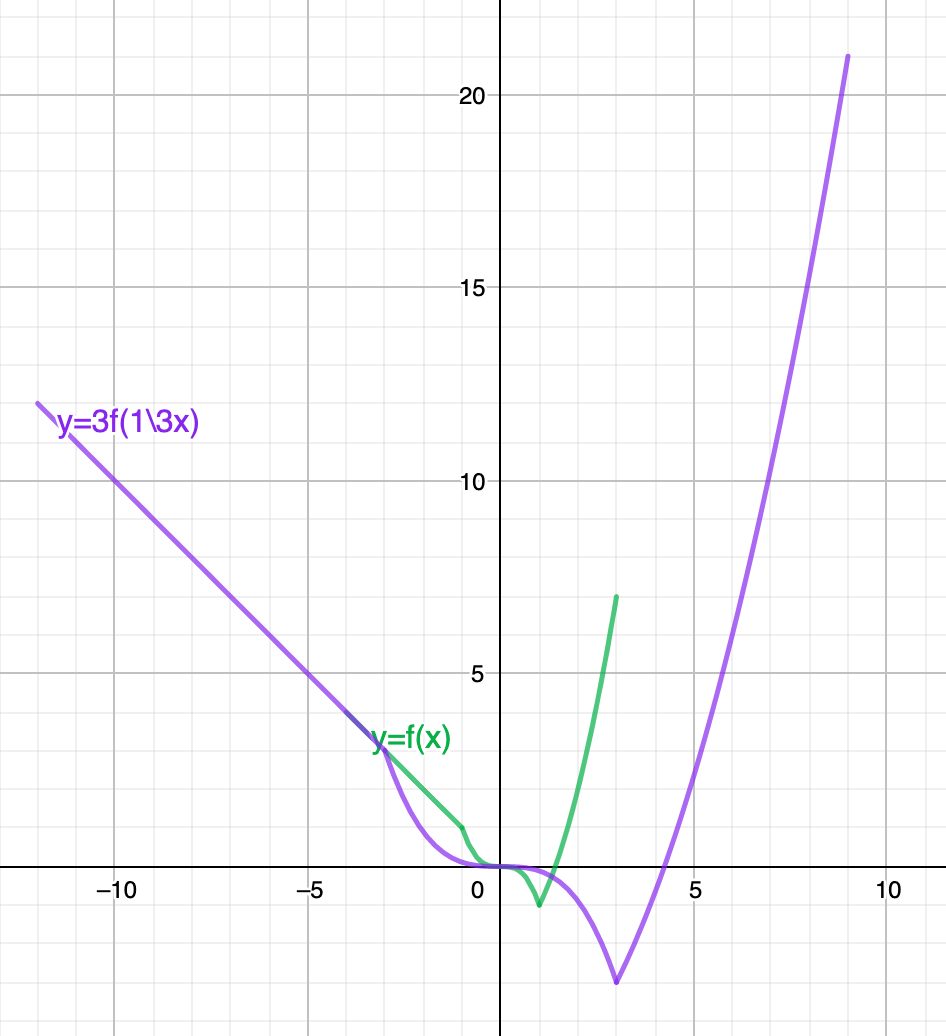
For the function (graphed below), identify the transformation applied to and sketch the graph of the transformed function, stating the domain and range.
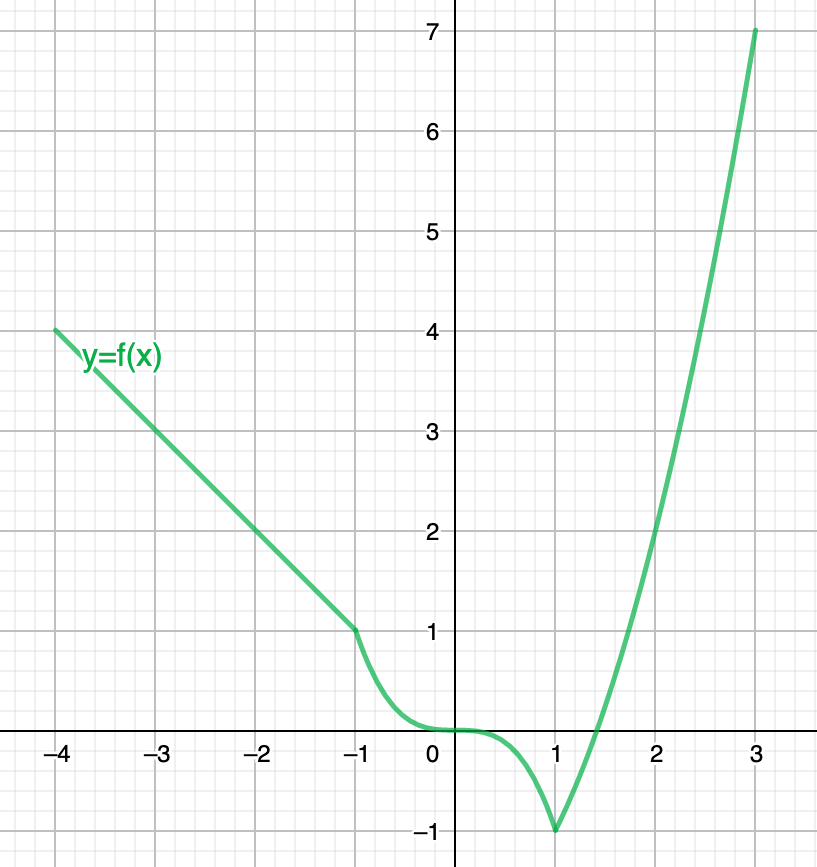
Part A
There is a vertical expansion by a factor of 2 (a = 2)
The table of values for is:
The table of values for is:
Sketch:
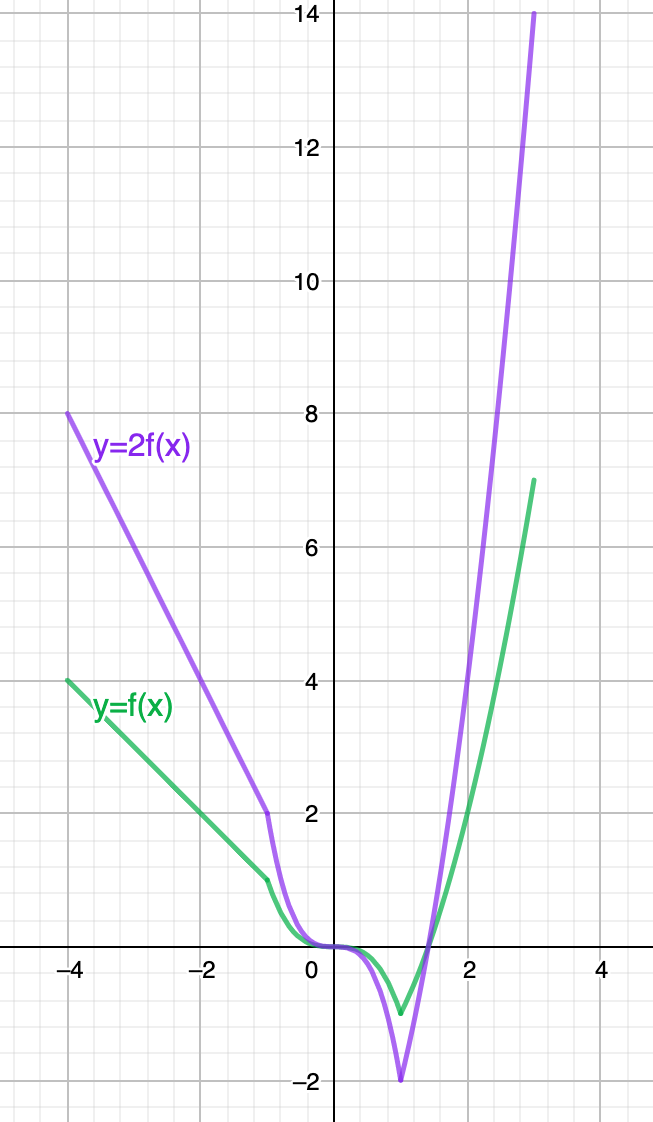
Domain:
Range:
Part B
There is a horizontal compression by a factor of
The table of values for is:
The table of values for is:
Sketch:
Domain:
Range:
Part C
There is a:
- Vertical Expansion by a factor of 3
- Horizontal Expansion by a factor of 3
The table of values for is:
The table of values for is:
Sketch:
Domain:
Range:
Example: Vertical & Horizontal Expansions & Compressions
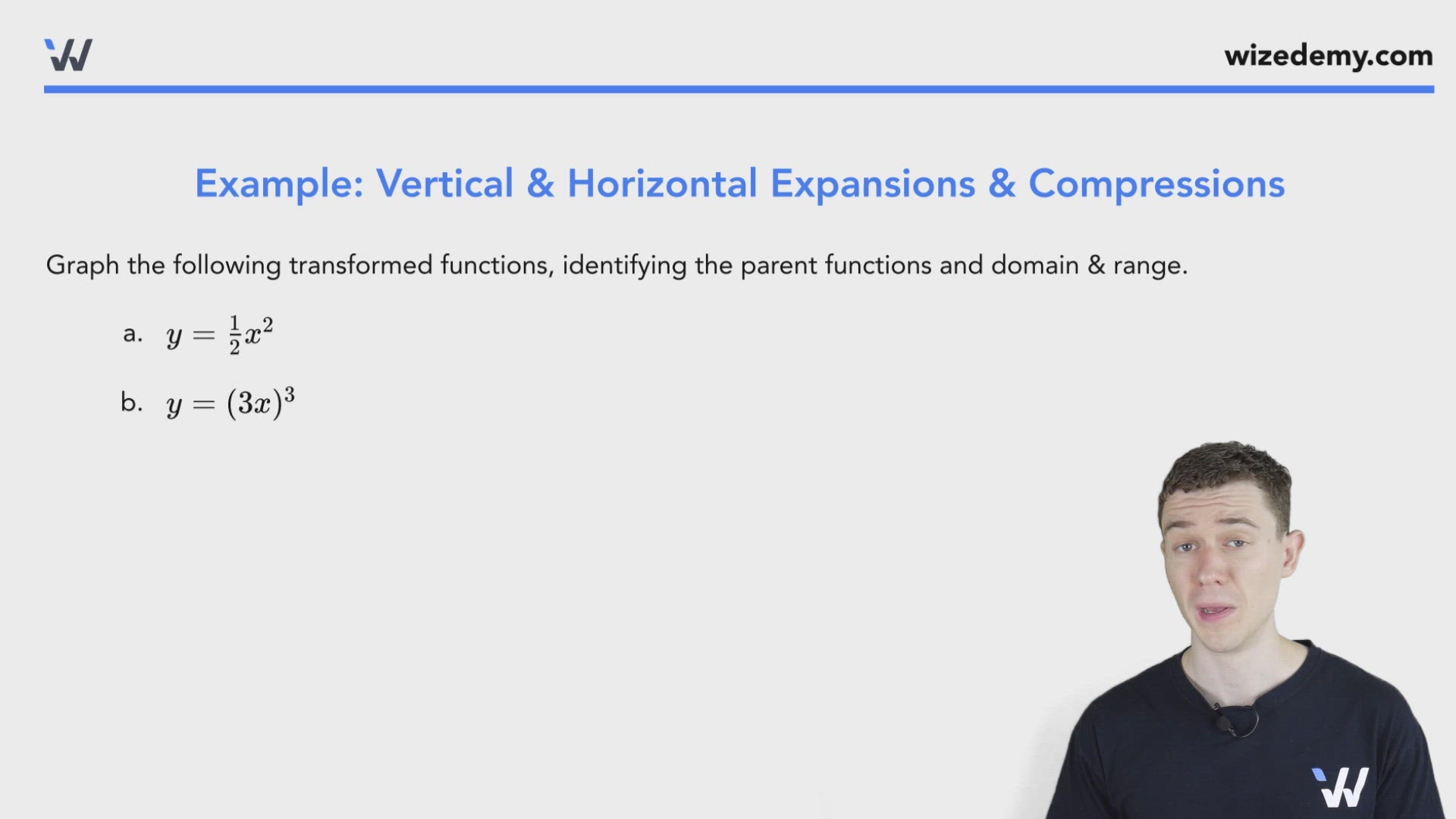
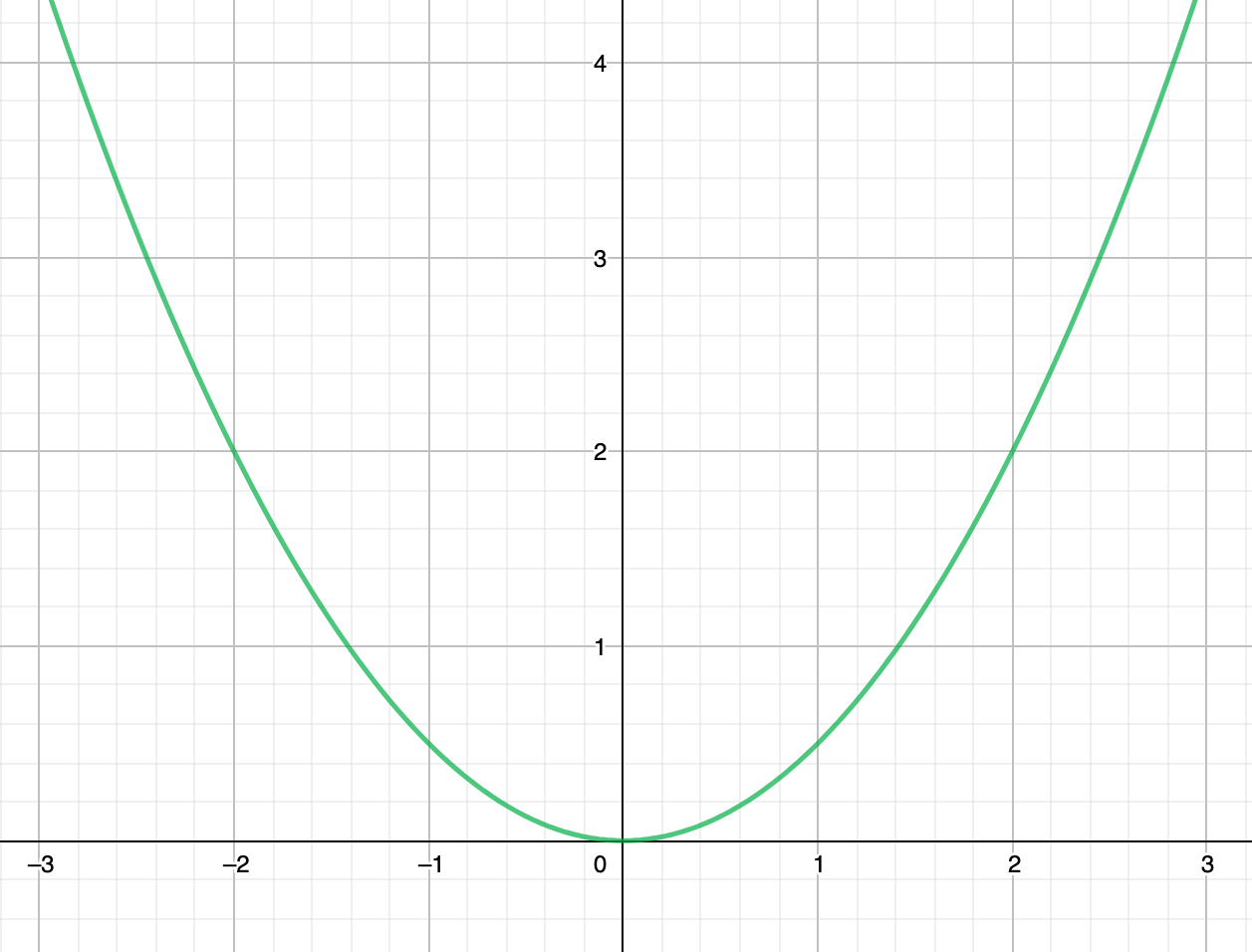
Graph the following transformed functions, identifying the parent functions and domain & range.
Part A
Parent Function:
Table of values for parent function:
Table of values for transformed function:
Sketch:
Domain:
Range:
Part B
Parent Function:
Table of values for parent function:
Table of values for transformed function:
Sketch:
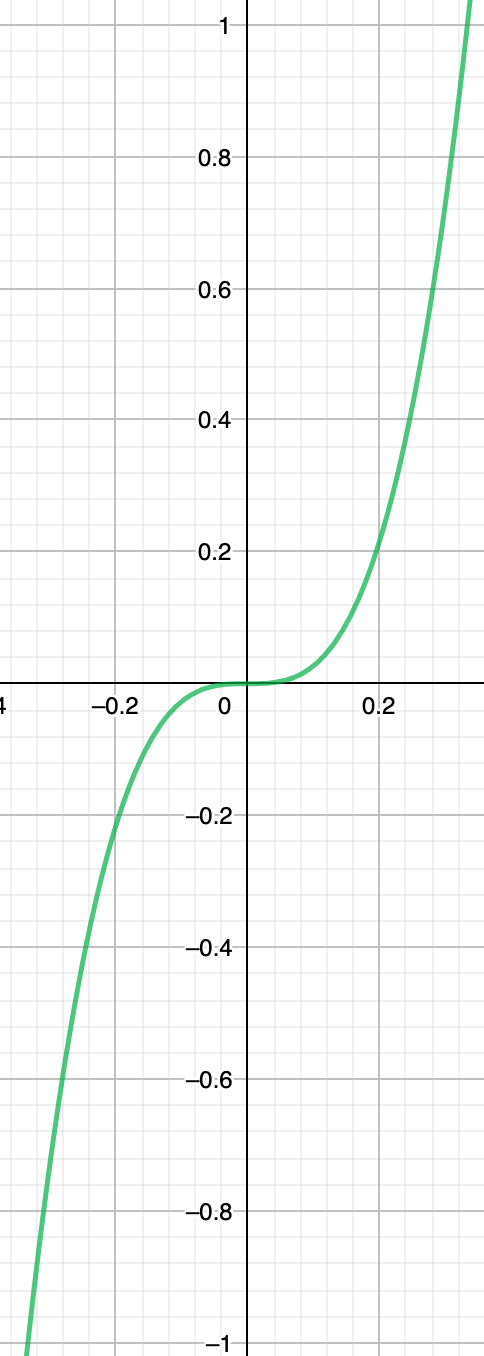
Domain:
Range: