
Exploring Perfect Squares
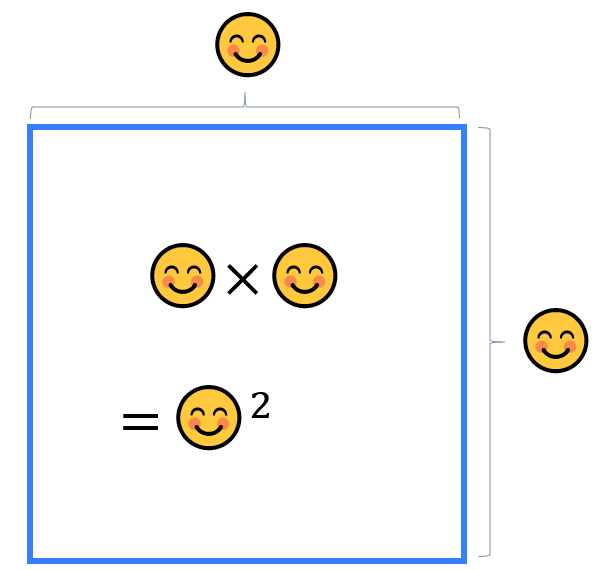
We call a number a perfect square if it is the square of a number.
Examples
- is a perfect square because
- is a perfect square because
- is a perfect square because ...
How about for Algebraic Expressions?
We call an algebraic expression a perfect square if it can be written as the square of another expression.
Example
is a perfect square. This expands and simplifies to
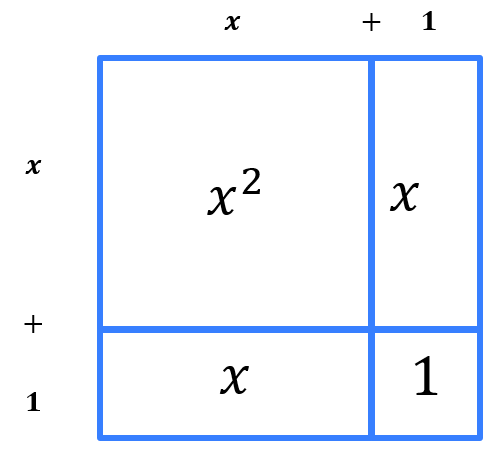
Creating Perfect Squares
How do we turn into a perfect square?
1. Let's represent this using algebra tiles
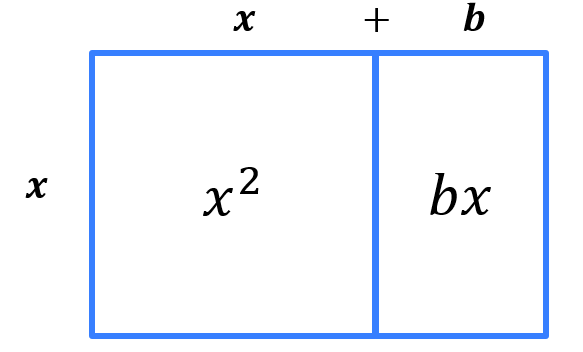
2. Cut the in half
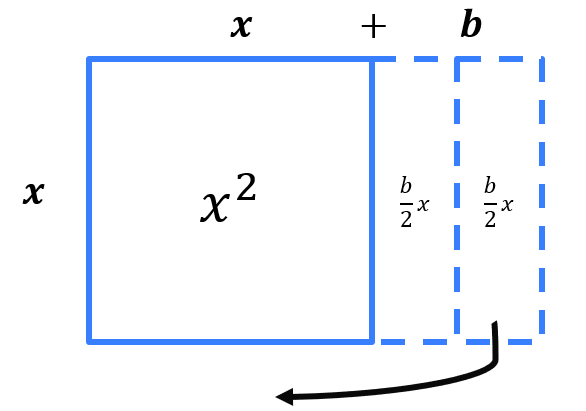
3. Rearrange your tiles so you get a square with side lengths :
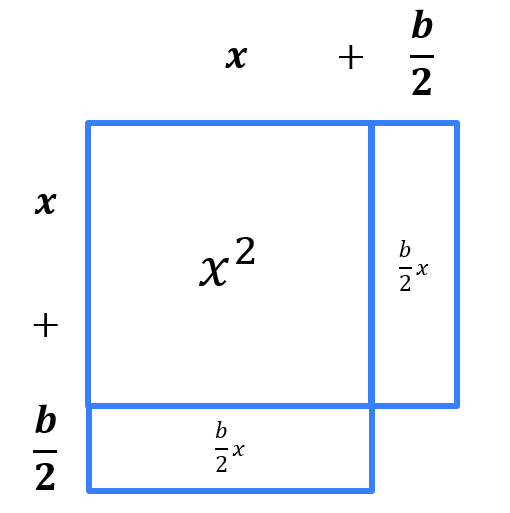
4. FIll in the missing piece with
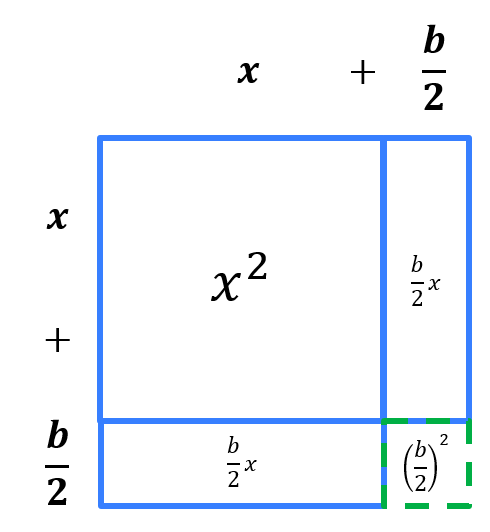
So, we get the perfect square
Example: Perfect Squares
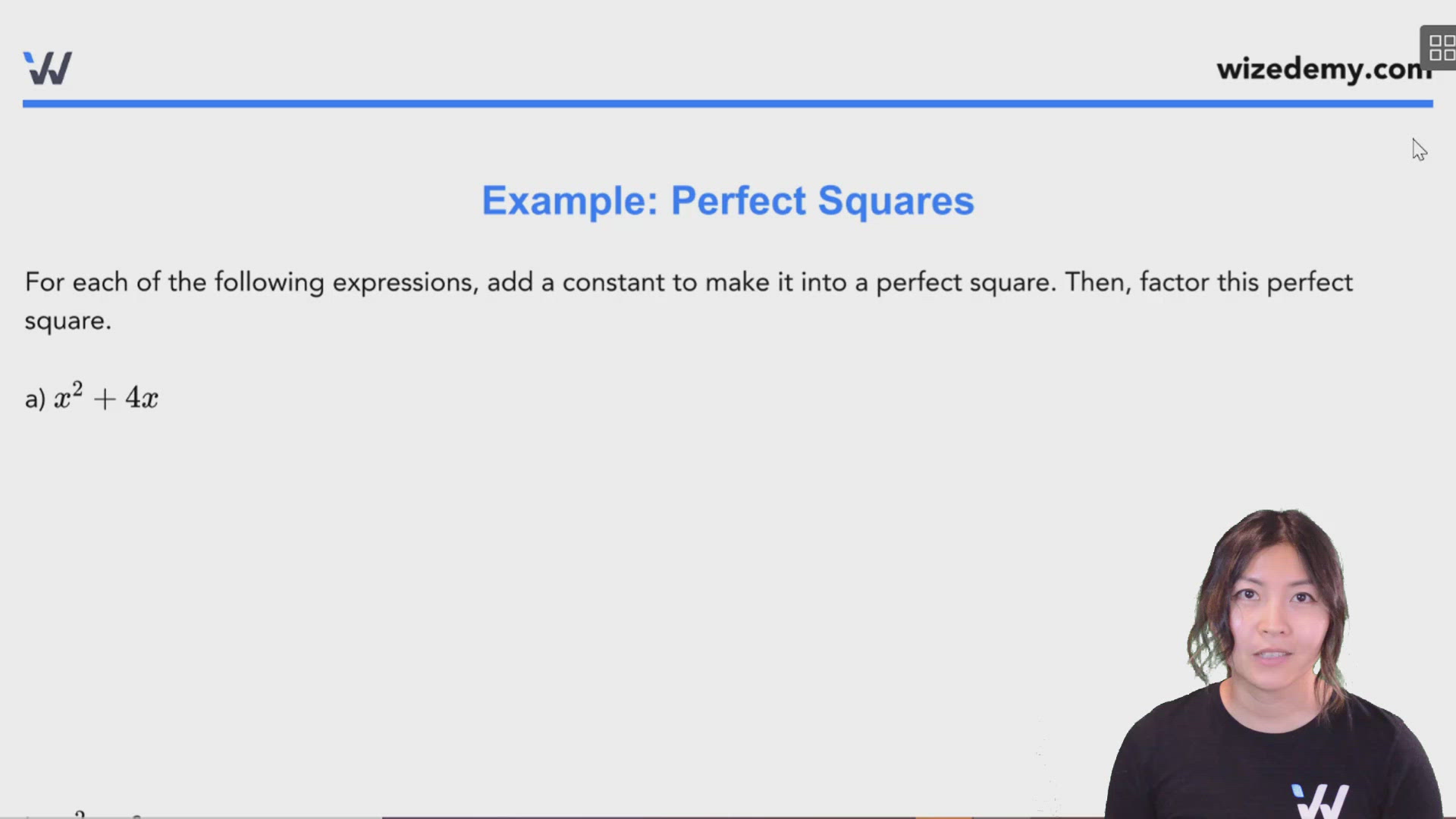
For each of the following expressions, add a constant to make it into a perfect square. Then, factor this perfect square.
a)
The value here is , so we can add which is to make this a perfect square .
We can then rewrite this as the perfect square , which simplifies to .
b)
The value here is , so we can add which is to make this a perfect square .
We can then rewrite this as the perfect square , which simplifies to .
c)
The value here is , so we can add which is to make this a perfect square .
We can then rewrite this as the perfect square .