Wize High School Grade 12 Pre-Calculus Textbook > Rational Functions
Reciprocal Functions
Popular Courses
Grade 12 Advanced Functions
Ontario High School
Grade 12 Pre-Calculus/Functions
Canada High School
Math 30-1
Alberta High School
Pre-Calculus 12
British Columbia High School
MATH 1LS3
McMaster University
MTH 103
Michigan State University
MATH 22
Pennsylvania State University
MAC 1140
University of Florida
MATH 41
Pennsylvania State University
MATH 150
Texas A&M University
MAT 170
Arizona State University - Tempe
MAC 1105
Florida State University
MAT 012
University of California - Davis
MTH 103A
Michigan State University
MTH 116
Michigan State University
MAC 1147
University of Florida
MATH 140
San Diego State University
MATH 2312
University of Houston
MA 15300
Purdue University
MAC 1140C
University of Central Florida
0:00 / 0:00
Reciprocal Functions
Let be a continuous polynomial function. The reciprocal function of is:
with a vertical asymptote at and a horizontal asymptote at
Vertical asymptotes are imaginary vertical lines that correspond to the zeros in the denominator of a reciprocal function. The function cannot touch or cross a vertical asymptote.
Horizontal asymptotes are imaginary horizontal lines that indicate the behavior of the function as . The function can touch or cross a horizontal asymptote.
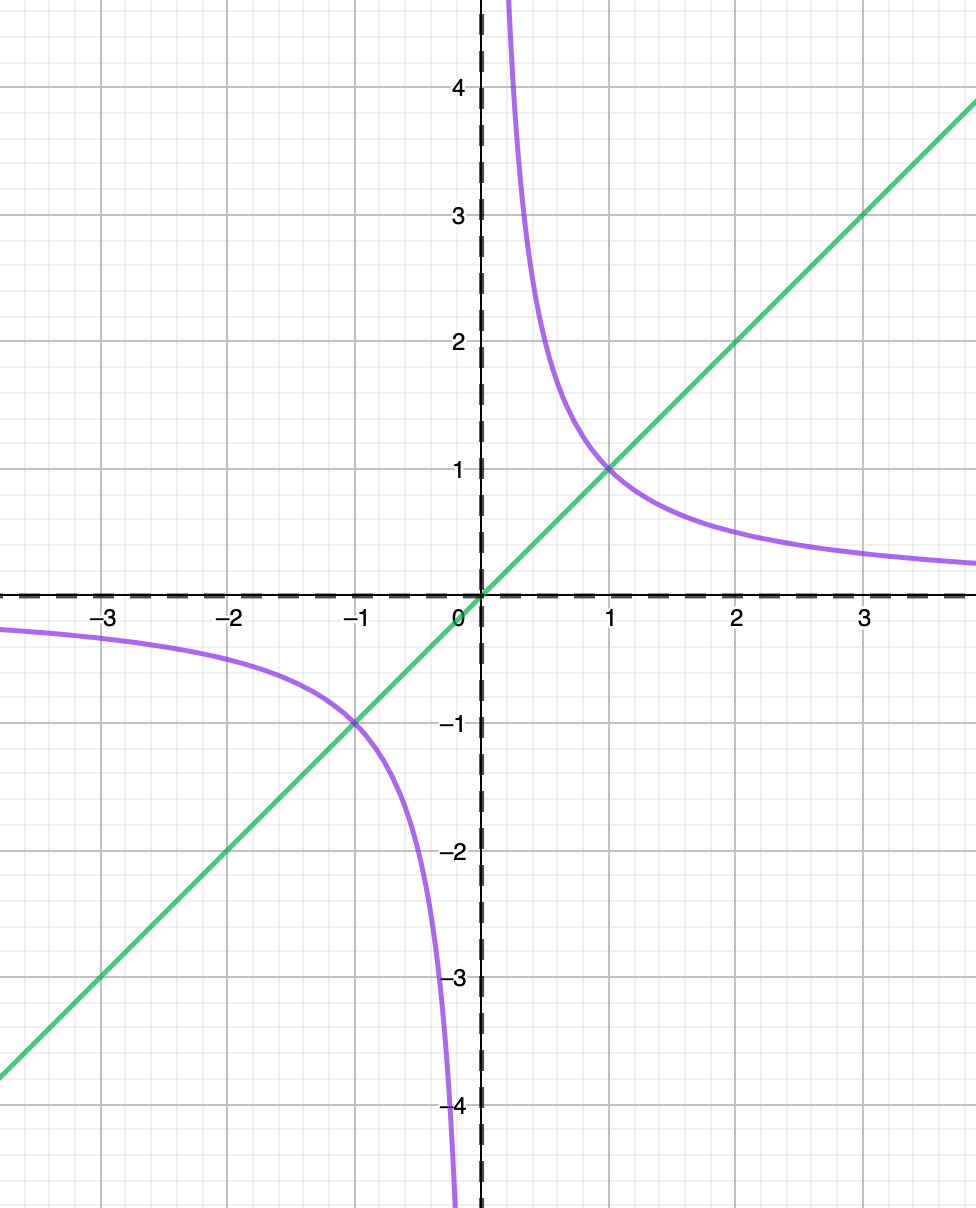
The Relationship Between :
Let's look at on the same grid.

0:00 / 0:00
Graphing Reciprocal Functions
If given , the following are steps are provided to illustrate how to graph :
- Sketch , stating the domain and range.
- Identify the x-intercepts on
- Identify the points of intersection between and (critical points)
- Turn the x-intercepts into vertical asymptotes & draw the vertical asymptotes (dotted lines)
- Draw the horizontal asymptote (dotted lines)
- Start from the critical points and draw the graph towards the asymptotes.
Example 1
Graph
Step 1.
Sketch stating the domain and range
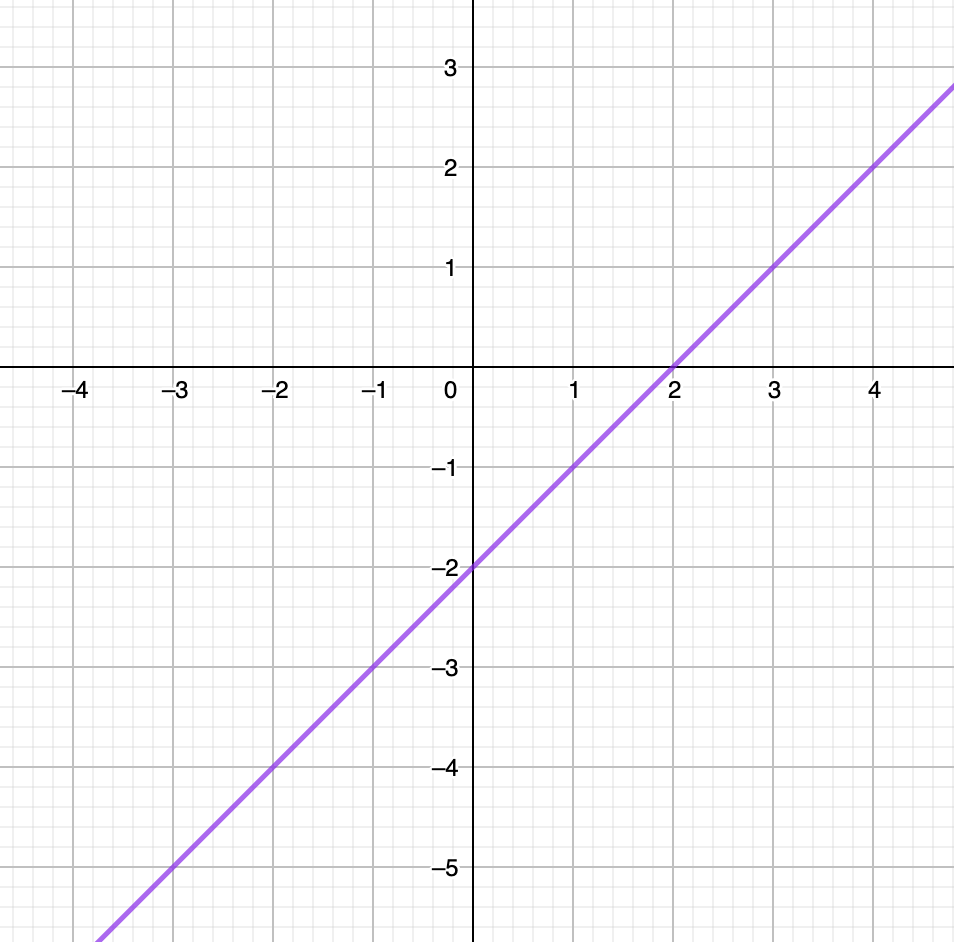
Domain:
Range:
Step 2.
Identify the x-intercepts on
The x-intercept is at
Step 3.
Identify the points of intersection between and (critical points)
The points of intersection are
Step 4.
Turn the x-intercepts into vertical asymptotes & draw the vertical asymptotes
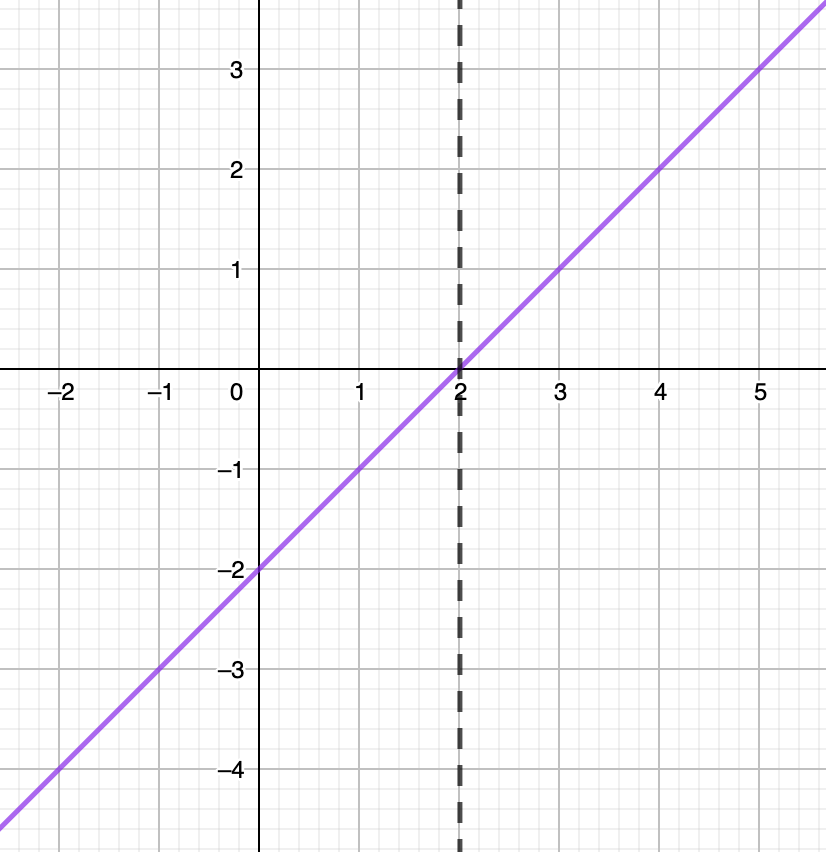
Step 5
Draw the horizontal asymptote
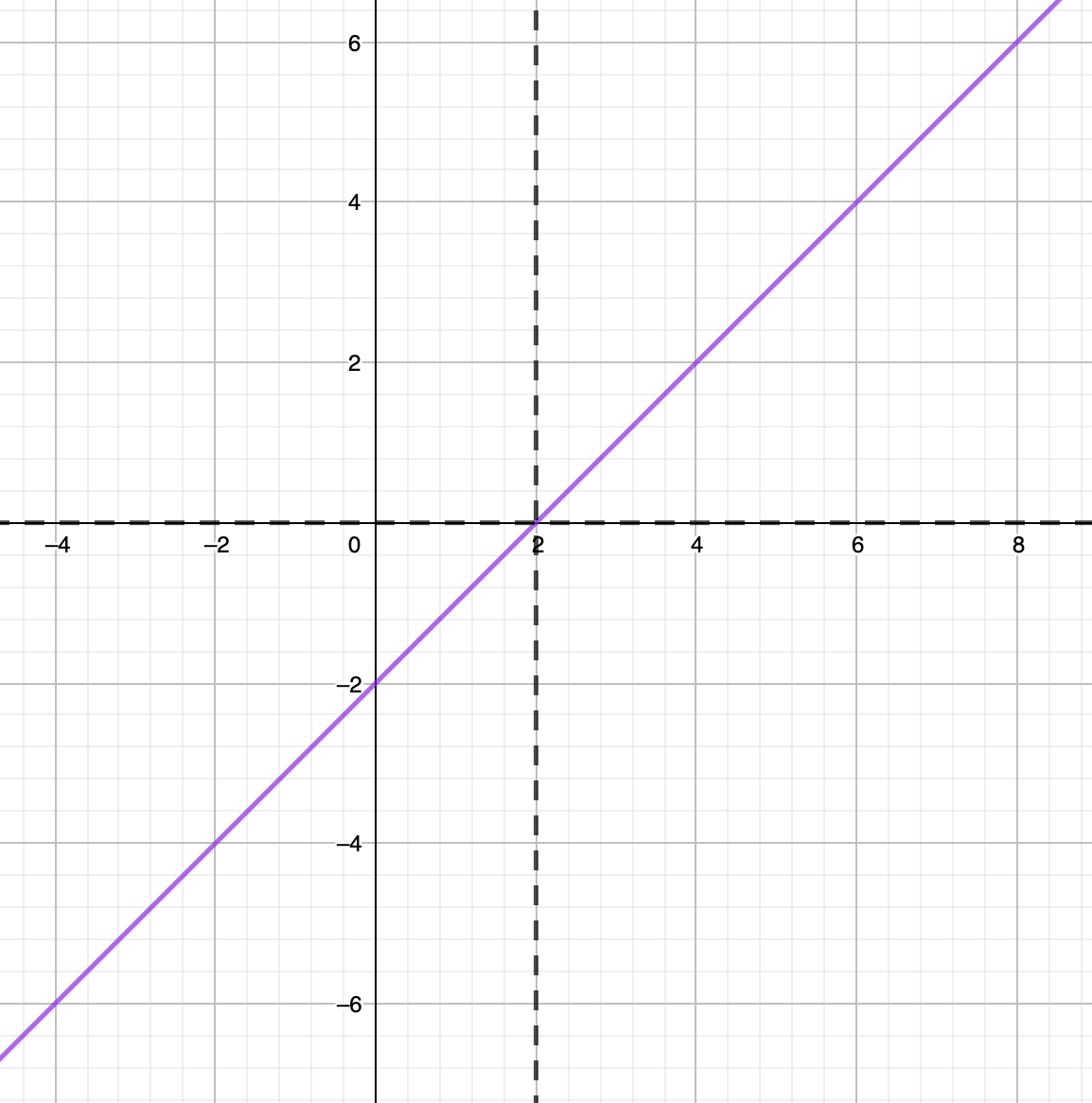
Step 6.
Start from the critical points and draw the graph towards the asymptotes.
The end behaviour of :
The end behaviour of is:
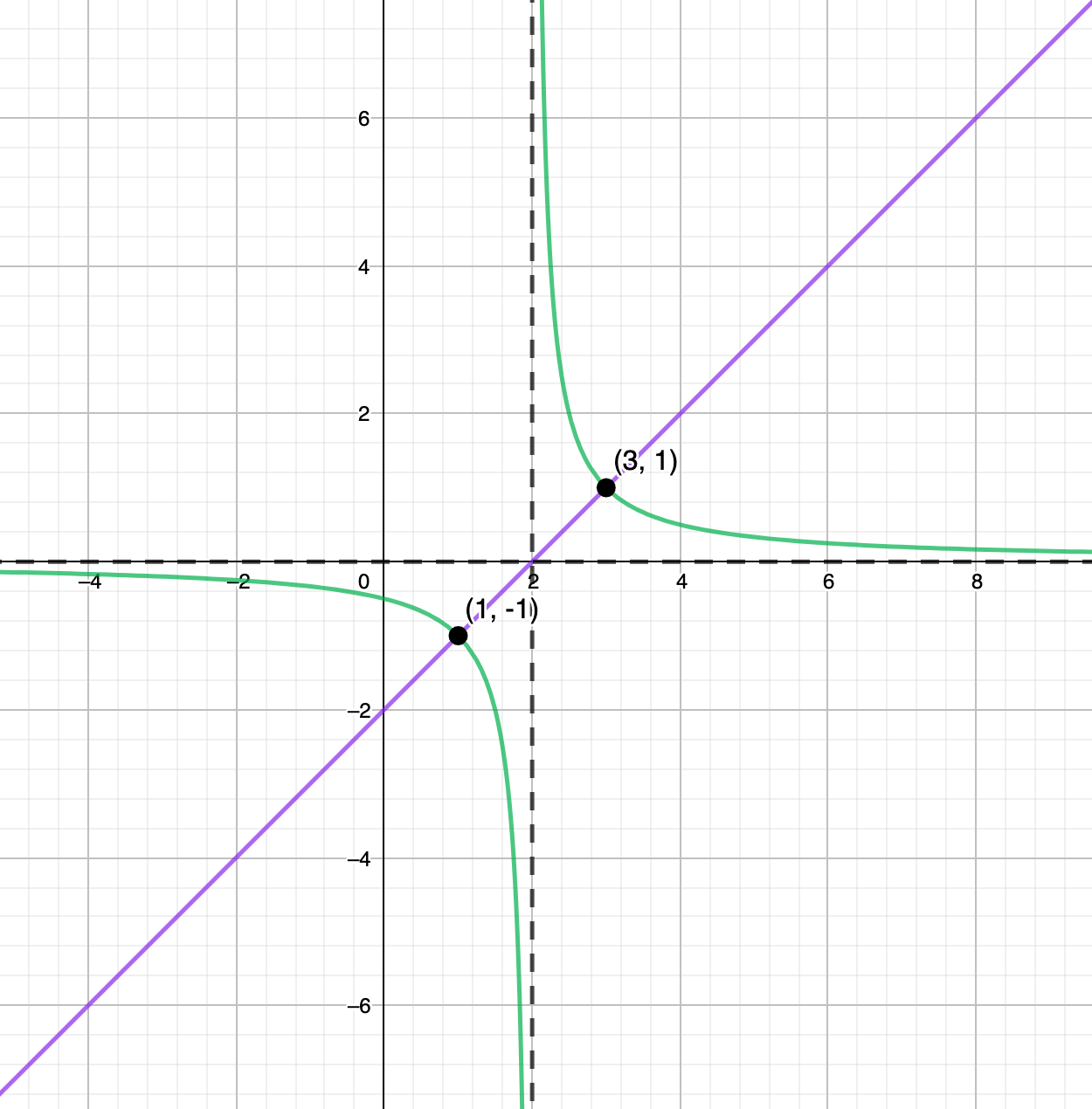
Example 2
Graph
Step 1.
Sketch , stating the domain and range.
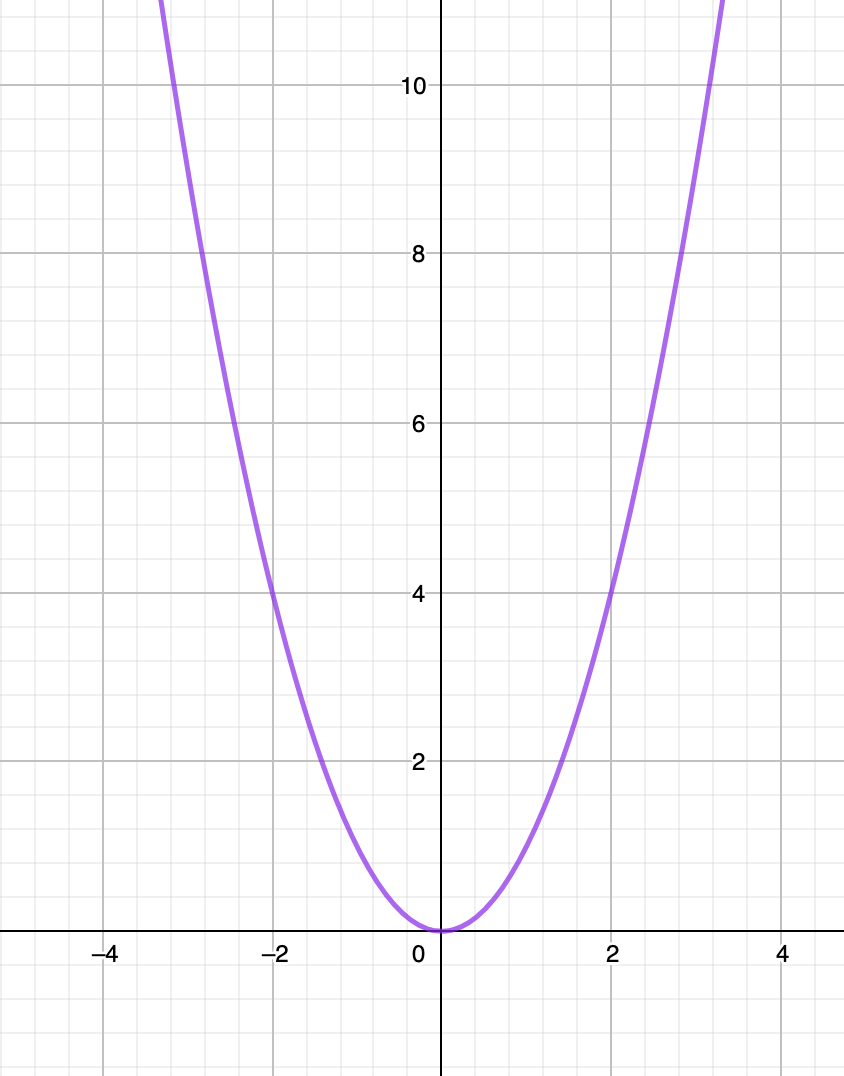
Domain:
Range:
Step 2.
Identify the x-intercepts on
The x-intercept is at
Step 3.
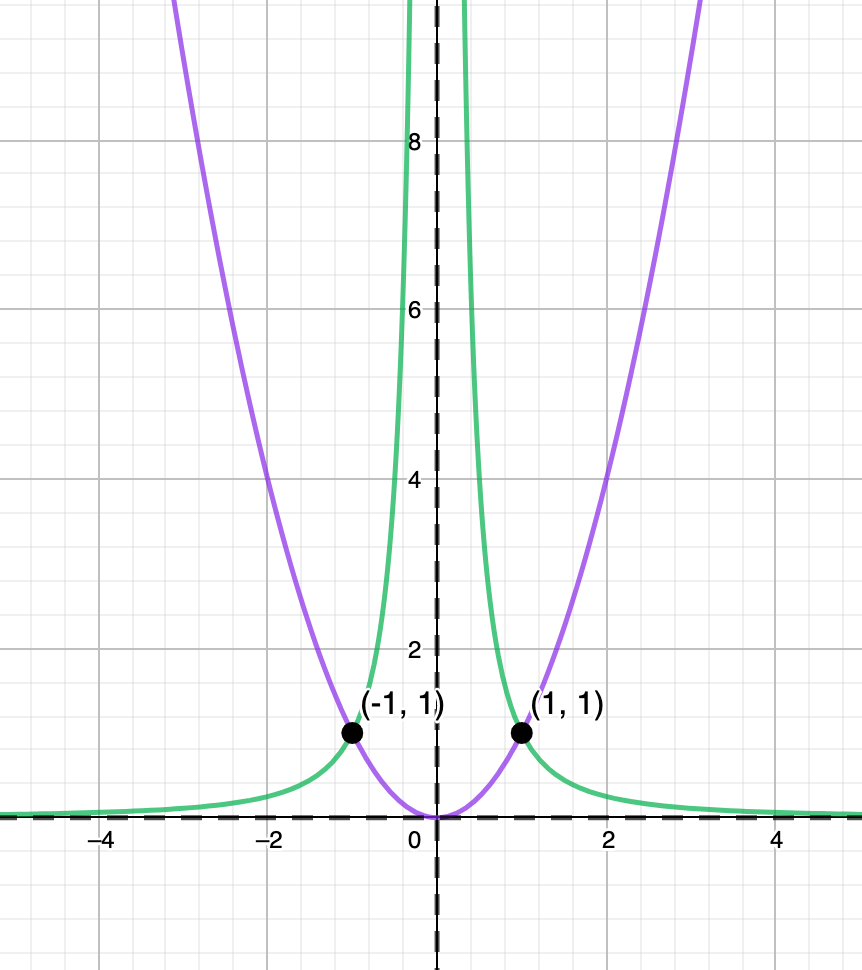
Identify the points of intersection between and (critical points)
The points of intersection are
Step 4.
Turn the x-intercepts into vertical asymptotes & draw the vertical asymptotes
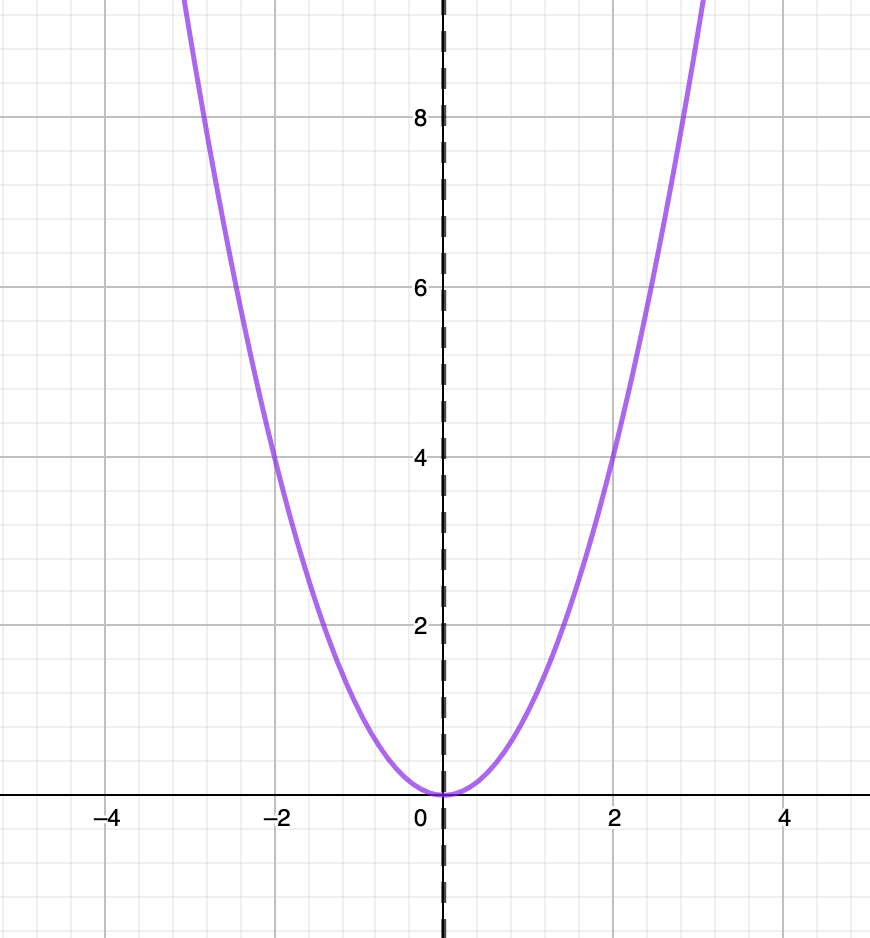
Step 5
Draw the horizontal asymptote
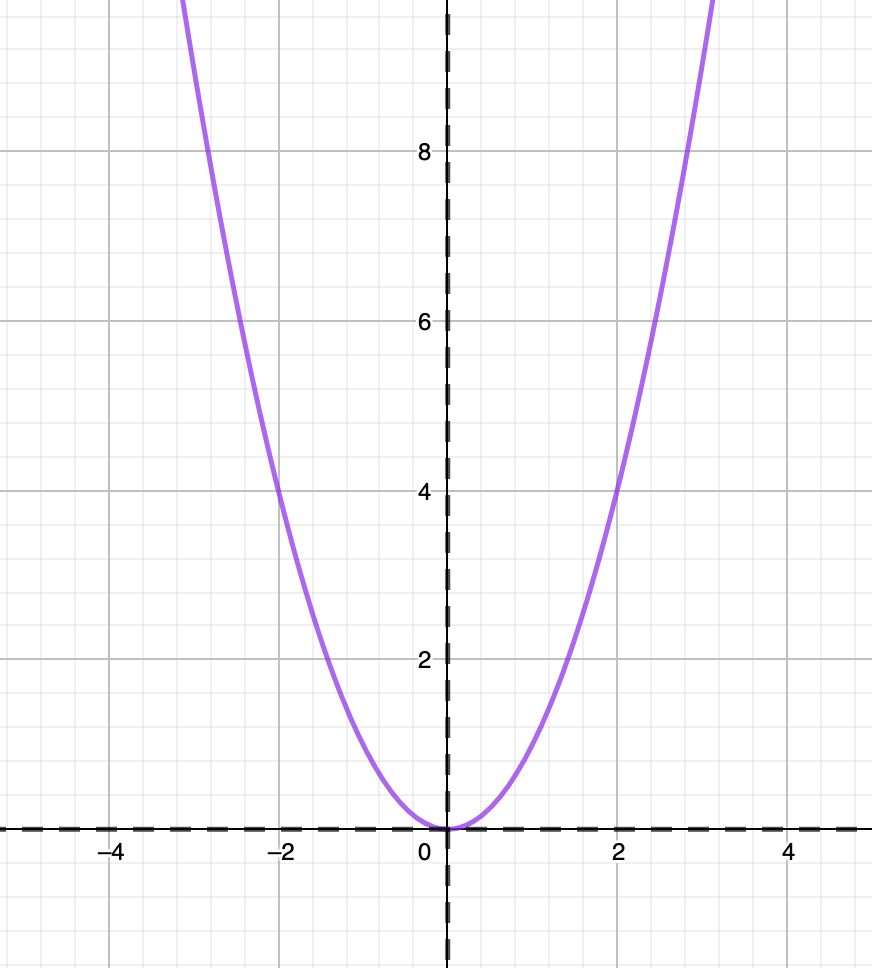
Step 6.
Start from the critical points and draw the graph towards the asymptotes.
The end behaviour of :
The end behaviour of is:
0:00 / 0:00
Example: Graphing Reciprocal of a Linear Function
a) Sketch , identifying the end behaviour & x-intercepts.
b) Use the information from part a) to sketch a graph of the reciprocal function , identifying vertical asymptotes, horizontal asymptotes, & critical points
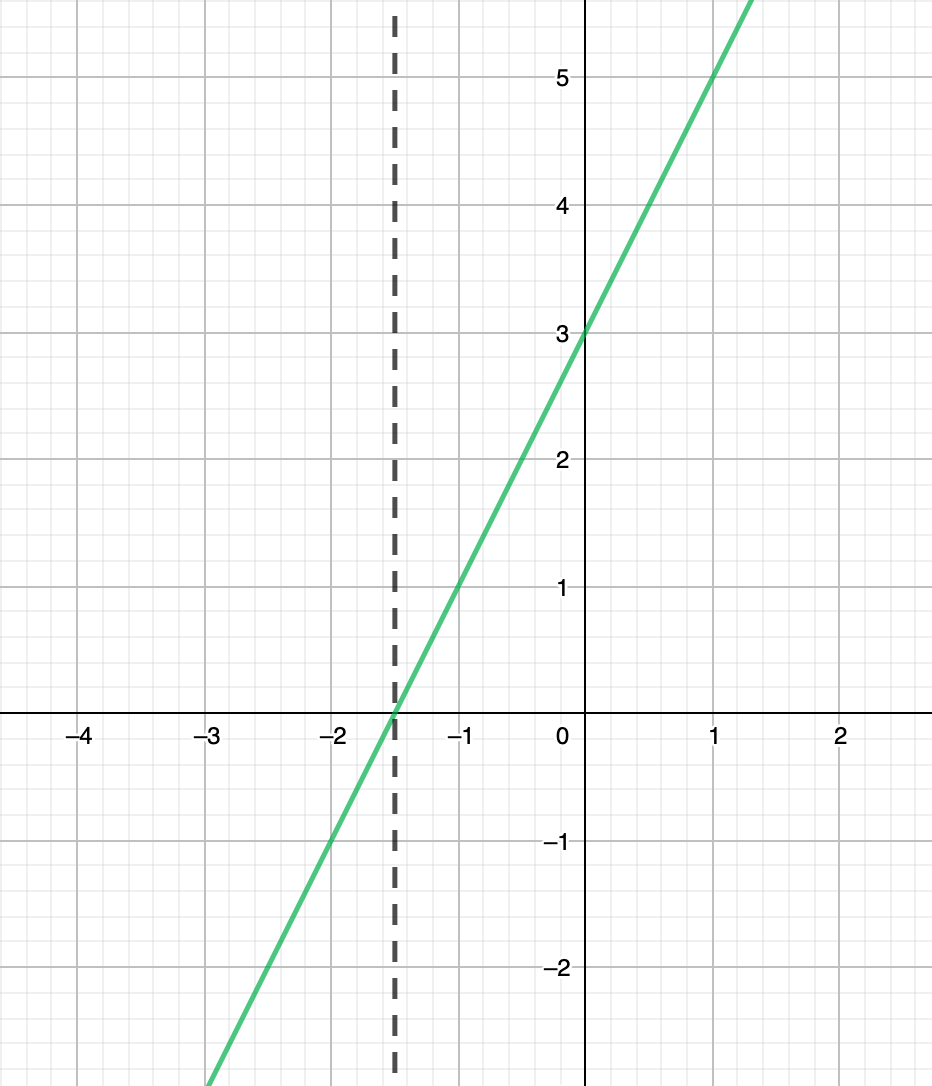
Step 1.
Sketch
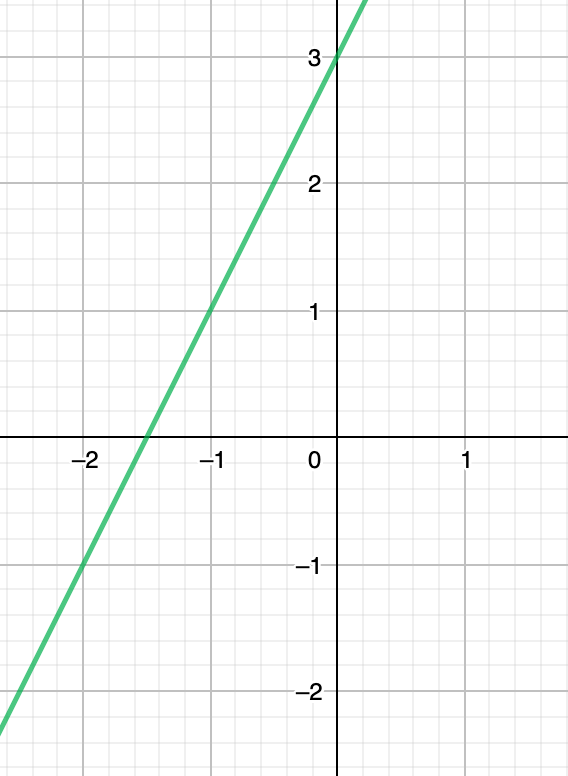
Step 2.
Identify the x-intercepts on
The x-intercept is at
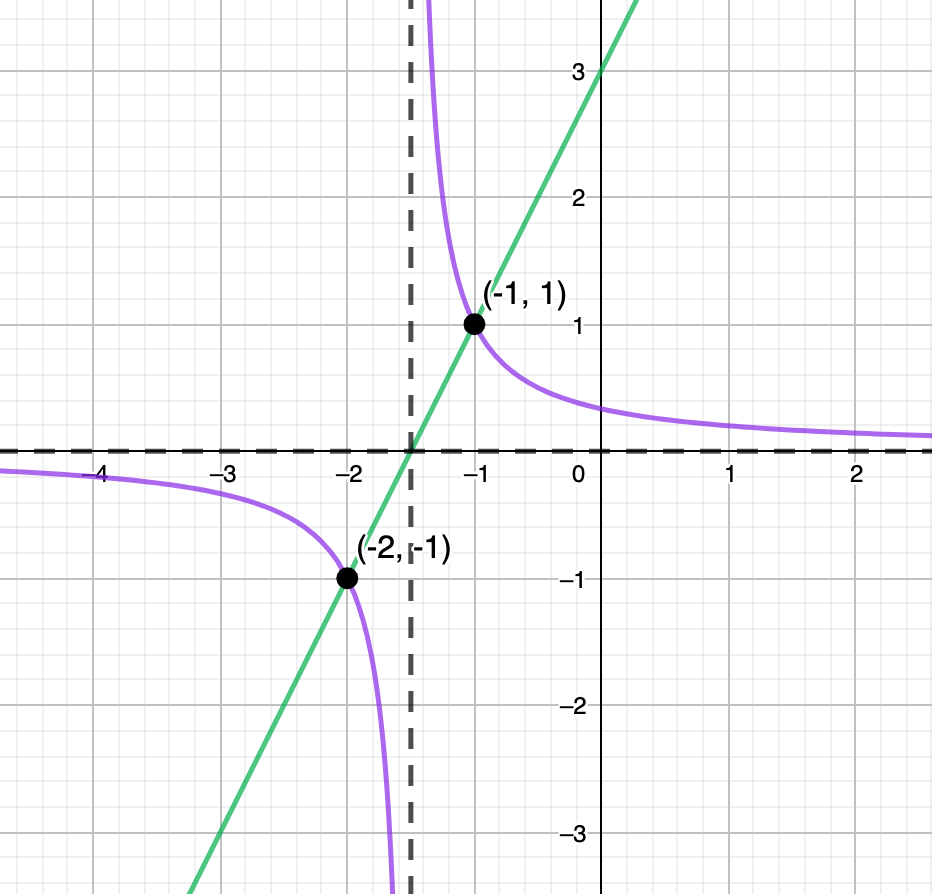
Step 3.
Identify the points of intersection between and (critical points)
The points of intersection are
Step 4.
Turn the x-intercepts into vertical asymptotes & draw the vertical asymptotes
Vertical Asymptote:
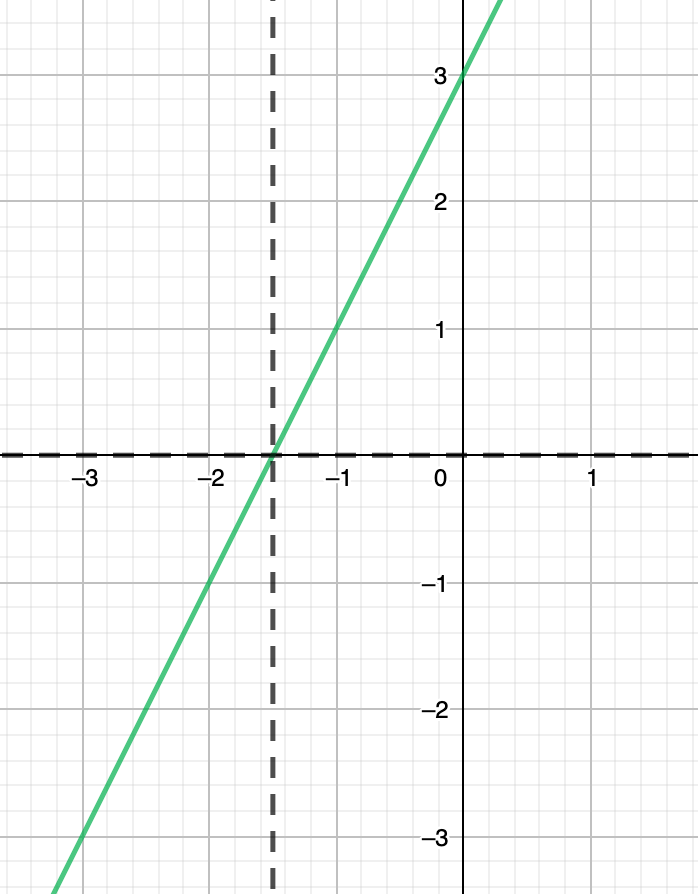
Step 5
Draw the horizontal asymptote y = 0
Step 6.
Start from the critical points and draw the graph towards the asymptotes.
The end behaviour of :
The end behaviour of is:
0:00 / 0:00
Example: Graphing Reciprocal of a Quadratic Function
a) Sketch , identifying the end behaviour, x-intercepts, y-intercepts, & any minimums and maximums.
b) Use the information from part a) to sketch a graph of the reciprocal function , identifying vertical asymptotes, horizontal asymptotes, minimums/maximums, & critical points
Step 1.
Sketch
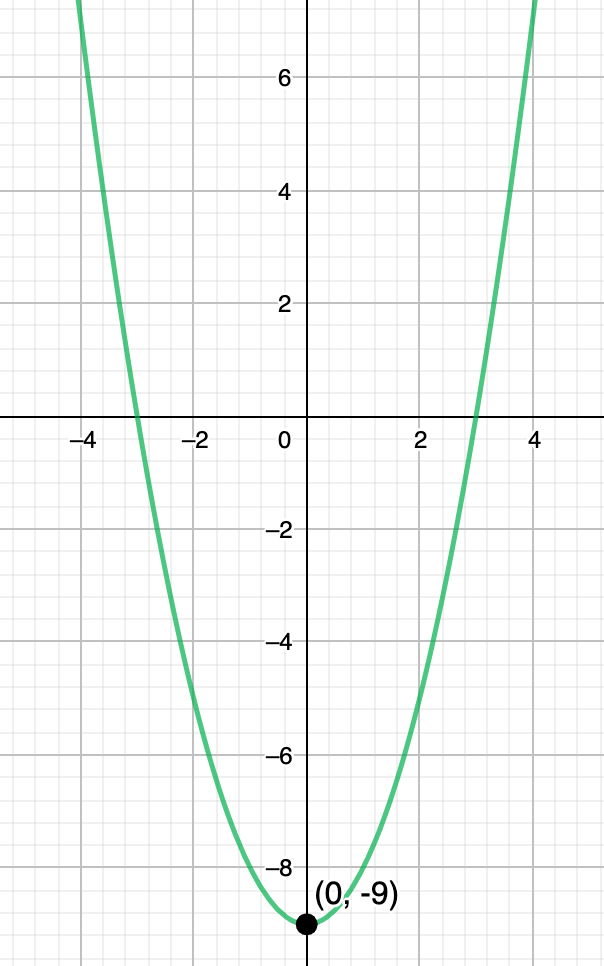
Step 2.
Identify the x-intercepts, y-intercepts, & min/max on
The x-intercept is at
The y-intercept is at
The minimum is at
Step 3.
Identify the points of intersection between and (critical points)
The points of intersection are
Step 4.
Turn the x-intercepts into vertical asymptotes & draw the vertical asymptotes
Vertical Asymptotes:
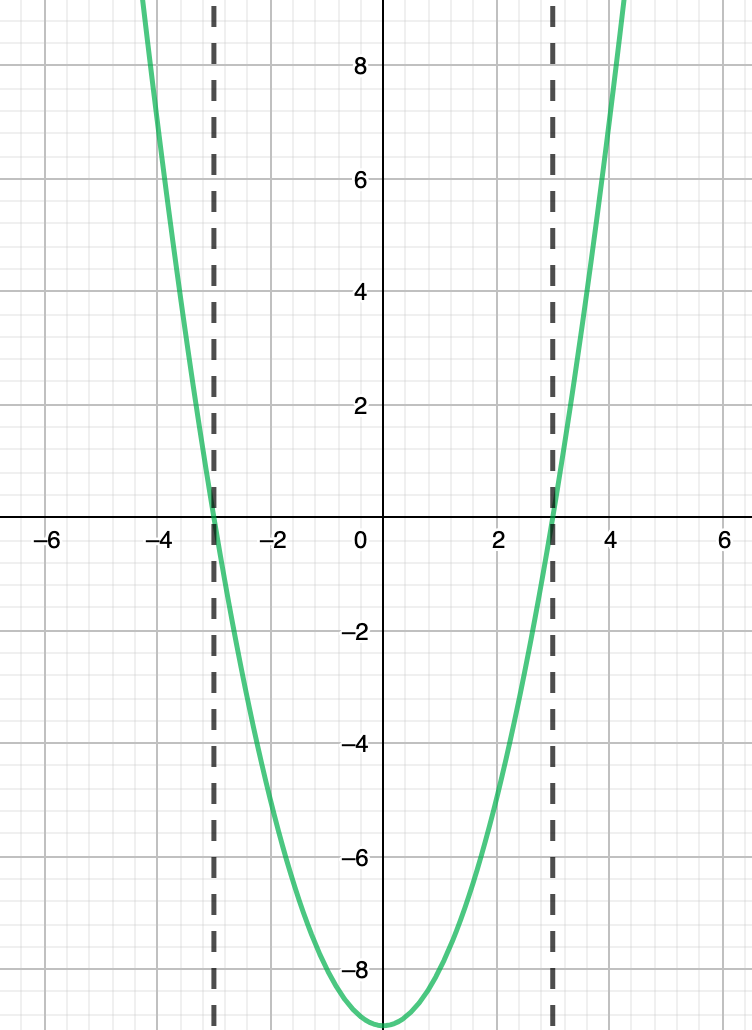
Step 5
Draw the horizontal asymptote y = 0
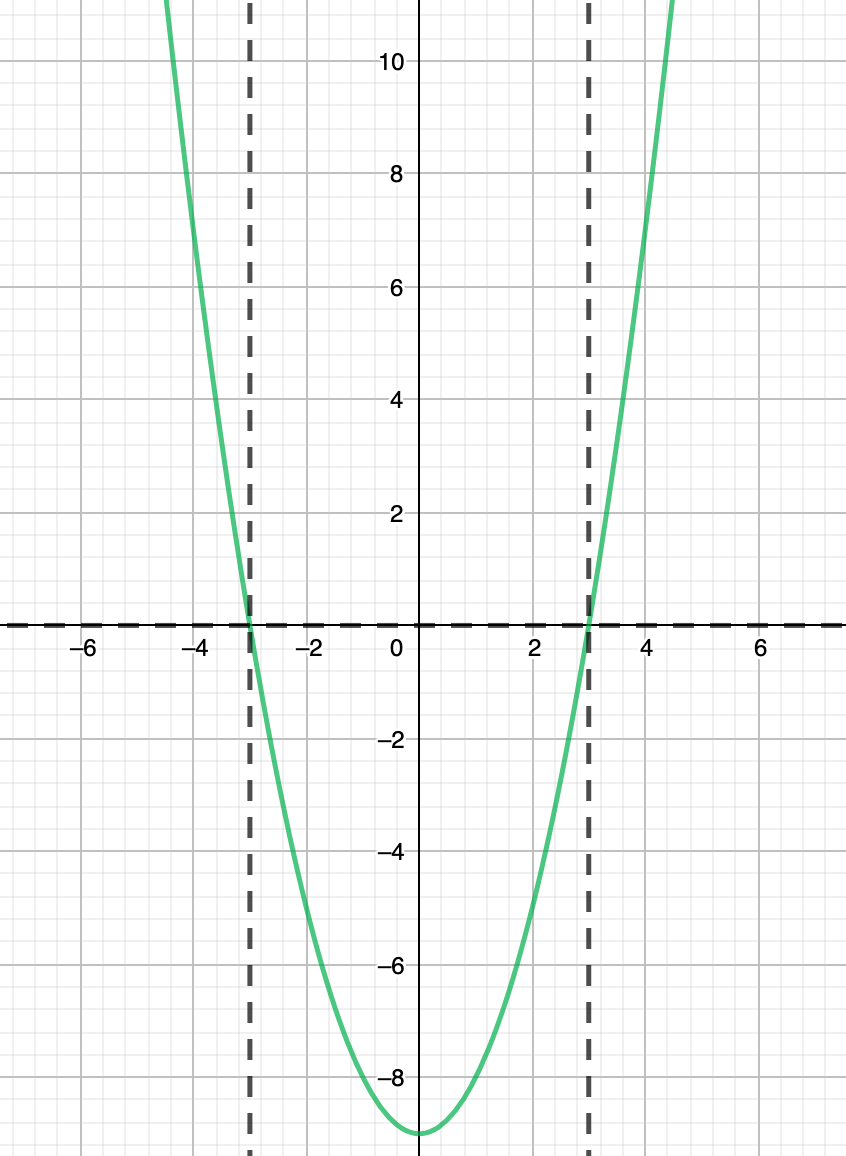
Step 6.
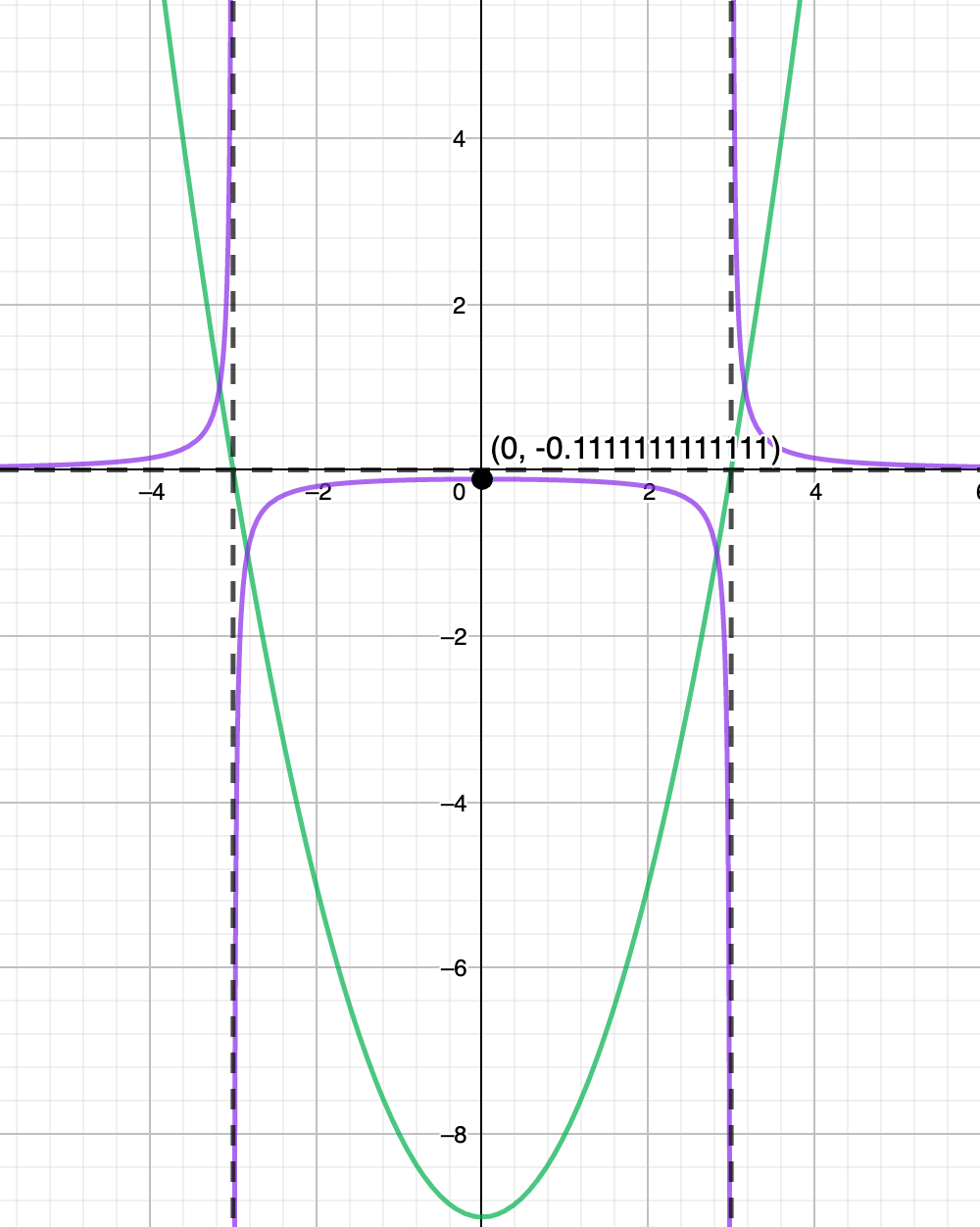
Start from the critical points and draw the graph towards the asymptotes.
The minimum turns into a maximum
The end behaviour of :
The end behaviour of is:
0:00 / 0:00
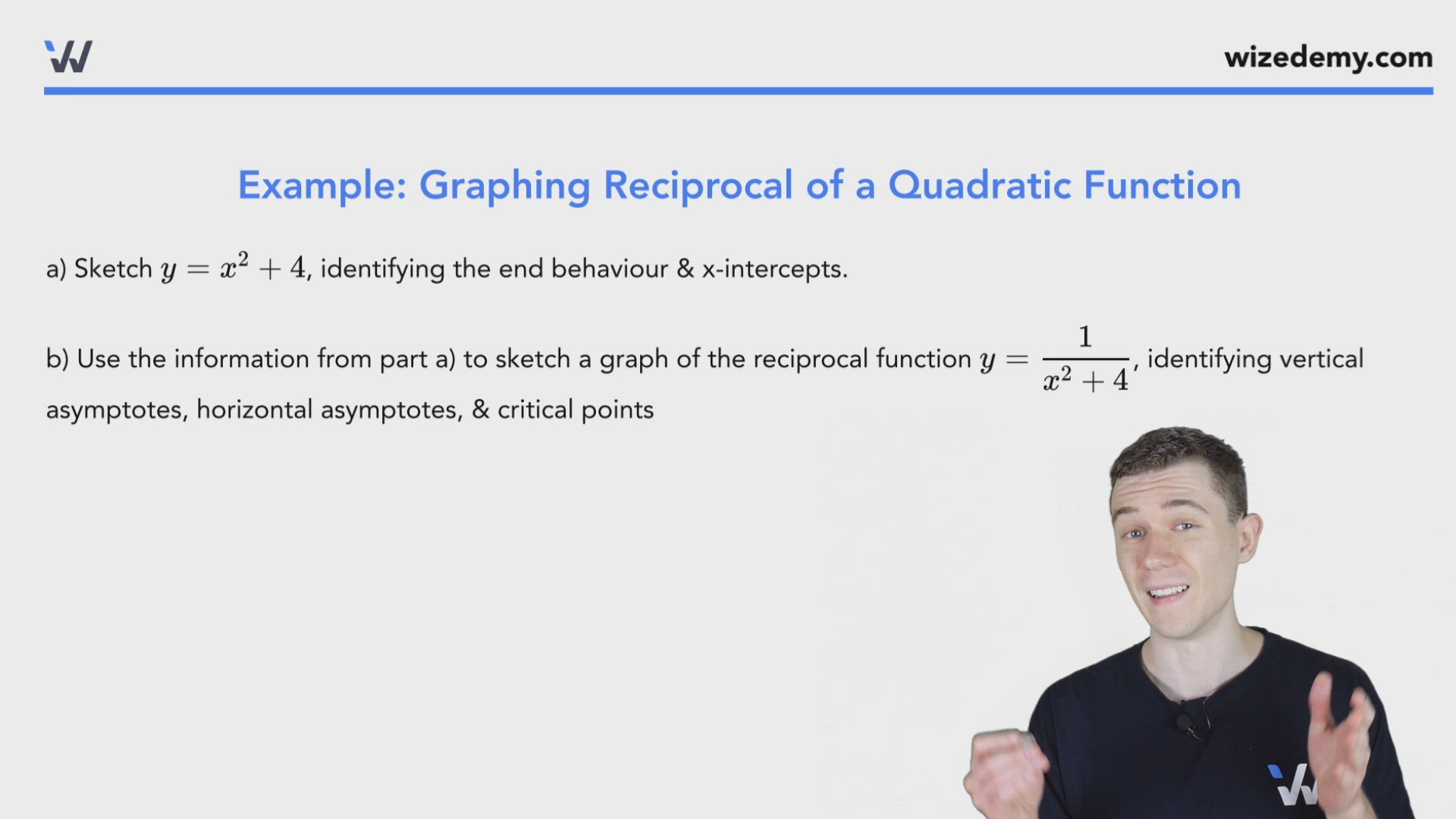
Example: Graphing Reciprocal of a Quadratic Function
a) Sketch , identifying the end behaviour & x-intercepts.
b) Use the information from part a) to sketch a graph of the reciprocal function , identifying vertical asymptotes, horizontal asymptotes, & critical points
Step 1.
Sketch
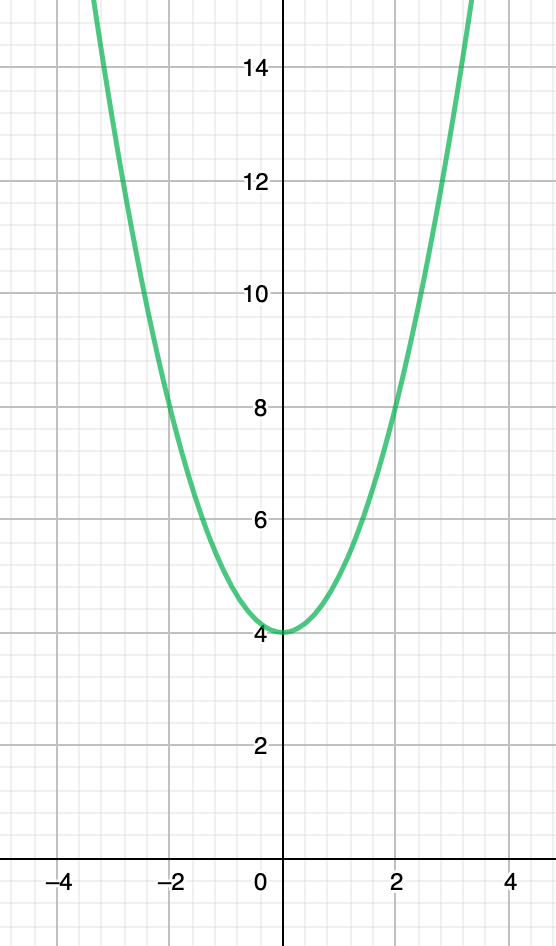
Step 2.
Identify the x-intercepts on
There are no x-intercepts.
Step 3.
Identify the points of intersection between and (critical points)
There are no points of intersection.
Step 4.
Turn the x-intercepts into vertical asymptotes & draw the vertical asymptotes
There are no vertical asymptotes.
Step 5
Draw the horizontal asymptote y = 0
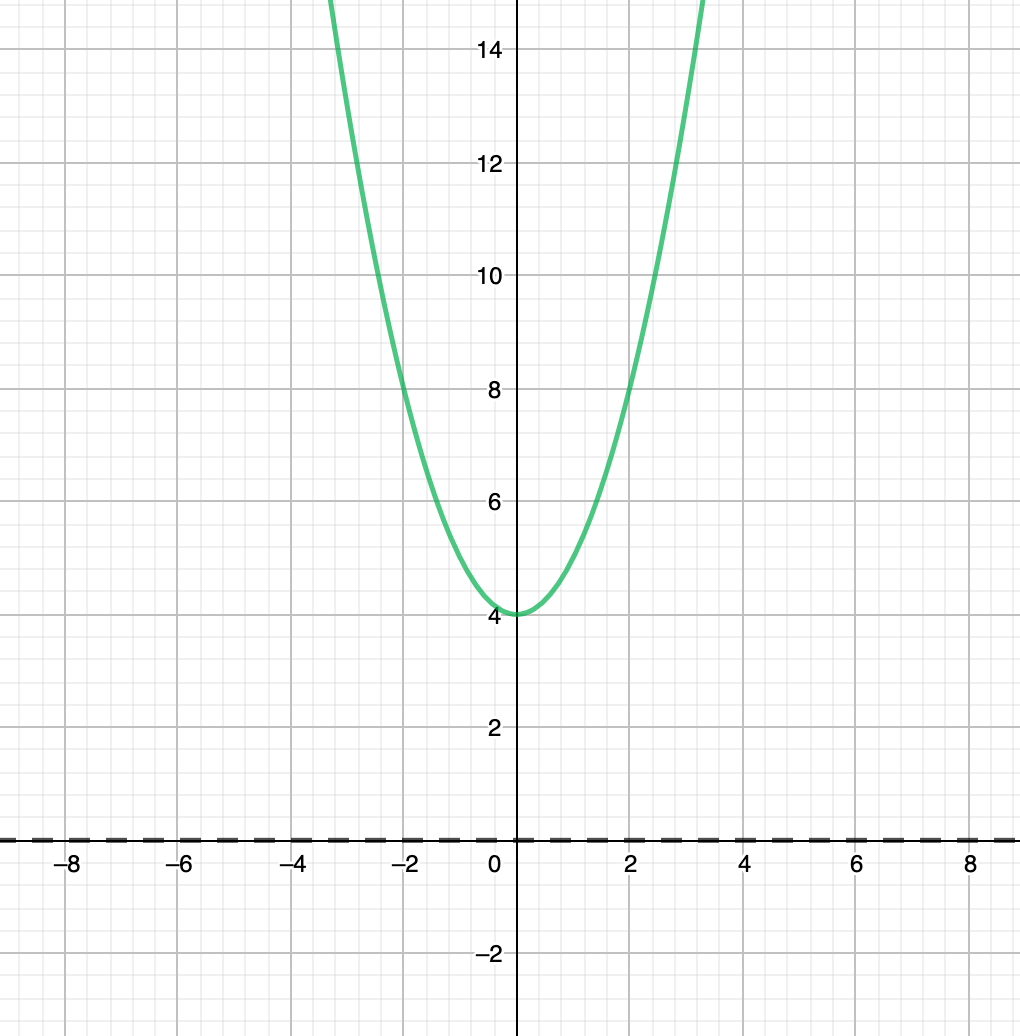
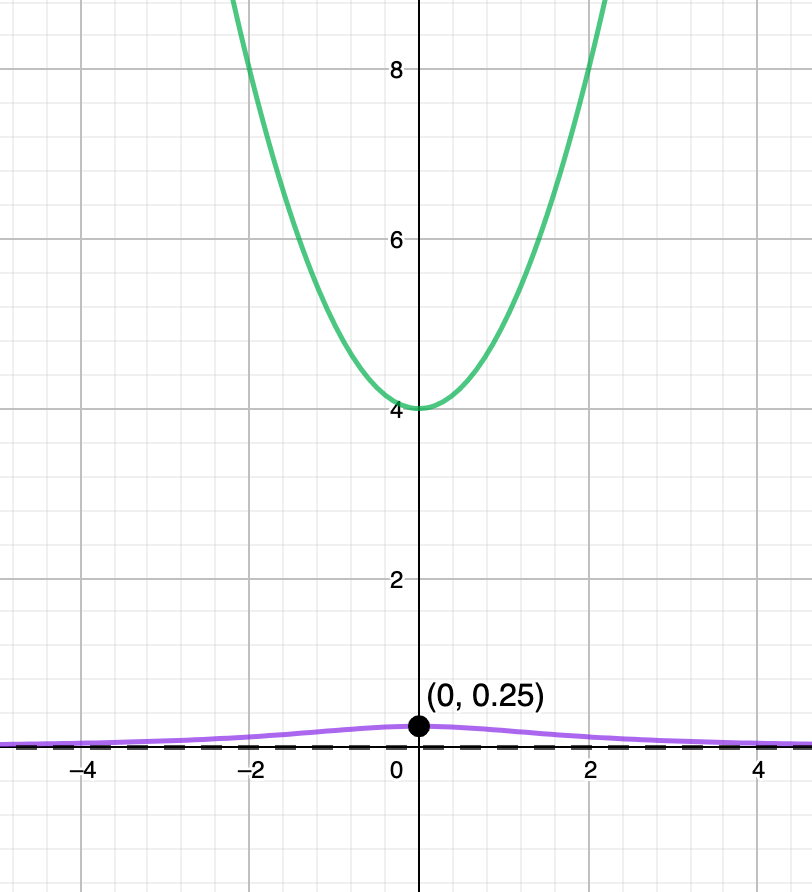
Step 6.
Start from the critical points and draw the graph towards the asymptotes.
The minimum turns into a maximum
The end behaviour of :
The end behaviour of is:
Practice: Graphing Reciprocal Functions
Sketch a graph of the reciprocal of the function below:

Practice: Graphing Reciprocal Functions
Sketch a graph of and it's reciprocal on the same grid, labeling all asymptotes & minimum/maximums points.
Practice: Graphing Reciprocal Functions
Determine the equation for the function graphed below:
