Popular Courses
COMM 217
Concordia University
ACCT 2301
The University of Texas at Dallas
Intro to Financial Accounting
General Course
COMM 293
University of British Columbia
Intro to Financial Accounting
University Study Guides
MGCR 211
McGill University
ACCT*1220
University of Guelph
Intro to Financial Accounting
University Study Guides
ACCT 217
University of Calgary
AP/ADMS 2500 3.00
York University
ACCTG 211
University of Alberta
COMMERCE 1AA3
McMaster University
COMM 111
Queen's University
ADM 1340
University of Ottawa
BU127
Wilfrid Laurier University
ACCT 2301
Houston
ACCT 2301
Houston
RSM219H1
University of Toronto
COMM 1101
Dalhousie University
AFM 101
University of Waterloo

0:00 / 0:00
T-Accounts
A T-account is a very useful tool used in accounting to keep track of all the transactions that affected a certain account type. We use t-accounts to balance accounts, determine what the balance of an account is in order to prepare financial statements and a variety of other reasons.

Characteristics of a T-Account
- Left side: debit; Right side: credit
- Normal beginning and ending balances should be placed on the "natural" side of the account.
- Debit for: assets and expenses
- Credit for: liabilities, shareholders' equity and revenues
- When a journal entry is written, the amounts in the entry are also placed in the T-accounts.

Watch Out!
It is possible for accounts to have abnormal beginning or ending balances, in this case the balance would be placed on the opposite side of what is "natural" for account. Note: this is very rare!
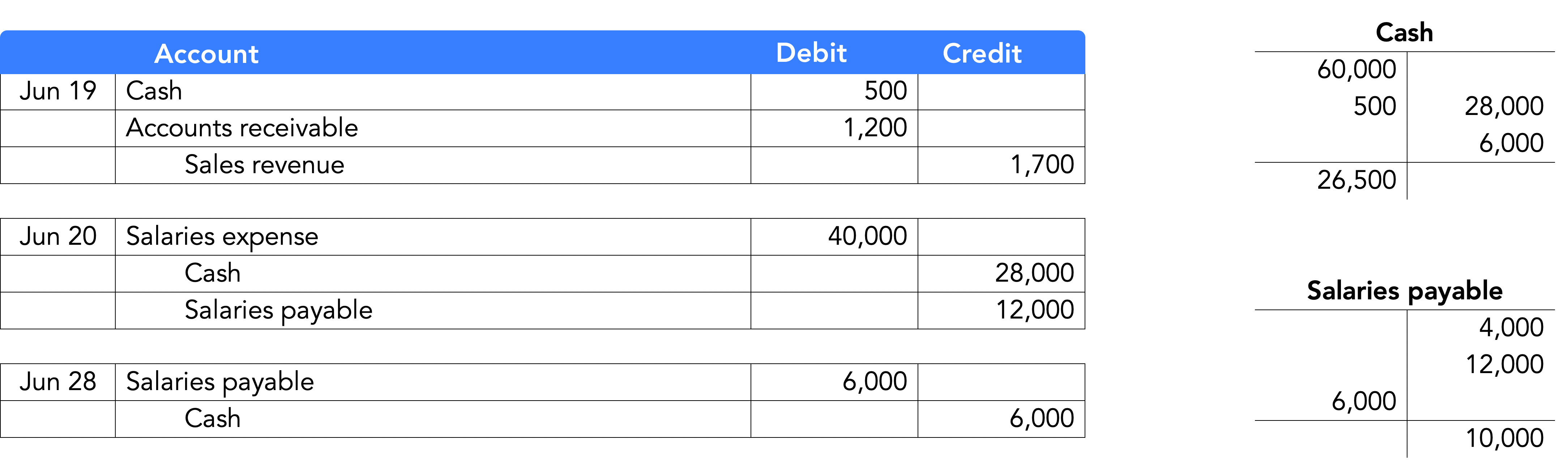

0:00 / 0:00
Example: T-Accounts
Use T-Accounts to find the balances on January 31 of the following accounts: Cash, Accounts payable, Inventory and Sales revenue.
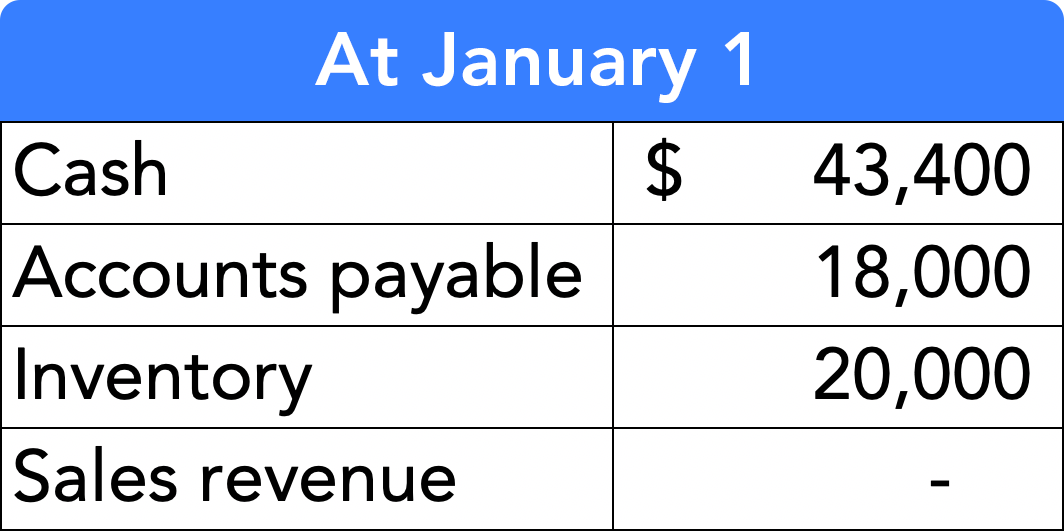
Assume these are the only transactions that took place in January

Practice: T-Accounts
Determine the balance of each account April 12th.
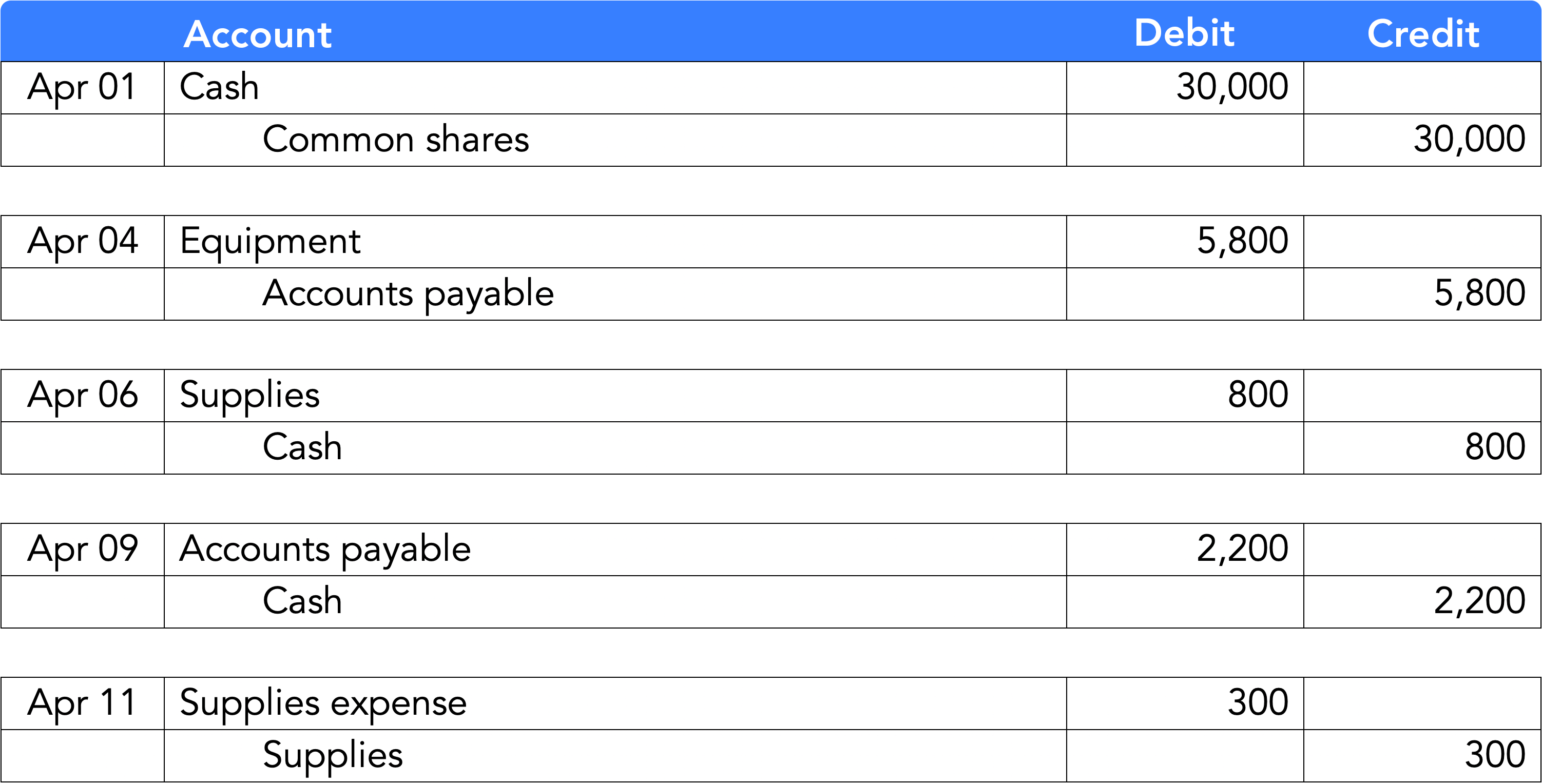

Practice: T-Accounts
Use T-accounts to solve each of the following independent situations.
A physical count of inventory on hand on December 31, 2020 indicates that the company has $38,000 worth of merchandise in stock. During the year, $50,000 of inventory was purchased in addition to another purchase. Management has misplaced the invoice for the second purchase and has therefore not recorded it. Looking at last year's balance sheet, the company ended 2019 with $84,000 of inventory, and it is known that during 2020 a total of $110,000 of inventory was sold. What is the value of the missing purchase?