Wize University Physics Textbook (Master) > Heat and Temperature
Heat Transfer: Conductors in Series and Parallel
Popular Courses
Intro to Physics
University Study Guides
Physics
General Course
PHYS 157
University of British Columbia
Intro to Physics
University Study Guides
PHYS*1080
University of Guelph
PHY 1122
University of Ottawa
PHYS 142
McGill University
ENGG 212
University of Calgary
ENGG 212
University of Calgary
PHYS 111
University of Victoria
PHYS 1050
University of Manitoba
PHYS 101
Simon Fraser University
PHYS-1300
University of Windsor
PHYS 121
University of Waterloo
PHYS 227
University of Calgary
SC/PHYS 1411 3.00
York University
PCS 110
Toronto Metropolitan University
PHY 9B
University of California - Davis
PHYS 144
University of Alberta
PHYS 1301W
University of Minnesota
0:00 / 0:00
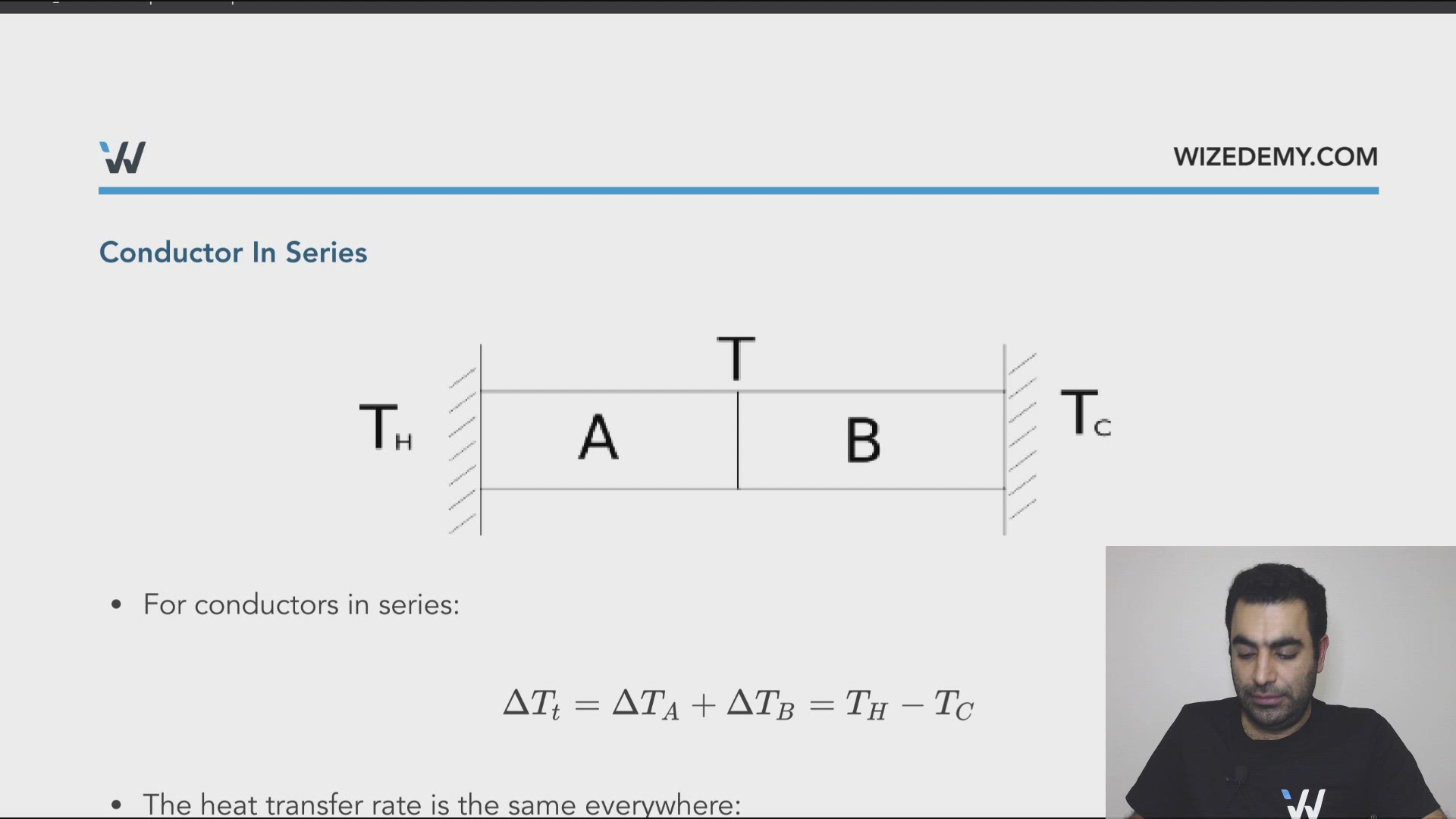
Conductor In Series
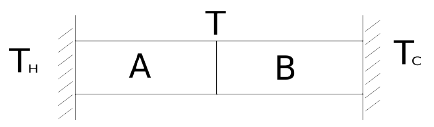
- For conductors in series:
- The heat transfer rate is the same everywhere:
Where is the total conductivity of the system and could be found by:
- is usually shown by and is called the thermal resistance
0:00 / 0:00
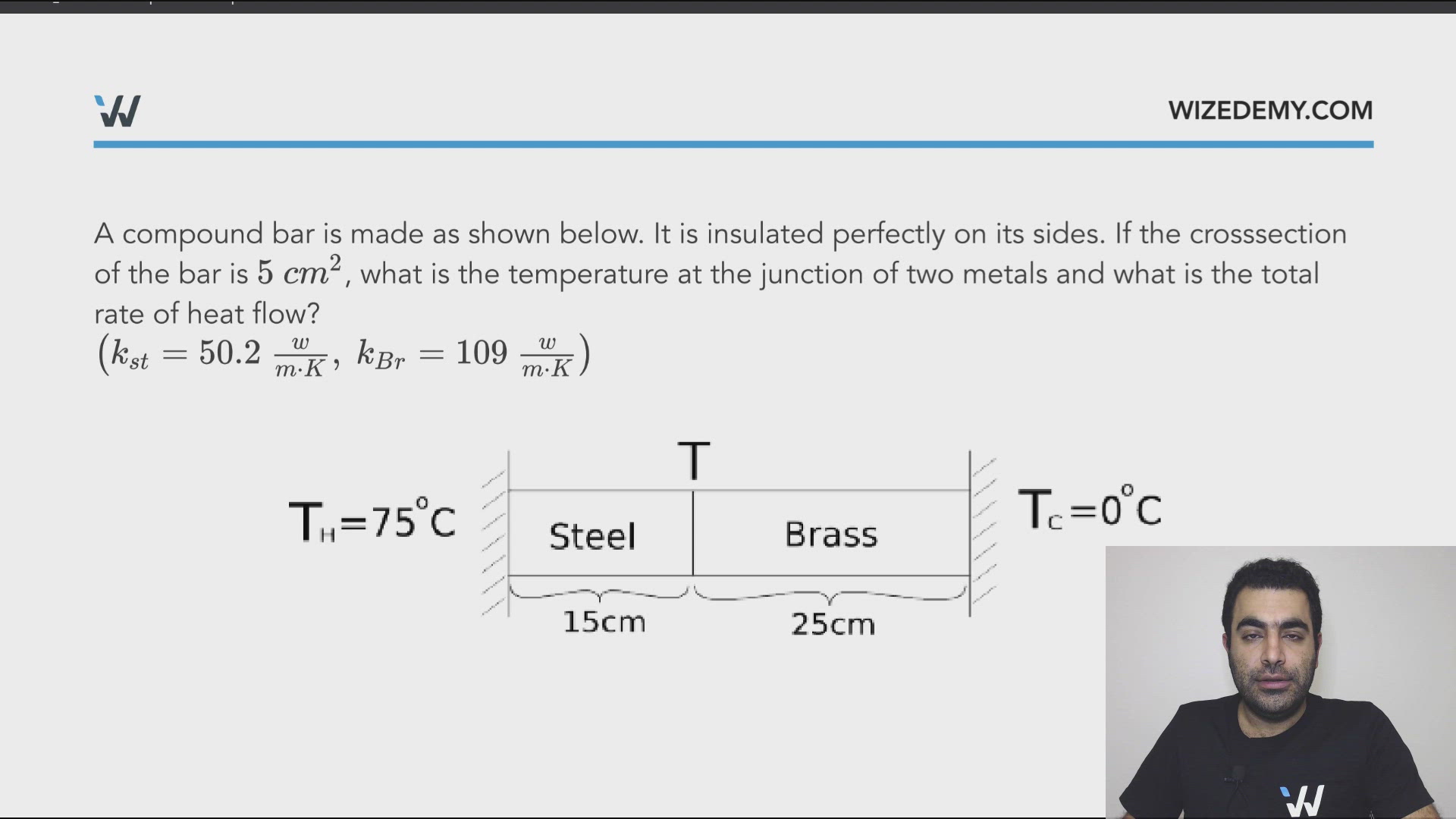
Example: Conductors In Series
A compound bar is made as shown below. It is insulated perfectly on its sides. If the crosssection of the bar is , what is the temperature at the junction of two metals and what is the total rate of heat flow?
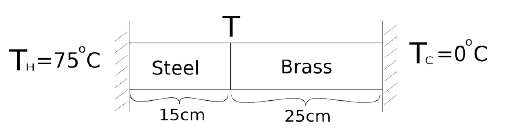
Conductor in Series:
0:00 / 0:00
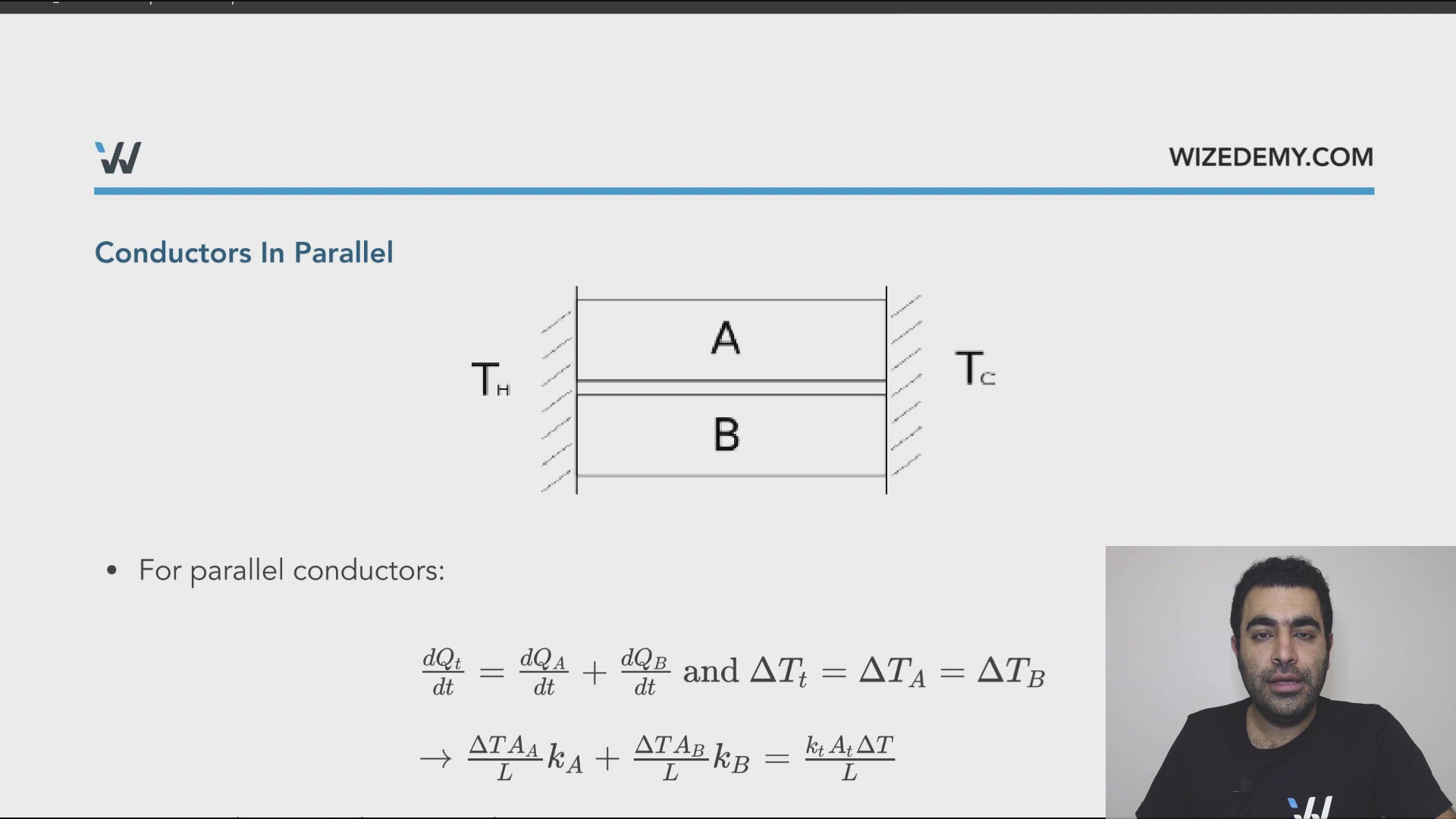
Conductors In Parallel
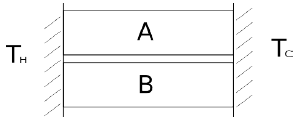
For parallel conductors:
Where is the relation for total conductivity in parallel conductors.