Popular Courses
MCAT
General Course
Psychology
University Study Guides
PSYC 100
Queen's University
PSYCH 104
University of Alberta
Psychology
University Study Guides
PSYC*1000
University of Guelph
PSYC 100
McGill University
PSYCHOL 1003A/B
Western University
HH/PSYC 1010 6.00
York University
PSYC 100B
Queen's University
PSYC 201
University of Calgary
PSYC 200
Concordia University
PSYC 1004
Virginia Tech
PSYCH 100
Pennsylvania State University
PSC 001
University of California - Davis
PSY 2012
University of Florida
PSY 101
Michigan State University
PSYCH10
University of California - Los Angeles
PSY 101
San Diego State University
PSC 001Y
University of California - Davis
0:00 / 0:00
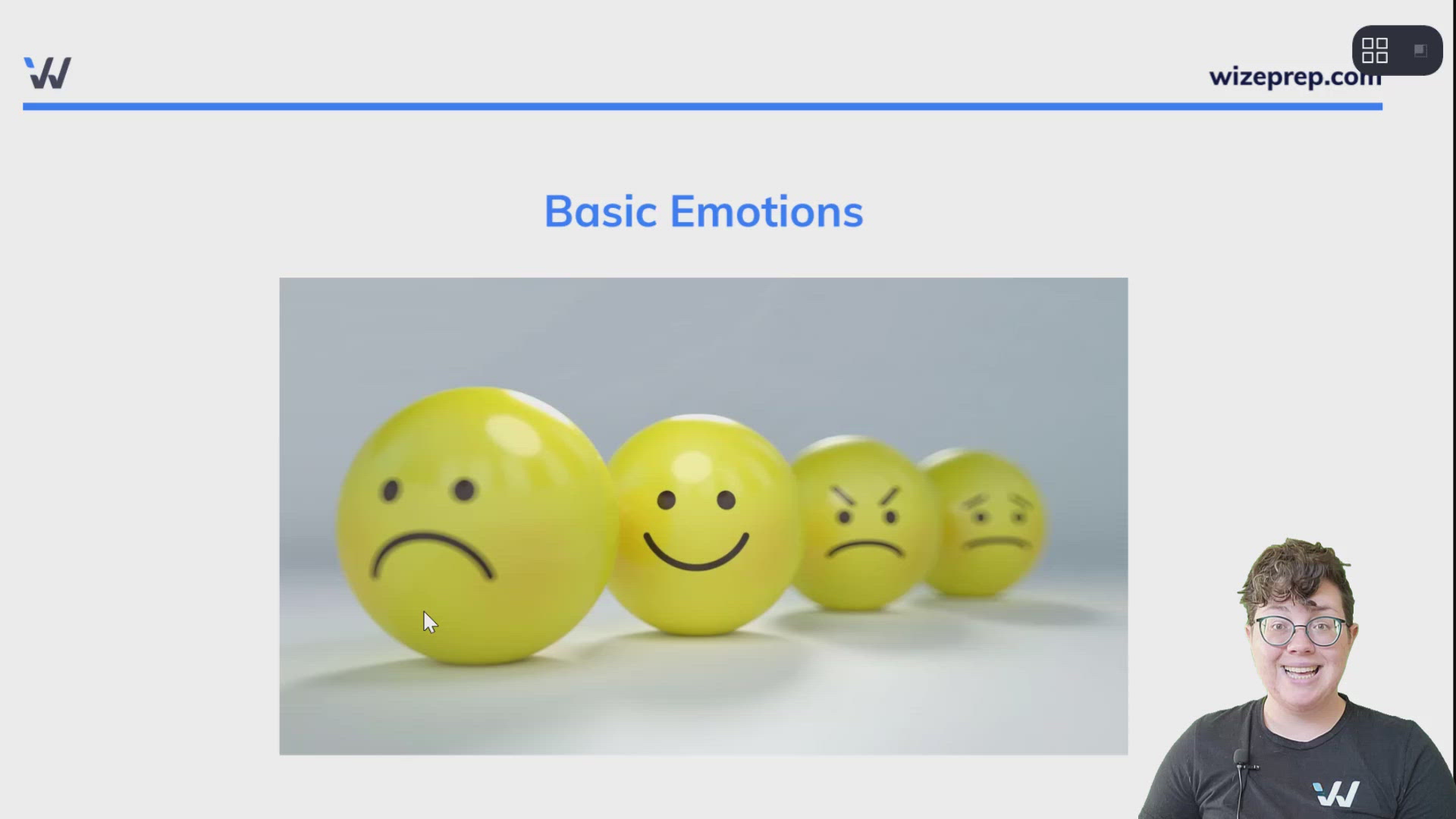
Basic Emotions
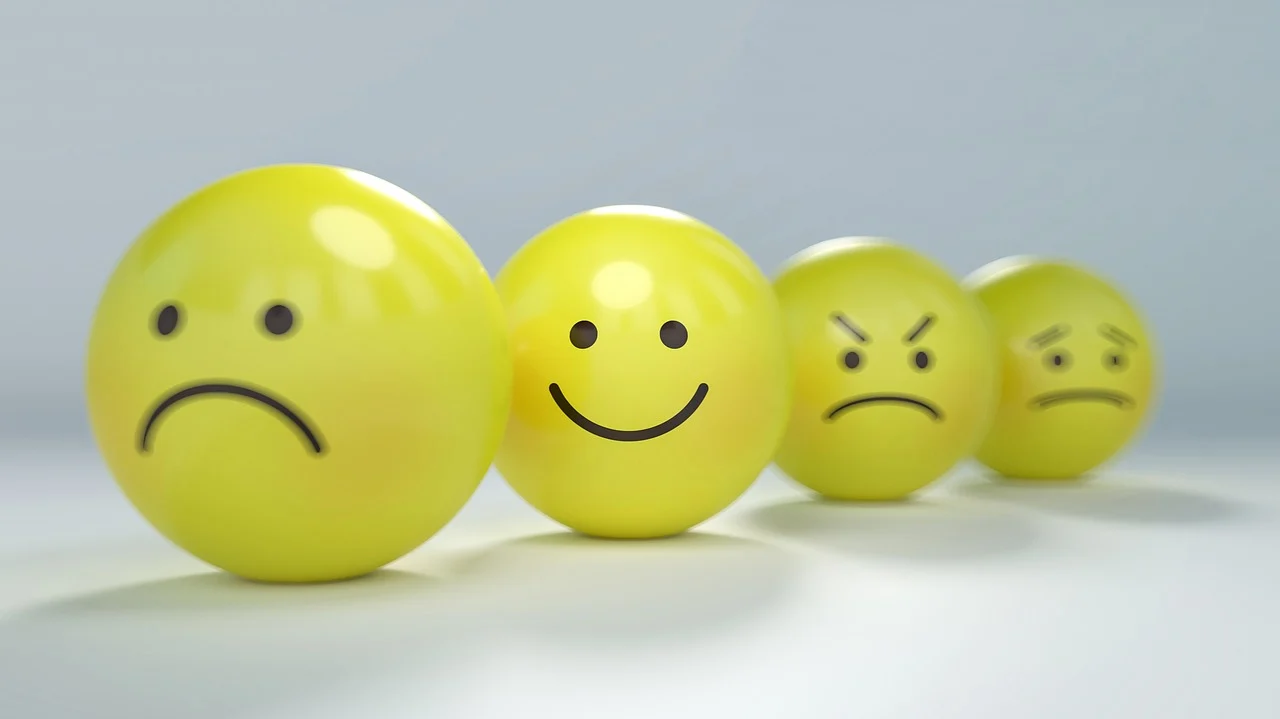
Components of Emotion
Cognitive - personal experience of the situation from cognitive appraisal
Example - two people have a very different cognitive appraisal of an experience if one is afraid of public speaking and the other loves it
Physiological - activation of the sympathetic and parasympathetic nervous systems
Example - fear is associated with a racing heart, sweating, pupil dilation, etc.
Behavioural - emotion prompts behaviour. Cultural display rules influence what we express
Example - in some cultures, it is not appropriate to publicly express happiness when you get the top grade on your exam, because it could make others feel badly about their performance
Basic Emotions
There are multiple ways of categorizing emotions. The most common are as discrete (individual, stand-alone) emotions or using a dimensional approach
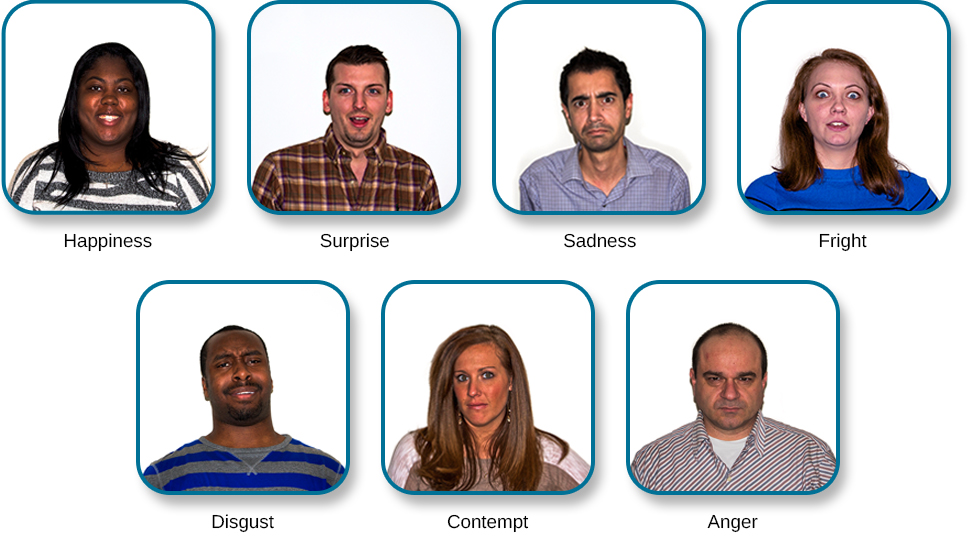
Basic Emotions - Emotions are discrete categories. The basic emotions identified by Ekman are anger, disgust, fear, contempt, happiness, sadness, and surprise. These appear and are recognized universally
Noah is really upset about the grade he received on his midterm, but knows he shouldn't display that disappointment too strongly in front of his friend who did even worse than him. This is part of which component of emotion?