Wize University Psychology Textbook > Language & Thought
Theory of Mind
Popular Courses
MCAT
General Course
Psychology
University Study Guides
PSYC 100
Queen's University
Psychology
University Study Guides
PSYC*1000
University of Guelph
PSYCHOL 1003A/B
Western University
PSYC 101
University of British Columbia
HH/PSYC 1010 6.00
York University
PSYC 102
University of British Columbia
PSYC 100B
Queen's University
PSYC 100A
University of Victoria
PSYC 200
Concordia University
PSYCH 100
Pennsylvania State University
PSC 001
University of California - Davis
PSY 2012
University of Florida
PSY 101
Michigan State University
PSYCH10
University of California - Los Angeles
PSY 101
San Diego State University
PSC 001Y
University of California - Davis
PSY 101
University of Arizona
0:00 / 0:00
Theory of Mind
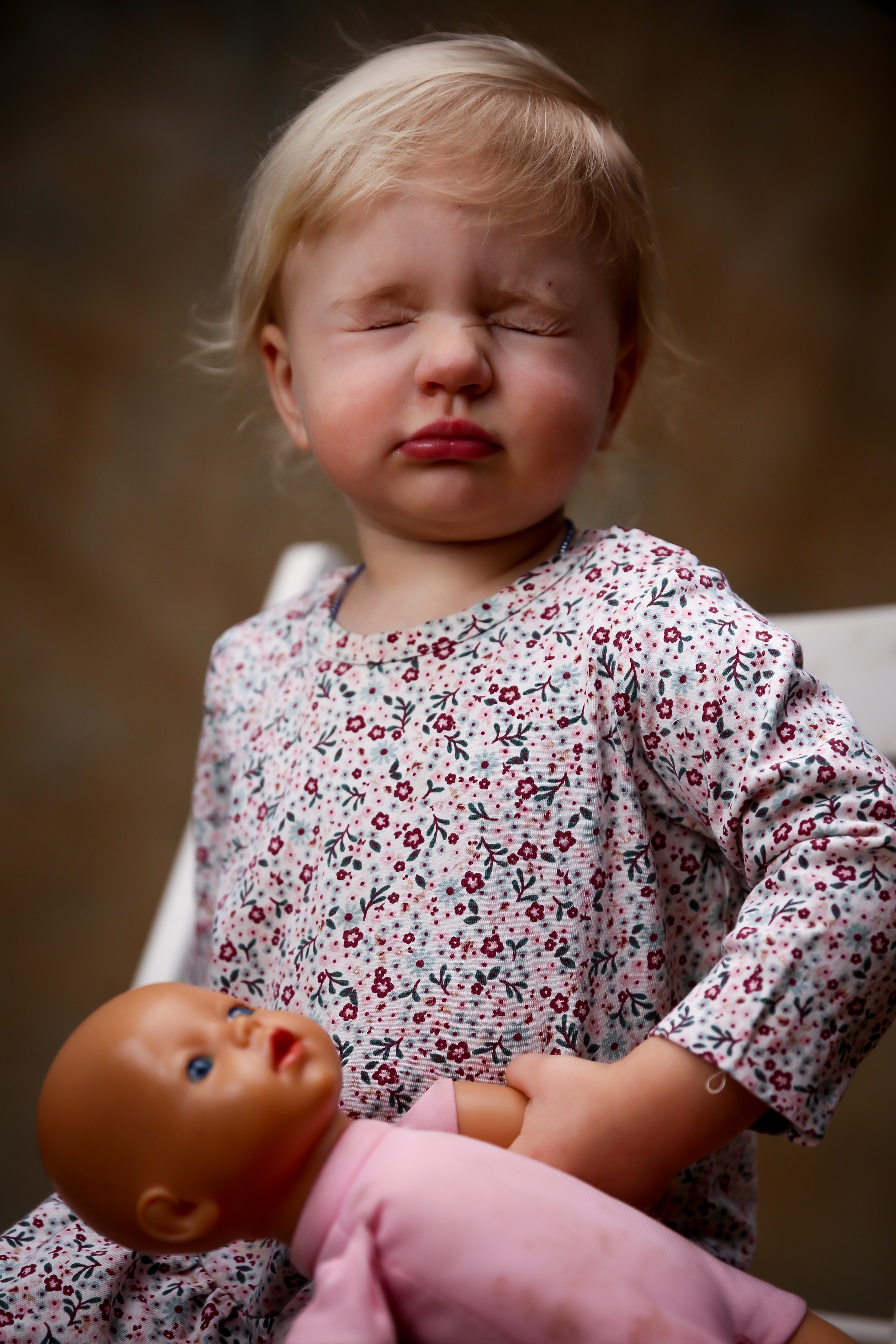
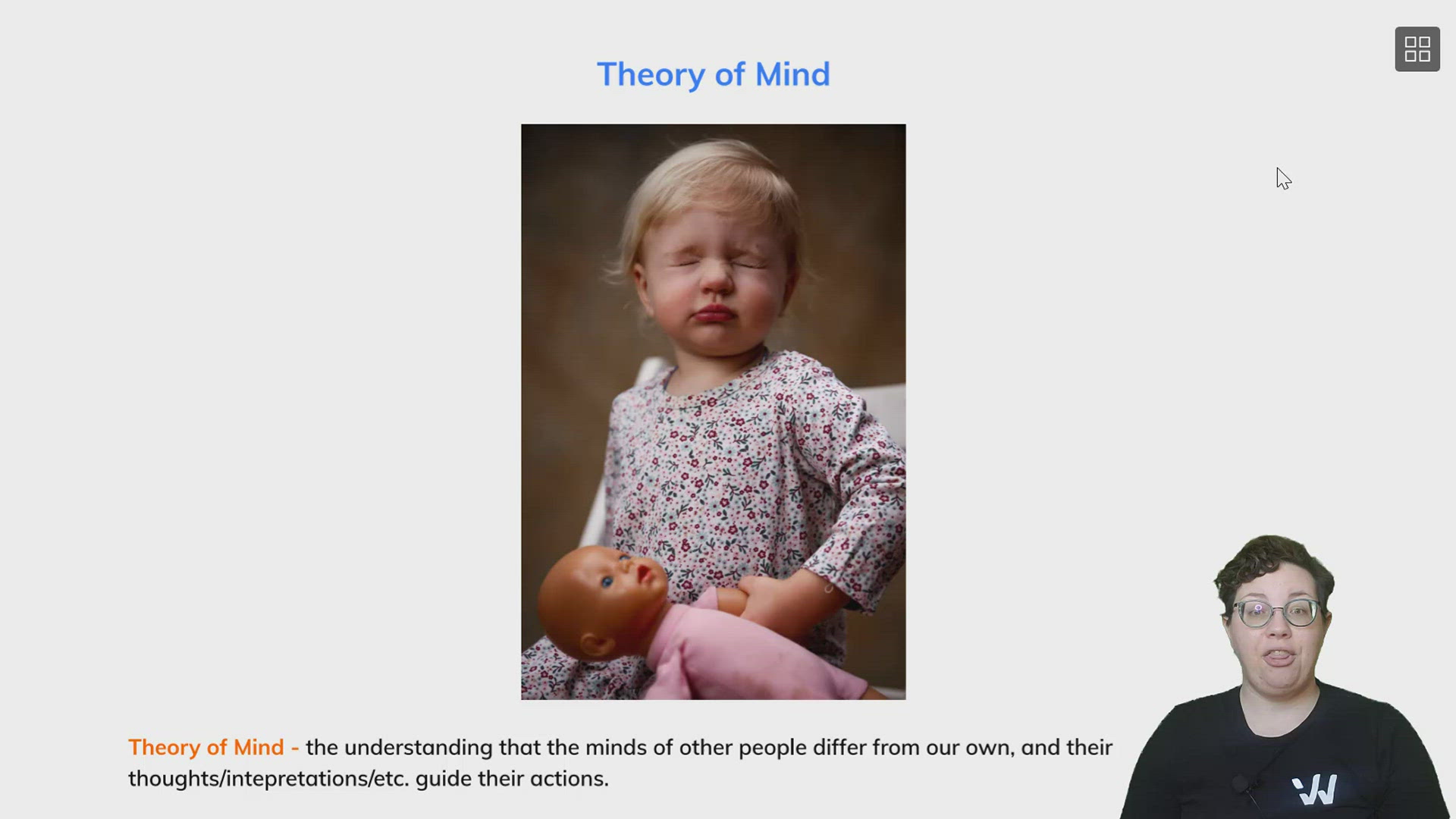
Theory of Mind - the understanding that the minds of other people differ from our own, and their thoughts/intepretations/etc. guide their actions.
- We understand that other people don't have the same knowledge and interpretations of the world around us as we do
- Helps guide our social interactions
- Example - you see someone walking towards you looking scared. You interpret this as a warning that something is behind you
People with autism report having a harder time interpreting the thoughts of others, which hampers social interactions
Developing Theory of Mind
Developing theory of mind is a long process - many skills and abilities need to develop in order for us to be able to infer the mental states of others

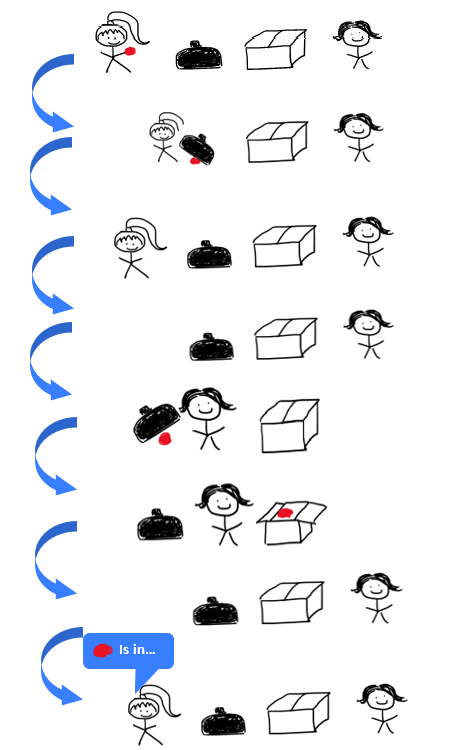
False belief test - a common test for theory of mind. Children can usually pass by age 4, but it remains effortful
- Child is shown two dolls (Sally and Ann)
- Sally puts a ball into a basket, then Sally leaves the room
- Anne moves the ball from the basket to a box
- When Sally comes back, the child is asked where Sally will look for the ball
- If theory of mind is well-developed, child will say Sally will look in the basket, because that's where Sally left the ball. This requires the child to look beyond their own knowledge and infer Sally's mental state.
Practice: Theory of Mind
Sam is playing with Robbie and Robbie notices that it he has to actually point to objects he is referring to in order for Sam to understand the conversation. This is due to a failure in:
Victoria is 2 years old and her babysitter tries to do the Sally and Anne task with her. If Victoria is asked "where does Sally think the ball is?", what will be her answer?