Wize University Psychology Textbook > Personality
Personality Traits
Popular Courses
Psychology
University Study Guides
PSYC 100
Queen's University
Psychology
University Study Guides
PSYC*1000
University of Guelph
PSYCH 1XX3
McMaster University
PSYC 100
McGill University
PSY100H1
University of Toronto
PSYCHOL 1003A/B
Western University
HH/PSYC 1010 6.00
York University
PSYC 102
University of British Columbia
PSYC 100B
Queen's University
PSYC 201
University of Calgary
PSYC 200
Concordia University
PSYCH 100
Pennsylvania State University
PSC 001
University of California - Davis
PSY 2012
University of Florida
PSY 101
Michigan State University
PSYCH10
University of California - Los Angeles
PSY 101
San Diego State University
PSC 001Y
University of California - Davis
0:00 / 0:00
Personality Traits

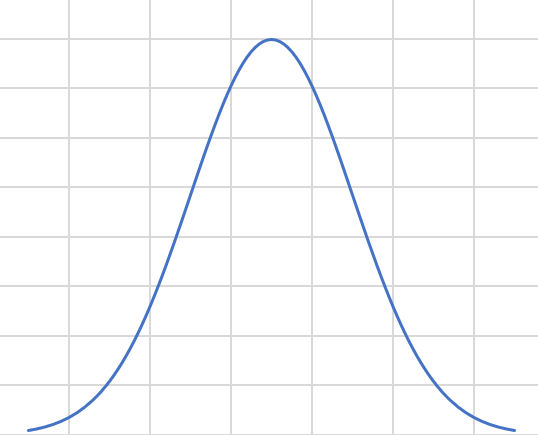
Personality trait - a dimension along which people differ. Personality traits are continuous and limited
Personality traits have three characteristics:
- Behaviour must be relatively consistent across situations
- Behaviour must be relatively stable across time
- Behaviour must differ from person to person
Early personality research focused on narrowing down the words we use to describe people into a core set of traits that could explain most behaviour
The Five-Factor Model of Personality
Used factor analysis to identify groupings of characteristics that statistically "hang together". Also called the "Big 5". Most widely agreed upon and researched set of traits
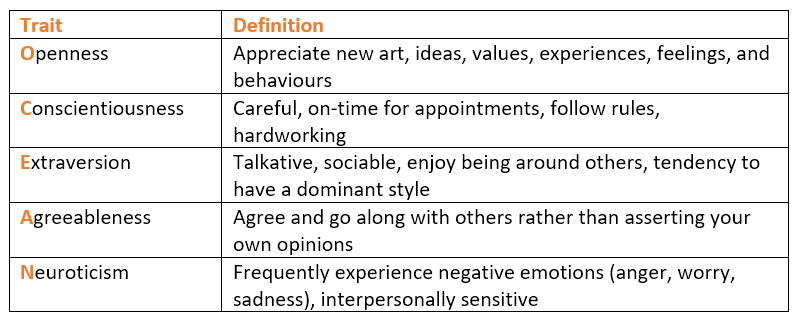
Researchers also study facets of these traits, but there is no generally agreed upon list
Other Models of Personality
HEXACO Model - Revision to the Big 5, adding Honesty-Humility (sincere, fair, and modest)
Cattell's 16 Personality Factors - Precursor to Big 5. Had 16 dimensions
Eysenck's Extraversion-Stability Model - Only two dimensions, which combine to describe someone's personality
- Unstable vs. stable
- Introverted vs. Extraverted
Other Personality Traits
Machiavellianism - people who manipulate others through deception/lying/duplicity
Need for achievement - want to accomplish a lot, high standards for themselves, work persistently and hard to reach goals
Need for cognition - reward from understanding things and enjoy learning
Authoritarianism - belief in strict social hierarchies, obedience to authorities, rigid adherence to rules, discomfort with uncertainty
Narcissism - high vanity, conceit, selfishness. Difficulty empathizing with others
Self-esteem - positive self-evaluation
Optimism - expect positive outcomes in the future
Alexithymia - inability to recognize and label one's own emotions and those of others