Wize University Psychology Textbook > Social Psychology
Attributional Errors & Biases
Popular Courses
Psychology
University Study Guides
PSYCH 1X03
McMaster University
Psychology
University Study Guides
PSYC*1000
University of Guelph
PSYC 100
McGill University
PSY100H1
University of Toronto
PSYCHOL 1003A/B
Western University
HH/PSYC 1010 6.00
York University
PSYC 201
University of Calgary
PSYC 200
Concordia University
PSYC 1004
Virginia Tech
PSYCH 100
Pennsylvania State University
PSC 001
University of California - Davis
PSY 2012
University of Florida
PSY 101
Michigan State University
PSYCH10
University of California - Los Angeles
PSY 101
San Diego State University
PSC 001Y
University of California - Davis
PSY 101
University of Arizona
PSYC 1001
University of Cincinnati
0:00 / 0:00
Attributional Errors & Biases
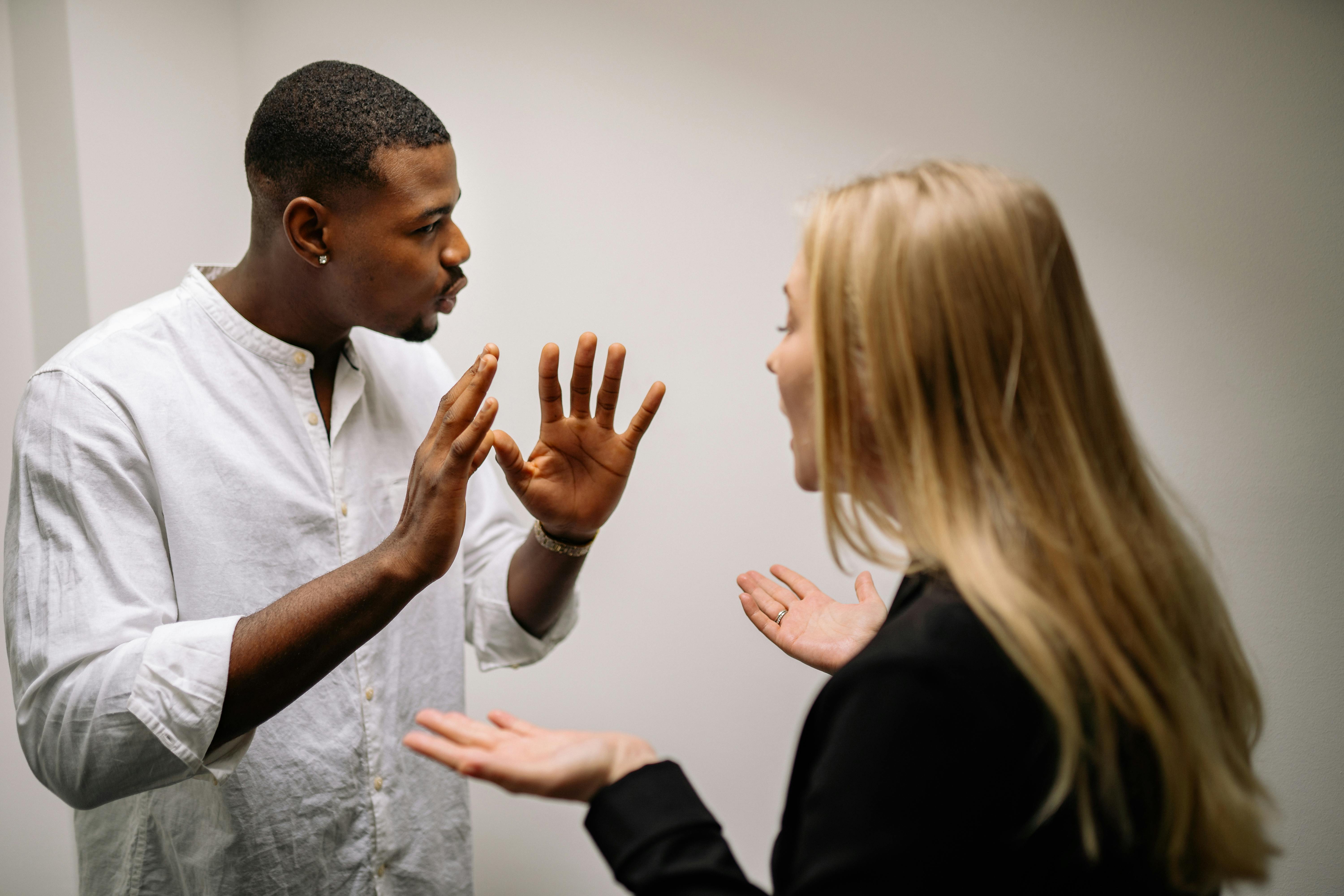
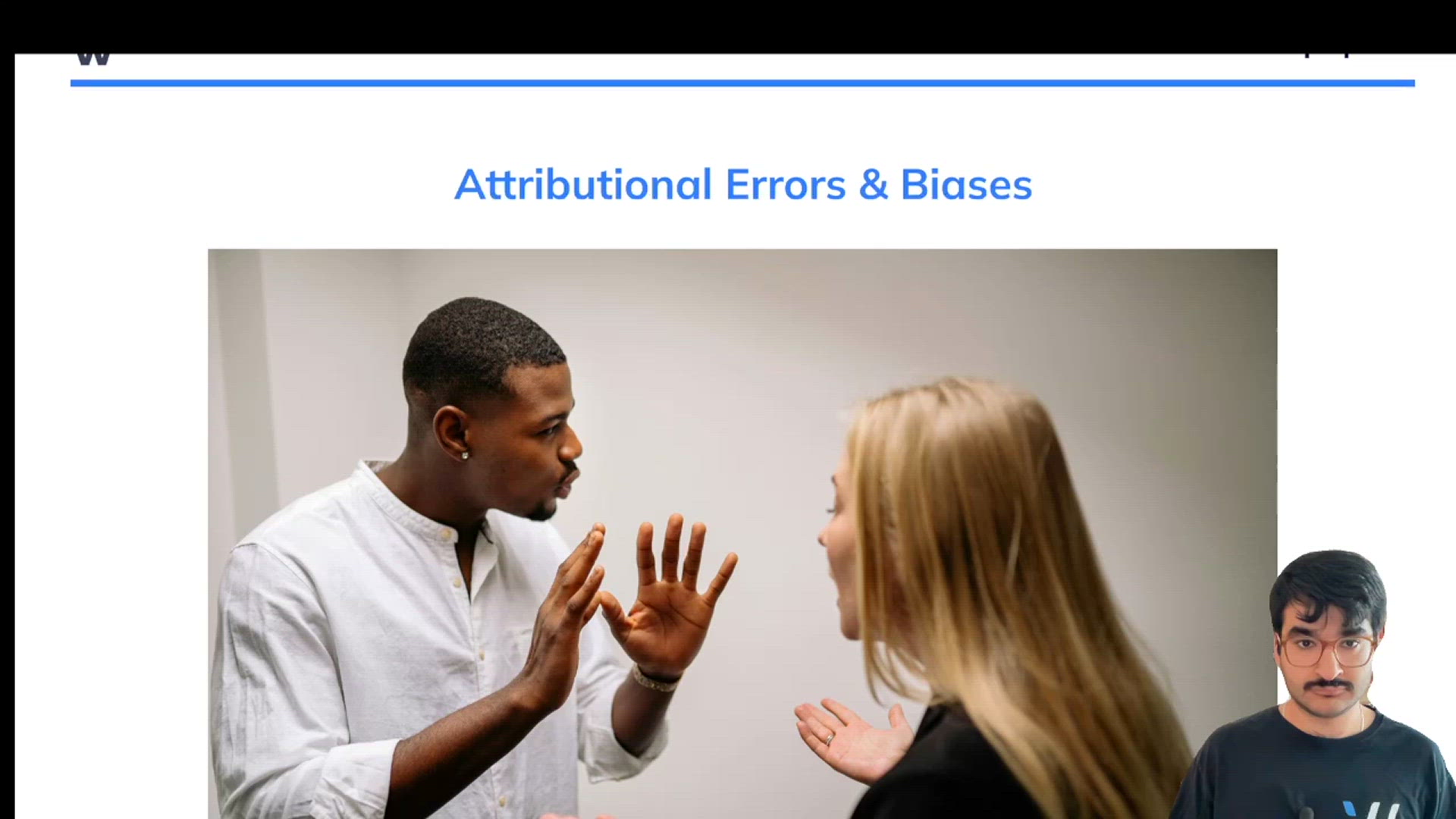
Attributions are how we explain or understand people's behaviour — including ourselves.
Two main types of attributions:
1. Dispositional - we attribute people's behaviour to personal factors (personality, intelligence, etc.)
2. Situational - we attribute people's behaviour to environmental factors
Example: a coworker shows up late to work
- Dispositional attribution: "They're too lazy to wake up early", "They don't care about this job"
- Situational attribution: "They must have gotten stuck in traffic", "Maybe their new baby kept them up all night so they slept in by accident"
Fundamental Attribution Error: when explaining the behaviour of others, we tend to underemphasize situational factors and overemphasize dispositional factors
- Example: if someone cuts you off in traffic, you're more likely to think they are a careless or bad driver rather than considering if you were in their blind spot
Self-serving bias: we tend to use dispositional attributions for our successes and situational attributions for our failures
- Example: if I do well on a test, it's because I'm smart and a good student, but if I do poorly, it's because I didn't get enough sleep the night before and my classmate's pen clicking was distracting me
Actor-observer bias: we tend to use dispositional attributions for other people's behaviour but situational attributions for ourselves
- Example: if a doctor tells someone else they don't exercise enough, you might think they're lazy or unmotivated. If a doctor tells you this, you might say it's because you're too busy with work or don't live close to a gym.