Popular Courses
Psychology
University Study Guides
PSYCH 1X03
McMaster University
Psychology
University Study Guides
PSYC*1000
University of Guelph
PSYC 100
McGill University
PSY100H1
University of Toronto
PSYCHOL 1003A/B
Western University
HH/PSYC 1010 6.00
York University
PSYC 201
University of Calgary
PSYC 200
Concordia University
PSYC 1004
Virginia Tech
PSYCH 100
Pennsylvania State University
PSC 001
University of California - Davis
PSY 2012
University of Florida
PSY 101
Michigan State University
PSYCH10
University of California - Los Angeles
PSY 101
San Diego State University
PSC 001Y
University of California - Davis
PSY 101
University of Arizona
PSYC 1001
University of Cincinnati
0:00 / 0:00
Social Norms
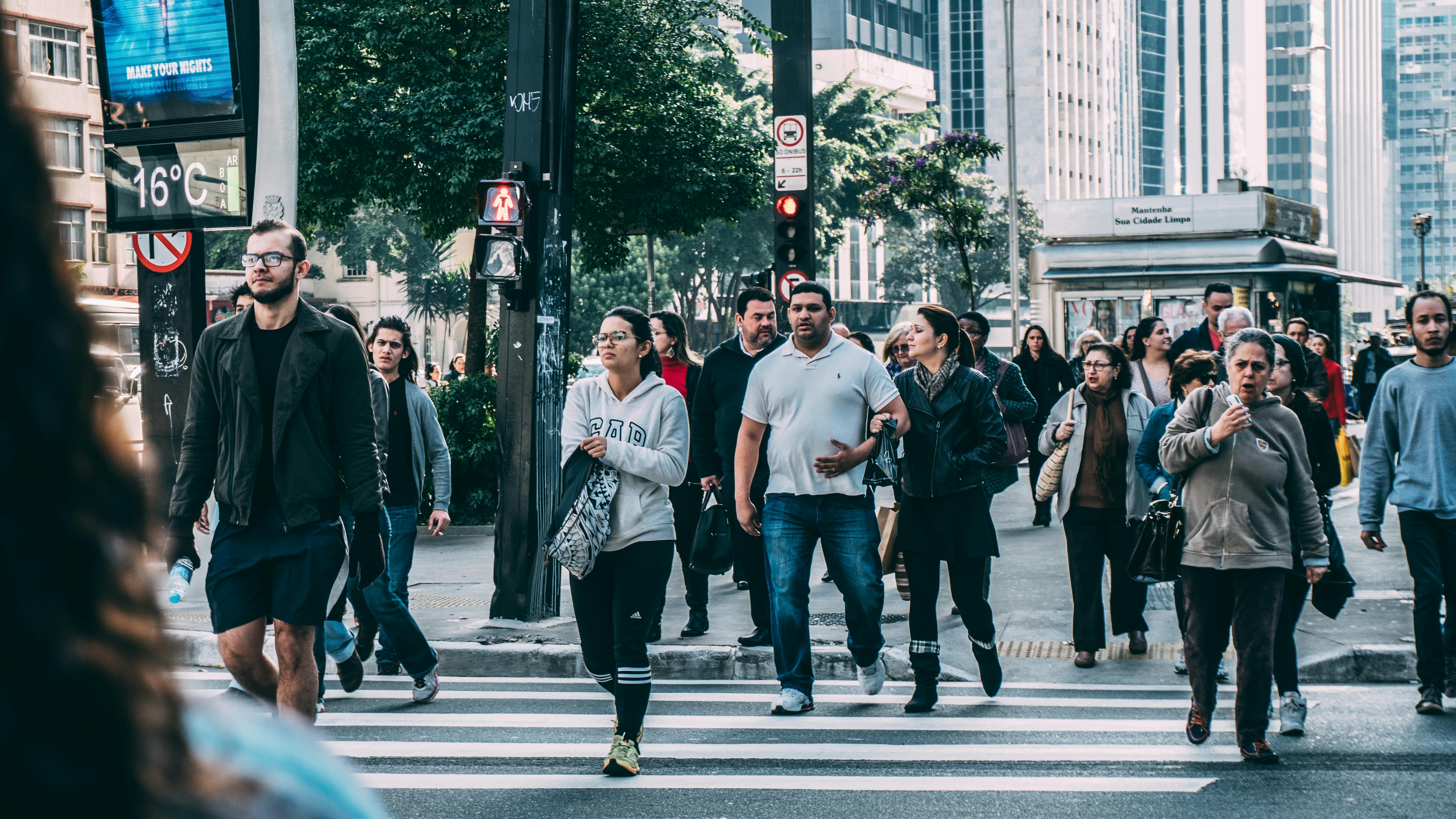
Social norms are shared, often unwritten, rules and expectations that guide behaviour in a particular society
4 types of social norms (least to most serious):
1. Folkways
- Norms that regulate casual, everyday interactions (i.e. shaking someone's hand when you meet them)
- Violation of a folkway will not result in severe punishment (i.e. you might get a glare if you don't shake someone's hand)
2. Mores
- Norms that regulate morality and ethics; right vs. wrong (i.e. being honest with your friends and peers)
- Violation of a more can result in shame, disapproval, or exclusion (i.e. your friends discover you are a habitual liar and stop inviting you to hang out)
3. Taboos
- Norms that regulate the most sacred societal values and discourage repugnant behaviour (i.e. cannibalism)
- Violation of a taboo will result in extreme societal disgust and expulsion; potential imprisonment as well
4. Laws
- Norms that are formally recorded within a society's legal system and enforced by the government (i.e. speeding, theft, murder)
- Violation will result in a formal sanction, often a fine or prison sentence
- Note: laws can also be mores or taboos (i.e. murder violates both the law and a more)
Violation of social norms can result in informal sanctions (shame, glares, ostracism) or formal sanctions (fines, community service, imprisonment)
Social roles also influence which norms are applicable or not
- Example: a police officer can detain or even assault someone (baton, taser) as part of their job, but a person who is not in that social role would be violating several social norms by behaving in a similar manner