Popular Courses
Psychology
University Study Guides
PSYC 100
Queen's University
Psychology
University Study Guides
PSYC*1000
University of Guelph
PSYCH 1XX3
McMaster University
PSYC 100
McGill University
PSY100H1
University of Toronto
PSYCHOL 1003A/B
Western University
HH/PSYC 1010 6.00
York University
PSYC 100B
Queen's University
PSYC 201
University of Calgary
PSYC 200
Concordia University
PSYCH 100
Pennsylvania State University
PSC 001
University of California - Davis
PSY 2012
University of Florida
PSY 101
Michigan State University
PSYCH10
University of California - Los Angeles
PSC 001Y
University of California - Davis
PSY 101
San Diego State University
PSY 101
University of Arizona
0:00 / 0:00
Mood Disorders
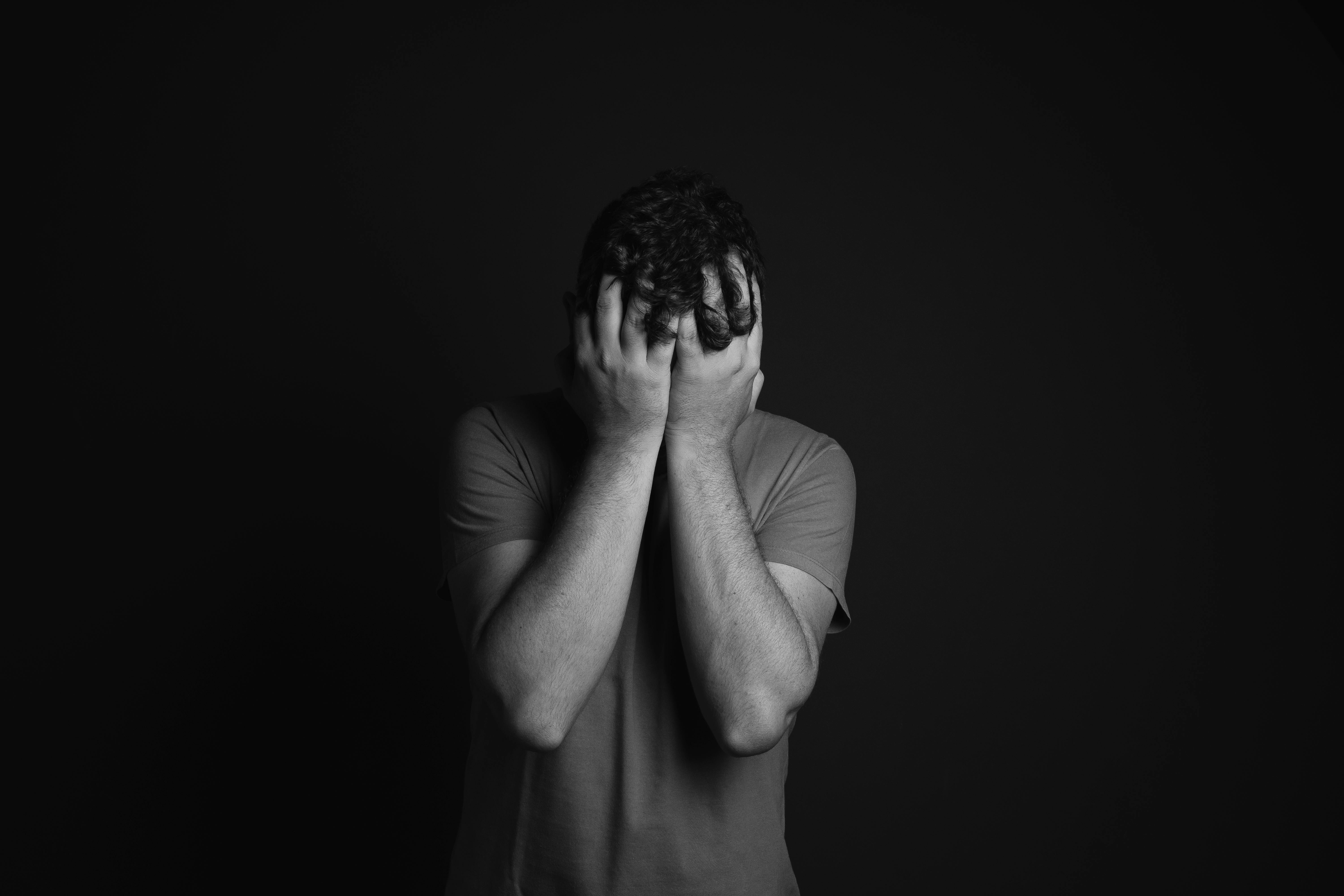
Mood disorders are another common category of disorders in the DSM-V, and include depression and bipolar disorder.
Major Depressive Disorder (MDD):
- Everyone experiences periods of sadness or mild depression, but MDD involves persistent depressive episodes
- Episodes may feature negative mood, pessimism, hopelessness, low self-esteem, lack of motivation, and loss of appetite, sexual desire, or sleep — all of which may interfere with daily functioning
Persistent Depressive Disorder (PDD):
- Involves persistent depressive symptoms that are less severe than MDD
- Also called dysthymia
Seasonal Affective Disorder (SAD):
- A depressive disorder that typically occurs in the winter when there is less sunlight
- Called Major Depressive Disorder with Seasonal Pattern (MDD-SP) in the DSM-V
Bipolar Disorder:
- Involves periods of both depression and mania
- Mania is a state that often features abnormally high impulsivity, excitability, and an inflated sense of self
- A person experiencing mania may exhibit irritability, hyperactivity, rapid speech, and little sleep
- Periods of mania are often followed by periods of depression, which can create great strain for the individual and those around them
- Bipolar I: Full manic episode followed by depressive episodes
- Bipolar II: Hypomanic episode (less intense than full mania) followed by depressive episodes
Causes of mood disorders:
- Genetics - just like with anxiety disorders, identical twins are much more likely to both have mood disorders than fraternal twins, suggesting a strong genetic component
- Neurotransmitters - some studies have suggested that depression may be linked to decreased activity of serotonin and dopamine. Mania may be associated with increased activity of these neurotransmitters
- Personality - depression is associated with high neuroticism and low extraversion, whereas mania is associated with high extraversion
- Cognition - negative thoughts concerning oneself, the world, and the future may contribute to a cognitive spiral that intensifies depression. Another pattern of thinking associated with depression is learned helplessness, in which an individual starts to believe they cannot control or affect life situations, so they stop trying to
- Cultural factors - though sociocultural norms may not have a huge influence on the development of mood disorders, they affect how likely people are to report symptoms or seek help (i.e. women are more likely to report depressive symptoms than men, but only in Western countries)