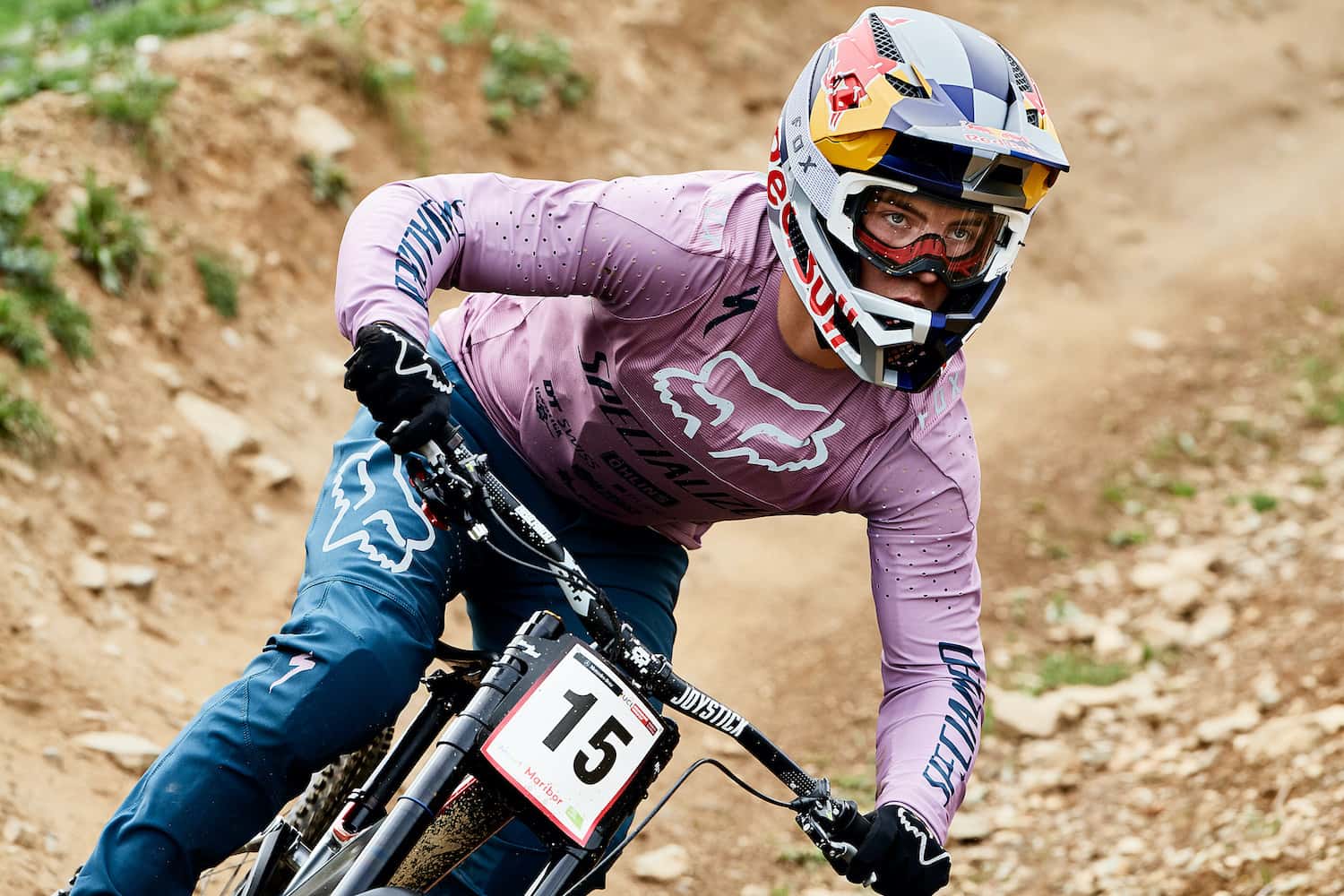
Goal Crushing Tips for Students with Finn Iles
“Failure is just part of the process. If your goals are all easy to achieve, then you’re probably not challenging yourself enough” — Finn Iles, Downhill
At only 20 years old, Finn Iles has an impressive list of accolades tied to his athletic and academic pursuits.
The West Coast native first turned heads after winning the Whip Off World Championships during Crankworx Whistler at age 14 — competing before he was even technically old enough.
From there, he stormed on to the UCI Mountain Bike World Cup circuit winning two consecutive overall titles at the junior level before graduating to the elite level in the 2018 season.
With a promising downhill mountain biking career ahead of him, globally renowned sponsors like Red Bull and a demanding schedule, how does the University of Victoria student stay focused? Finn Iles shares some advice on how to set goals and learn from missed opportunities.
Balance is key
Always apply yourself and do your best, but it’s important to try and keep a healthy balance. If you let one aspect of your life consume you, you’ll lose sight of the bigger picture and miss out on doing things that you love.
If your goals are all easy to achieve then you’re probably not challenging yourself enough. It’s important to remember, that failure is just part of the process and it will make you more resilient, providing you with new learning experiences to help you avoid or tackle the next one.
Perfection is not realistic
If I miss a milestone, lose a race, or do less than planned on an exam, I keep my head down and keep working at it. There will always be highs and lows.
I try my best to stay level-headed and focus on the next challenge rather than fixate on past mistakes. Perfection is not realistic, so I just try my hardest to be the best that I can be. Overcoming my fear of failure has been one of my biggest challenges.
I am still overcoming it—it takes time and effort to shift a mindset from one way of thinking to another, but I’ve been working closely with my team, family and coach to try to keep my head screwed on straight.
Think both short and long-term
When goal-setting, I plan both short and long-term objectives for myself. I find that short-term goals are good to have because they keep me motivated and present.
I set long-term goals to keep in the back of my mind because they inspire me and give me something to strive for and work towards. Your short-term goals should feel like steppingstones to whatever you have in mind for the bigger picture.
Keep your goals ambitious but also realistic and attainable so that you can use them as a checklist. I measure my progress in terms of goal completion (or incompletion). By setting lots of smaller short-term goals, I can gauge how far I’ve come and how much further I need to go.
If I don’t do as well as expected at school or in sport, I don’t worry about what other people will think because I know that I am capable of achieving what I set out to do in the long run, regardless of how everyone else feels.
Struggling to balance life as a student? Check out this video about the 5 best apps to help you stay organized!
Related Posts:

Study with Us
The help you need to get the grades you want.
Previous Blog
Advice from Fellow Students on Becoming Socials Entrepreneurs
Next Blog
How and When to Choose a Double Major
Other posts you might like:
Student Life
What to Consider Before Dropping a Class
What to Consider Before Dropping a Course Dropping a class can be intimidating and, frankly, quite t... Read More
K
Kaitlyn Han