Can #EdTech Teach Critical Writing Skills?
Can #Edtech Teach Critical Writing Skills?
Can software really teach higher level critical thinking?
As we demo and discuss academic writing software options to educators across the globe, we often get the question about whether or not any piece of software can actually teach critical thinking and critical writing skills at a higher level.
With edtech offerings growing, there’s great excitement around technology’s ability to aid ailing education systems and pressed-for-time educators in classrooms, and rightly so, but it should be seen as just that - an aid.
Edtech is not the silver bullet in education nor is it a replacement for teachers. The role of an educator still remains that of teacher, more so now of a facilitator, with edtech as a supporting tool or almost a classroom assistant.
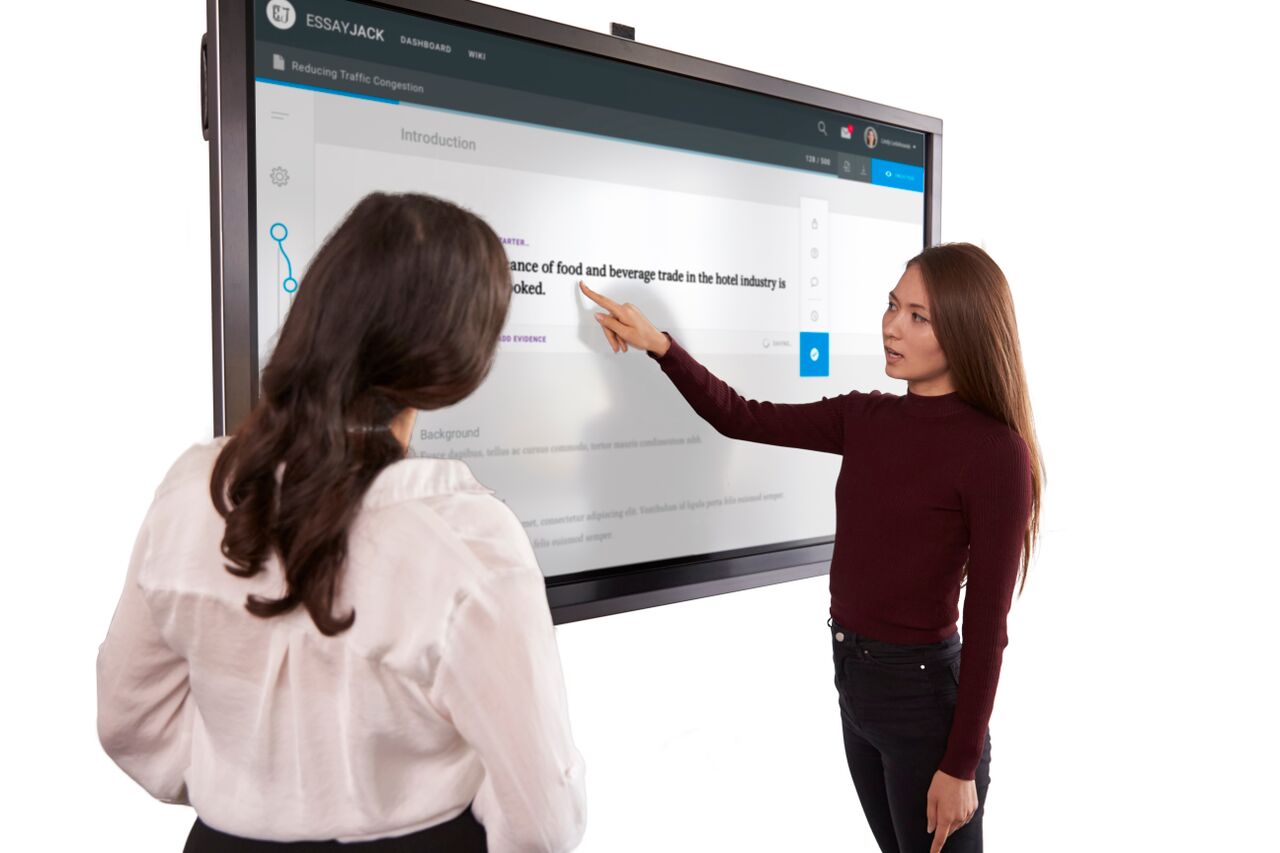
So, no, Wizeprep can’t on it’s own “teach” higher order thinking skills, but yes it can if the assignment set by the teacher is compelling and inspiring enough, Wize Writer can definitely assist and guide students through a writing task to encourage higher order thinking skills. In fact, learning how to write in a structured cohesive and coherent manner has always been a hallmark of critical thinking.
Below are 3 ways that you, as an educator, can use EdTech to teach those higher-level critical skills that you want your students to learn.
 📷
📷(Me teaching critical thinking and critical writing.)
1. Use EdTech as a Teaching Tool
When you find a piece of educational software that you like or that you want your students to use, model it in the classroom as a teaching tool. You like Google Classroom?
Great, use the "assignments" feature to walk students through how they can organize their own materials to get work done the way you want. In so doing, you're helping them develop those abilities. You like Grammarly?
Great, use it in the classroom to show the strengths and weaknesses of online grammar tools that may be over-inclusive on some aspects and under-inclusive on others. Help your students to see its pros and cons and use it intelligent.y
2. Use EdTech As An Independent Learning Tool
By crafting assignments for students to complete using various teaching technologies, you can help them to work independently.
With regular check-ins with you, you don't have to be afraid of EdTech, but you can let it empower your students to be able to work through problems independently. That way not only are they problem solving, but they're also building confidence with a tried and tested tool that you approve of or that you like.
3. Use EdTech to Foster Critical Thinking of Peer Work
There are countless peer-to-peer tools out there. Some of them are great. Some of them are not so great. For instance, there are tools out there where students can upload course notes.
Why not showcase those in class to demonstrate the pitfalls of uncritically using previous student notes. You can have students do an activity where they evaluate uploaded information from other students and critique it, learning to critique peer work with materials available openly online for anyone to evaluate.
The most important thing for us as educators is to not be afraid of or dismissive of various EdTech tools out there. Some will be good.
Some will be terrible. So use the good ones, and even use the terrible ones as teachable moments.

Study with Us
The help you need to get the grades you want.
Previous Blog
What Are High Yield MCAT Topics?
Next Blog