
"I Already Know How to Teach:" What EdTech Does and Doesn't Do
 📷
📷"I already know how to teach."
More than a few teachers respond this way when they are first introduced to a new educational technology, or EdTech. It's a completely understandable reaction. But at Wizeprep, teachers are our partners, not our competitors.
Digitalisation and mechanisation have brought structural transformations and upheavals to numerous sectors of the economy, and professionals such as teachers and even doctors are no longer immune. Education budgets are being cut and policy makers, searching for quantifiable outcomes, often devalue the humanities.
There is, then, a warranted fear among teachers that increased adoption of EdTech will result in less investment in educators: fewer teachers at lower salaries. Relatedly, teachers may be wary of EdTech for pedagogical reasons.
Their teaching is based on years of education and practical experience. They are committed to their students' learning experiences and need to know that a tech solution will be a productive use of their limited time and resources rather than a gimmick. They rightly don't want to let an EdTech tool determine their pedagogy.
To address these overlapping concerns, it's important to understand what EdTech--specifically, Wize Writer--can and can't do.
While there are too many EdTech products out there for me to cover in one, simple blog post, I will share some of my insights since I've come to work at Wizeprep, working with our teacher, instructor, and professor clients and partners along the way.
Wize Writer was created to complement and enable good classroom practice, not to make teachers obsolete. Wizeprep's goal is to give teachers freedom to focus on their subject matter rather than on reinforcing basic skills. A major differentiating feature of Wize Writer is that it was created by two educators.
Between them, our founders have taught at every level from pre-kindergarten to graduate school. With Wizeprep, they invented the tool they wished they had in their classrooms. Their goal in creating Wize Writer was to help educators teach better and more effectively.
This mission can be summed up by something Wizeprep's co-founder and CEO, Dr. Lindy Ledohowski, has said many times: "Wizeprep does what tech can do so that teachers can do what tech can't do."
 📷
📷In other words, at Wizeprep, teachers who know how to teach are exactly the people we want to work and partner with. One example is a college professor who started using Wizeprep this semester.
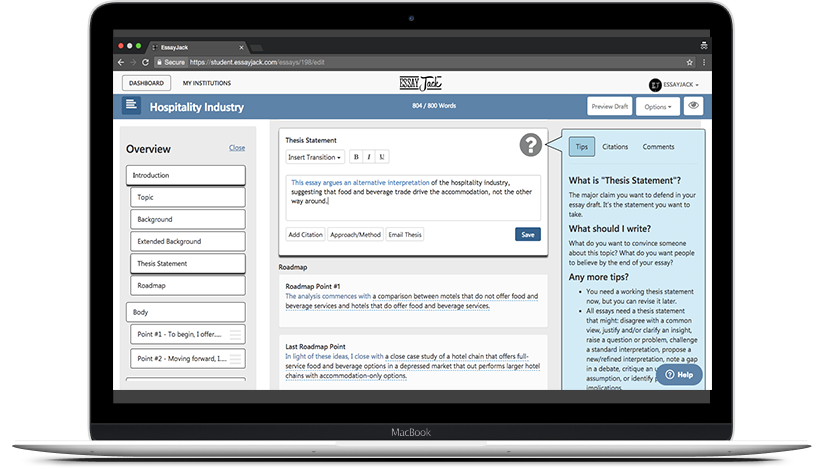
After seeing Wize Writer's standard template for an academic essay, this professor reached into her bag and pulled out a worksheet that she used in her courses. The worksheet had students fill in much of the same information as the Wize Writer template: topic sentence; thesis statement; roadmap points; evidence and explanation; etc.
She was elated that Wizeprep's pedagogy was so in line with hers, and Wize Writer could save her so much time and effort, allowing her to devote more energy to her students.
For example, the customisable Wize Writer template means that she doesn't have to make a new worksheet every year. If she wants to change just a section or two from a previous year's assignment, she can do that on her existing template and share the revised version with her students.
Currently, if a student misses a class and thus either doesn't hand in the worksheet or doesn't get it back with comments, that student falls a week behind and the progress of the course is interrupted. With Wize Writer, students can submit their work online, which wards against the vicious cycle that begins when students fall behind.
Finally, Wize Writer takes the text that students enter into each box and puts it into paragraphs in real time. This increases student confidence and creates a feeling of instant gratification that is invaluable for students who have anxiety about writing.
This cements--in a way that working from a printed worksheet can't--the idea that essays don't emerge fully formed from a burst of inspiration but rather are the product of a step-by-step process.
Put another way: we take what happens in the classroom and reinforce it in the dorm room.
But don't just take my word for it! Another example of how Wizeprep helps educators save time and effort while allowing them to devote more energy to students learning can be seen in the following video testimonial.
After asking Leanne and Andrea, two nursing instructors using Wize Writer with their students at MacEwan University in Edmonton, Alberta, how Wize Writer's customisable educator templates will help them this year, they responded by saying that the Wize Writer writing software's ability to help educators teach writing by increasing their efficiency in class was one of the most exciting aspects of the tool.
These are just a few examples of how Wize Writer allows teachers to do what they do, only better. With the judicious integration of the right EdTech, teachers can get more out of their students and out of their limited class time.
Wize Writer is based on sound pedagogy but is flexible enough to accommodate a range of preferences and responsible approaches. I've worked with teachers who want their students to include a roadmap as part of their thesis statements; they simply deactivate the roadmap in their template.. Similarly, I've built templates for instructors who want their students to provide only one counterpoint and only for the first body point; we structured the template accordingly.
Good teachers are essential to realising the full power and potential of Wize Writer. Wize Writer is designed for dedicated educators who think deeply about pedagogy and the craft of teaching. So if your response to EdTech is "I already know how to teach," then you're exactly the kind of teacher we want to work with.

Study with Us
The help you need to get the grades you want.
Previous Blog
What Are High Yield MCAT Topics?
Next Blog