Overview of Hexapods
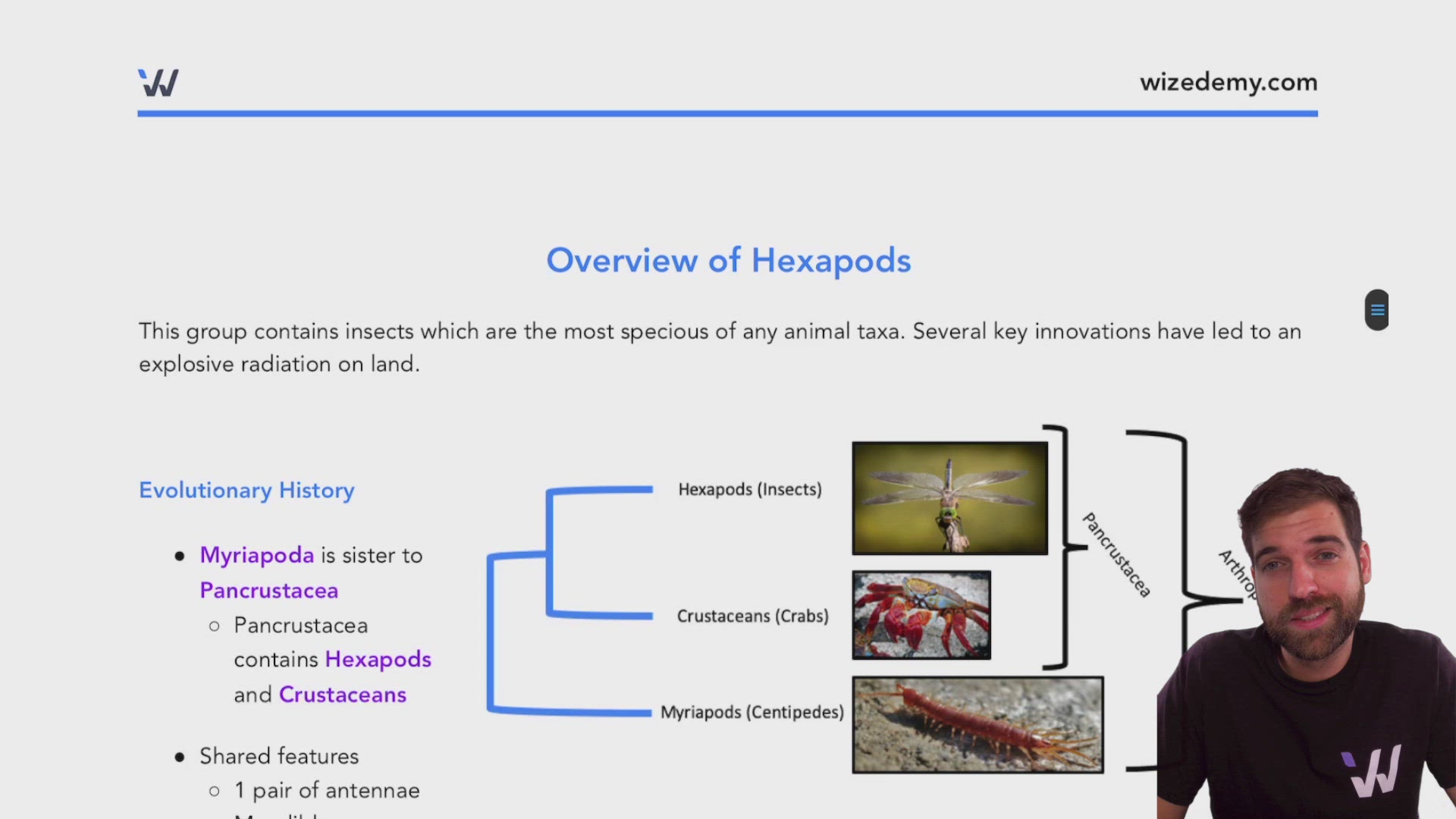
This group contains insects which are the most specious of any animal taxa. Several key innovations have led to an explosive radiation on land.
Evolutionary History
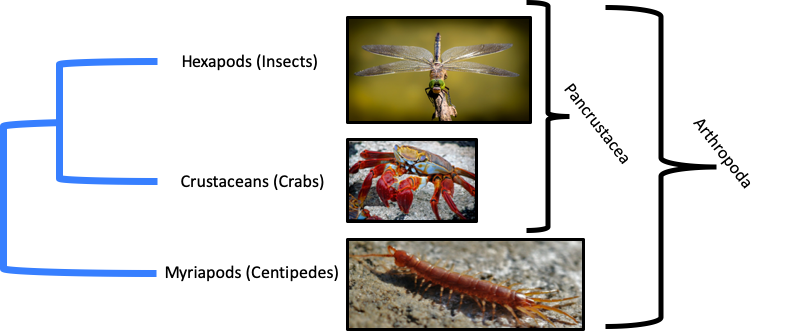
- Myriapoda is sister to Pancrustacea
- Pancrustacea contains Hexapods and Crustaceans
- Shared features
- 1 pair of antennae
- Mandibles
- Trachaea
Hexapods
- Insects, springtails etc.
- 6 legged arthropods
- Class Insecta
- Most diverse
- Most species of any animal group
Morphology
- Tagmatization: specialized body parts
- Division of labor
- Head - 1 pair of antennae
- Thorax - 3 pairs of jointed legs (sometimes wings)
- Abdomen - no appendages
Life Cycle
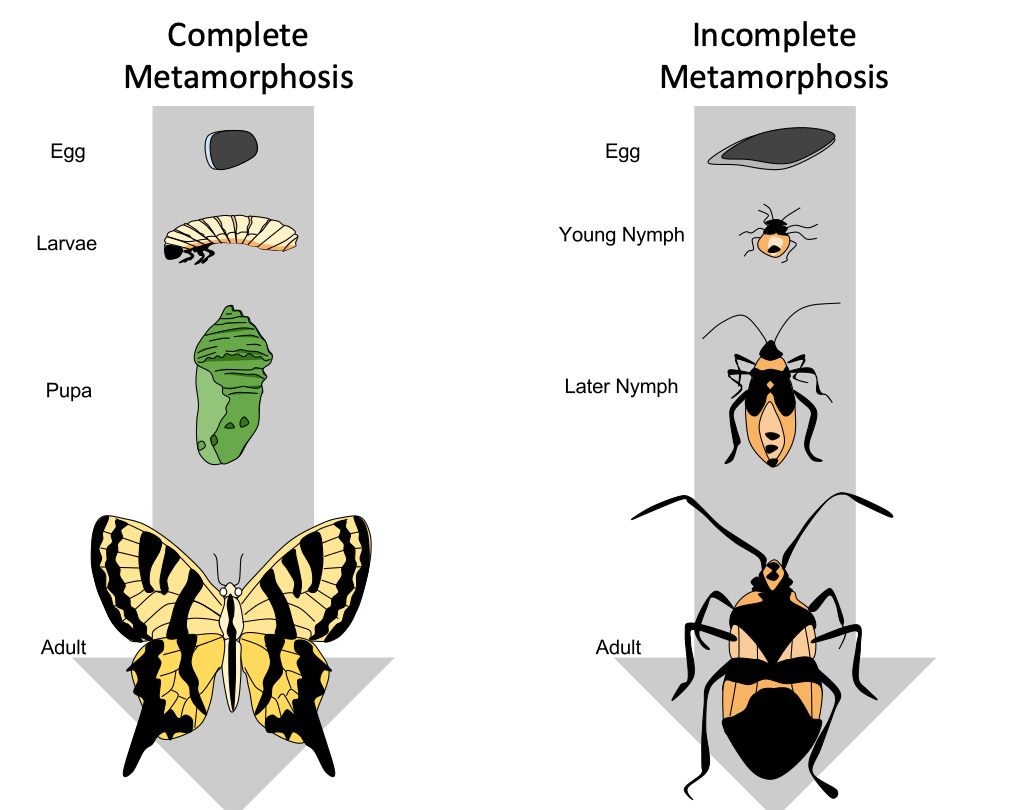
- Metamorphosis: transition of life stages / morphology
- Incomplete metamorphosis
- Juveniles may share some traits with adults
- Wings develop slowly over multiple molts Example: Grasshoppers
- Complete Metamorphosis
- Wings develop at one stage = pupa
- Pupa: stage with protective hardened shell
- Juvenile (larva) has different morphology than adult Examples: Caterpillar -> Butterfly
- Adults and juveniles don't compete over the same food
Molting
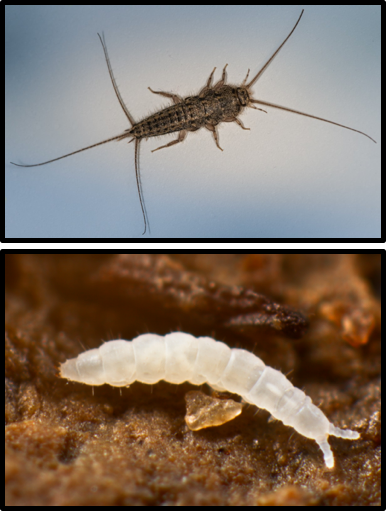
- Shed all ectodermally-derived cuticle
- Linings of foregut, hindgut and trachaea
- New cuticle is produced before the molt
- Animal swallows air / water to expand new skin
Reproduction
- Separate sexes (no hermaphrodites)
- Collembolans (springtails) and Apterogytes (silverfish) have indirect sperm transfer
- Leave spermatophore on substrate
- Spermatophore: Sperm package on a stalk
- All Pterogytes copulate
Ecology and Importance
- Important detritivores and decomposers
- Food for many animals
- Are predators, herbivores, vectors and parasites
- Economic impacts
- Forestry, agriculture and medicine
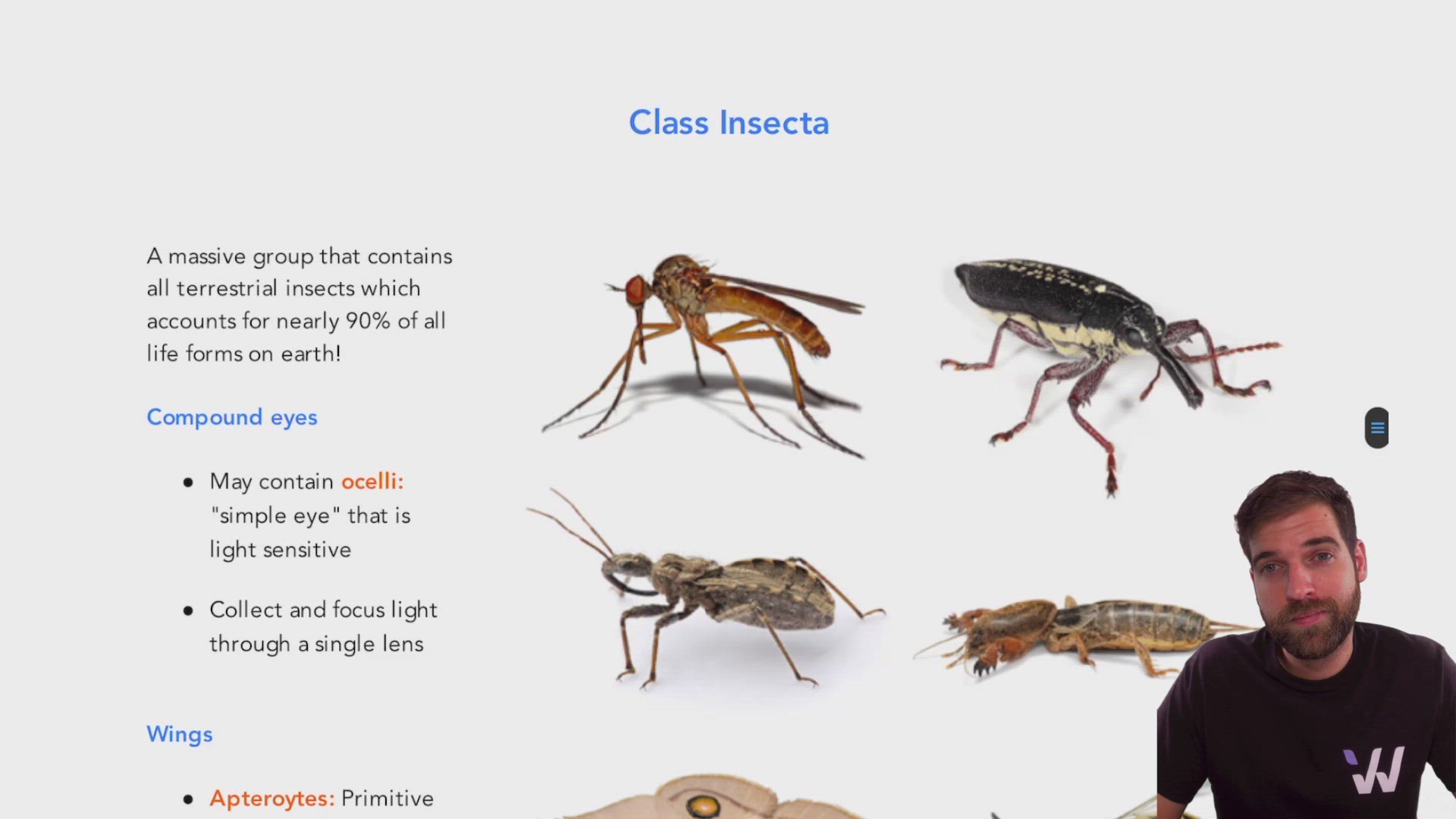
Class Insecta

A massive group that contains all terrestrial insects which accounts for nearly 90% of all life forms on earth!
Compound eyes
- May contain ocelli: "simple eye" that is light sensitive
- Collect and focus light through a single lens
Wings
- Apteroytes: Primitive group that lacks wings Examples: Silverfish, springtails
- Most insects have wings as adults
- Wings evolved once and are a synapomorphy of the clade
- Some insects have secondarily lost their wings Examples: Lice, bed bugs, fleas
- Wings are not "appendages" they are extensions of the body
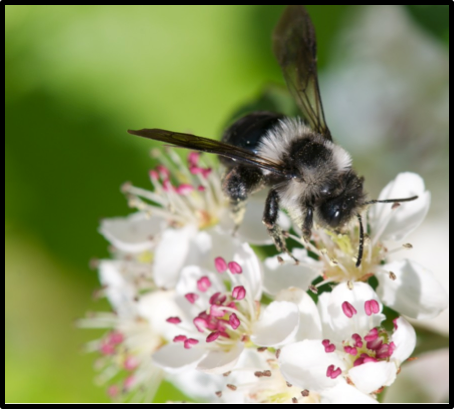
Beneficial Insects
- Most fruit and veggies are pollinated by insects
- Commonly honey bees
- Biological control agents
- Predatory insects eat pest insects Examples: Ladybugs, lacewings, mantises
- Parasitoids of insects