Welcome to MBB 201! This on-demand course was put together especially for MBB 201 at SFU. Use the video lessons and notes to understand your lecture topics better, and the practice questions to cement your knowledge. And don't hesitate to leave a question in the Q&A box under each lesson if you need additional help with anything. Happy studying!
MBB 201
SFU
Course Overview
Lessons & Practice
I. Welcome
1. The Basics (Lewis Structures, Bonding, VSEPR)
1.6hr2. Intro to Orgo (Functional Groups, Drawing, Naming)
50min3. Acid/Base Chemistry & Intro to Organic Reactions
56min3.2.1. Factors Influencing Acid/Base Strength3.2.2. Electronegativity3.2.3. Atom Size3.2.4. Resonance3.2.5. Hybridization3.2.6. Induction3.2.7. Aromaticity3.2.8. Example: Acid/Base Strength 3.2.9. Example: Acid/Base Strength 3.2.10. Practice: Acid/Base Equilibria 3.2.11. Practice: Acid/Base Equilibria
4. Aromaticity (Arenes)
48min5. Stereochemistry & Isomers
1.5hr6. Electrophilic Addition Reactions to Alkenes/Alkynes
2.3hr7. Nucleophilic Substitutions and Elimination Reactions
1.4hr8. Radical Reactions
30min9. Reduction and Oxidation Reactions
42min10. Structure Elucidation (IR Spectroscopy, NMR, Mass Spectrometry)
1.9hr11. Aldehydes and Ketones (Addition to Carbonyls/Reactivity of Enolates)
1.9hr11.4.1. General Reactions with Oxygen Nucleophiles11.4.2. Hydrate Formation11.4.3. Acetal Formation11.4.4. Ketal Formation11.4.5. Hydrolysis of Acetals and Ketals11.4.6. General Mechanism with Oxygen Nucleophiles11.4.7. Stability of Hemiketals and Hemiacetals11.4.8. Practice: Ketals and Acetals as Protecting Groups11.4.9. Practice: Ketals and Acetals as Protecting Groups11.4.10. Example: Synthesis and Hydrolysis of Ketals and Acetals11.4.11. Practice: Mechanism in Acetal and Ketal Formation11.4.12. Practice: Identifying Acetals/Aldehydes
12. Carboxylic Acid Derivatives (Nucleophilic Acyl Substitutions)
1.1hr13. Carbohydrates
56min13.3.1. Carbohydrate Reactions: Formation of Glycosidic Bonds13.3.2. Carbohydrate Reactions: Hydrolysis of Glycosidic Bonds13.3.3. Carbohydrate Reactions: Reducing Sugars13.3.4. Practice: Carbohydrates in Solution13.3.5. Example: Tollen's Reagent and Reducing Sugars13.3.6. Example: Identifying Reducing Sugars13.3.7. Example: Ketoses with the Tollen's Test
14. Organic Chemistry of Other Biological Molecules (*coming soon)
MBB 201 Overview
0:00 / 0:00
Get Started
Up Next

Course Notes
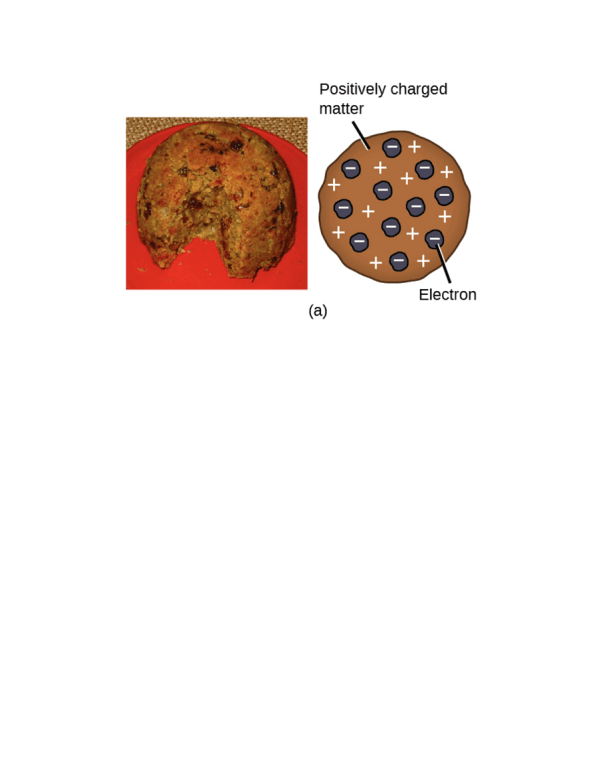
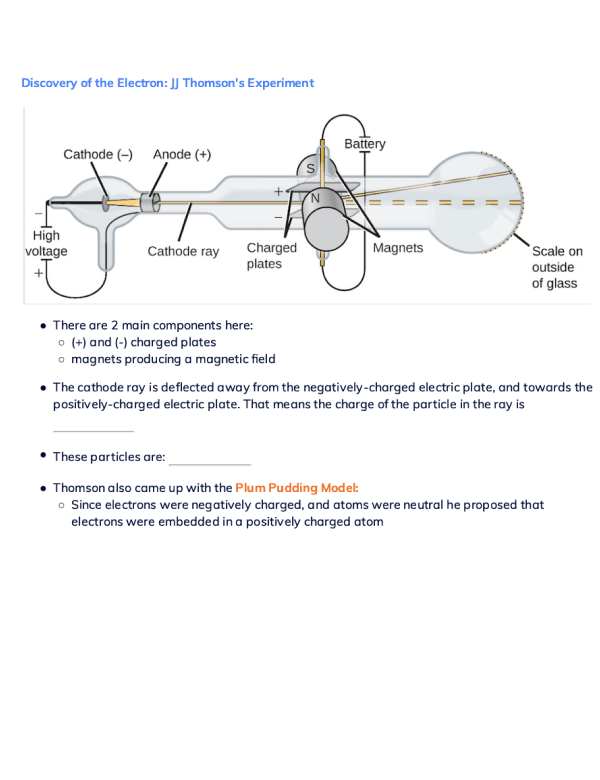

Wizeprep's course notes with hundreds of easy-to-understand explanations, diagrams, and practice problems.
Course Notes
Wizeprep's course notes with hundreds of easy-to-understand explanations, diagrams, and practice problems.