Popular Courses
ECON 203
Concordia University
ECON 203
Concordia University
Macroeconomics
University Study Guides
AP Macroeconomics Exam Prep Course
AP Exam Prep
ECONOMIC 1022A/B
Western University
Macroeconomics
General Course
ECON 102
University of British Columbia
ECON*1100
University of Guelph
Macroeconomics
University Study Guides
ECON 203
University of Calgary
ECON 102
University of Alberta
ECO102H1
University of Toronto
ECO 1102
University of Ottawa
ECON 209
McGill University
ECON 1BB3
McMaster University
COMM 171
Queen's University
ECON 112
Queen's University
AP/ECON 1010 3.00
York University
ECON 295
McGill University
ECON 110
Queen's University

0:00 / 0:00
Crowding Out
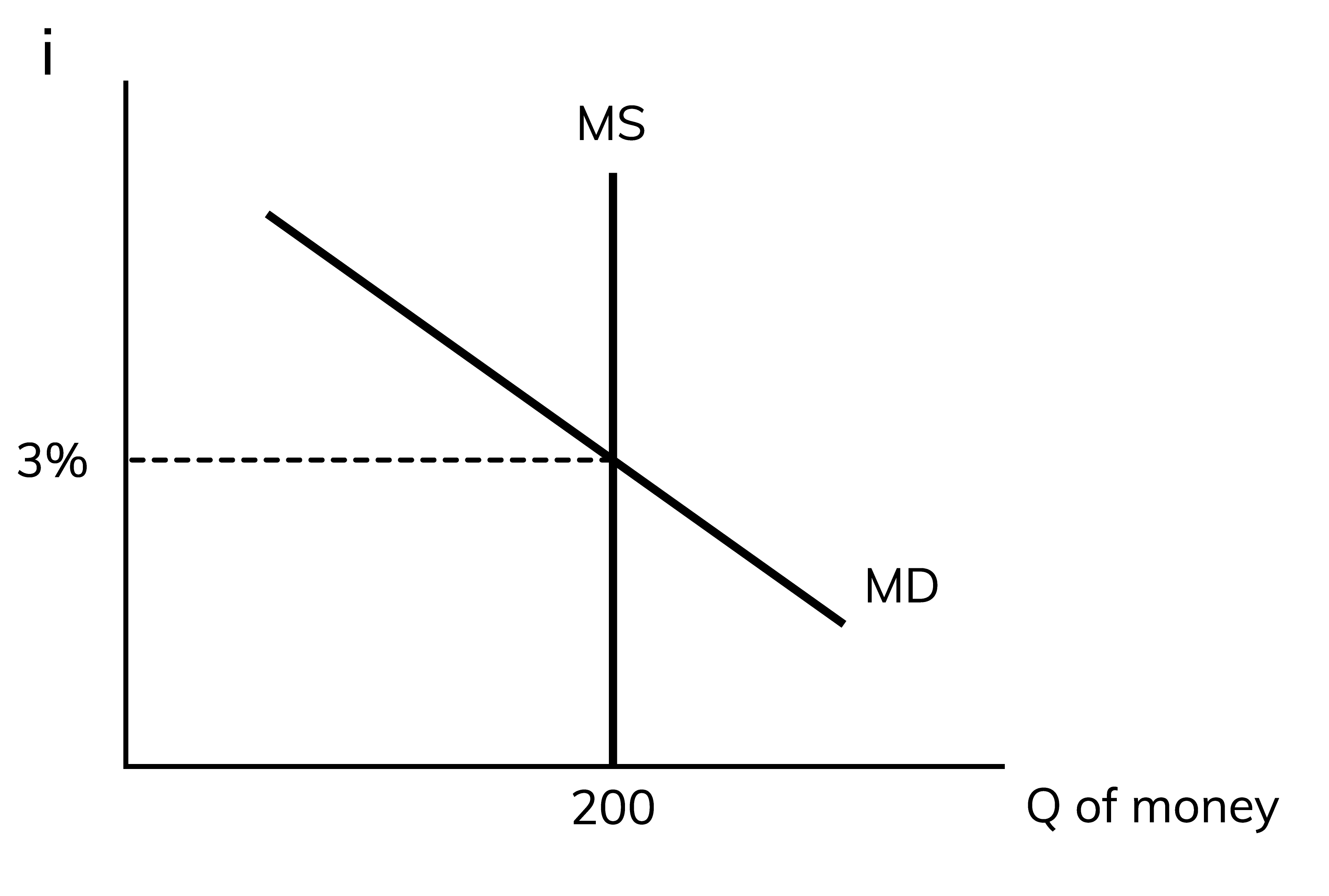
Crowding Out of Investment
- With expansionary fiscal policy the income (GDP)risesand the money demand (MD) willrise. This causes interest rates toincreasewhich makes it more expensive to take loans. This causes Investment (I) expenditure by firms todecrease.
- Crowding-out effect on investment - the offset in aggregate demand that results when expansionary fiscal policy raises the interest rate and thereby reduces investment spending.

Crowding Out of Net Exports with a Flexible Exchange Rate
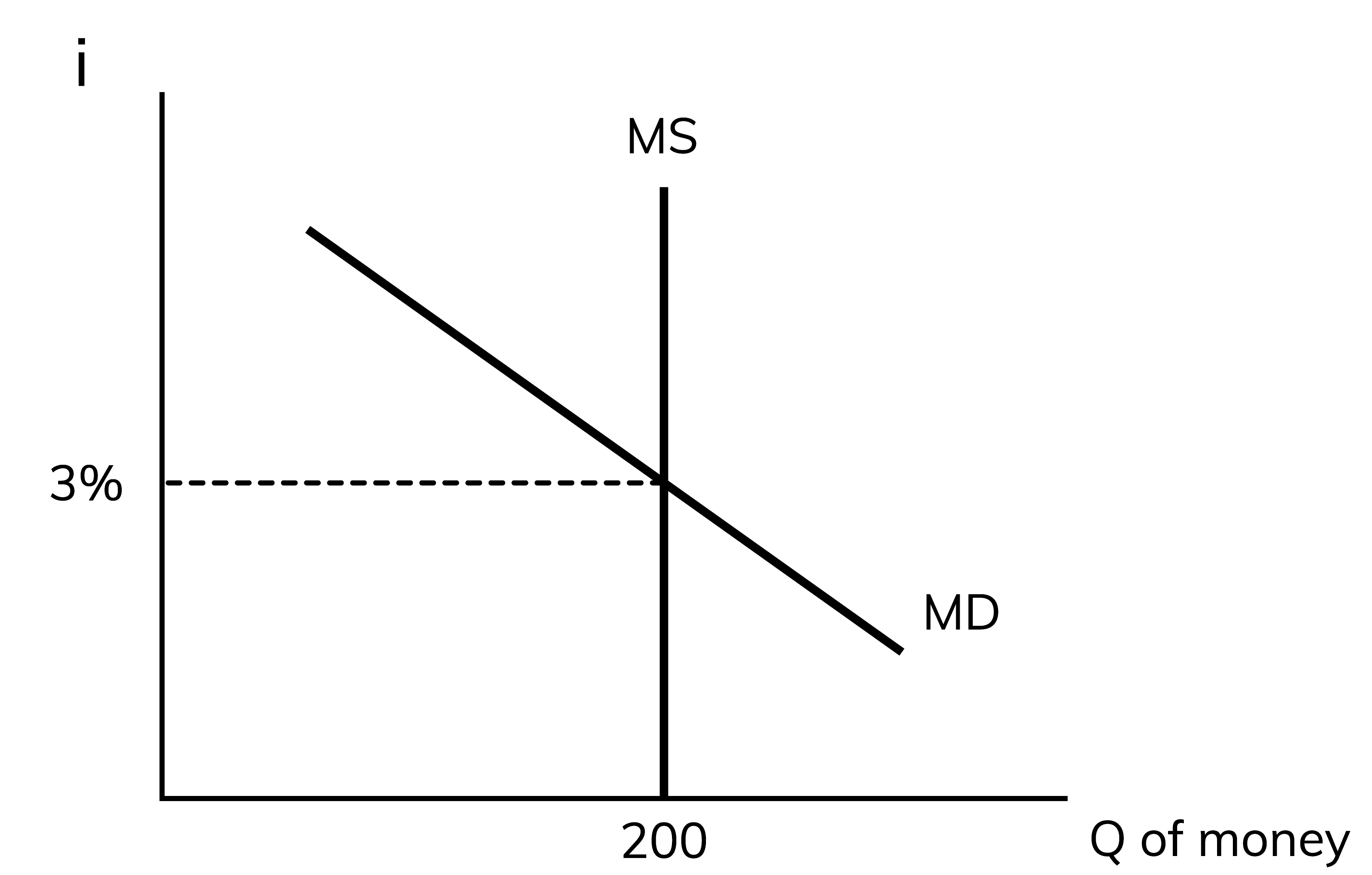
- When the interest rate rises from fiscal expansion (increase in government spending) it causes the domestic assets (bonds) to becomemoreattractive so the domestic currency willappreciate. This causes net exports todecrease(get crowded out).
- In an open economy with flexible exchange rates, expansionary fiscal policy causesmorecrowding out since both Investment and Net Exports get crowded out so the expansionary fiscal policy islesseffective.
Expansionary Fiscal Policy with a Fixed Exchange Rate
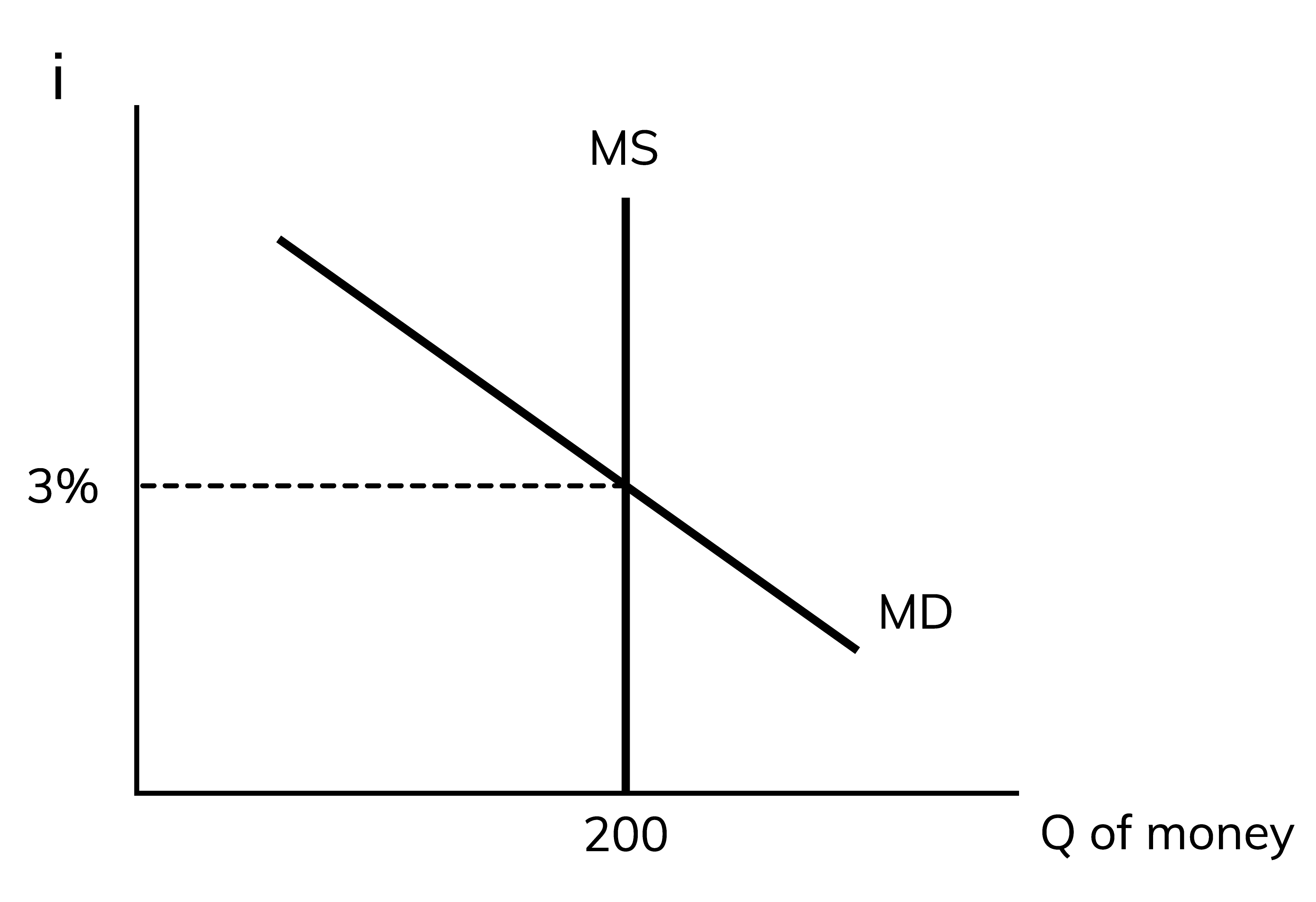
- When the interest rates rise higher than the world interest rate it causes domestic assets to becomemoreattractive which causesmoreforeign currency to flow in to the domestic country.
- We exchange the foreign currency for domestic dollars at the central bank.
- This causes domestic money supply toriseand interest rate tofallback to the original level.
- Overall there isnocrowding out of Investment or Net Exports.
- This is why fiscal policy is more effective with afixedexchange rate.