
0:00 / 0:00
Origin of Species
This sections deals with how species are created and maintained in the real world
How does variation persist?
- All of the ways that variation is created
- Mutation
- Recombination
- Independent Assortment of Chromosomes
- Fertilization
- Disruptive Selection
- Gene Flow
- Negative Frequency-Dependent Selection: a trait is only advantageous when it is rare
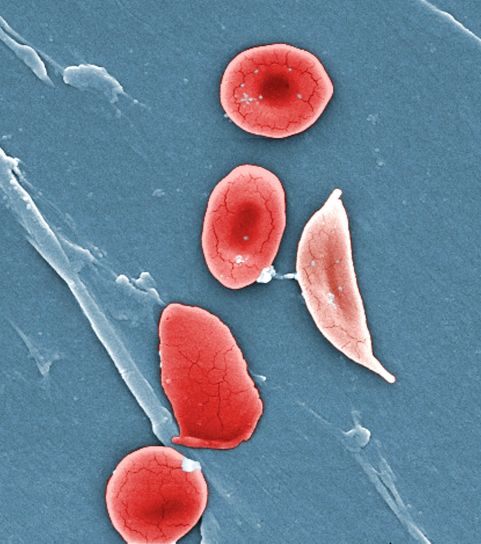
- Heterozygote Advantage: having two different alleles for the same gene produces the greatest fitness Example: Sickle-Cell Anemia
Types of Evolution
- Microevolution: evolution within populations or species (smaller changes)
- Can accumulate to become macroevolution
- Macroevolution: evolution above the species level
- Novel traits ("game changers")
- Can result from mass-extinction which open up the environment for rapid evolution
Biological Species Concept
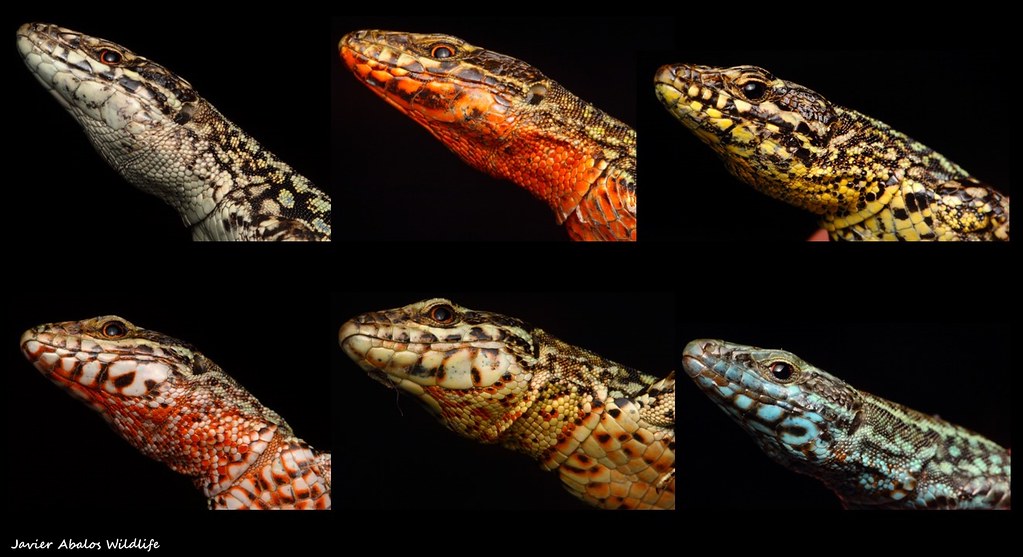
- Biological Species Concept: a "species" is a group of interbreeding organisms that can produce viable offspring in nature
- Issues:
- doesn't work with asexual organisms
- some species can reproduce with other species: hybrids
- Reproductive Isolation: a "species" should not be able to breed with other "species"
- Prezygotic Isolation: barriers to reproduction before fertilization
- Ecological
- Temporal
- Behavioral
- Mechanical
- Gamete
- Postzygotic Isolation: species can mate, but the resulting offspring fail
- zygote death
- infertile F1 offspring
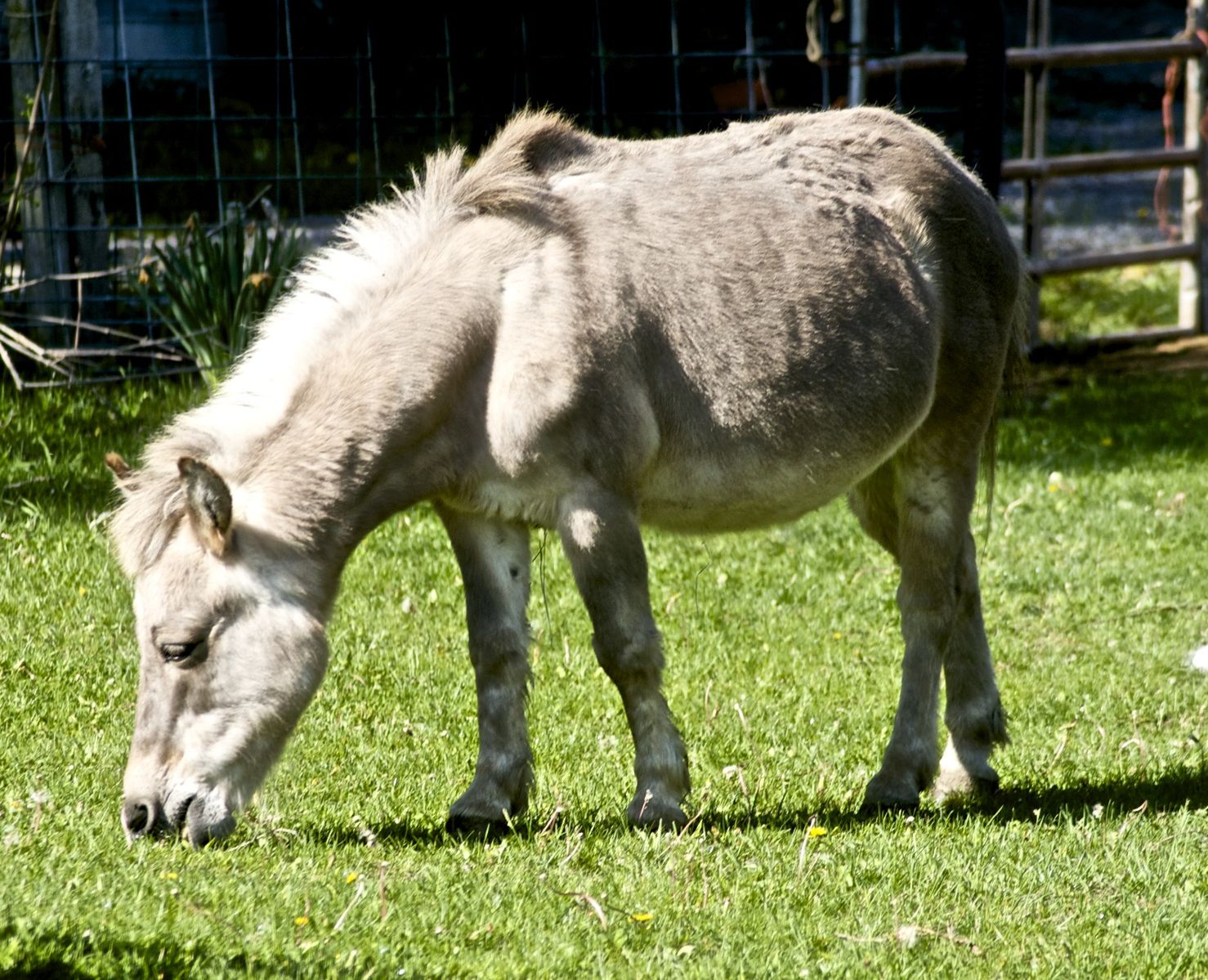
- low hybrid fitness Example: "Hinny" is a sterile cross between Horse and Donkey
Wize Tip
The difference between postzygotic and prezygotic reproductive isolation is often tested on exams!
Speciation
- Allopatric Speciation: speciation occurs due to a geographic barrier
- most common
- after two groups become isolated they differentiate

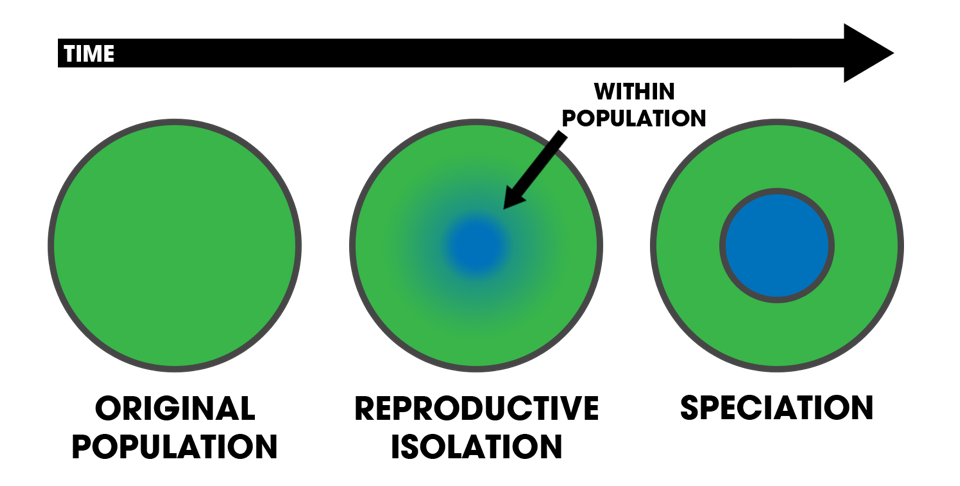
- Sympatric Speciation: speciation without a geographic barrier
- rare
- assortative mating
- microhabitat specialization
- disruptive selection
- After reproductive isolation
- no gene flow between populations
- evolution occurs separately for the two populations
- eventually the two populations become different enough to prevent mating
Wize Concept
Sympatric speciation is quite rare, some scientists question whether it is really possible
0:00 / 0:00
Example: Types of Speciation
A population of sloths lives in a forest. After an extremely violent storm, a number of trees fall splitting the forest in two where the sloths from one side cannot interact with sloths on the other.
a. What type of speciation is likely to occur in this scenario?
b. If humans came in a removed all the fallen trees after a few years, would the two
sloth populations interbreed? Why or why not?
a. Allopatric speciation
b. Yes they would likely still interbreed because a few years is generally not enough time
for speciation to occur, differential selection would have to had to have been huge on
either side of the barrier.
0:00 / 0:00
Example: Secondary Contact
What happens if a population regains secondary contact?
If two populations previously undergoing allopatric speciation regain secondary contact either the speciation will be reinforced because there will be pre-zygotic or post-zygotic isolation (usually pre-zygotic), or gene flow will be reestablished and they will produce viable and fertile offspring, so according to the biological species concept no speciation occurred.
Practice: Species
True or False: Enough microevolutionary events can accumulate to create a macroevolutionary event.
Practice: Reproductive Isolation
Match the following terms to their correct definitions:
A.
Differences in mating rituals
B.
A hybrid offspring is produced by is not itself able to reproduce
C.
Yearly mating schedule is different
D.
Sexual organs do not fit together
Behavioural Isolation
F1 infertility
Temporal Isolation
Mechanical Isolation
Practice: Types of Speciation
In speciation, populations become geographically isolated. When contact occurs and populations can co-mingle again, speciation has occurred when the populations become isolated from each other. If this isolation was due to mating rituals being now vastly different, this would be an example of isolation.