Wize University Biology Textbook > Eukaryotes
Unicellular Protists
Popular Courses
Biology
General Course
General Biology
University Study Guides
DAT
General Course
Grade 11 Biology
Ontario High School
Grade 11 Biology
Canada High School
BIO 1131
University of Ottawa
BIOLOGY 1M03
McMaster University
General Biology
University Study Guides
BIOL 108
University of Alberta
Biology 20
Alberta High School
BIOL 111
McGill University
BIOL 184
University of Victoria
BIOL 1010
Dalhousie University
BIOL 1201
Western University
Life Sciences 11
British Columbia High School
BIOL 1P91
Brock University
BLG 144
Toronto Metropolitan University
BIOL 1020
University of Manitoba
BIOL 331
University of Calgary
BIOA01H3
University of Toronto

0:00 / 0:00
Kingdom Protista
- Protista is paraphyletic
- The clade includes all groups except for 3
Exam Tip
For most courses you don't need to memorize the names of the Protist subgroups. Instead focus on what makes them unique and what behavior or structure enables this.
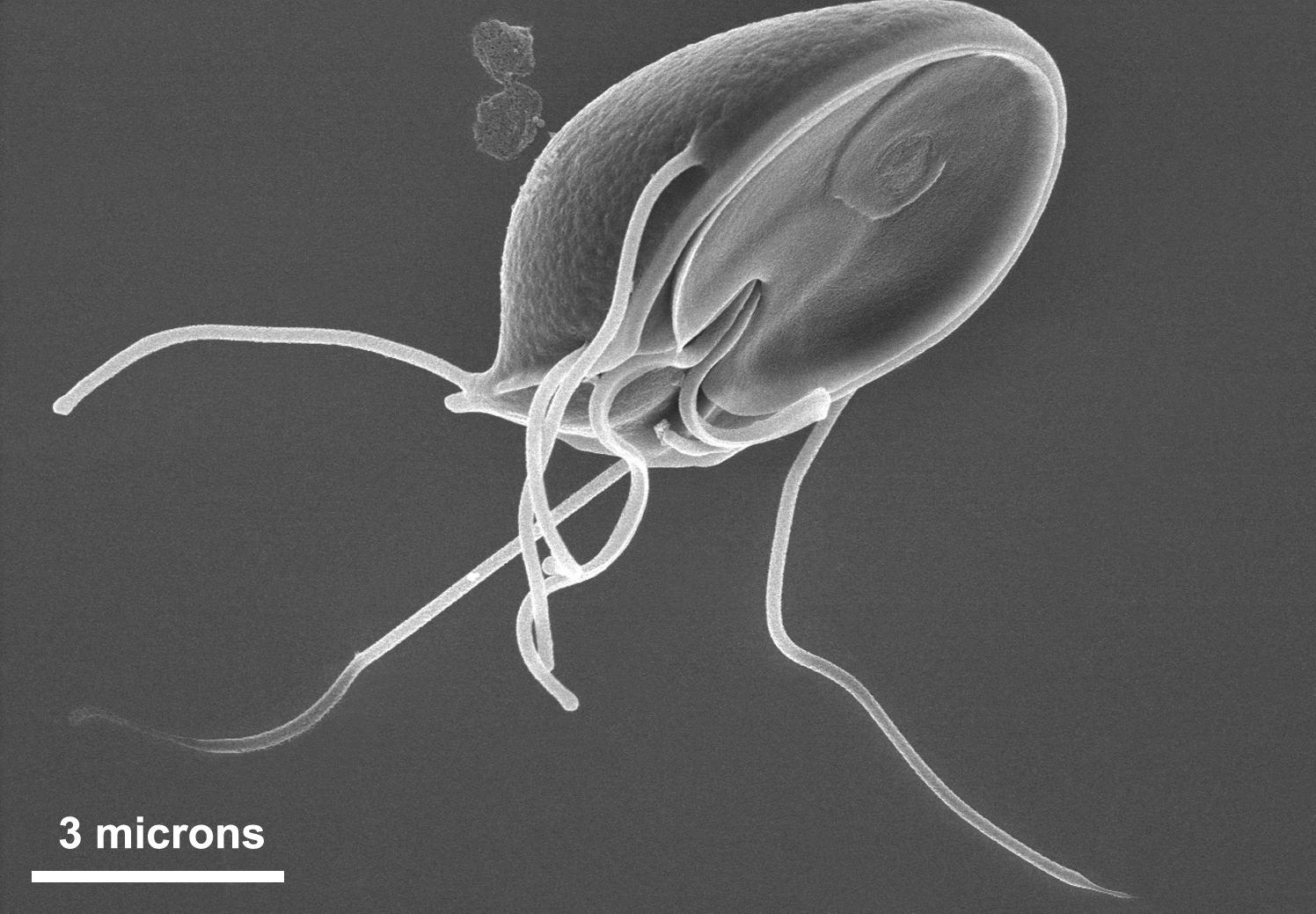
Excavata
- Highly variable
- Can be very pathogenic
- Trypanosoma brucei (sleeping sickness)
- Transmitted by tsetse flies
- affects the Central Nervous System
- Giardia lamblia (diarrhea)
- Drinking water contaminated with feces
- Can infect other animals as well
Ghiardia lambila
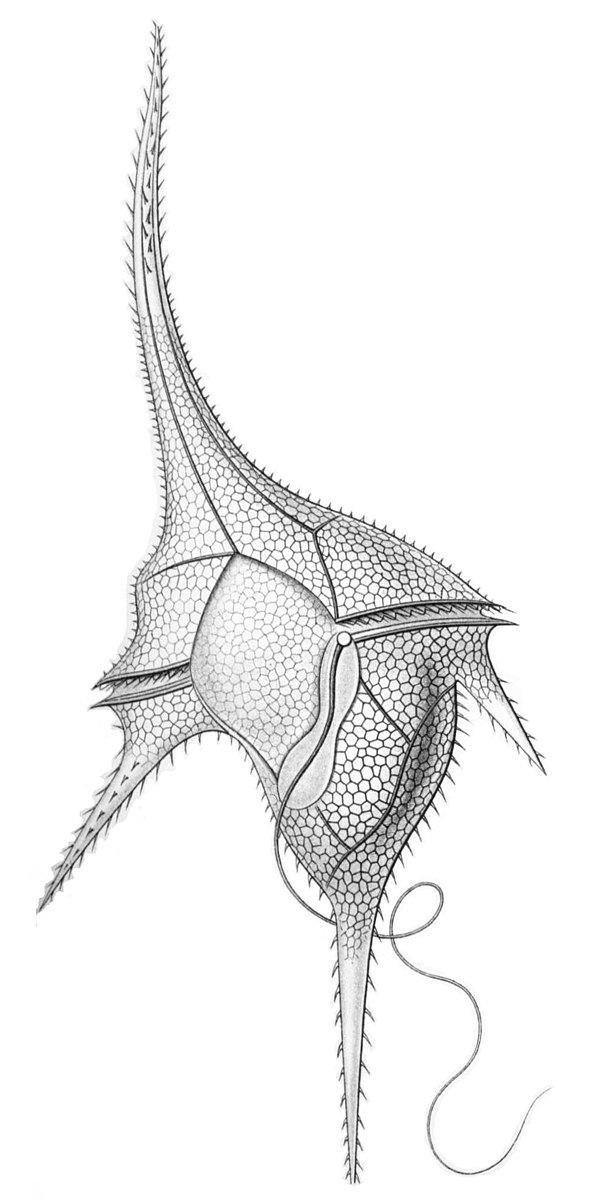
Dinoflagellets
- Reinforced cellulose plates as armor
- 2 flagella which make it spin
- Greek "dinos" = whirling
- Latin "flagellum" = whip
- Includes marine and freshwater plankton
- Over abundance of some species will create red tides: a harmful algal bloom
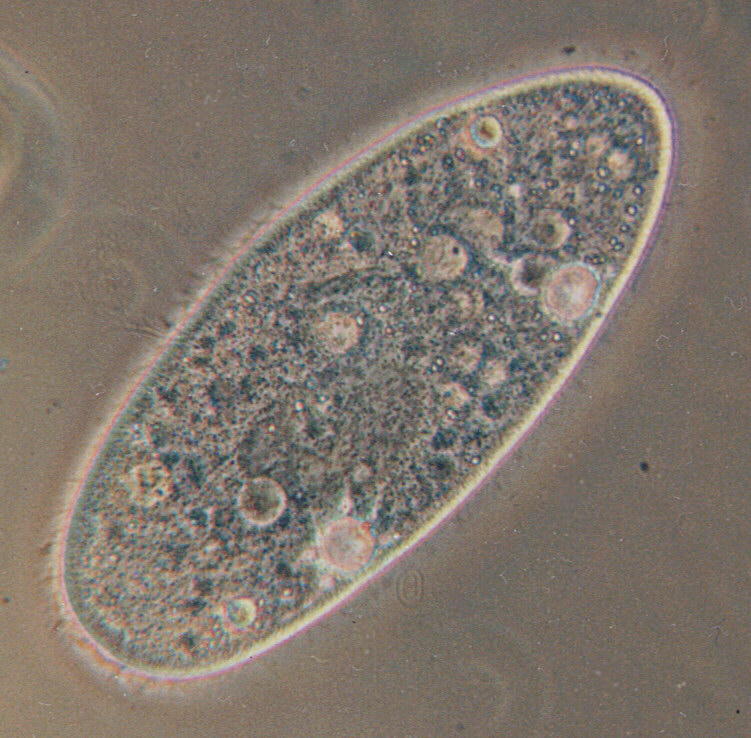
Chromalveolates
- Several groups only united by DNA
- Apicomplexans
- Parasitic Example: Plasmodium (malaria)
- Ciliates
- Full mobility (unlike other plankton)
- Heterotrophic
- Uses oral groove to eat bacteria and small protists
- Phagocytosis: engulfs prey to eat
- Reproduces using binary fission / conjugation Example: Paramecium
- Diatoms
- Unicellular algae
- Makes up a large portion of marine and freshwater plankton
- Membrane made out of silica
- Super strong: (can withstand 1.4 million kg/m2!!)
Paramecium
Practice: Protists
Which clade of protists is best characterized by the two flagella it uses to spin and move?
Practice: Protists
Which group of unicellular protist has an extremely hard outer membrane made of silica?
Practice: Protists
Which group of unicellular protists contains extremely pathogenic organisms, including those that cause Sleeping Sickness and Giardia?