Wize University Biology Textbook > Eukaryotes
Multicellular Protists
Popular Courses
Biology
General Course
General Biology
University Study Guides
DAT
General Course
Grade 11 Biology
Ontario High School
Grade 11 Biology
Canada High School
BIO 1131
University of Ottawa
BIOLOGY 1M03
McMaster University
General Biology
University Study Guides
BIOL 108
University of Alberta
Biology 20
Alberta High School
BIOL 111
McGill University
BIOL 1010
Dalhousie University
BIOL 1201
Western University
Life Sciences 11
British Columbia High School
BIOL 1P91
Brock University
BIOL 1020
University of Manitoba
BIOL 331
University of Calgary
BIOA01H3
University of Toronto
BISC 102
Simon Fraser University
BI110
Wilfrid Laurier University

0:00 / 0:00
Multicellular Protists

This is when we start to see more complex cells with larger structures!
Brown Algae
- Seaweed
- Large multicellular algae with complex structure
- Cell walls filled with algin: gel-like substance Examples:
- Thickening agent,
- waterproof and fireproof fabric
Archaeplastids
- Viewed as "ancient chloroplasts"
- Likely the endosymbiont that absorbed a photosynthetic Cyanobacteria, enabling it to use photosynthesis
Red Algae
- Pigment turns it red, masking the green chlorophyll
- Contains the multicellular seaweeds
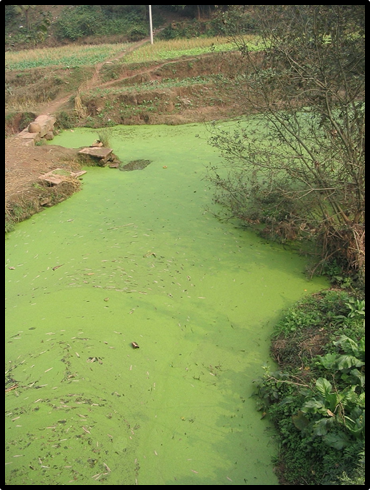
Green Algae
- Chlorophytes
- Chlorophyll produces green pigment
- Most inhabit fresh water
- Contains both unicellular and multicellular species
- multicellularity allows for division of labor
- Charophytes
- Complex, multicellular organisms
- Closely related to land plants (sister taxa)
- Freshwater algal blooms
- Eutrophication: too many nutrients
- Caused by chemical and animal runoff
- Occurs in warm water
- When algal bloom dies it creates a mat
- aerobic bacteria decompose the dead algae and consume all the oxygen in the water
- kills other aquatic organisms
Other Groups
- Other multicellular protists
- Rhizaria
- Unikota
Practice: Protists
Which multicellular protists are considered "ancient chloroplasts"?
Practice: Protists
Which of the following is FALSE about eutrophication?
Practice: Protists
Which group of algae produces the gel-like substance algin?