Wize University Biology Textbook > Invertebrates (Part 1: Non-Molting)
Acoela (Flatworms)
Popular Courses
Biology
General Course
General Biology
University Study Guides
DAT
General Course
Grade 11 Biology
Ontario High School
Grade 11 Biology
Canada High School
General Biology
University Study Guides
BIOL 108
University of Alberta
Biology 20
Alberta High School
BIOL 111
McGill University
BIOL 1201
Western University
Life Sciences 11
British Columbia High School
BIOL 1P91
Brock University
BLG 144
Toronto Metropolitan University
BIOL 1020
University of Manitoba
BIOL 331
University of Calgary
BIOA01H3
University of Toronto
BISC 102
Simon Fraser University
BI110
Wilfrid Laurier University
BIO220H1
University of Toronto
BIOL 201
University of Alberta
0:00 / 0:00
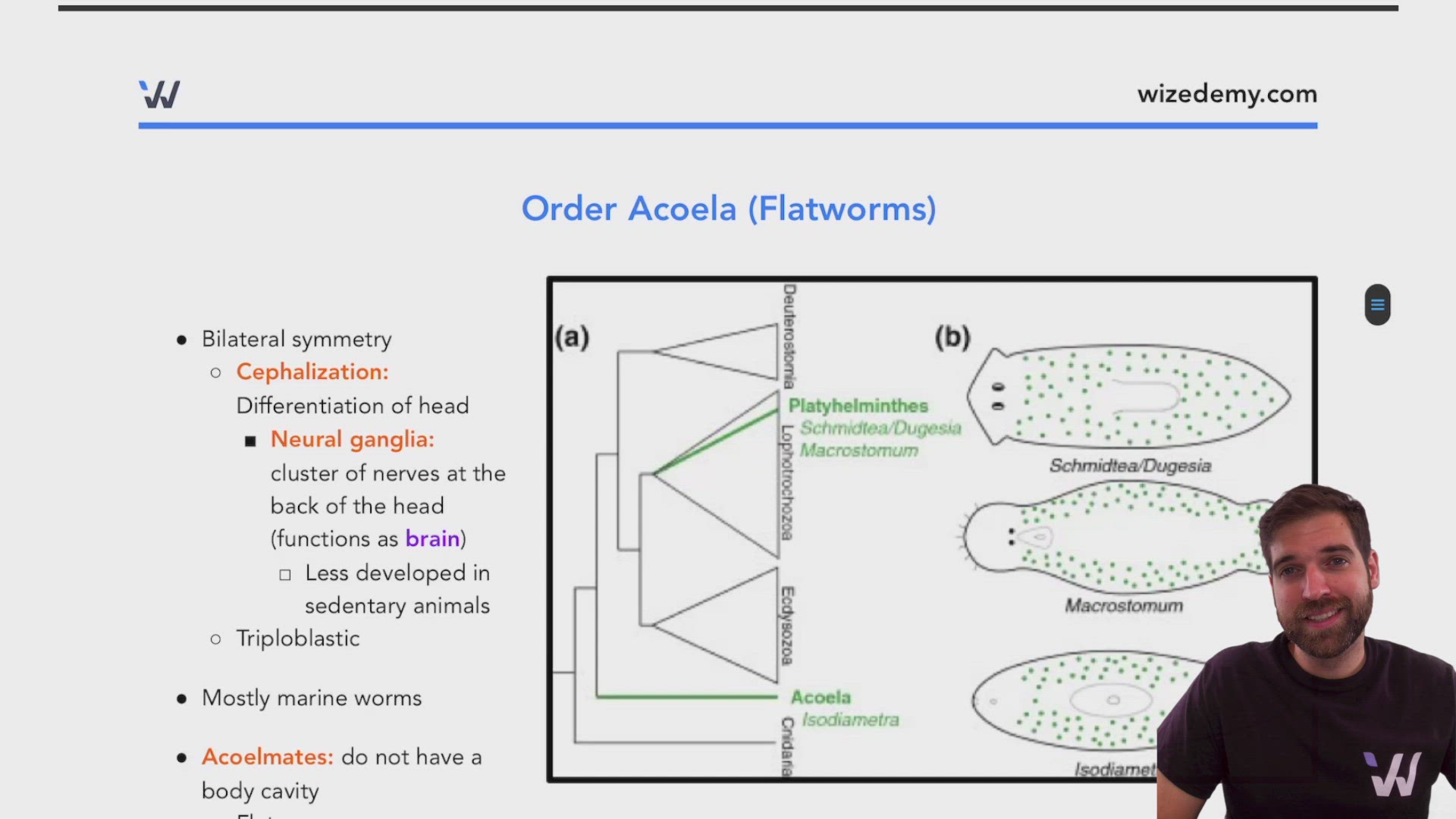
Order Acoela (Flatworms)

- Bilateral symmetry
- Cephalization: Differentiation of head
- Neural ganglia: cluster of nerves at the back of the head (functions as brain)
- Less developed in sedentary animals
- Triploblastic
- Mostly marine worms
- Acoelmates: do not have a body cavity
- Flat
- Very minimal cephalization
- Do not have:
- Brain
- Anus
- Gut cavity
- Uses endocellular digestion: food is digested in vacuoles
- New phylogeny suggests Acoela is sister to Deuterostomia
- Clade Lophotrochozoa
- 18 Phyla
- Simple to complex worms
- Lophophore: feeding structure
- Trochozoa: larval stage
Phylum Platyhelminthes
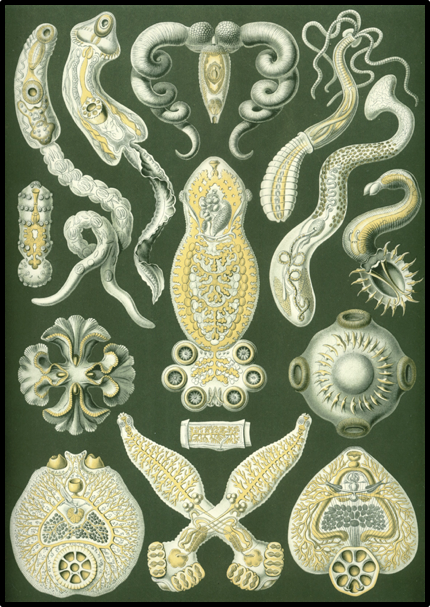
- Flatworms
- Acoelmates
- No fluid filled cavity
- Just solid tissue
- Triploblastic
- Breathe using diffusion
- No specialized circulatory or gas-exchange system
- Thin skin
- Not a high surface area to volume ratio
- Incomplete digestive tract
- Has mouth and gut, but no anus
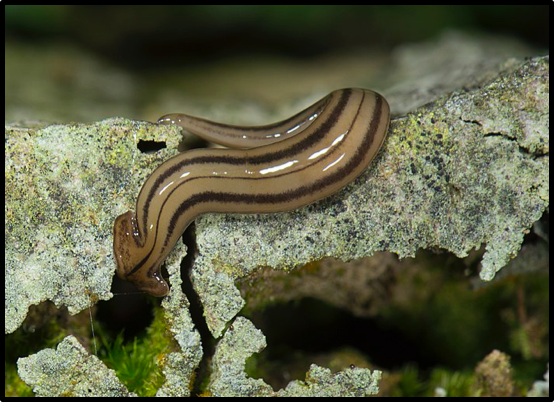
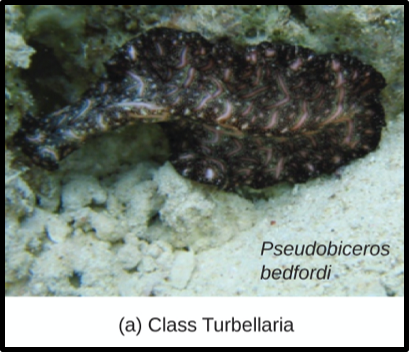
Class Turbelleria
- Free living flatworms
- Marine and predatory
- Epidermis covered in cilia
- Pair of ventral nerve cords
- Pair of ganglia
- No anus
- Food that is not digested is ejected from the mouth
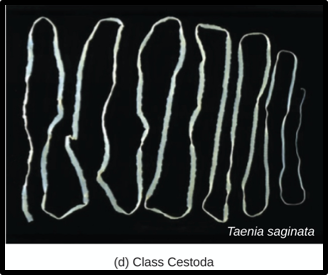
Class Cestoidea
- Mostly parasites
- Endoparasites: Parasitize another organisms digestive system
- Mostly vertebrate hosts
- Invertebrates are intermediate hosts
- No digestive system
- Scolex: Suckers / hooks that hold onto hosts gut
Tapeworms
- Proglottids: long chain of units devoted to reproduction
- New ones produced near scolex
- Filled with eggs
- Also absorbes nutrients
- Creates many
- These fall off to infect other hosts
- Complex life cycle
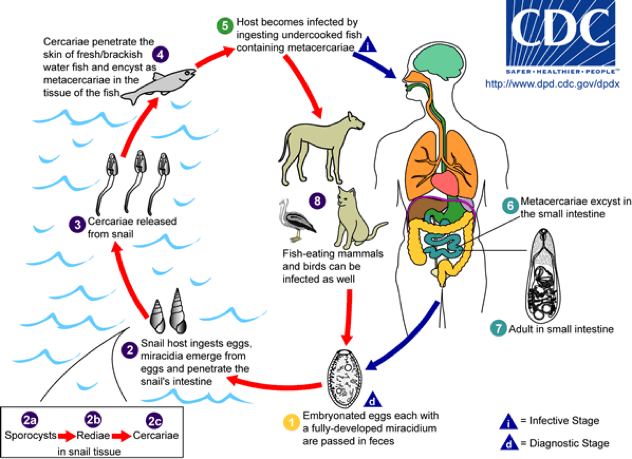
- Needs 2 types of host to complete
- Intermediate Host (IH)
- Usually invertebrate
- Consumes the eggs
- Eggs hatch into larvae which encyst: attach themselves inside host
- Parasite goes through asexual reproduction
- Definitive Host (DH)
- Usually vertebrate
- Eats the IH
- Larvae develop into adult tapeworm inside DH
- Parasite goes through sexual reproduction
- Tapeworms in humans
- Comes from
- Undercooked pork and beef
- Raw fish
- Can cause blockage and nutritional deficiencies
Photo by
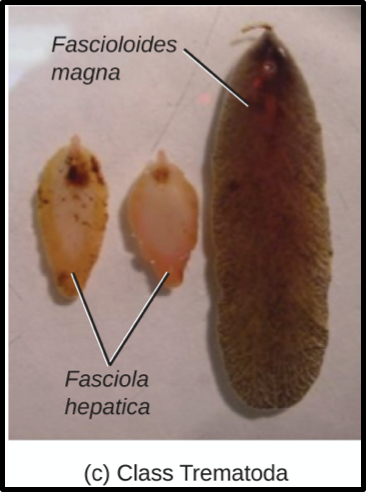
Class Trematoda
- "Flukes" with 2 large suckers
- Blood flukes (Schistosomia)
- Causes "Swimmers Itch"
- Have complex life cycles
Practice: Flatworms
Which of the following are true about flatworms? (select all that apply)
Practice: Tapeworms
Fill in the blanks.
Tapeworms often require 2 types of hosts. First they need a __________________ host followed by a _________________ host.