Wize University Biology Textbook > Invertebrates (Part 1: Non-Molting)
Annelids (Segmented Worms)
Popular Courses
Biology
General Course
General Biology
University Study Guides
DAT
General Course
Grade 11 Biology
Ontario High School
Grade 11 Biology
Canada High School
General Biology
University Study Guides
BIOL 108
University of Alberta
Biology 20
Alberta High School
BIOL 111
McGill University
BIOL 1201
Western University
Life Sciences 11
British Columbia High School
BIOL 1P91
Brock University
BLG 144
Toronto Metropolitan University
BIOL 1020
University of Manitoba
BIOL 331
University of Calgary
BIOA01H3
University of Toronto
BISC 102
Simon Fraser University
BI110
Wilfrid Laurier University
BIO220H1
University of Toronto
BIOL 201
University of Alberta

0:00 / 0:00
Phylum Annelida (Segmented Worms)
Here we begin to see more complex bodies, complete with blood vessels and digestive systems
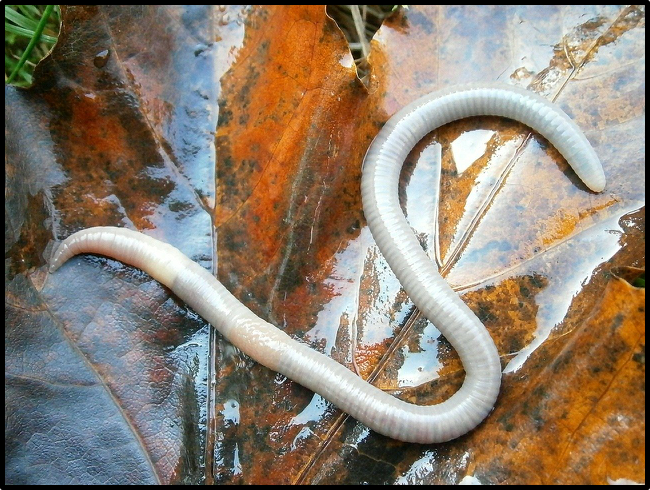
- Segmented worms
- Annulus = "ring"
- Basic characters
- Segmented
- repeating units separated by septa: thin sheet of tissue
- Eucoelomate: true coelomates
- Closed circulatory system
- Blood vessels
- Complete digestive system with anus
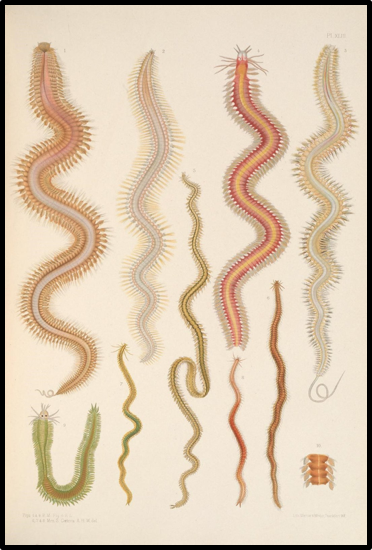
Class Polychaeta
- Contains most annelids
- Mostly marine
- Have parapodia = "sort-of feet"
- Each bears many chaetae: bristles
- Differentiated head
- Sensory antennae
- Jaws
- Eyes
- More developed in errant species than sedentary species
- Errant: very active organsim
- Sedentary: not very active organism
Class Polychaeta (Continued)
- Predatory
- Feeding
- Ingest substrate to digest organic matter
- Suspension feeders: filter food out of water column
- Deposit feeders: collect food with sticky tentacles
- Sedentary Polychaetes dig holes and construct tubes for protection
- Free spawning
- Release gametes into water
- External fertilization
- Larvae are planktonic trochophores
- Trochophores: wheel like arrangement of cilia
- Benthic: live in the lowest part of the water
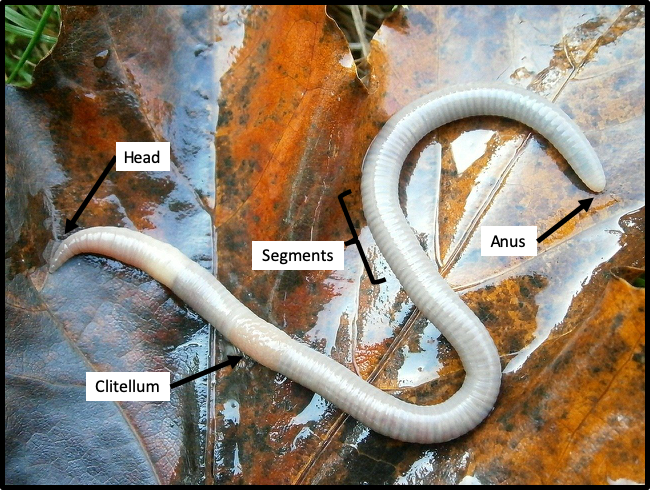
Class Oligochaeta
- Less diverse morphology and ecology
- Lack parapodia and developed heads
- Non-leech species retain some parapodia
- Terrestrial and freshwater
- Feeding
- Ingest substrate to digest organic mater
- Not free spawning
- Hermaphrodites: simultaneously male and female
- Transfer gametes directly into female organ
- Copulation: transfers sperm into others seminal receptacle (and vice-versa)
- Clitellum: secretes gel-like substance to form cocoon
- Raised band that is thicker than the body
- Deposit eggs into cocoon
- slides cocoon forward where sperm will be deposited
- External fertilization
- Direct development: young are hatched looking like adults
- Terrestrial Oligochaeta
- Important for soil formation
- Breaks down organic matter
- Aerates soil
- Composting
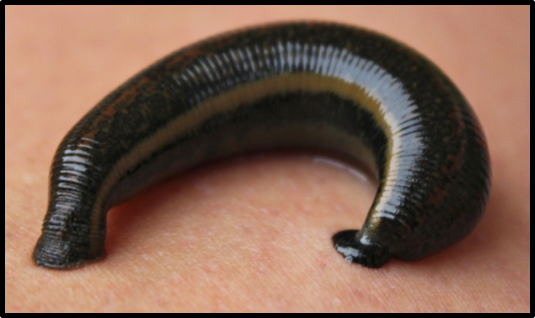
Subclass Hirudinae
- Leeches
- Mostly freshwater
- Has clitellum
- Lacks parapodia and chaetae
- Predators
- Prey on soft-bodied inverts
- Some feed on blood
- Use anesthetics and anticoagulants to suck blood without detection
- Used to be used in medicine
- Helps blood travel to re-attached extremitie
Practice: Annelids
What term best describes annelids?
Practice: Annelids
Fill in the blanks.
__________ are more developed in _________ than in ________________ species.