0:00 / 0:00
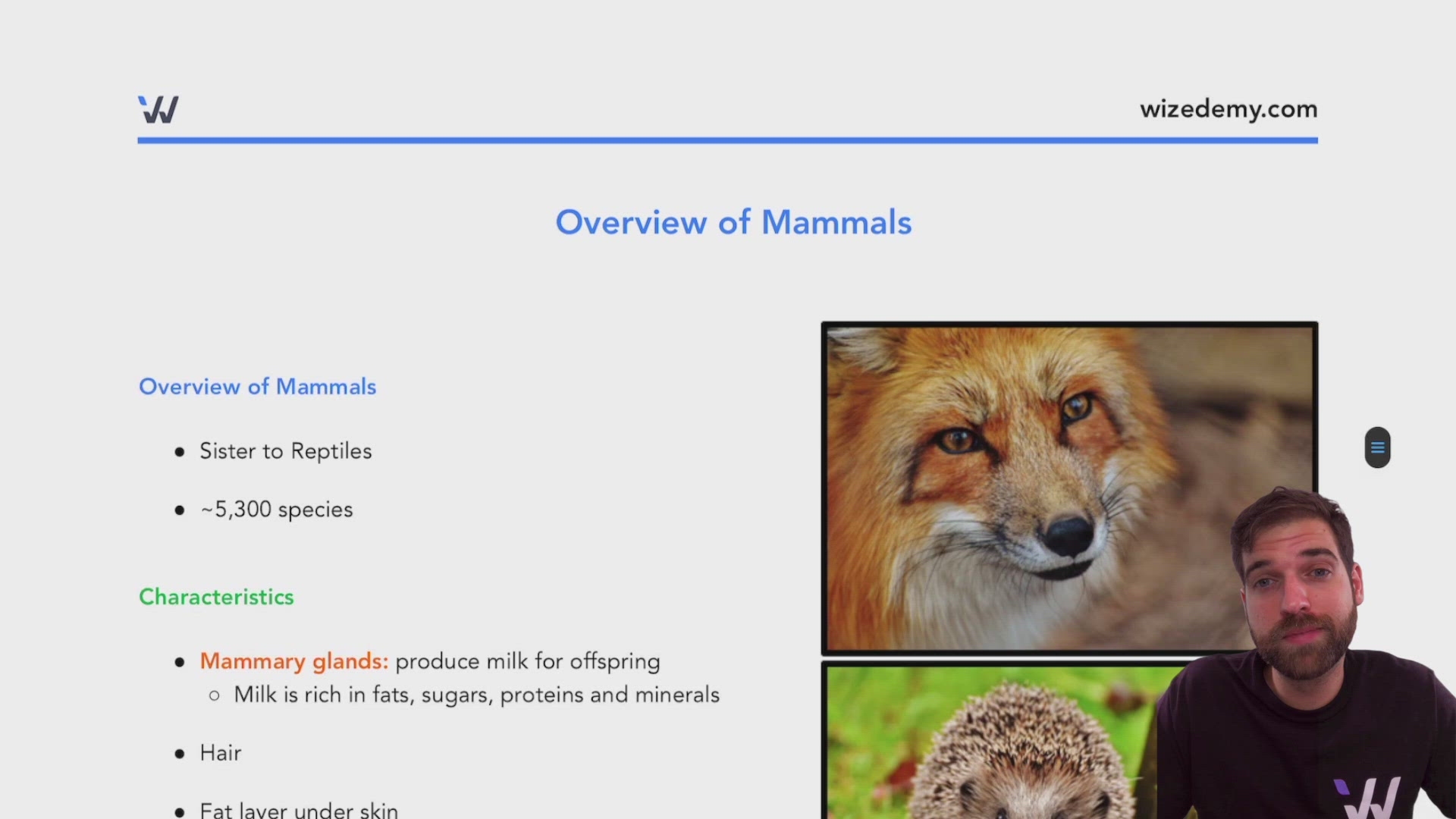
Overview of Mammals
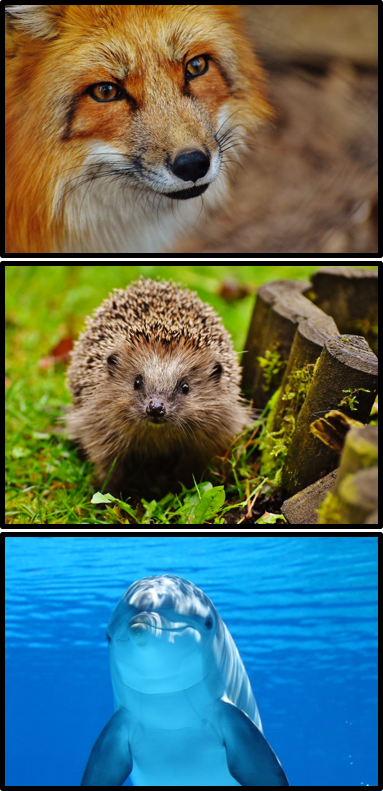
Overview of Mammals
- Sister to Reptiles
- ~5,300 species
Characteristics
- Mammary glands: produce milk for offspring
- Milk is rich in fats, sugars, proteins and minerals
- Hair
- Fat layer under skin
- Provides insulation to conserve water and heat
- Kidney: reduces water lost in urine
- Endothermic
- Efficient circulatory and respiratory system
- Parental care
- Teach learned behaviors
- Variable jaw and tooth structure
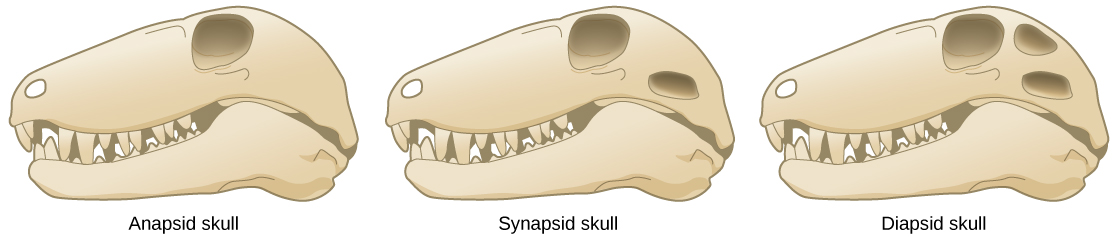
- Synapsid: Only one hole behind eyes in skull
Evolution of mammals
- Synapsids evolved into herbivores and carnivores ~300-250 MYA
- Mammal-like synapsids diversified at the end of the Triassic period (250 - 200 MYA)
- First true mammal occurred during the Jurassic period (200-150 MYA)
- Three major lineages of mammals around by the end of the Cretaceous period (140 MYA)
Practice: Mammals
Which of the following best describes a mammalian skull?
0:00 / 0:00
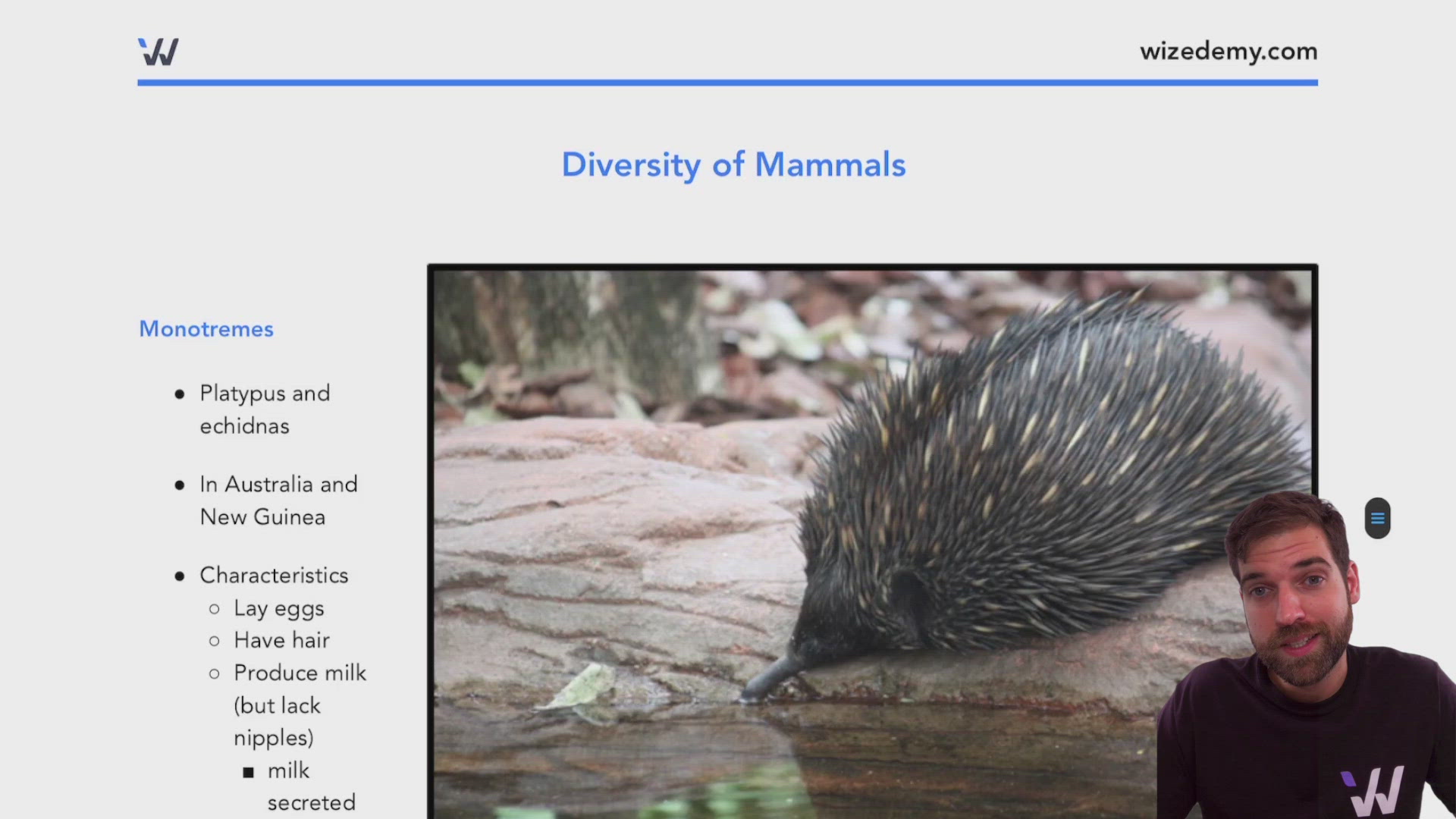
Diversity of Mammals
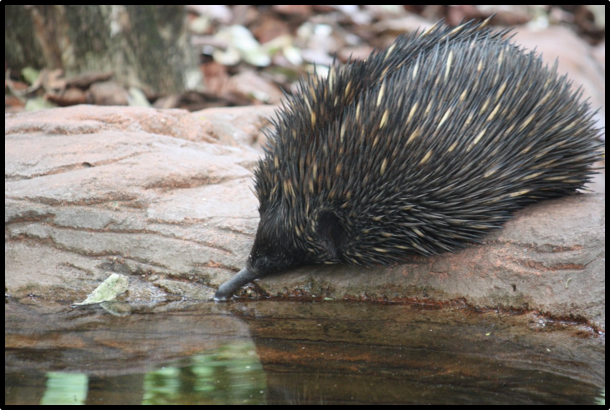
Monotremes
- Platypus and echidnas
- In Australia and New Guinea
- Characteristics
- Lay eggs
- Have hair
- Produce milk (but lack nipples)
- milk secreted from mothers belly
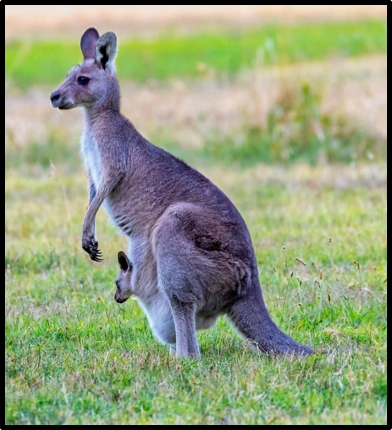
Marsupials
- Opossums, kangaroos, koalas etc.
- High metabolic rate
- Have nipples for milk
- Give birth to live young
- Placenta: structure that provides nutrients to embryo from mothers blood
- Marsupials born very early in development
- Marsupium: pouch where very small young develop
- Used to exist worldwide
- During Pangaea marsupials spread
- Only remain in Australia which has not had secondary contact with other lands
- Most marsupials replaced by eutherians outside of Australia
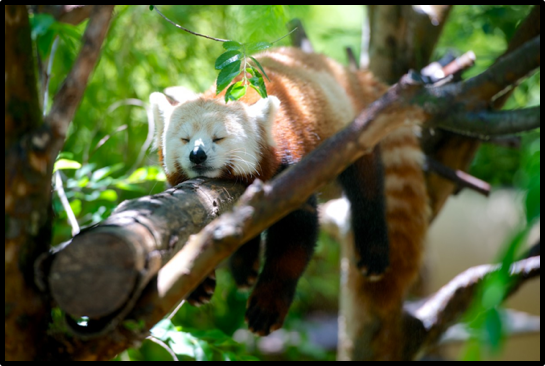
Eutherians
- Placental mammals
- Have a more complex placenta than marsupials
- Longer pregnancy
- Young complete embryonic development in uterus
- Diversification occurred in a burst
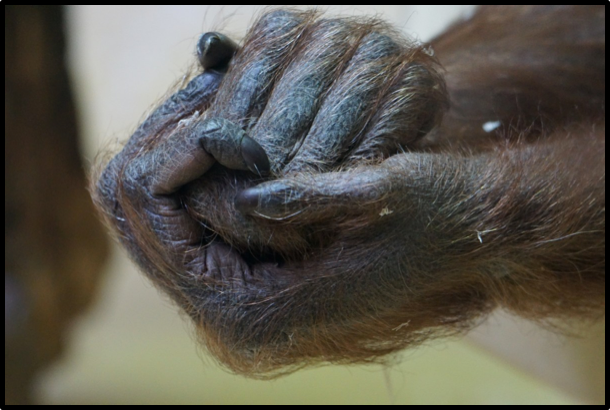
Primates
- Also Eutherians
- Lemurs, tarsiers, monkeys and ape Example: Humans are within the ape clade
Characteristics
- Hands and feet
- Digits have flat nails
- Larger brains, shorter jaws
- Forward facing eyes close together
- Complex parental care and social behavior
- Opposable thumb: thumb that is opposite the fingers, for grasping
- Humans have additional bone for precise dexterity
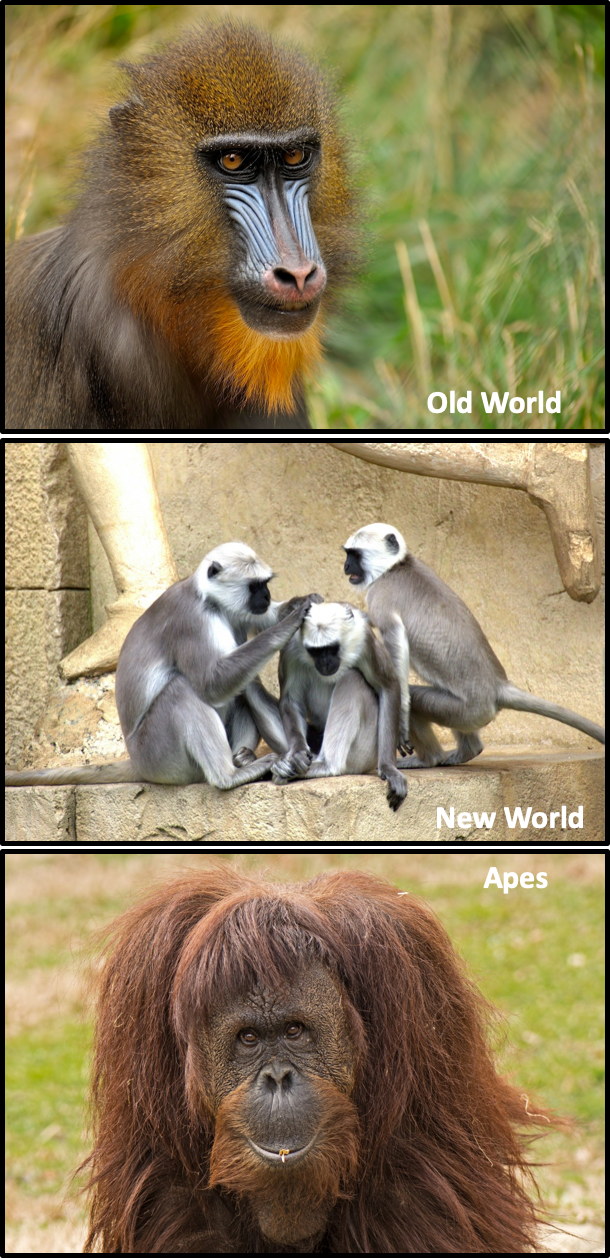
Living primates
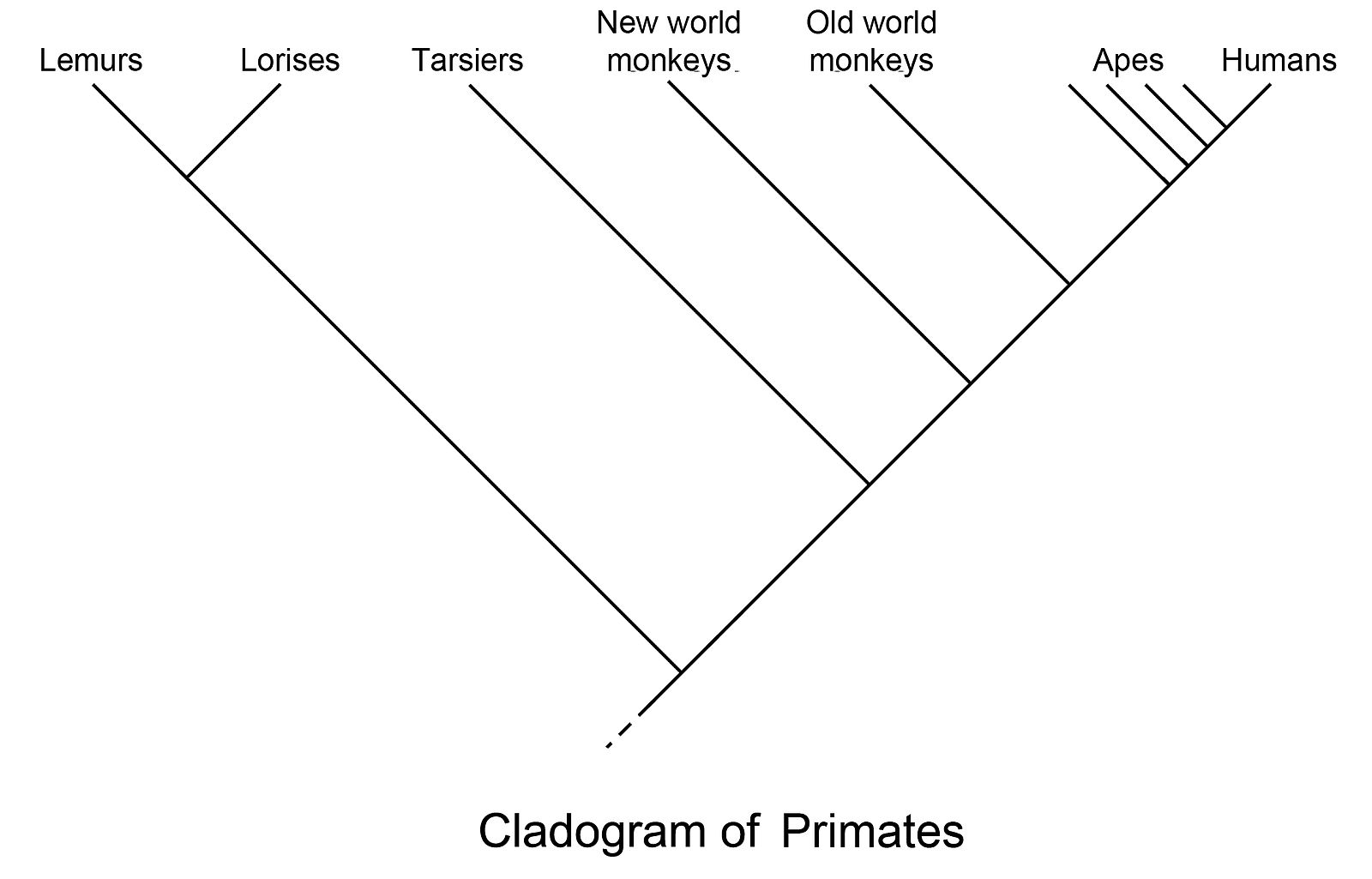
- Three main groups
- Lemurs, lorises, bush babies
- Tarsiers
- Anthropoids: monkeys and apes
- Monkeys
- Old world monkeys
- Arboreal and ground dwelling
- New world monkeys
- All are arboreal
- Apes
- Gibbons, orangutans, gorillas, chimpanzees and bonobos, humans
Practice: Mammals
Which of the following is NOT a mammal?
Practice: Mammals
__________ monkeys can be arboreal or terrestrial, but _______________ monkeys are strictly arboreal.