Popular Courses
BIOLOGY 1001A
Western University
Biology
General Course
General Biology
University Study Guides
BIOL 107
University of Alberta
Grade 11 Biology
Ontario High School
Grade 11 Biology
Canada High School
DAT
General Course
BIO 1131
University of Ottawa
General Biology
University Study Guides
BIOL 108
University of Alberta
Biology 20
Alberta High School
BIOL 111
McGill University
BIOL 184
University of Victoria
BIOL 112
McGill University
BIOL 1010
Dalhousie University
BIO230H1
University of Toronto
BIOL 1201
Western University
Life Sciences 11
British Columbia High School
BIOL 1P91
Brock University
BLG 144
Toronto Metropolitan University

0:00 / 0:00
Prokaryotes
- First fossil evidence approx. 3.5 Billion Years Ago (BYA)
- First Unicellular Organism: Single celled organism
- Polyphyletic group
- Archaea and Eukarya are sister to Bacteria
- Possibly a bad classification
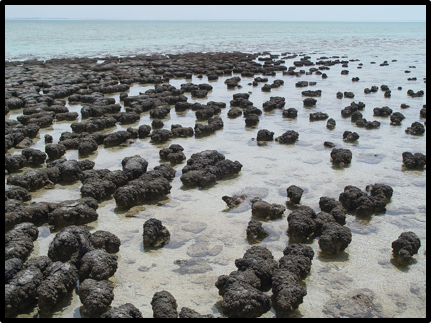
- Earliest fossils are Stromatolites: Rock-like layers of bacterial mats and sediment
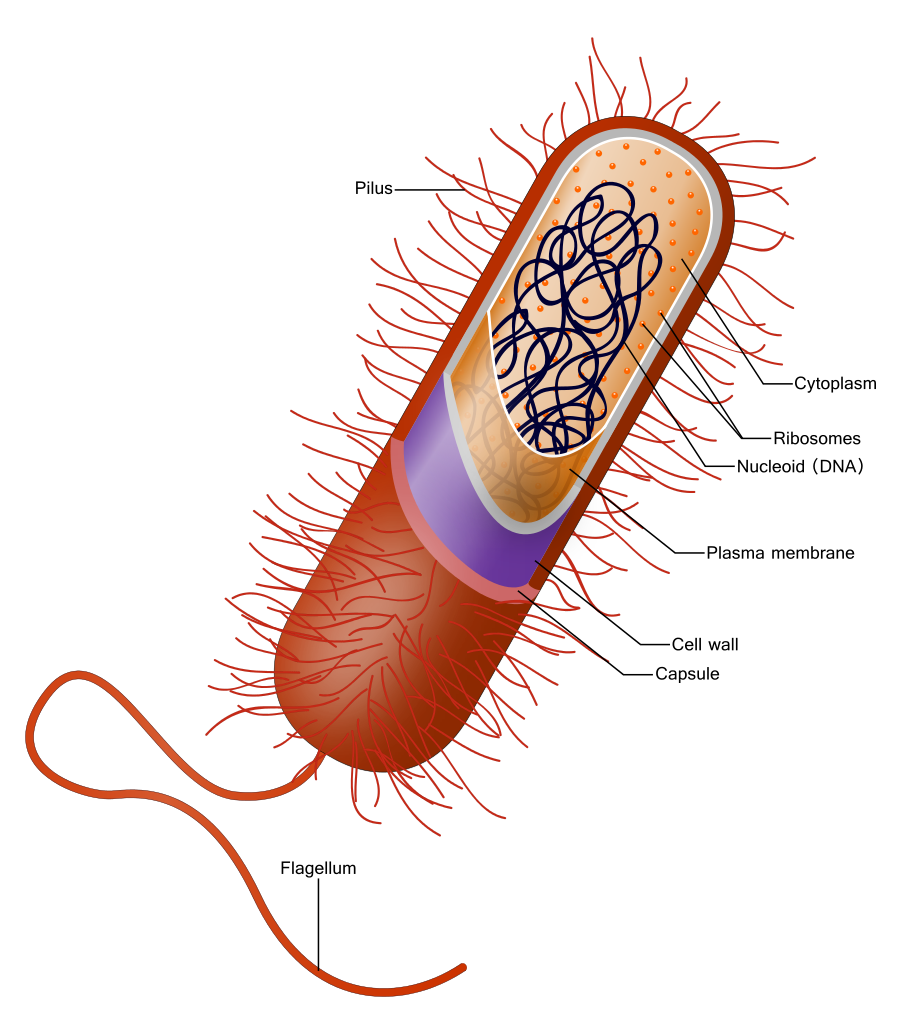
Structure of Prokaryotes (Bacteria)
Wize Concept
Most of the Prokaryotes we cover are from the Bacteria domain, so this overview mostly focuses on bacteria.
I will cover the differences in Archaea in the next section
Simple
- No nucleus
- DNA is circular
- Also may have plasmids: Additional DNA
- Specialized functions (antibiotic resistance)
- No membrane-enclosed organelles
- No mitochondria
- All have cell walls
- Peptidoglycogen: modified sugars used for cell wall
- not cellulose (used by plants)
- not chitin (used by fungi)
- Used for shape and protection
- prevents cell from bursting in hypotonic solution (a solution with lower concentration of ions than the cell)
- Absent in Archaea
- Prokaryotes are small
- size limited by diffusion
- all nutrients must diffuse passively across the cell wall
- Small cells have greater Surface Area to Volume ratio
- Take up nutrients more rapidly and efficiently
Prokaryotic Reproduction

- Binary Fission: form of asexual reproduction, one cell splits into two
- Reproduce rapidly
- Short generation time
- High mutation rate
- Increases genetic diversity
- Exchange genetic information through horizontal gene transfer
- Horizontal gene transfer: absorb DNA from the environment for genetic recombination
- Transformation: uptake of foreign DNA from the environment (dead bacteria)
- Transduction: bacterial viruses (bacteriophage) insert new DNA from past hosts
- Conjugation: transfer of DNA directly from one prokaryote to another
- DNA from donor is transferred to recipient cell using the pilus
- Unidirectional
- Often transfer plasmids
- Frequently used to transfer antibiotic resistance
Wize Tip
The methods that prokaryotes use to transfer genes is typically tested on exams!
How Organisms Obtain Nutrients
- All organisms fall into the following categories:
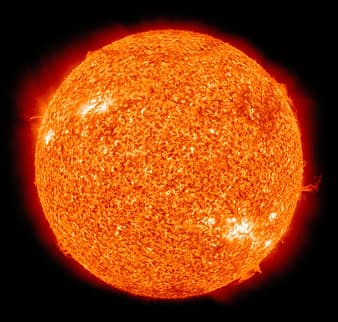
- Phototrophs: energy originates from the sun
- Photo-auto-trophs: produce energy directly from the sun (like photosynthesis)
- Carbon comes from CO2
- Photo-hetero-trophs: produce energy directly from the sun (like photosynthesis)
- Rare
- Carbon comes from organic compounds ( not CO2)
- This is a rare metabolic trait found in few prokaryotes
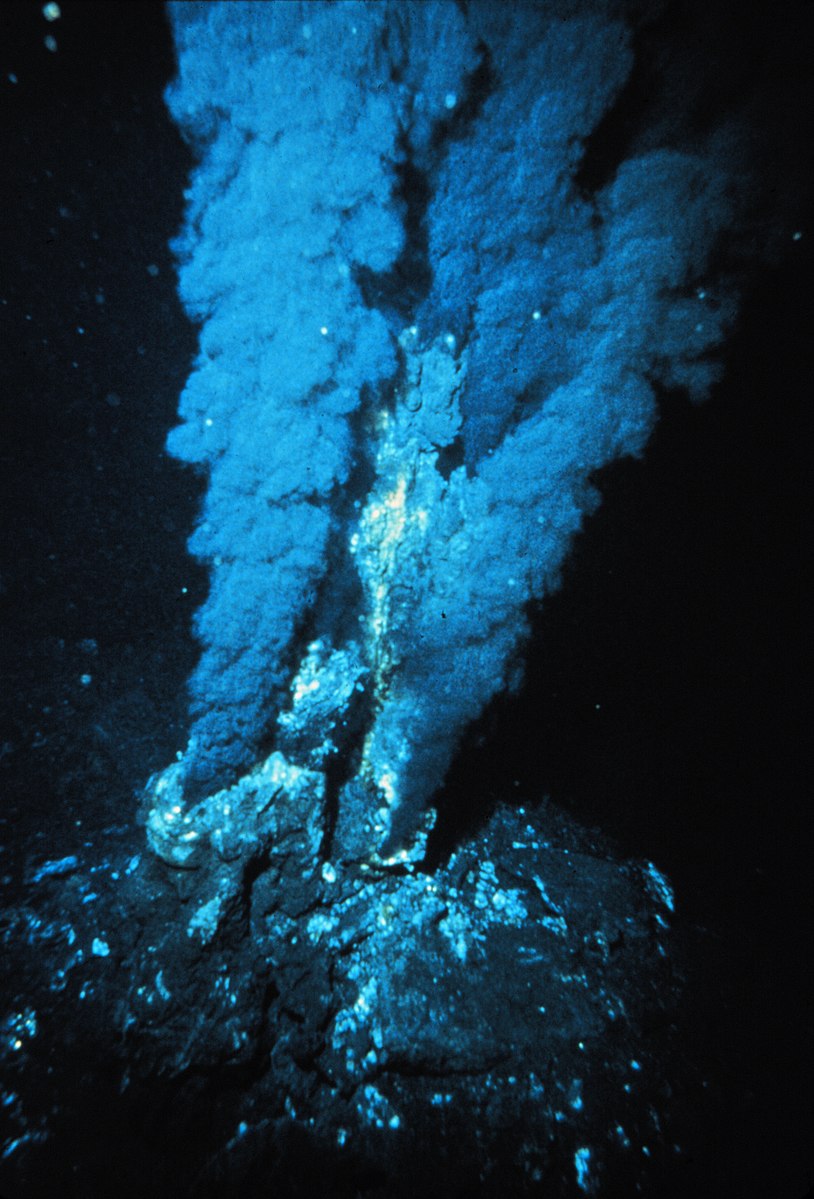
- Chemotrophs: energy comes from chemicals (not the sun)
- Chemo-auto-trophs: produce energy directly from chemicals in the environment
- Rare
- Carbon comes from CO2
- Chemo-hetero-troph: Get energy by consuming other organisms
- Carbon comes from organic compounds
Practice: Prokaryotes
Which of the following is true about prokaryotic cells?
Practice: Prokaryotes
Which of the following accurately describes reproduction in prokaryotes?
Practice: Prokaryotes
Which of the following methods for exchanging genetic material is used by prokaryotes to pick up plasmid DNA from dead bacteria?