Wize University Biology Textbook > Prokaryotes
Diversity of Archaea
Popular Courses
BIOLOGY 1001A
Western University
Biology
General Course
General Biology
University Study Guides
BIOL 107
University of Alberta
DAT
General Course
Grade 11 Biology
Ontario High School
Grade 11 Biology
Canada High School
BIO 1131
University of Ottawa
BIOLOGY 1M03
McMaster University
General Biology
University Study Guides
BIOL 108
University of Alberta
Biology 20
Alberta High School
BIOL 111
McGill University
BIOL 112
McGill University
BIOL 1010
Dalhousie University
BIOL 1201
Western University
Life Sciences 11
British Columbia High School
BIOL 1P91
Brock University
BLG 144
Toronto Metropolitan University
BIOL 1020
University of Manitoba
0:00 / 0:00
Diversity of Prokaryotes
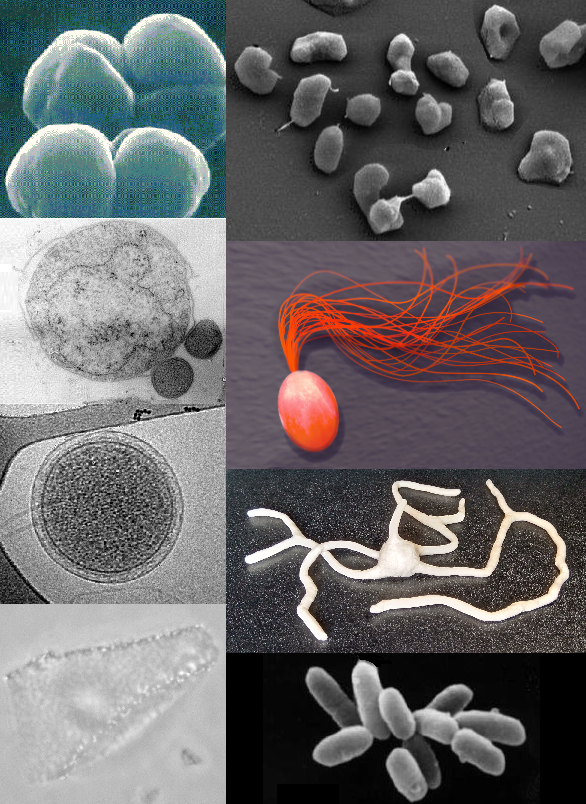
- Two Domains
- Archaea
- Closest relative to Eukaryotes
- Bacteria
- Most well known prokaryotes
Archaea
- Latin "Arch" = ancient
- Lack peptidoglycogen
Exam Tip
Understanding the meaning and roots of words is called Etymology. Knowing the translation makes it much easier to remember the terms on an exam. Throughout this textbook I will give etymology where applicable to help you understand the reason for these Latin names
Extremophiles

Extremophiles: live in extreme environments
- Greek "philos" = to love
- Many are in archaea, though present in all three domains
- Halophiles: live in extremely salty environments
- Greek "Halo" = salt
- Not always table salt, can be any ionic compound
- Thermophiles: live in extreme heat
- Greek "Thermo" = hot
- Used to develop PCR
- Methanogens: produce methane as waste product
- live in environments without oxygen
Practice: Archaea
Which term refers to organisms that live in very salty environments?