Wize University Biology Textbook > Prokaryotes
Diversity of Bacteria
Popular Courses
BIOLOGY 1001A
Western University
Biology
General Course
General Biology
University Study Guides
BIOL 107
University of Alberta
DAT
General Course
Grade 11 Biology
Ontario High School
Grade 11 Biology
Canada High School
BIO 1131
University of Ottawa
BIOLOGY 1M03
McMaster University
General Biology
University Study Guides
BIOL 108
University of Alberta
Biology 20
Alberta High School
BIOL 111
McGill University
BIOL 112
McGill University
BIOL 1010
Dalhousie University
BIOL 1201
Western University
Life Sciences 11
British Columbia High School
BIOL 1P91
Brock University
BLG 144
Toronto Metropolitan University
BIOL 1020
University of Manitoba
0:00 / 0:00
Diversity of Bacteria
Bacteria are everywhere, the human body contains 2-6 pounds of bacteria, which outnumber human cells 10 to 1!
Bacteria
- Very diverse
- Thousands of species in one gram of soil!
- Five major caldes
Proteobacteria
- Large and diverse group
- Photo and chemo trophs
- Gram negative: form of classification, thinner peptidoglycogen layer
- Rhizobium
- Latin "Rhino" = root
- Mutualistic with many plants Example: Legumes
- Fix atmospheric N2 into usable organic nitrogen (NH3)
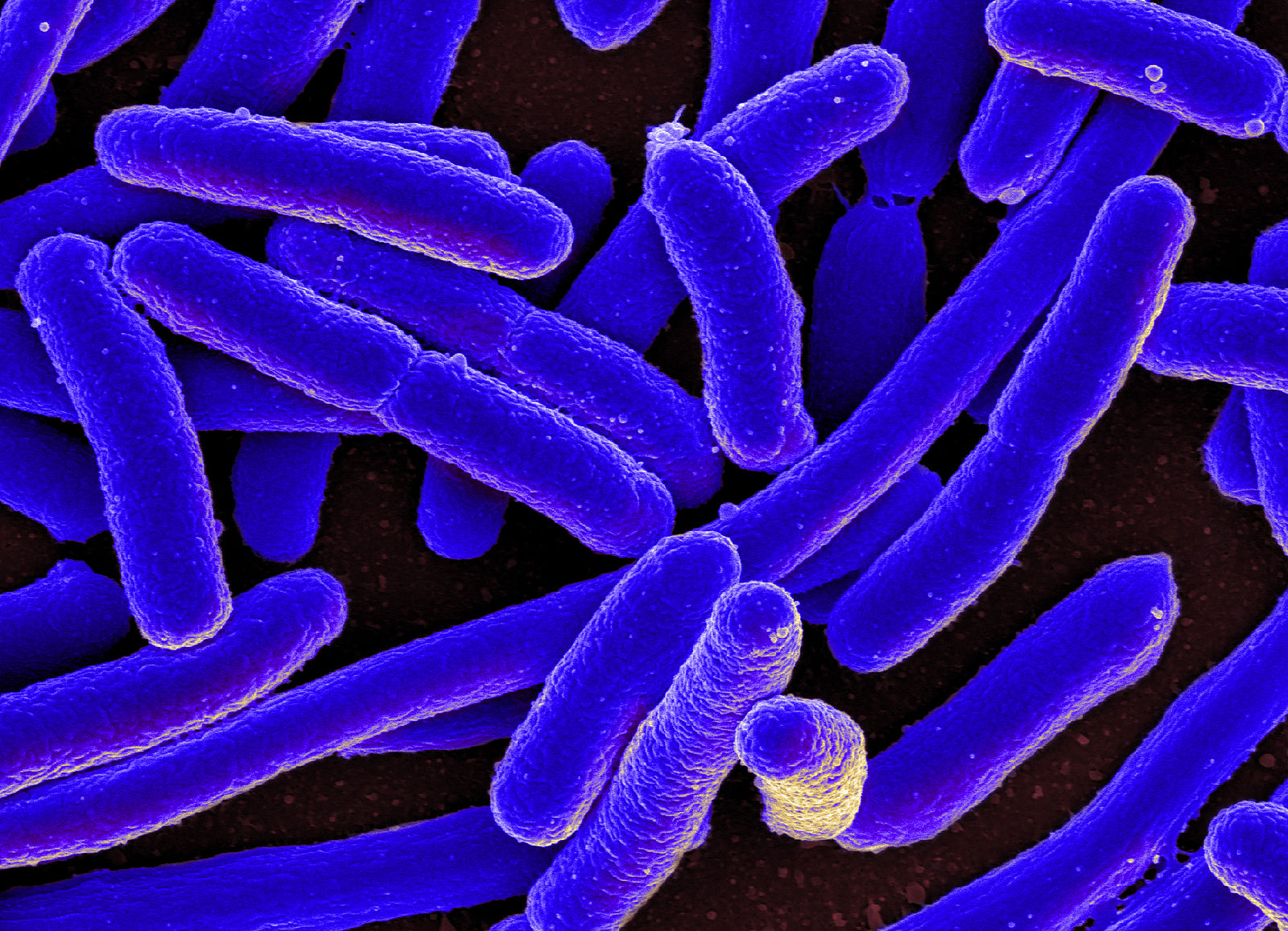
- E. coli
- Harmless in human intestine (commensal)
- Helps with digestion
- Produces necessary vitamins
- Can produce antibiotics which only hurt other bacteria, reducing competition Example: Probiotics in yogurt
- Some strains can be toxic
- Bad to have E. coli anywhere but the intestines
Chlamydias
- Pathogenic: can infect and harm humans
- Only live within animal cells
- No peptidoglycogen
- Often not recognized as foreign by cells defense Example: Chlamydia trachomatis is an STD
Spirochetes
- Pathogenic
- Helical structure
- Swim by spiraling Examples: Syphilus and Lyme disease
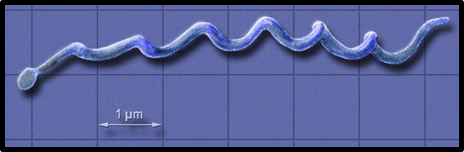
Lyme disease (Borrelia)
Cyanobacteria
- Photoautotrophs
- Produce atmospheric oxygen
- Likely gave rise to chloroplasts in eukaryotes
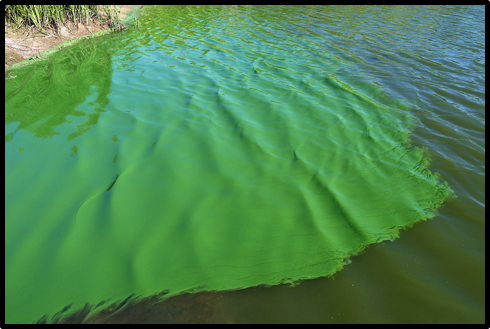
Cyanobacteria aggregation
Gram-positive Bacteria
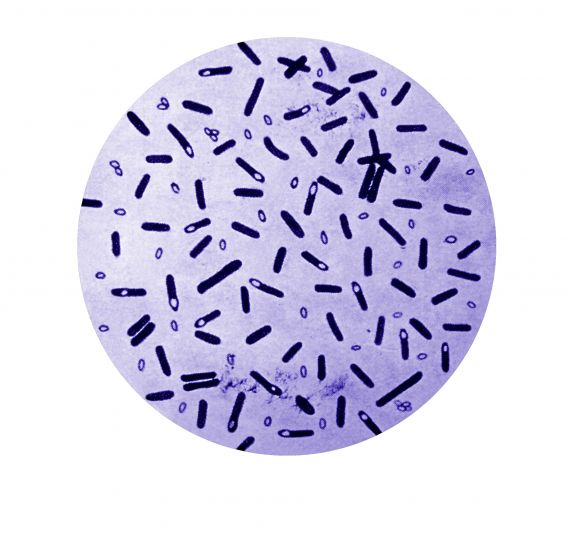
- Some pathogenic Examples: Botulism, tuberculosis, leprosy, anthrax
Botulism
Importance of Bacteria

- Used to make cheese and yogurt
- Use their metabolic and chemical attributes
- Treat sewage
- Bioremdiation
- Antibiotics
- N fixation
- Extremophile eubacteria
- Taq (Thermos aquaticus)
- Enzymes maintain function at high temperatures
- Use these enzymes in PCR where temperatures must fluctuate
Practice: Bacteria
Which bacterial clade contains a large number of mutualistic species that help roots take up nitrogen?
Practice: Bacteria
Which of these answers best describes the way that Spirochetes move?