
0:00 / 0:00
States of Matter
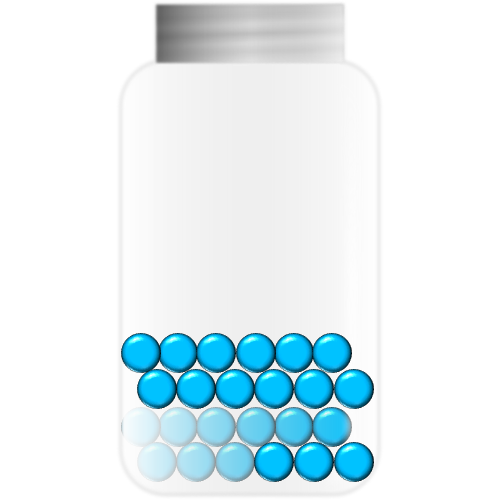
- There are three common states of matter: solid, liquid, and gas.

Solids
- Solids don't fill the volume or take the shape of their container
- Solids have a fixed volume and shape
- Solids are not fluid like liquids and gases (don't flow unless extreme shearing/stretching forces)
- Solids have strong intermolecular forces
Liquids
- Liquids don't fill the volume of the container, but take the shape of their container (i.e. they have a fixed volume, but no definite shape)
- If you transfer the liquid to a different container the volume of liquid will remain the same, but the shape of the liquid will change depending on the shape of the container
- Liquids are fluid (i.e. they flow)
- Liquids have weak intermolecular forces

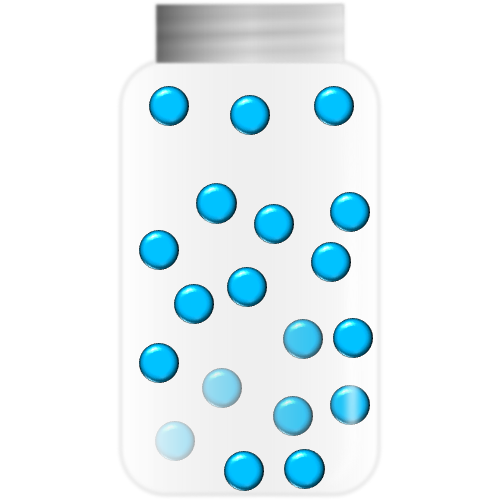
Gases
- Gases fill the volume and take the shape of their container
- Volume and shape is not fixed, both can change when you change the container that is holding the gas!
- Gases are fluid
- Gases have weak intermolecular forces

0:00 / 0:00
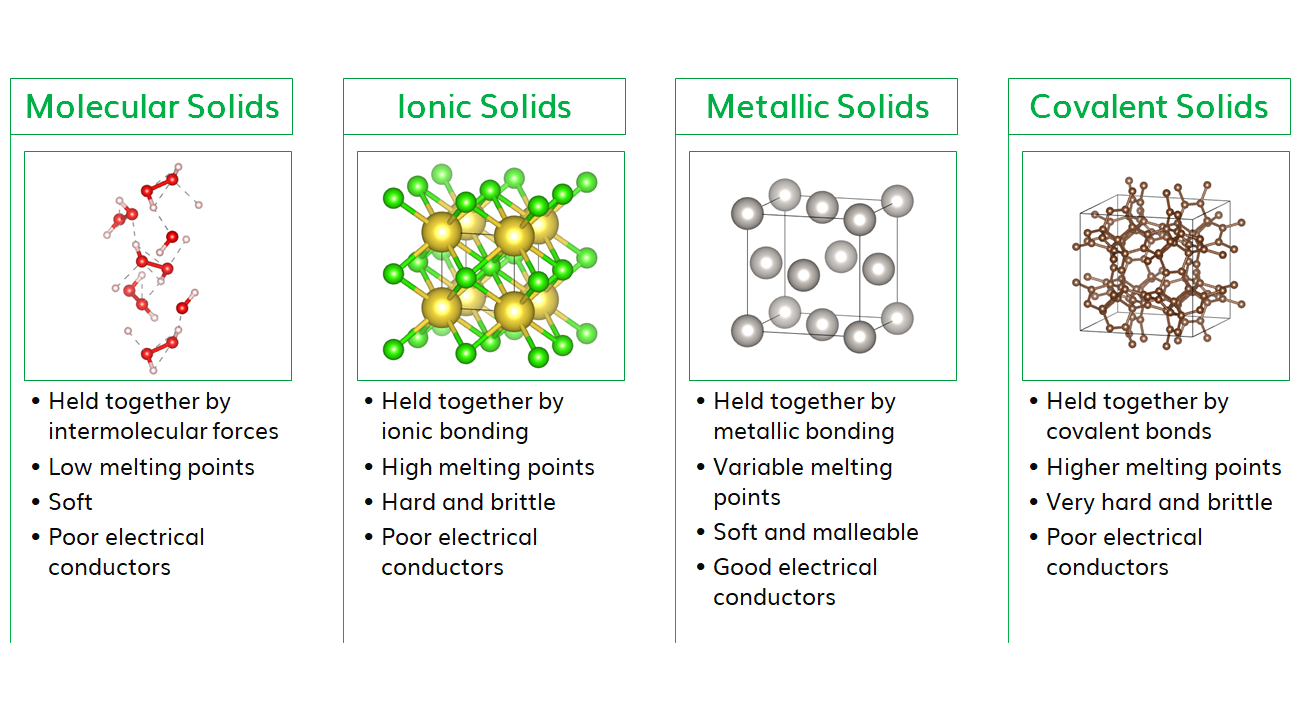
Properties of Solids

0:00 / 0:00
Example: Properties of Solids
Match the solids NaCl(s), Au(s), P4(s), and C(s) to the property listed below:
- high melting point, conducts electricity
- low melting point, soft
- high melting point, does not conduct electricity in the solid state
- very high melting point, very hard
(a) high melting point, conducts electricity: Au, which is a metallic solid
(b) low melting point, soft: P4, which is a molecular solid
(c) high melting point, soluble in water: NaCl, which is an ionic solid
(d) very high melting point, very hard: C, which is a network covalent solid
In which state are the distances between the particles the greatest?
Practice: States of Matter and their Properties
Fill in the following table with either YES or NO.
| State of Matter | Definite shape? | Definite volume? | Will it compress? |
| Solid | |||
| Liquid | |||
| Gas |
Practice: Properties of Solids
Match each of the following solids with a set of properties
A.
a lustrous solid melting around 1600°C; both the solid and liquid state conduct electricity
B.
a white solid melting around 700°C; as a solid it does not conduct electricity, however it does conduct electricity in an aqueous solution
C.
a very hard solid melting around 1700°C
D.
a yellow solid with a melting point around 100°C that does not conduct electricity in the molten state;
Ni
CsI
SiO2
S8