0:00 / 0:00
Naming and Properties of Amides
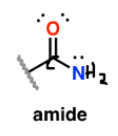
- The amide functional group has a carbonyl group (-C=O) bound to a N atom

Properties:
- Have the polar carbonyl group and primary and secondary amides also have N-H bonds giving them the ability to hydrogen bond with themselves
- More N-H bonds means that amide will have a higher boiling point (more hydrogen bonds)
- Boiling points are higher than other hydrocarbon derivatives of the same size
Naming:
Wize Concept
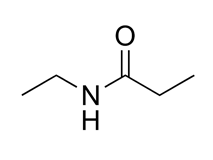
1. Determine the longest hydrocarbon chain that includes the carbonyl carbon and name it but drop the "e" ending (ex. methan, ethan, propan, etc)
2. Add "amide" to the ending.
3. For prefixes, first look to see if there are any other alkyl chains on the N atom. If there are, name them first (ex. N-ethyl-N-methylpropanamide or N,N-dimethylpropanamide
4. Now number the main hydrocarbon chain with the carbonyl carbon so that the carbonyl carbon is #1.
5. Indicate the position of the alkyl chains on the main chain after writing out alkyl chains attached to N:
Format: N-(alkyl chain attached to N)-N-(alkyl chain attached to N)-#-(alkyl chain attached to parent chain)(name of parent chain without e)(amide)
ex. N-methyl-2-methylpropanamide
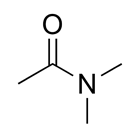
Example: Name the following molecule
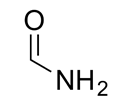
methanamide
Example: Name the following molecule

N-ethyl-N-methyl-2-methylbutanamide
0:00 / 0:00
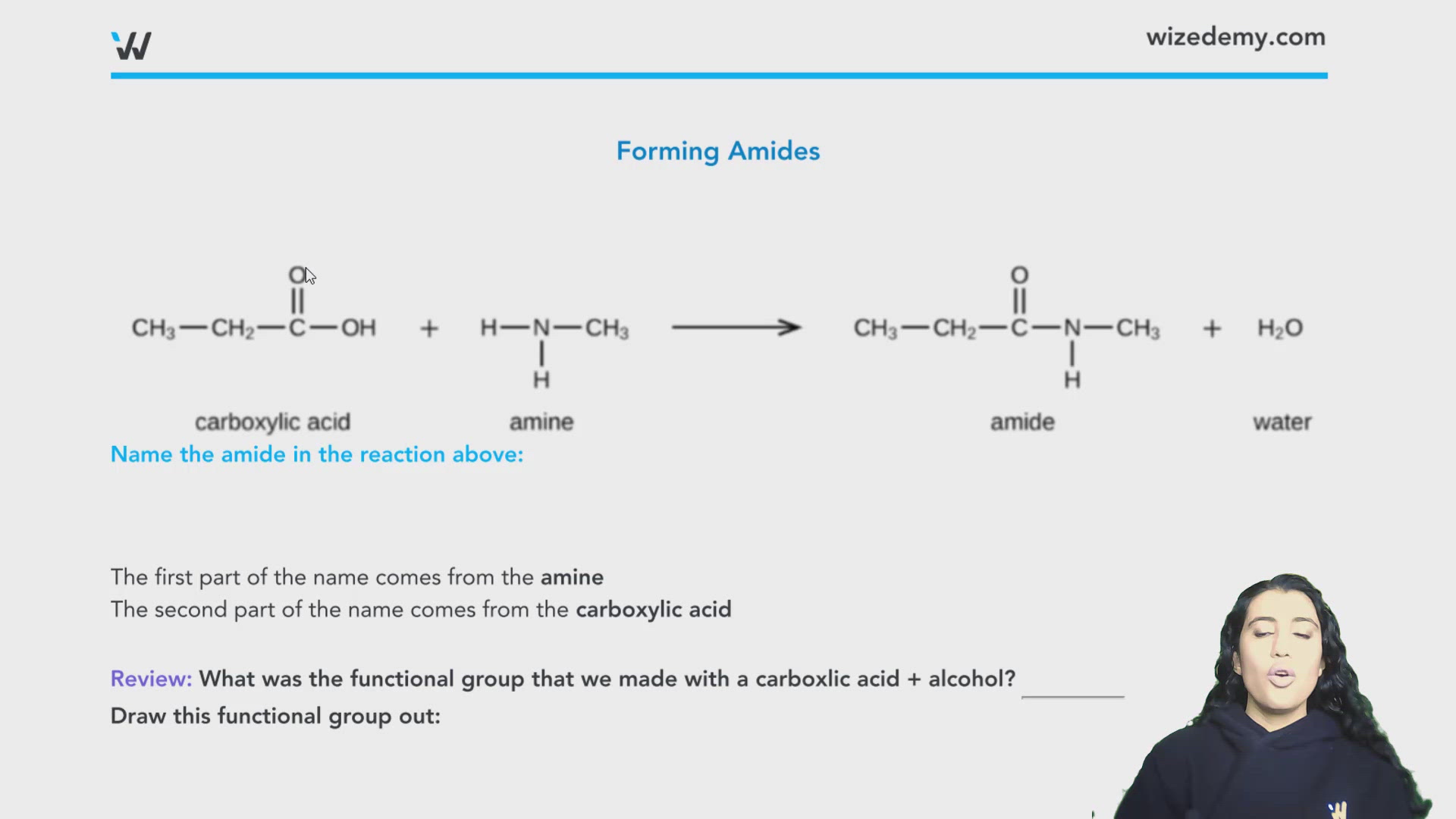
Forming Amides

Name the amide in the reaction above:
N-methylpropanamide
The first part of the name comes from the amine
The second part of the name comes from the carboxylic acid
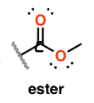
Review: What was the functional group that we made with a carboxlic acid + alcohol?
Ester
Draw this functional group out:
Name the following molecule:
Name the following molecule: