
Equation of a Line
Any linear relation can be represented using a linear equation (a.k.a. equation of a line).
A line is a collection of many points that all follow the same "rule". This rule is called the equation of the line.
Equation of a line
The equation of any straight line looks like .
- Both independent variable () and dependent variable () have degree 1, meaning that they both have a power of 1
- is the slope of the line, and it tells us how steep the line is, also known as the rate of change
- is the y-intercept, and it tells us where the line meets the y-axis (the initial value of the line)
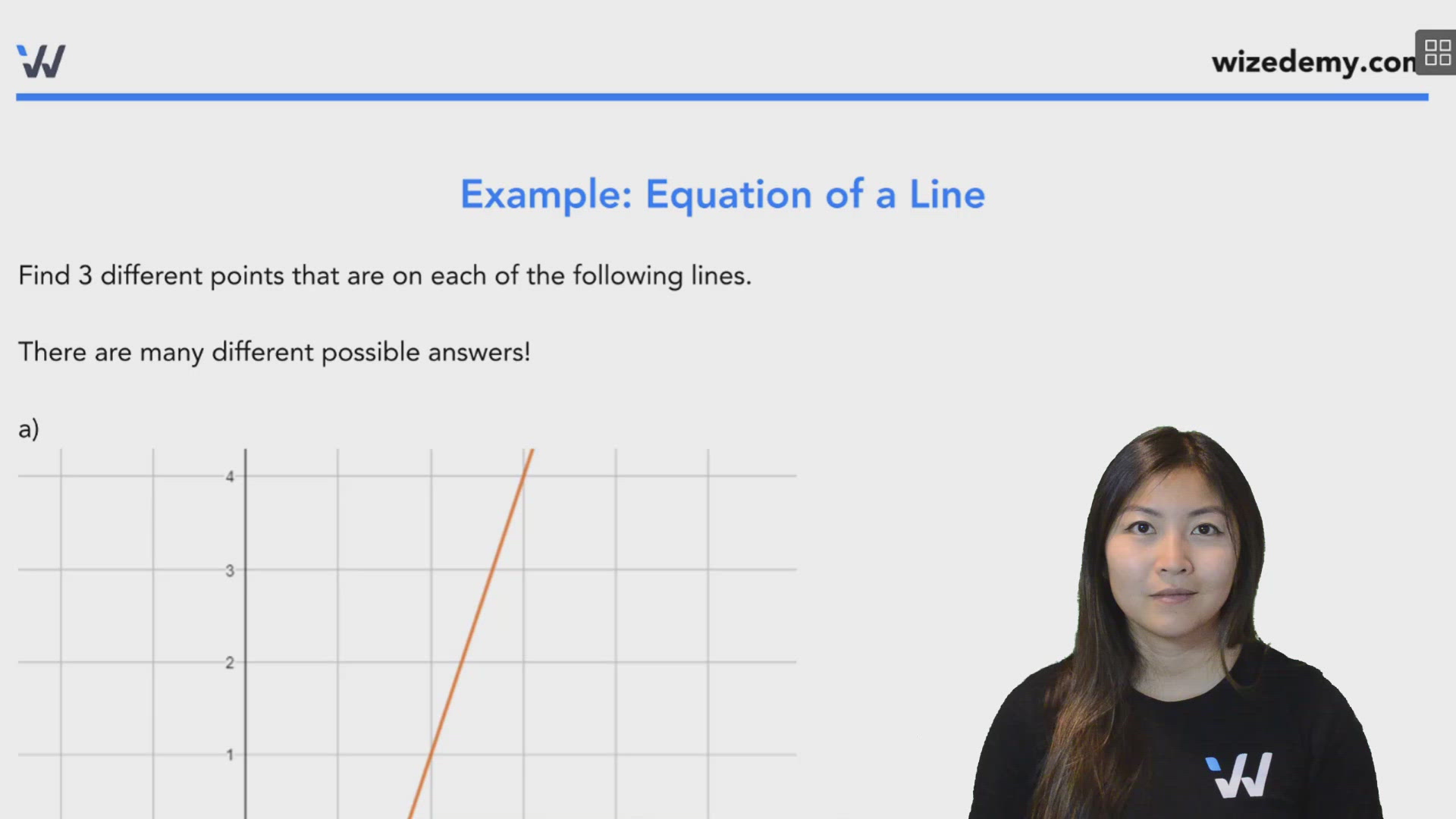
Example: Equation of a Line
Find 3 different points that are on each of the following lines.
There are many different possible answers!
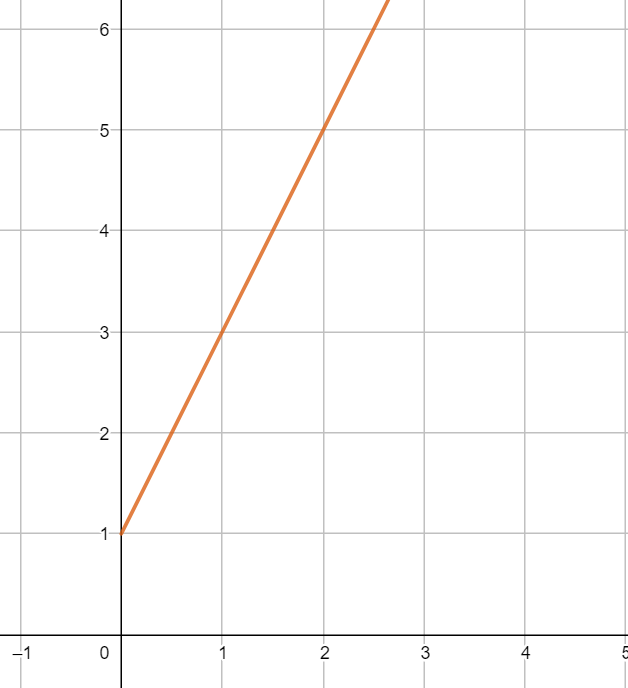
a)
Three possible answers are , , and .
There are many different possible answers, but it's easier to find points that have "nice" coordinate values -- these are points where the line crosses the grid at a "corner"
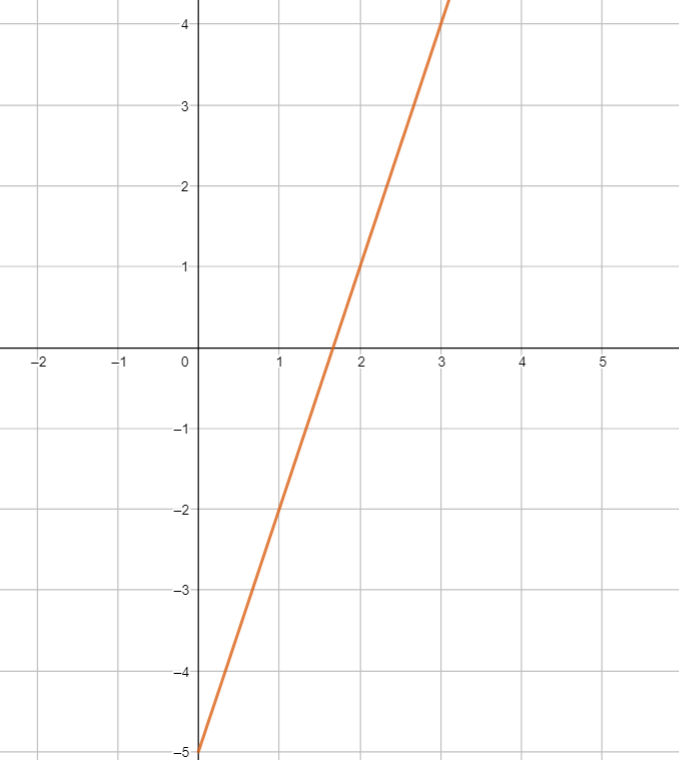
b)
We can find any point on the line by replacing one of the variables with any number and solving for the remaining variable.
Point 1: Let
So, one point is .
Point 2 Let
So, one point is .
Point 3 Let
So, one point is .
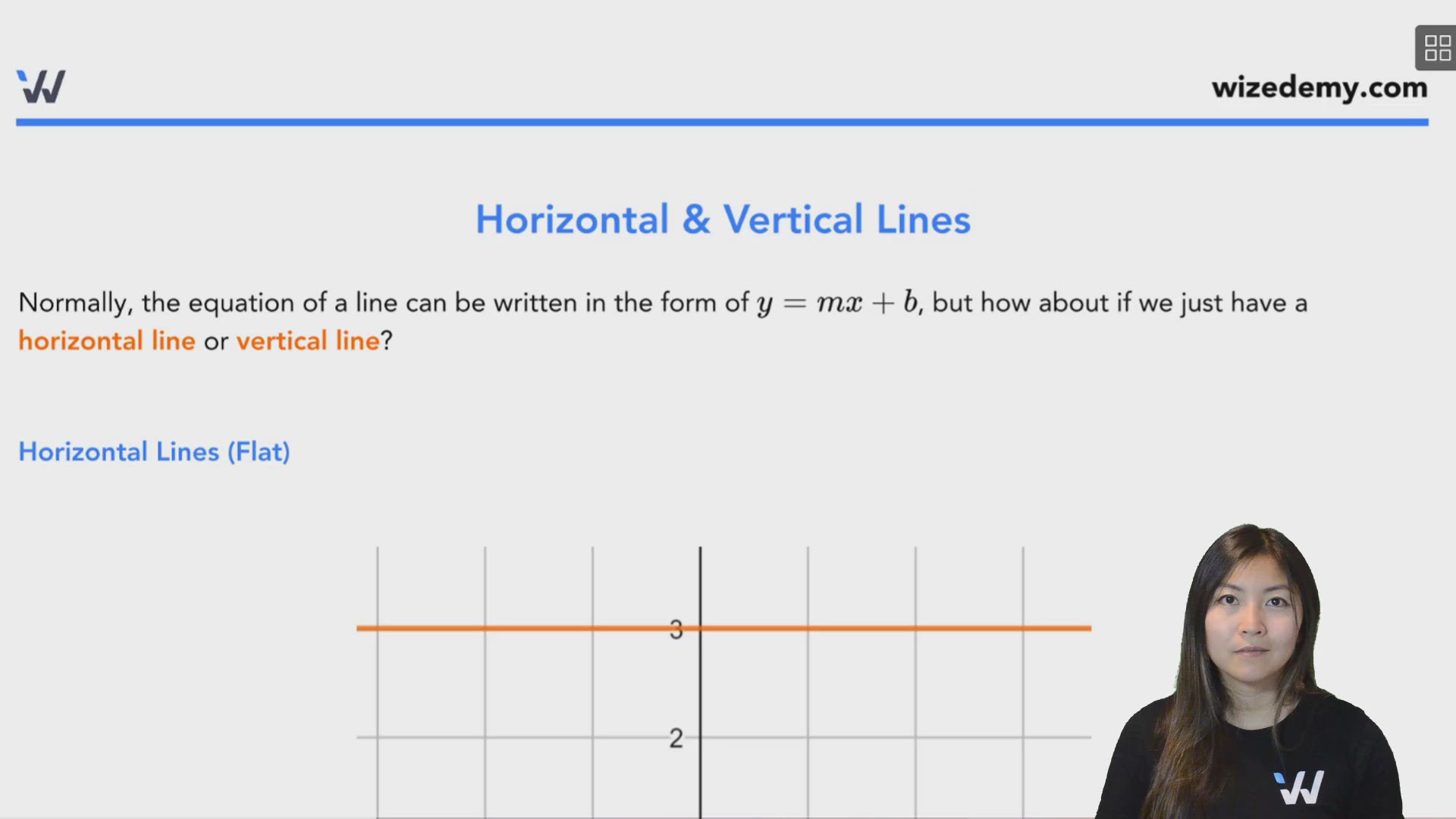
Horizontal & Vertical Lines
Normally, the equation of a line can be written in the form of , but how about if we just have a horizontal line or vertical line?
Horizontal Lines (Flat)
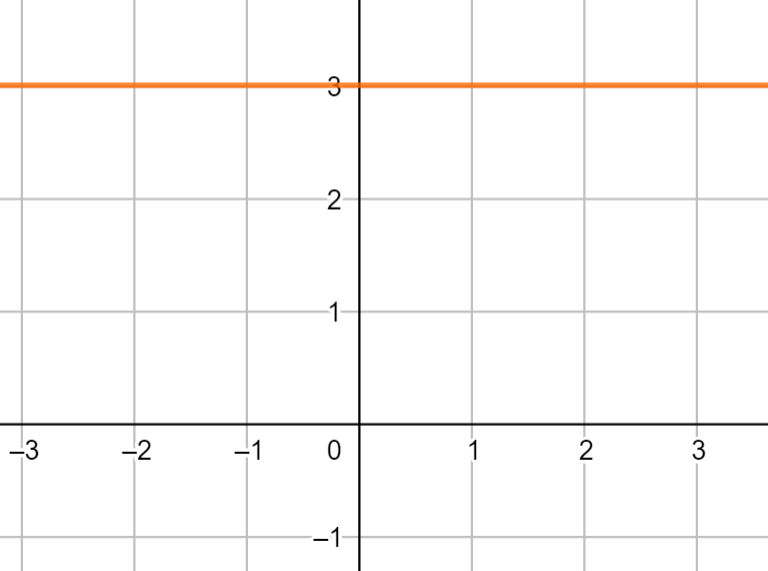
Every point on the graph has the same ________ coordinate, so the line is ________
Vertical Line (Straight up and down)
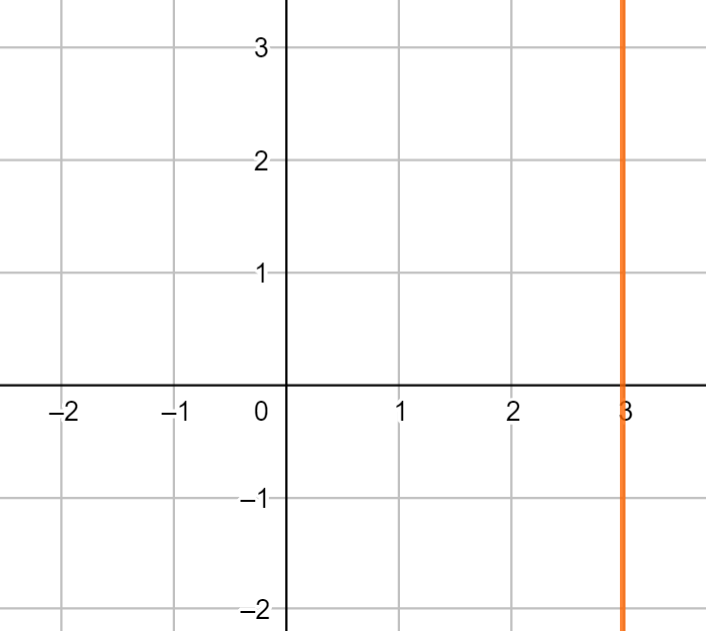
Every point on the graph has the same ________ coordinate, so the line is ________