Wize High School Grade 9 Math Textbook > 2D Geometry - Properties of 2D Figures
Properties of Polygons
Popular Courses
Find My Course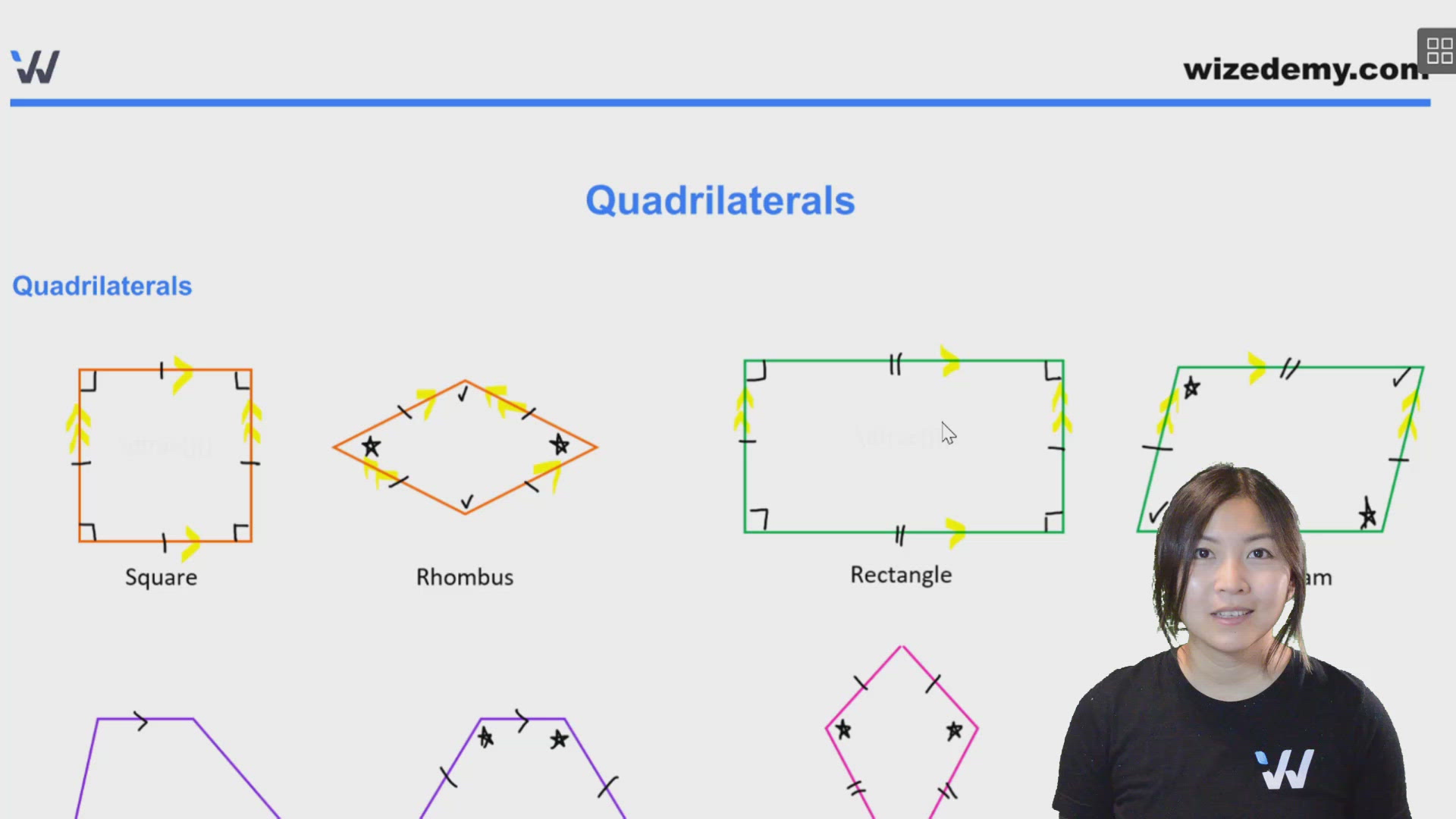
0:00 / 0:00
Quadrilaterals
Quadrilaterals

Example: Properties of Quadrilaterals
Three conjectures about the diagonals of a quadrilateral are given:
- The diagonals are equal
- The diagonals bisect each other ("cuts each other in half")
- The diagonals meet at a angle (they are perpendicular)
Come up with examples to support the conjecture or come up with a counterexample to disprove the conjecture. Then put a ✔ or ✖ in each of the following boxes to indicate whether the conjecture is likely true or not true for each quadrilateral.


The diagonals are always equal
For each type of quadrilateral, create a few different sizes and draw in the diagonals. If you measure these diagonals, you'll see if their lengths are the same. If they are, the diagonals are likely equal. If you are able to come up with even one example where the lengths are not the same, then we know for sure that the lengths are not always equal.
- Rectangles: ✔
- Squares: ✔
- Parallelograms: ✔
- Isosceles Trapezoid: ✔
- Rhombus: ✖ (they aren't always equal)
- Kite: ✖ (they aren't always equal)
The diagonals always bisect each other
For each type of quadrilateral, create a few different sizes and draw in the diagonals. Measure the lengths of each side of each diagonal, if they are the same, then the diagonals likely bisect each others. If you are able to come up with even one example where the lengths are not the same, then we know for sure that the diagonals do not always bisect each other.
- Rectangles: ✔
- Squares: ✔
- Parallelograms: ✔
- Isosceles Trapezoid: ✖
- Rhombus: ✔
- Kite: ✖ (they don't always bisect each other)
The diagonals are always perpendicular (meet at )
For each type of quadrilateral, create a few different sizes and draw in the diagonals. Measure the angle the diagonals make with one another, if they are, then the diagonals likely are always perpendicular. If you are able to come up with even one example where they are not , then we know for sure that the diagonals are not always perpendicular
- Rectangles: ✖ (they aren't always perpendicular)
- Squares: ✔
- Parallelograms: ✖ (they aren't always perpendicular)
- Isosceles Trapezoid: ✖ (they aren't always perpendicular)
- Rhombus: ✔
- Kite: ✔
Practice: Properties of Quadrilaterals
Adjacent angles are the angles that are "next to each other".
Given the conjecture "the sum of the two adjacent angles is always ", come up with examples to either support this conjecture or come up with a counterexample to disprove the conjecture for each of the following quadrilaterals.
Put "yes" in the box if the conjecture for that quadrilateral is likely true, and put "no" in the box if the conjecture is not true for that quadrilateral.
| Rectangle | Square | Parallelogram | Isosceles Trapezoid | Rhombus | Kite | |
| The sum of the two adjacent angles is always 180 for this type of quadrilateral |

Mark Yourself Question
- Grab a piece of paper and try this problem yourself.
- When you're done, check the "I have answered this question" box below.
- View the solution and report whether you got it right or wrong.
Practice: Properties of Quadrilaterlas.
The midsegment in a polygon is a line segment that joins the midpoints of two adjacent sides in that polygon.
The conjecture "the quadrilateral formed by connecting the four midsegments in any quadrilateral are parallelograms" is given. Either come up with multiple examples to support this conjecture or come up with one counterexample to disprove this conjecture.

0:00 / 0:00
Triangles
Triangles
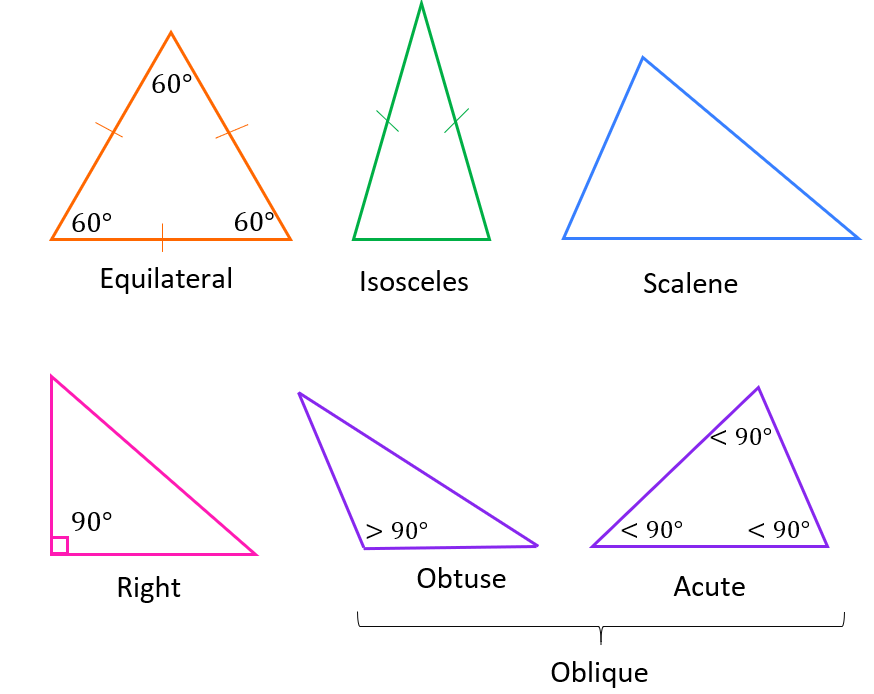
Median: a line that connects a vertex to the midpoint of its opposite side
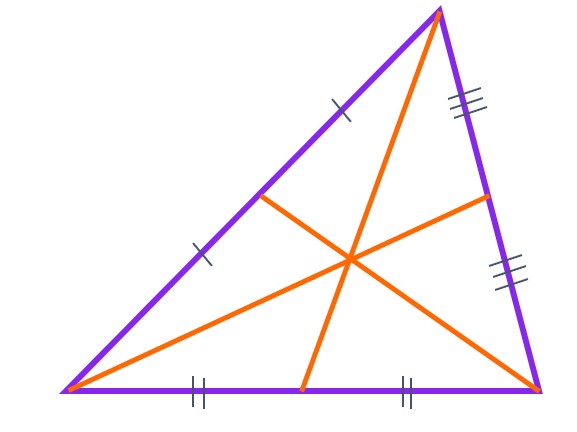
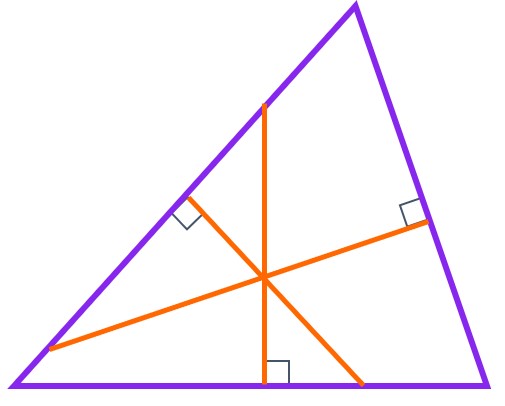
Altitude: a line that connects a vertex to its opposite side, and is perpendicular to the opposite side (an altitude is often called the "height" of the triangle)
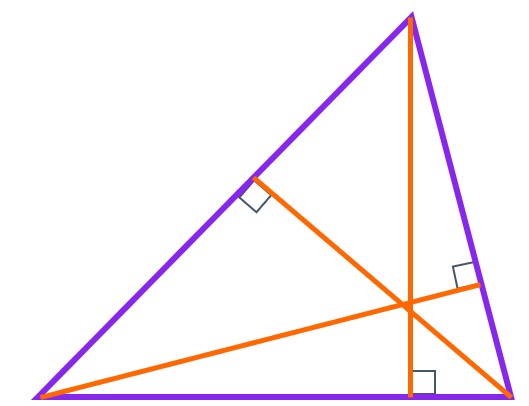
Angle bisector: a line that connects a vertex to its opposite side, and it cuts the angle in half
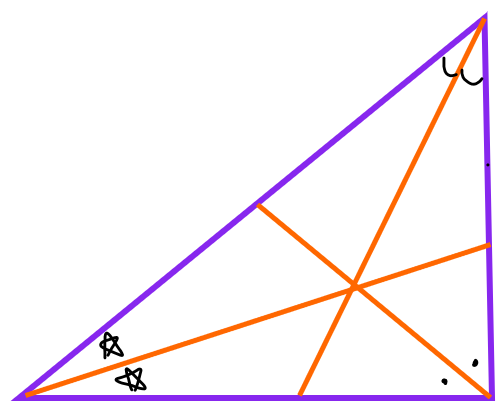
Perpendicular (right) bisector: a line that cuts a side in the triangle in half, and is perpendicular to that side
Wize Tip
In an equilateral triangle, the median, altitude, and right bisector from a single vertex are all the same!
0:00 / 0:00
Example: Properties of Triangles
Based on the following angle measurements, come up with a conjecture for the relationship between exterior and interior angles of any triangle. Then try to disprove the conjecture by finding a counterexample, or actually prove the conjecture using angle properties of triangles.
Right angle triangle

Isosceles Triangle
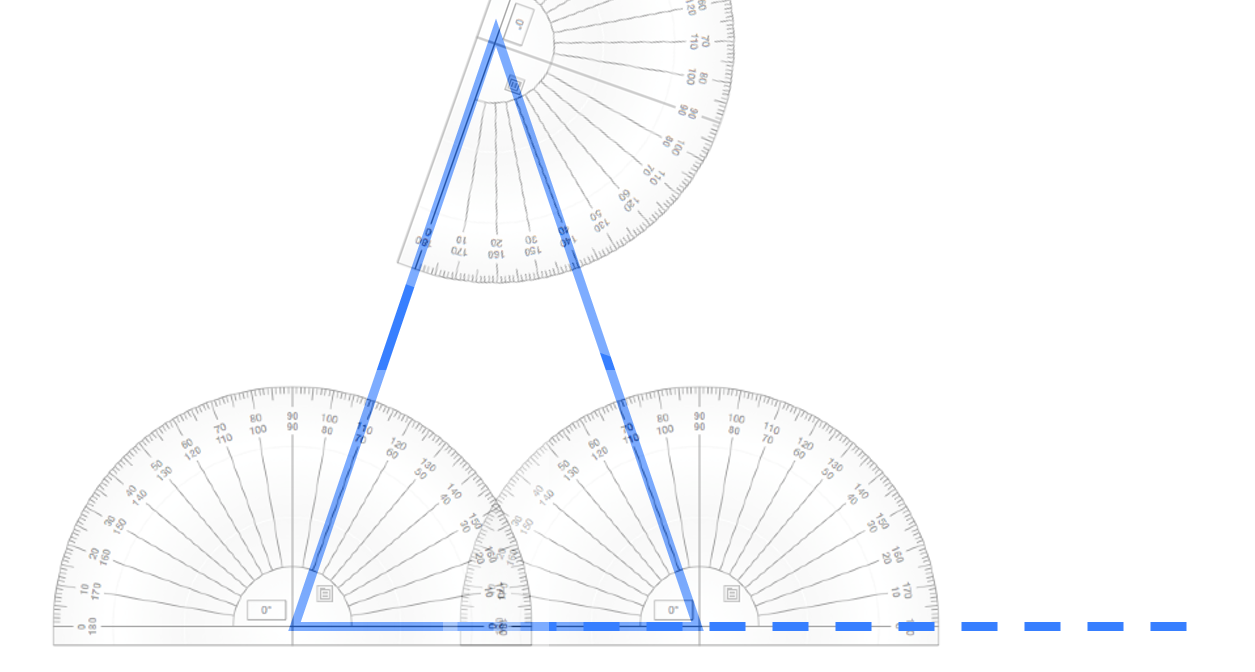
Scalene Triangle
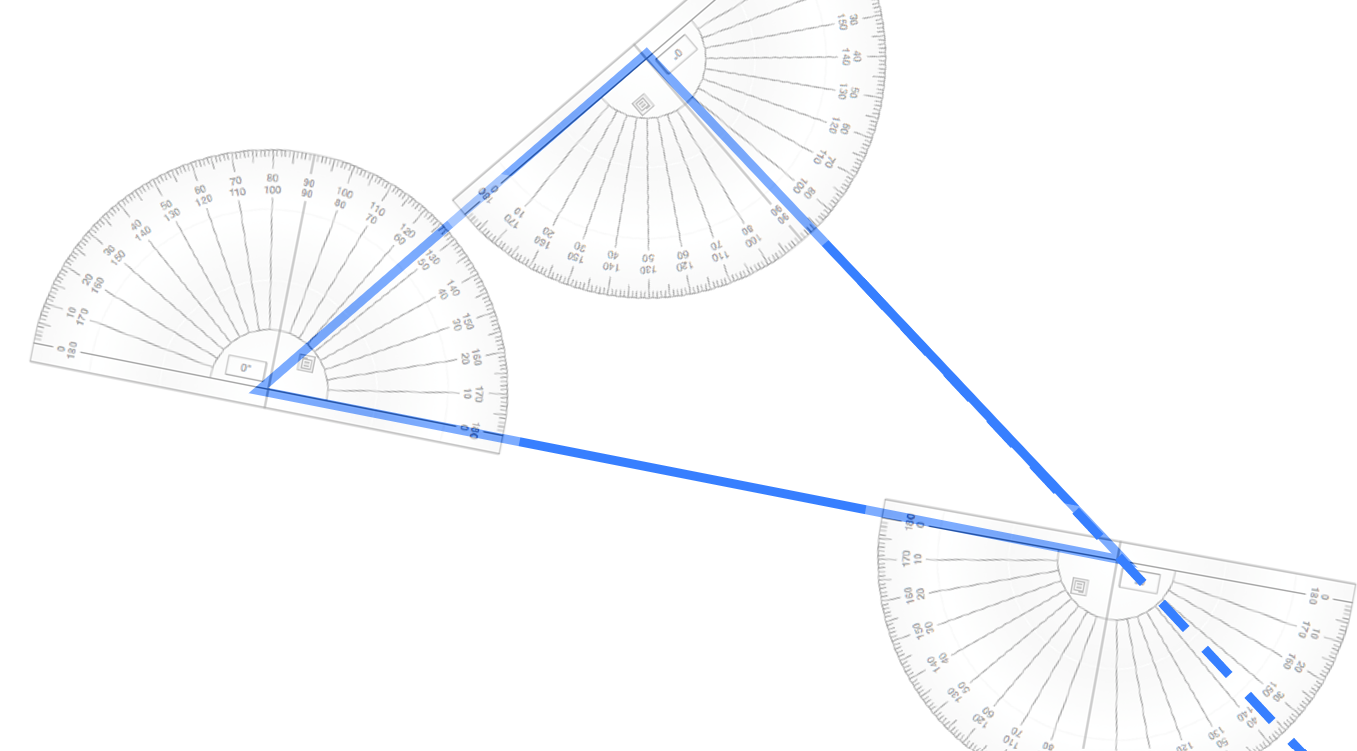
According to the 3 triangles given, it seems like the exterior angle is the sum of the two opposite interior angles.
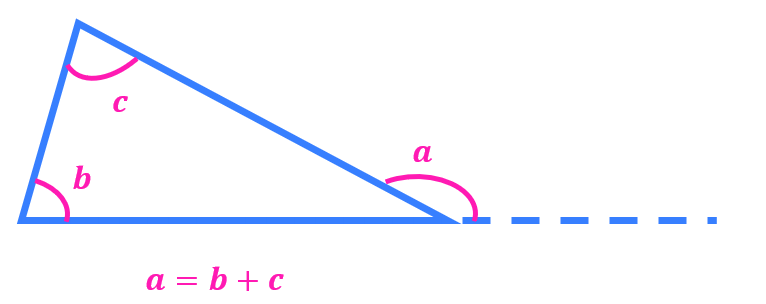
Although we have 3 examples here that support our conjecture, it's not enought to actually prove the conjecture because "what if there is an example out there that disproves this conjecture?"
But we can really prove this conjecture by not looking at examples at all. Instead, we turn to properties and facts about angles that we already know to be true.
Let's take a look at any triangle, we can label 4 angles as and :
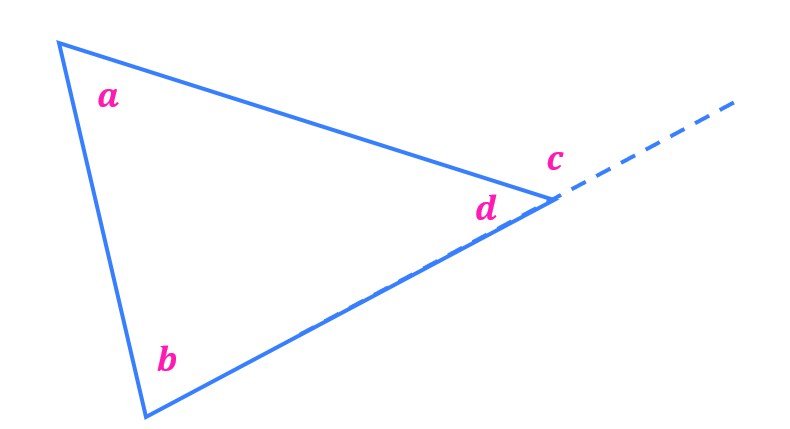
Recall:
- Supplemental angles that form a straight line must add up to
- The sum of the interior angles in any triangle is
Using property 1:
Using property 2:
Since and both equal , we know that and must equal each other:
We see that for any triangle, , meaning that the exterior angle of any triangle is the sum of the two opposite interior angles!