Wize High School Grade 9 Math Textbook > Data Analysis
Data Collection

0:00 / 0:00
Intro to Data Collection
In the process of mathematical modelling, after we have come up with a question, the next step is to collect data to help answer that question.
Here are some things to consider when collecting data:
- How is data collected?
- How much data should we collect?
How is Data Collected?
Observations

We can collect data by measuring or surveying someone or something without affecting the person or thing being observed.
Examples
- Measuring the height of a growing plant for the next week.
- Looking up the temperature in your city in the past month -- this is called historical data because the data has already been collected in the past.
- Surveying people on a busy street about their current favourite TV shows.
- Sending out a questionnaire to local business owners asking them about their in-store sales vs their online sales in the past year.
Experiments

We can collect data by assigning certain groups a specific "treatment", and another group a different "treatment" to see if the response is different for both groups.
Examples
- Watering one sunflower with regular tap water and watering another sunflower with distilled water for a week to see if the water quality has an affect on the height of the sunflower.
- Giving only one twin a tablespoon of flax seeds every morning for a month to see if eating flax seed makes hair grow faster.
Population VS Sample
Once you decided on how to collect the data -- make an observation or perform an experiment, you now need to decide how much data you want to collect.
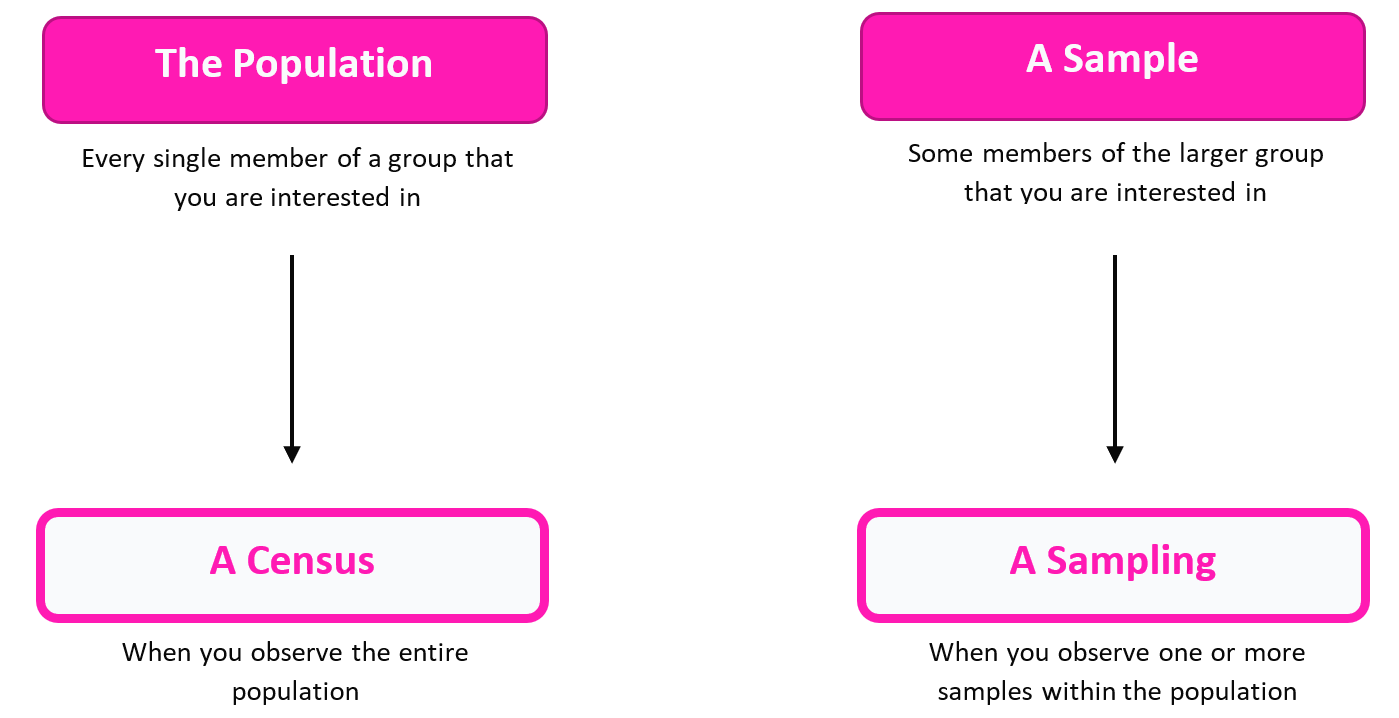
- A population refers to the every single member of a group that you are interested in.
- when you collect data from the entire population, you are conducting a census.
- A sample refers to a smaller group of members chosen from the population.
- when you collect data from a sample, you are sampling.
Practice: Population VS Sample
Below are 5 survey questions. Think about what makes up the population for each question, then indicate whether the population or a sample should be used for the survey. Explain your reasoning.
a) Which singer do Canadian's like the most?
b) Who should be the next grade 9 class representative on student council at your high school?
c) What is the most delicious dish at a local restaurant?
d) What brand of crackers should a grocery store sell?
e) Who is most flexible in a particular yoga class?
0:00 / 0:00
Types of Sampling
Wize Concept
Recall that sampling is when you only observe a sample of the population, not everyone in the population.
For example, sampling is when you only measure the height of some (but not all) students at a high school, or when you only send out a survey to some (but not all) business owners in a city.
There are many types of sampling.
Simple Random Sampling

When every member of the population has equal chance of being selected as part of the sample.
- Example You put everyone's names in a hat and pick 5 names to form the same
- This is very easy to do, but the sample you get in the end may not properly represent the population
Systematic or Interval Sampling
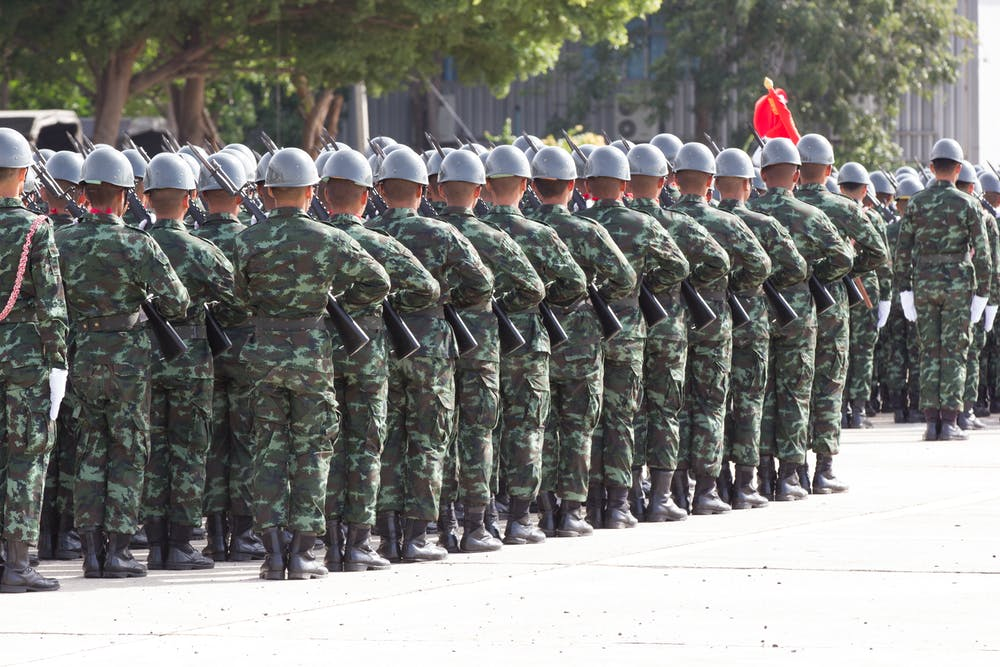
When you order the members of the population and pick every nth member to be a part of the sample.
- Example You line up all students by height and pick every 10th person in the line-up until you have 5 people
- This is very easy to do, but if the population is sorted in any way (for example, by height or last name), then the sample may not properly represent the population
Cluster sampling
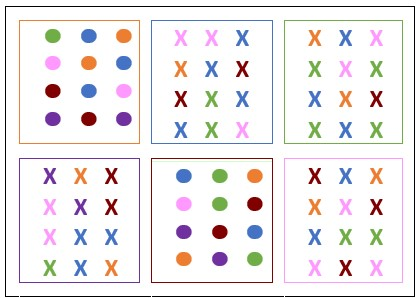
When you separate the population into clusters (groups), you pick one or more clusters and everyone in that cluster becomes part of the sample.
- Example You organize a school by grade, then you pick 2 grades, everyone in those grades make up the sample.
- Often a population may already be separated into groups, so this is a quick sampling method, but the sample will likely not be a good representation of the population.
Stratified Random Sampling
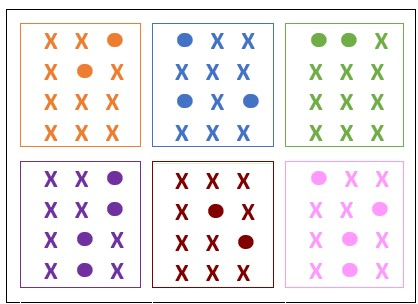
When the population is separated into groups, and you pick some members from each group to form a sample
- Example You organize a school by grade, then you pick 3 students from each grade to make up the sample.
- If the number of people you select from each group is proportional to the group size, then your sample will likely be a better representation of the population.
Self-Selected Sampling (or Voluntary Sampling)

When you let people select themselves to be part of a sample.
- Example A grocery store gives its customers the option of participating in a survey by visiting a website link found at the bottom of their receipt
- This is easy to do (you just wait for people to join your sample), but the sample will likely be biased and not properly represent the population.
Convenience sampling

When you choose members to be part of the sample based on convenience.
- Example I choose my 5 closest friends to be part of a sample.
- This is the easiest type of sampling, but the sample will be biased and not properly represent the population
Practice: Sampling
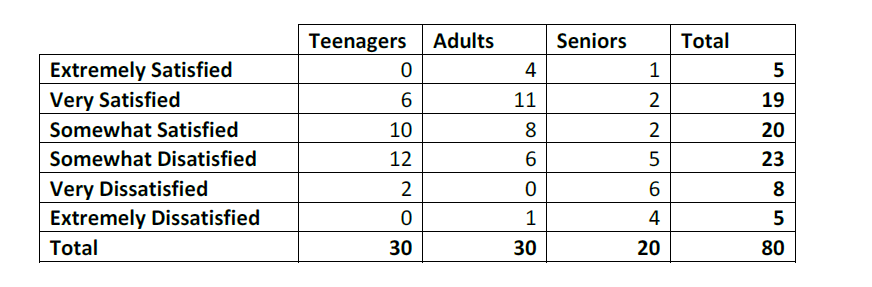
A survey was conducted with random samples in three groups in Portland: 30 teenagers, 30 adults, and 20 seniors. We asked them how satisfied they are with their qualify of life. What type of sampling was done?
0:00 / 0:00
Designing a Survey or Questionnaire
When you use a survey or questionnaire to collect data, the design and implementation of the survey are very important. Here are a few things to consider when designing an effective survey or questionnaire:
1. Bias - when the question shows a preference towards a specific response.
Examples:
- Don't you like the new design of the school logo?
- What problems do you have with the new cafeteria menu?
- What flavour of ice-cream do you like?
- A traffic light in front of the school will help reduce traffic jams. Are you in favour of a new traffic light?
2. Double barreled questions - when the question asks more than one thing at a time.
Examples:
- How satisfied are you with the product ordering website and customer service?
- What do you think about your math teacher and the school day schedule?
3. Use of language - will most people understand and interpret the question the same way? Will the wording of the question lead to a certain response to the question?
Examples:
- Will you consider moving East?
- Do you like ice?
- What is the maximum amount of time you are willing to wait for something?
4. Timing - sometimes depending on when you ask a survey question, you may get different responses
Examples:
- "On a scale of 1 to 5, how much do you like tea? (1 = Not at all, 5 = Very much)" - the response may be lower during the summer and higher during the winter
- "Do you support building a new traffic light in front of the school?" - you may get more support if you ask this question during the school year
5. Background and Culture of your sample
Examples:
- "What is your favourite type of alcohol?"
- "How do you like to celebrate Christmas?"
6. Time - you may get different responses if the survey takes a while to complete vs if the survey was shorter
7. Privacy - you may not get the desired number of responses if the results of the survey are not kept confidential, or if the participants are required to fill in their names

Mark Yourself Question
- Grab a piece of paper and try this problem yourself.
- When you're done, check the "I have answered this question" box below.
- View the solution and report whether you got it right or wrong.
Practice: Bias
Identify the bias in each of the following questions:
a) What do you think is a reasonable sentence for a violent convicted criminal?
b) Do you think straws that contribute to waste should be banned?
c) What do you like about the new delivery service?
Mark Yourself Question
- Grab a piece of paper and try this problem yourself.
- When you're done, check the "I have answered this question" box below.
- View the solution and report whether you got it right or wrong.
Practice: Factors that Affect the Data Collected
There are many factors that influence the data that is collected. For each of the following scenarios, try to improve how the data is collected.
a) An ice-cream company wants to determine how much its customers are willing to pay for a new flavour of ice-cream. On a hot summer day, the company representative surveys customers outside a grocery store. The representative gives the customer a sample of the new ice-cream flavour to taste, and then asks "how much are you willing to pay for a box of this ice-cream?"
b) A high school basketball coach is designing new sports uniforms for the school's basketball team and wants to know the height difference between male and female players at the school. The coach sends out a survey to all of the players asking "how much taller are boys compared to girls?"
Designing a Survey
You're starting your own business! Before you put a lot of money and hard-work in creating the business, you want to create a survey to collect some data. This data can help you decide on the direction and execution of your business.
If you want to go straight into learning about data analysis with one and two variable data, feel free to skip over this section and check out the activities starting in the next section "Data Analysis - One Variable Data".

1. Pick an area of business that interest you. Here are just some examples:
- restaurant
- clothing
- sporting goods
- stationery
- cleaning service
- construction
- child care service
- entertainment
- media
2. Decide on 2-5 aspects of the business that you would like to ask people for input on. For example:
- Do you have questions about the type of product or service you should sell?
- Do you have questions about the price of the goods and services you would like to sell?
- Do you have questions about the location or mode of your business?
- Do you have questions about what logo design or colour theme would attraction more people to your business?
Once you've created the survey, feel free to send it to friends and family members to test out your business idea.