Wize High School Grade 12 Pre-Calculus Textbook > Rates of Change
Graphs & Rates of Change
Popular Courses
Grade 12 Advanced Functions
Ontario High School
Grade 12 Pre-Calculus/Functions
Canada High School
MATH 144
University of Alberta
MATH 22
Pennsylvania State University
MAC 1140
University of Florida
MATH 41
Pennsylvania State University
MAC 1105
Florida State University
MAT 012
University of California - Davis
MTH 103A
Michigan State University
MAC 1147
University of Florida
MATH 140
San Diego State University
MA 15800
Purdue University
MAC 1140C
University of Central Florida
MATH 102
California State University - Northridge
M 305G
The University of Texas at Austin
MATH 1022
Temple University
MATH 1019
University of Cincinnati
MA 107
North Carolina State University
MATH 1021
University of Cincinnati
MATH 1021
Temple University
Graphs & Rates of Change
Remember:
- Motion: a change in position measured by distance and time.
- Speed: the rate at which an object moves.
- Velocity: speed and direction of a moving object
- Acceleration: the rate speed or direction changes
Distance - Time Graphs
Plotting distance (y-axis) and time (x-axis) tells us a lot about motion.
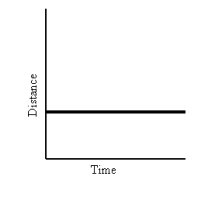
- When an object is at rest:
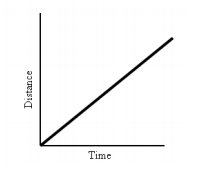
- When an object is moves at a constant speed:
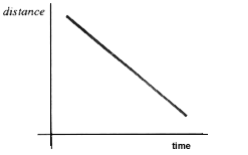
- When an object returns to the start:
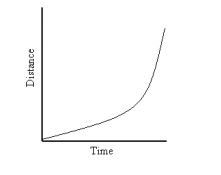
- When an object accelerates:
In summary, a distance-time graph tells us how far an object has moved with time.
- The steeper the graph, the faster the motion.
- A horizontal line means the object is not changing its position. It is not moving. It is at rest.
- A downward slope means the object is returning to start.
Speed - Time Graphs
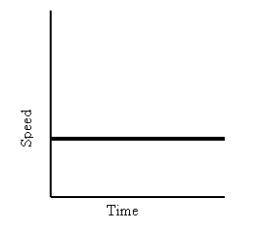
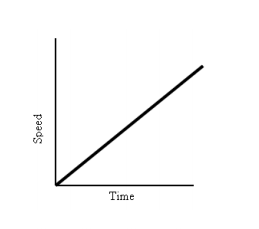
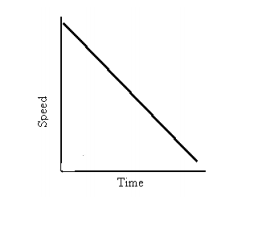
Plotting speed (y-axis) and time (x-axis) graphs are also called velocity - time Graphs.
- The moving object is travelling at a constant speed:
- The moving object is accelerating:
- The moving object is decelerating:
In summary, a speed-time graph shows us how the speed of a moving object changes with time.
- The steeper the graph, the greater the acceleration.
- A horizontal line means the object is moving at a constant speed.
- A downward slope means the object is slowing down.
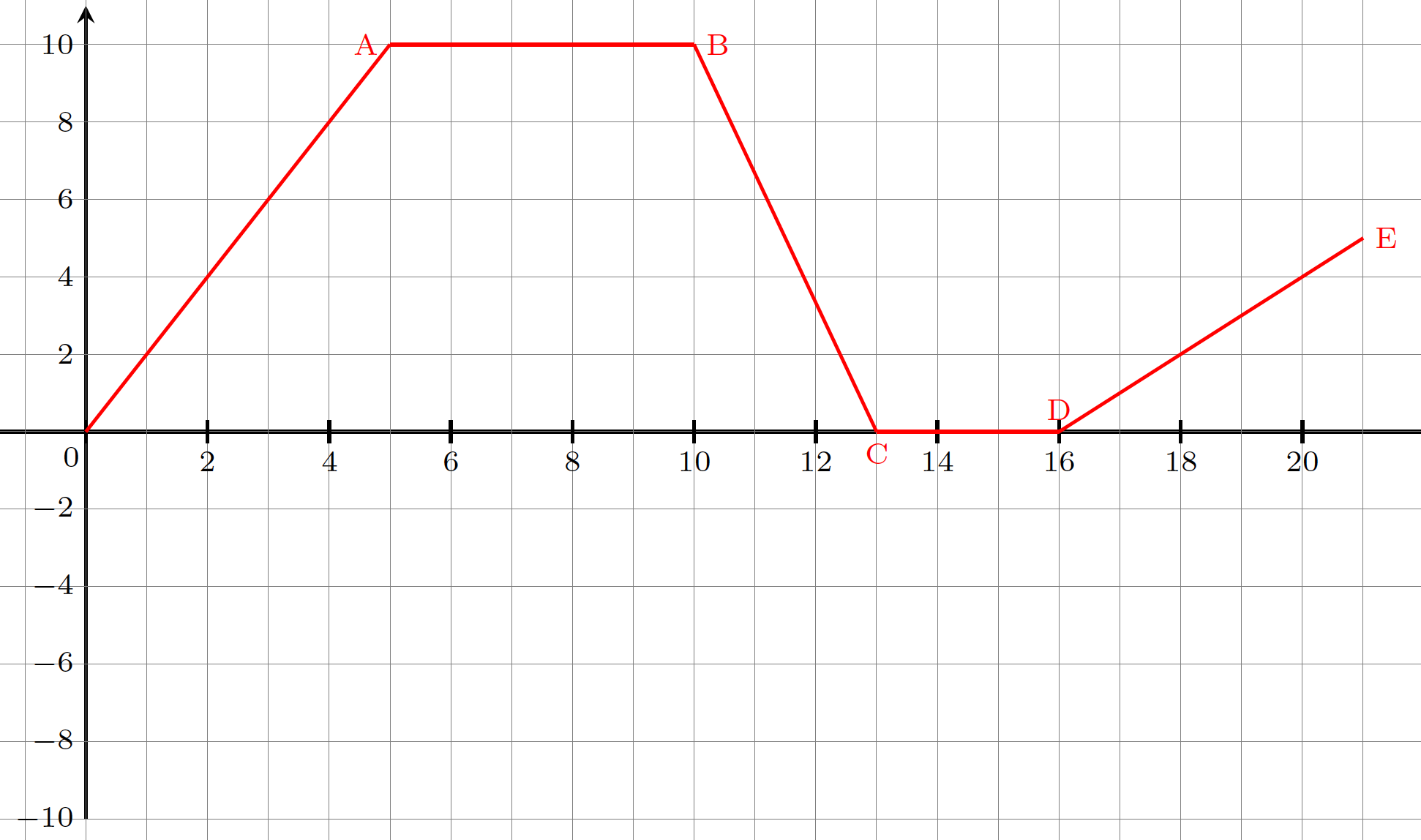
Example: Graphs & Rates of Change
The following graph is a displacement (m) vs. time (mins) graph of a cyclist.
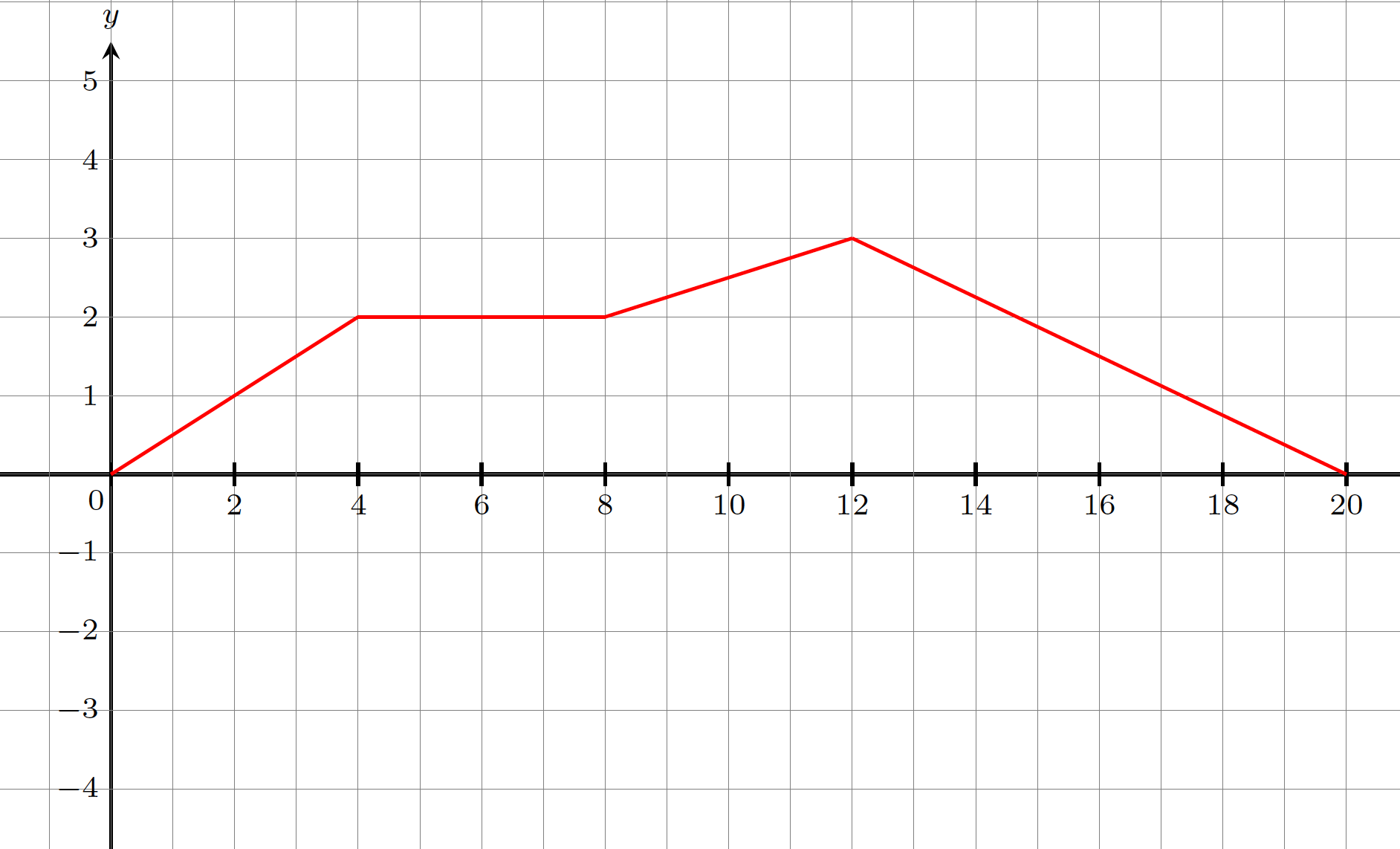
- What is the average rate of change in the first minutes?
- What is the average rate of change in the first minutes?
- What is the instantaneous rate of change at minutes?
- What is the instantaneous rate of change at minutes?
a.
The coordinates at 10 minutes:
The coordinates at 0 minutes:
b.
The coordinates at 20 minutes:
The coordinates at 0 minutes:
c. The instantaneous rate of change at minutes is the slope of the line.
The equation of the line can be found using the two coordinate points and .
The instantaneous rate of change at minutes is .
d. The instantaneous rate of change at minutes is the slope of the line.
The equation of the line can be found using the two coordinate points and .
The instantaneous rate of change at minutes is .
Practice: Graphs & Rates of Change
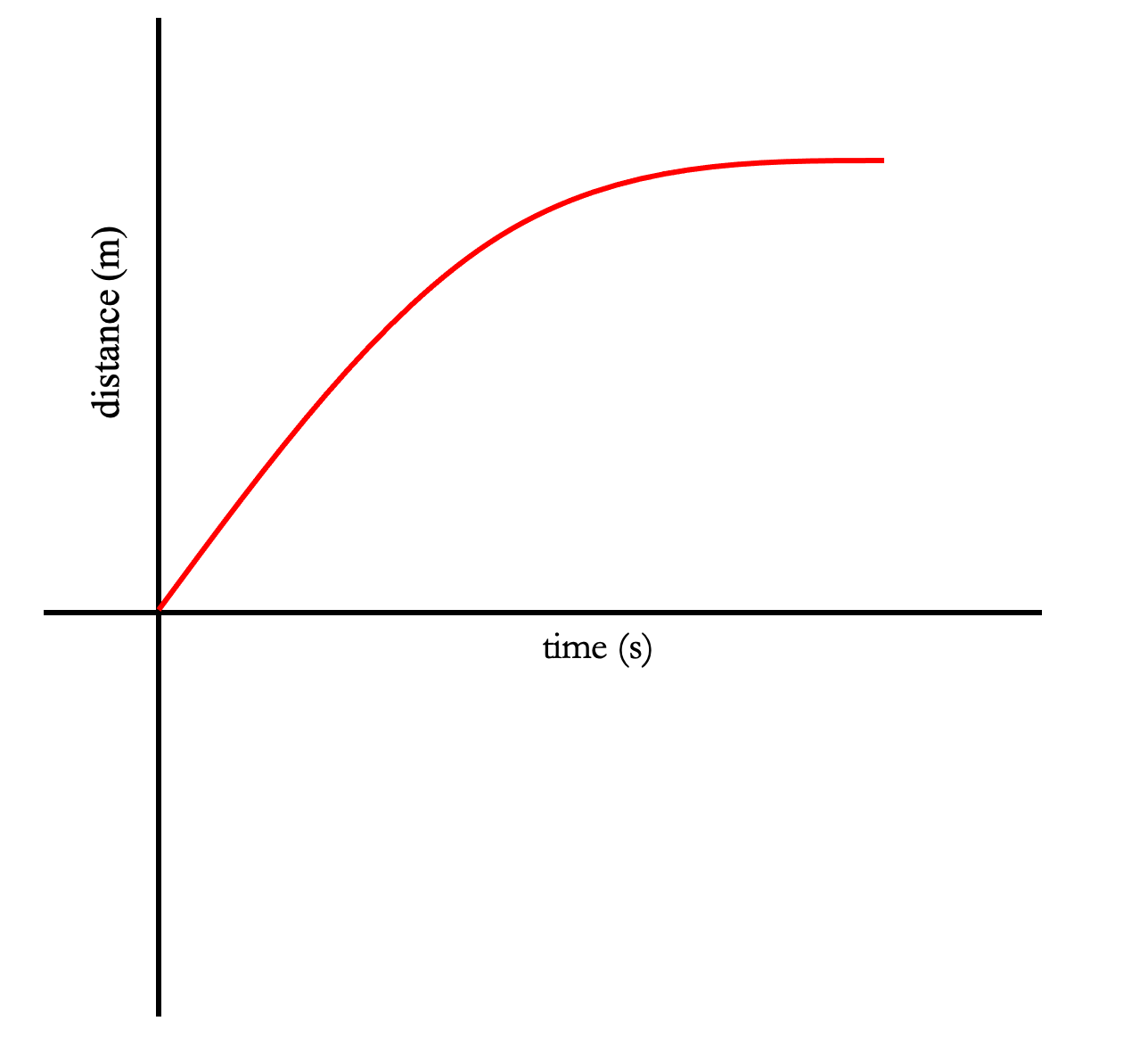
The distance-time graphs below represent the motion of a semi-truck. Match the descriptions with the graphs.
A.
B.
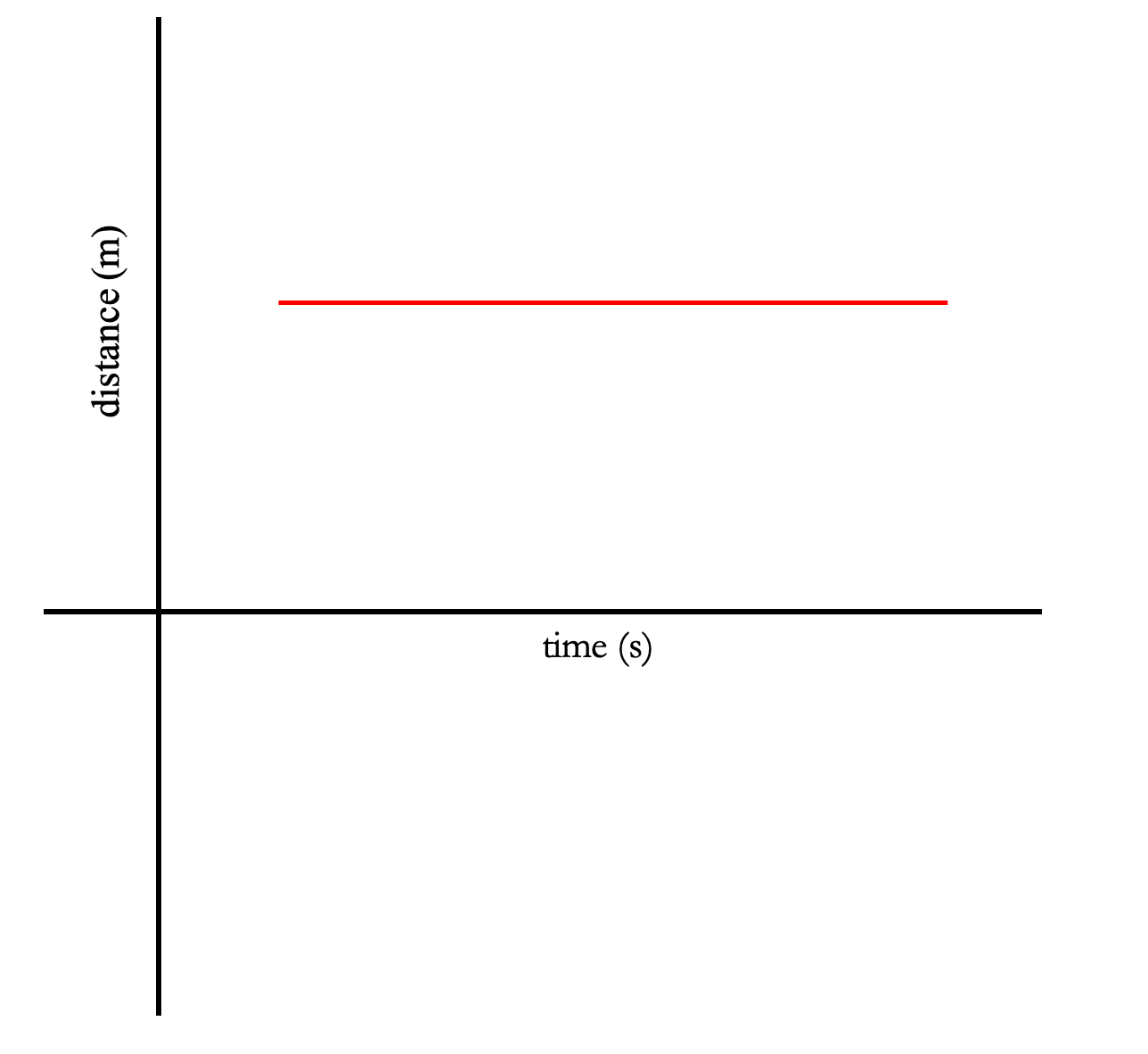
C.
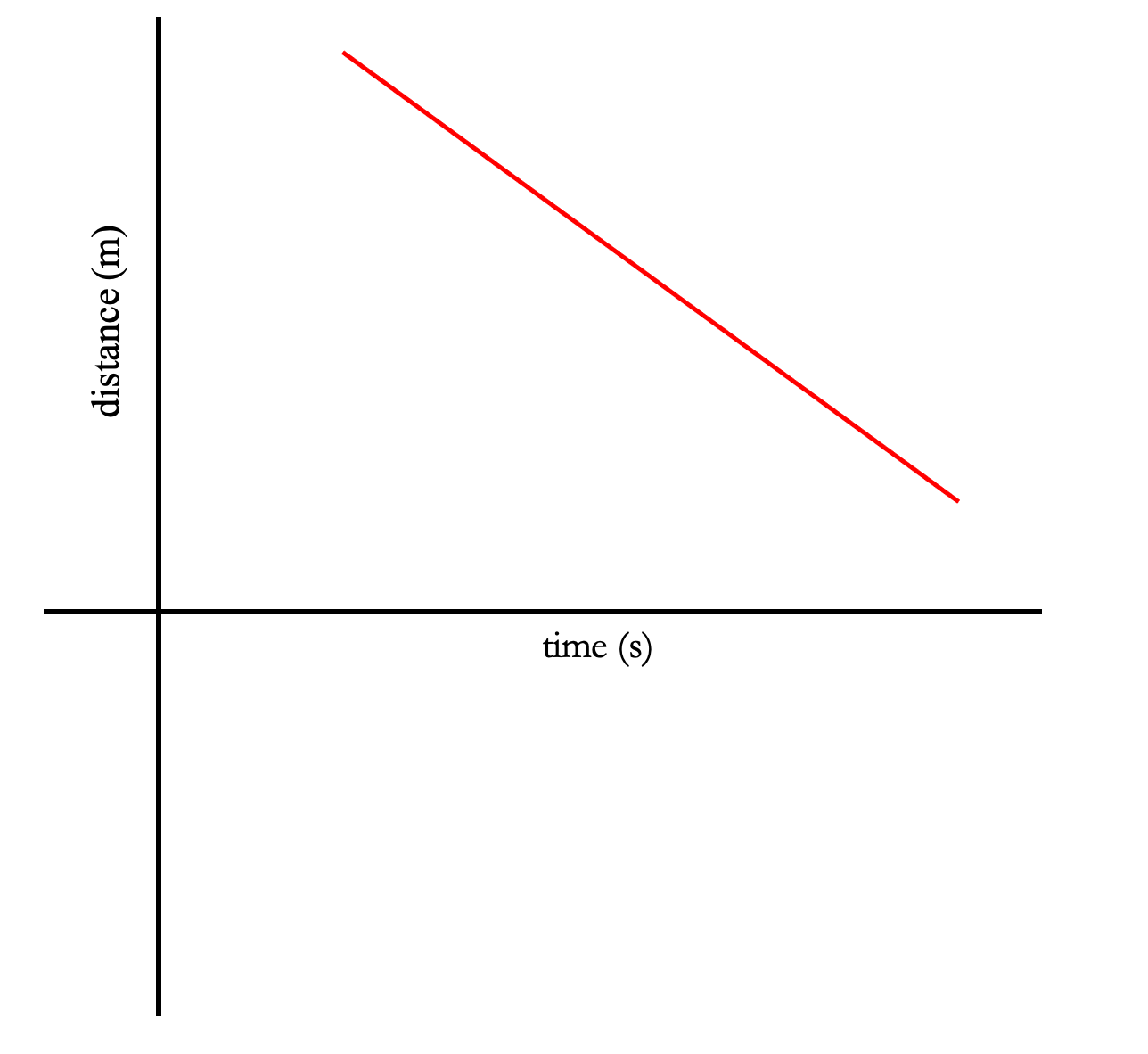
D.
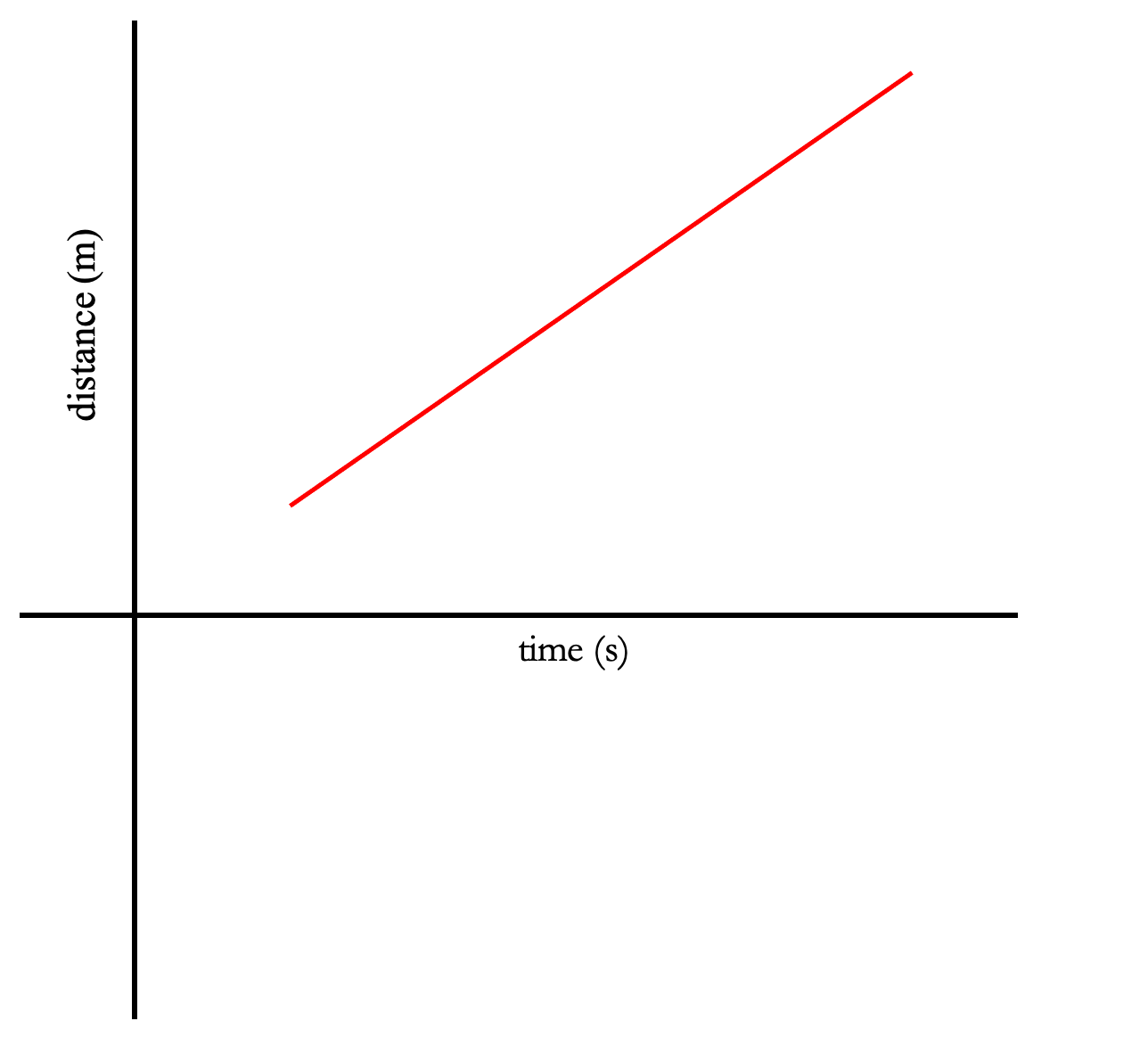
The car is travelling at a constant speed.
The car is coming back.
The car is stopped.
The speed of the car is decreasing.
Practice: Graphs & Rates of Change
The graph below shows the change in speed of a Greyhound bus during a part of its journey.
Practice: Graphs & Rates of Change
A graph displays changes in distance versus time. The graph has a downward sloping line from point to point. If the graph has been drawn to display speed versus time, how would it be different?