Wize University Biology Textbook > Seedless Plants
Overview of Plants
Popular Courses
Biology
General Course
General Biology
University Study Guides
DAT
General Course
Grade 11 Biology
Ontario High School
Grade 11 Biology
Canada High School
BIO 1131
University of Ottawa
General Biology
University Study Guides
BIOL 108
University of Alberta
Biology 20
Alberta High School
BIOL 111
McGill University
BIOL 184
University of Victoria
BIOL 1201
Western University
Life Sciences 11
British Columbia High School
BIOL 1011
Dalhousie University
BIOL 1P91
Brock University
BIOLOGY 2601A/B
Western University
BIOLOGY 2601A/B
Western University
BLG 144
Toronto Metropolitan University
BIOL 1020
University of Manitoba
BIOL 331
University of Calgary

0:00 / 0:00
Plant Kingdom
Plants are vital to all terrestrial systems since they produce all of the energy in the ecosystem
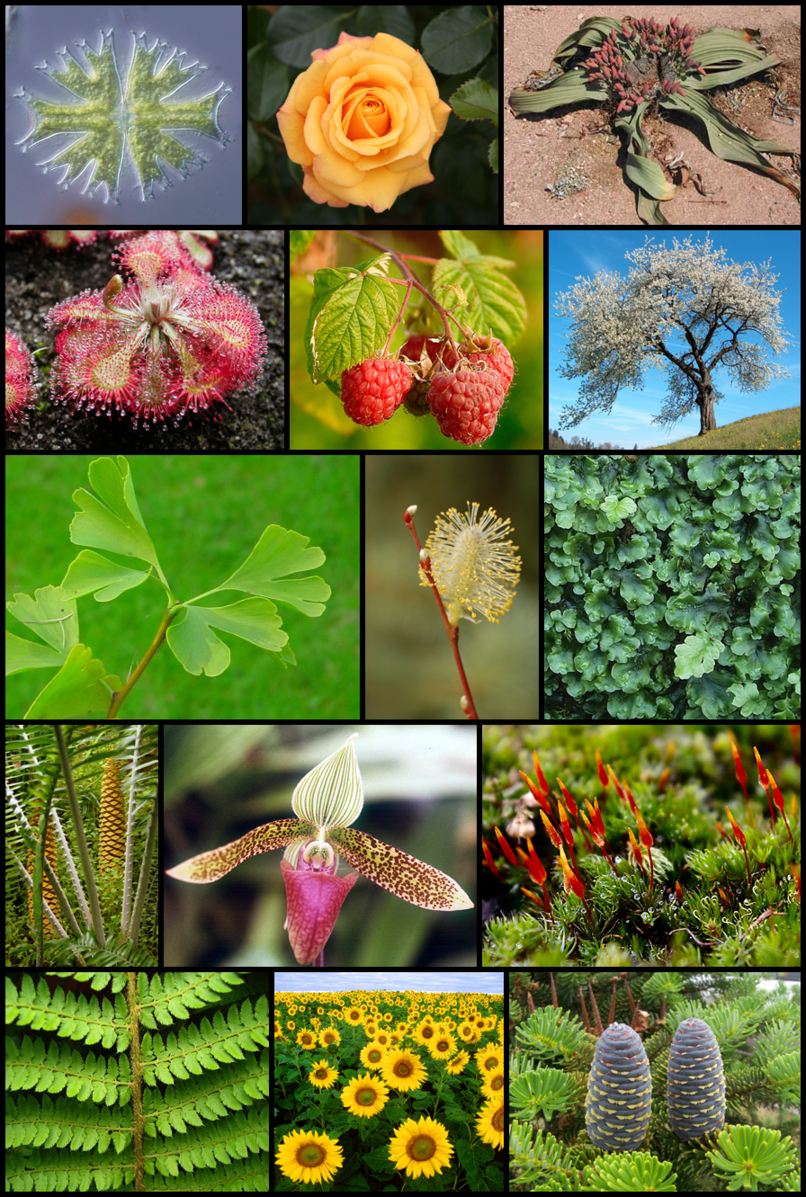
General features
- Most plants live on land, few are aquatic
- Are Multicellular Eukaryotes
- Use Photosynthesis
- Cell walls made of cellulose
- Undergoes alternation of generations
Exam Tip
Cell walls made of cellulose is the most distinguishing feature of plants!
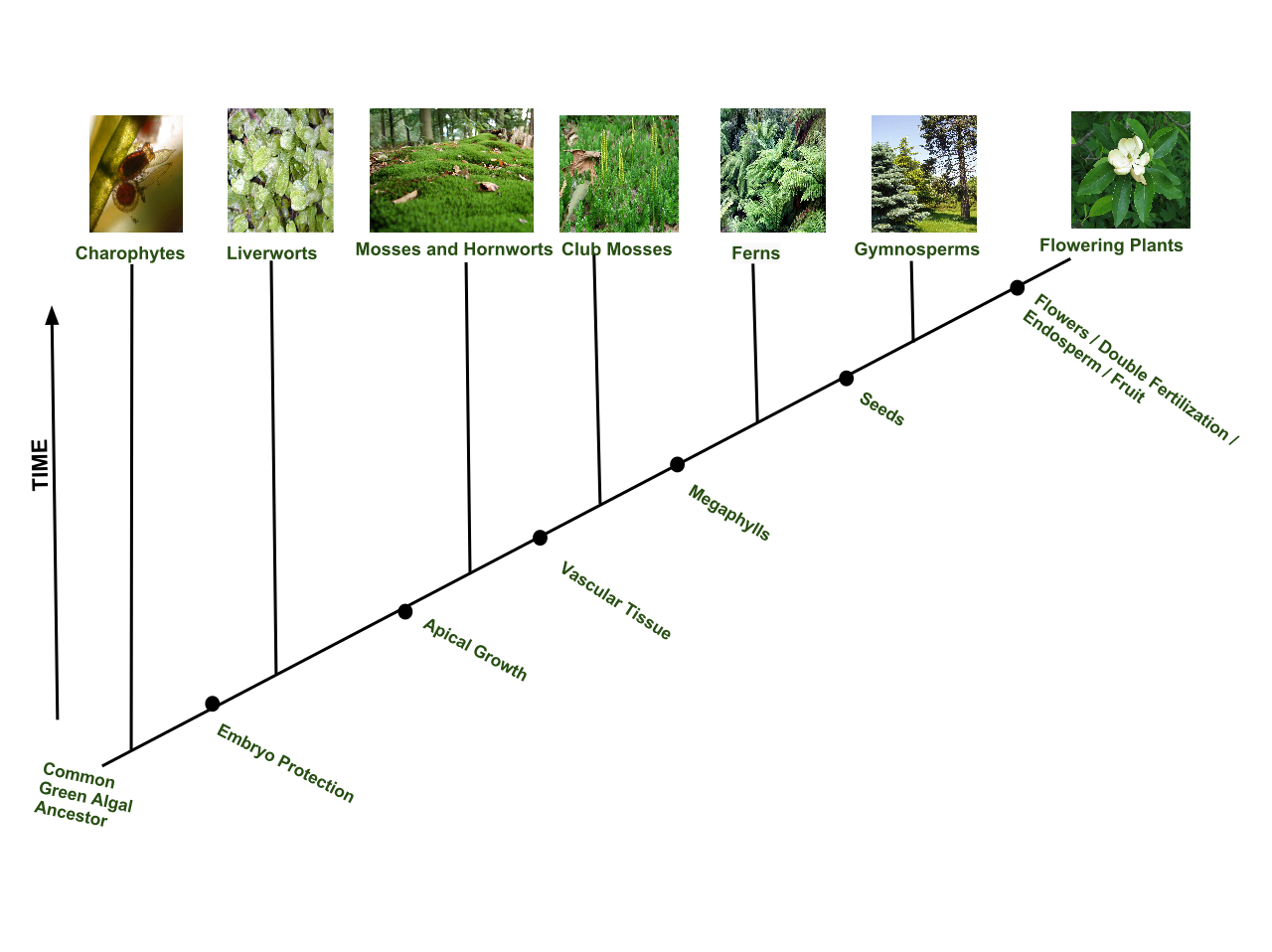
Main Groups
- Non-vascular plants: no vascular bundle Example: Mosses
- Seedless Vascular plants Example: Ferns
- Gymnosperms: has seeds but no flowers Example: Conifers and pines
- Angiosperms: flowering plants Example: Roses
Transition to life on land (~500 MYA)
- Benefits
- Lots of space
- Direct sunlight (unlike under water)
- Lots of mineral nutrients
- Few herbivores / pathogens
- Challenges
- Less water
- Gravity
- How did they succeed?
- Adapted through natural selection
- Took millions of years
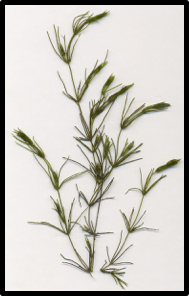
Charophytes
- Charophytes are sister to Plantae (which contains all land plants)
- Synapomorphies with land plants (shared characteristics)
- Rings of protein in plasma membranes (synthesize cellulose)
- Flagellated sperm
- Phragmoplast: Cell plate between dividing cells (becomes new cell wall)
0:00 / 0:00
Adaptations to Life on Land
This was one of the most significant transitions in all of the history of life on earth!
- Sporopollenin: tough polymer
- protects zygotes and spores from drying out
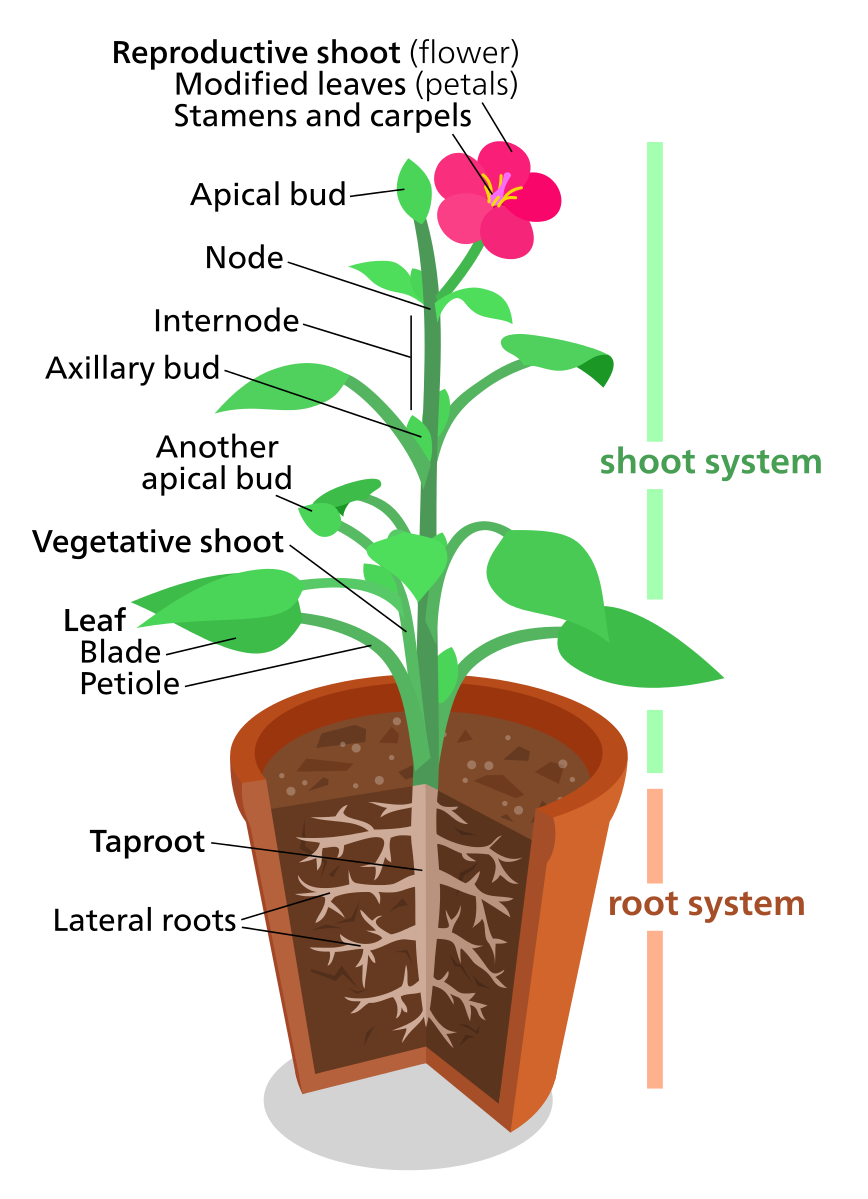
Unique plant traits (synapomorphies)
- Traits that unite plants (not charophytes)
- Water conservation
- Waxy cuticle: on epidermis, protect from water-loss and bacteria
- Stomata: cells that can open / close for gas exchange
- Multicellular and Dependent embryos
- Zygotes kept in tissue of female plant
- Placental cells: give zygote nutrients from parent
- Protect zygote from drying out
- Vascular tissues: contain lignin for strength
- Xylem: Dead - carries water and minerals from roots
- Phloem: Live - carries nutrients
- Compartmentalized Nutrients
- Nutrients from two sources
- Roots: water and minerals
- Shoots: light and gases
- early plants did not have roots - required mycorrhizae fungus
- Elongation and branching: increase surface area to absorb nutrients
- Apical Meristem: undifferentiated cells (like stem cells in humans)
- Can become any tissue
Wize Tip
These structures and functions of land plants are explained in greater detail in the Plant Physiology section of this textbook
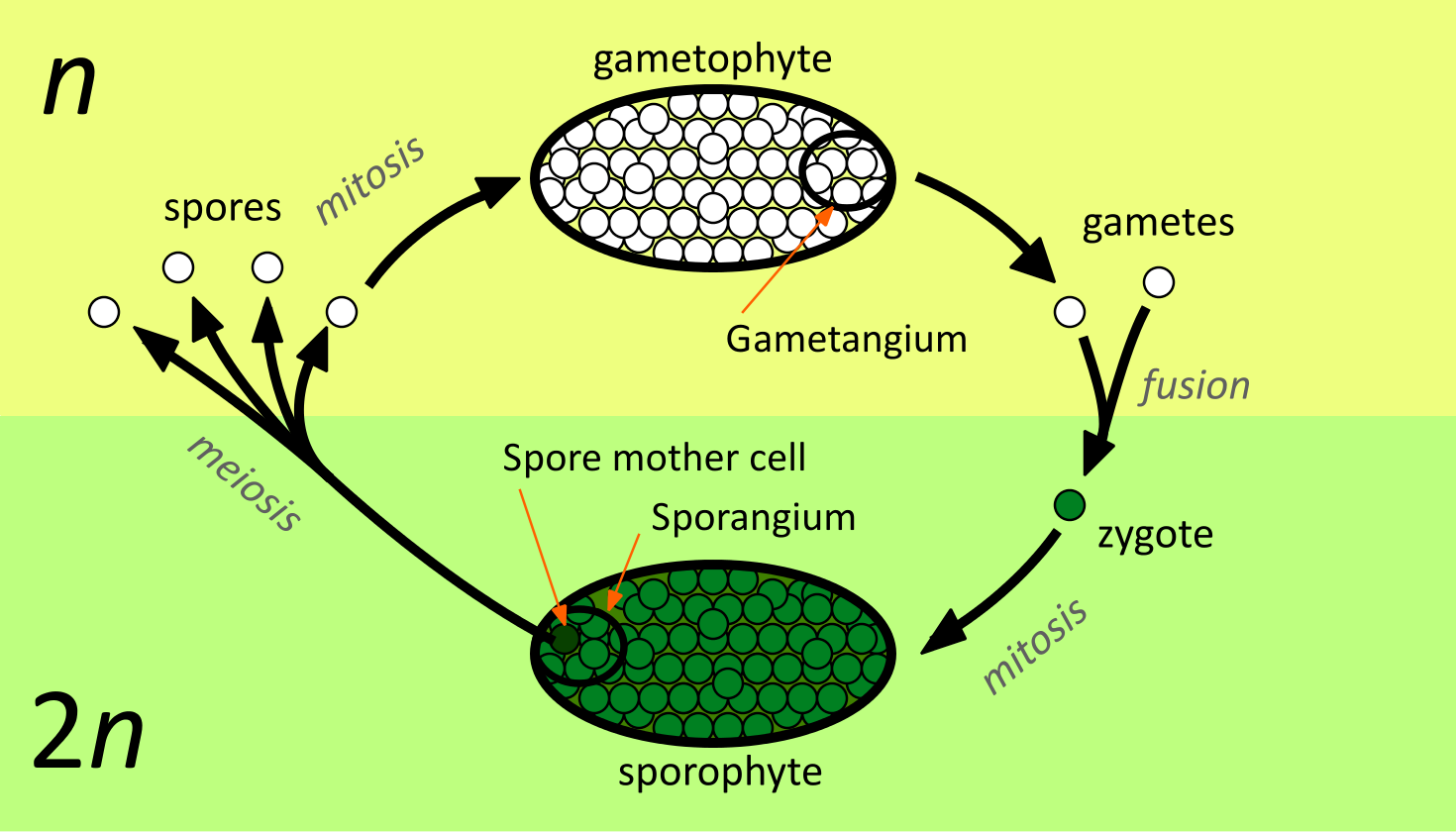
Alternation of Generations
- Has two living forms: Haploid (1N) and Diploid (2N)
- Alternates between Sexual and Asexual reproduction
Practice: Transition to Land
Which of the following does NOT represent a benefit of the transition to land in plants?
Practice: Seedless Plants
Which of the following is true about Charophytes?
Practice: Sporopollenin
Mark the following statement True or False:
Sporopollenin is a tough polymer that evolved to protect the sperm and zygotes for life on land.
Practice: Xylem
Which of the following best describes plant xylem?
Practice: Undifferentiated Plant Cells
Which term about plants best fits the following description:
Undifferentiated cells that have the ability to become any type of cell in the plant.