Wize University Chemistry Textbook > VSEPR Shapes and Polarity
VSEPR and Organic Compounds
Popular Courses
MCAT
General Course
CHEM 1301A/B
Western University
General Chemistry
University Study Guides
CHEM 112
Queen's University
CHEM 121
University of British Columbia
Chemistry
General Course
DAT
General Course
General Chemistry
University Study Guides
CHEM 121
Simon Fraser University
CHEM 1100
University of Manitoba
CHEM 1481
Texas A & M University
CEM 141
Michigan State University
CHMA10H3
University of Toronto
SC/CHEM 1100 4.00
York University
CHM 2045
University of Florida
CHEM 1035
Virginia Tech
CHEM 1001
Carleton University
CHEM 6A
University of California - San Diego
CHEM 111
University of British Columbia
CHEM 112
University of Saskatchewan
0:00 / 0:00
VSEPR Theory for Organic Compounds
- VSEPR theory doesn't change for organic compounds. Just like for organic compounds with Lewis structures, nothing changes in determining the VSEPR/molecular shape, the only difference is now there are multiple central atoms in the molecule (either C, N, or O, typically), and so each of these central atoms will have a VSEPR/molecular shape.
Ex) NH2CH2CH2COO-
0:00 / 0:00
VSEPR Theory of Organic Compounds - Example Problem
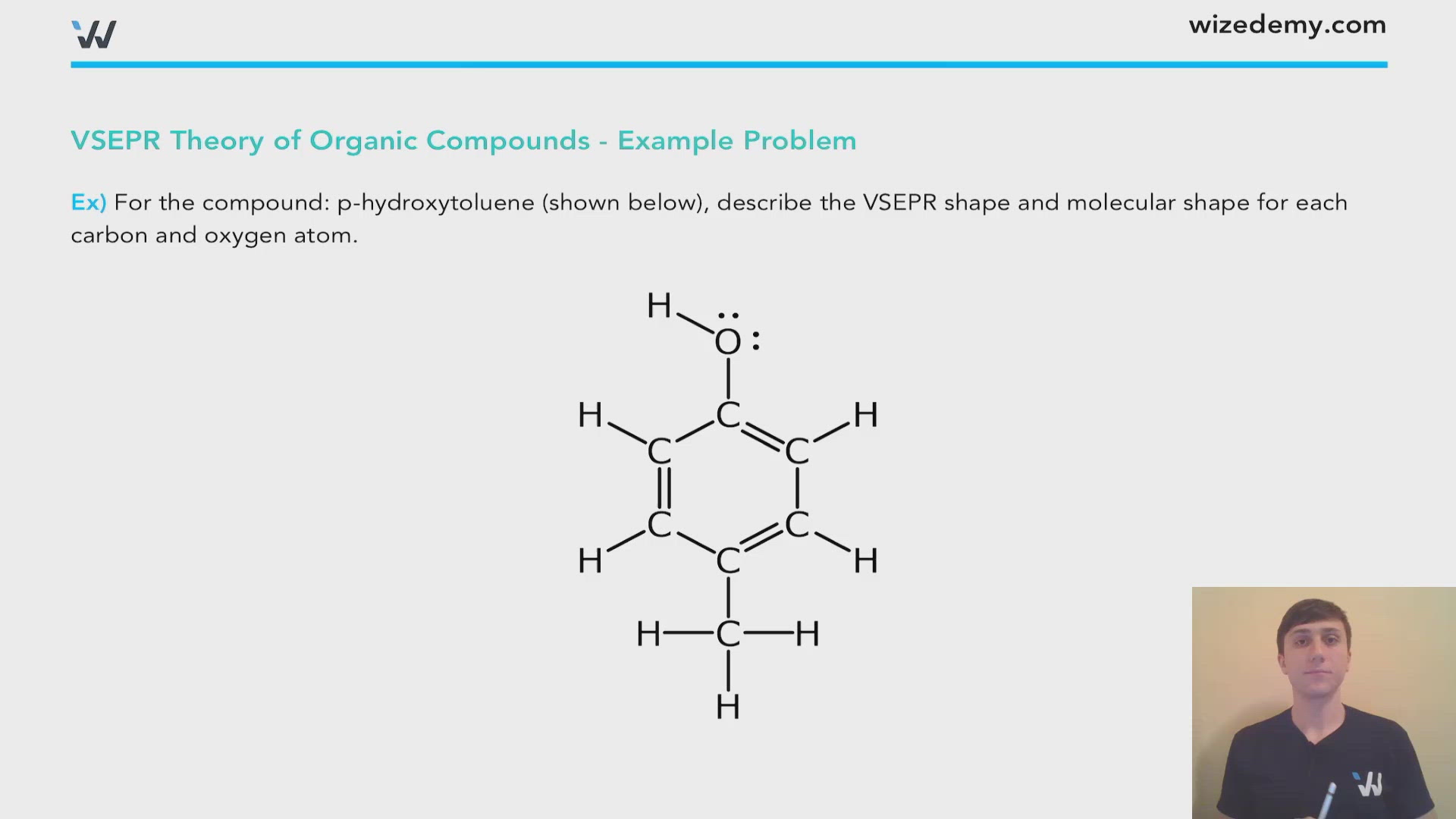
Ex) For the compound: p-hydroxytoluene (shown below), describe the VSEPR shape (aka electron geometry) and molecular shape for each carbon and oxygen atom.
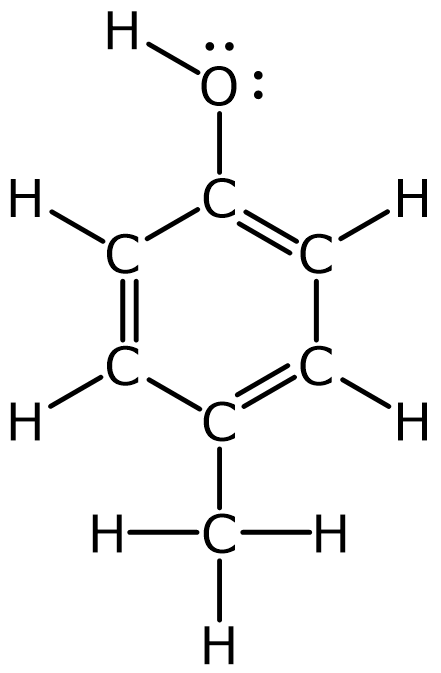
Atom: VSEPR shape and molecular shape
O: tetrahedral and bent
CH3 group: tetrahedral and tetrahedral
All other C: trigonal planar and trigonal planar
Practice Question: VSEPR Theory for Organic Compounds
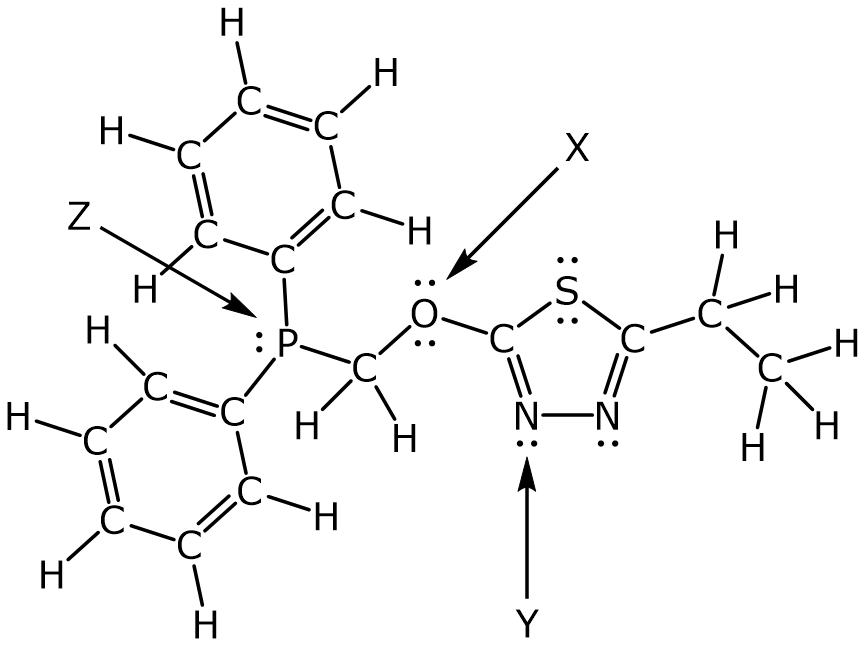
Answer the following questions based on the organic structure below.
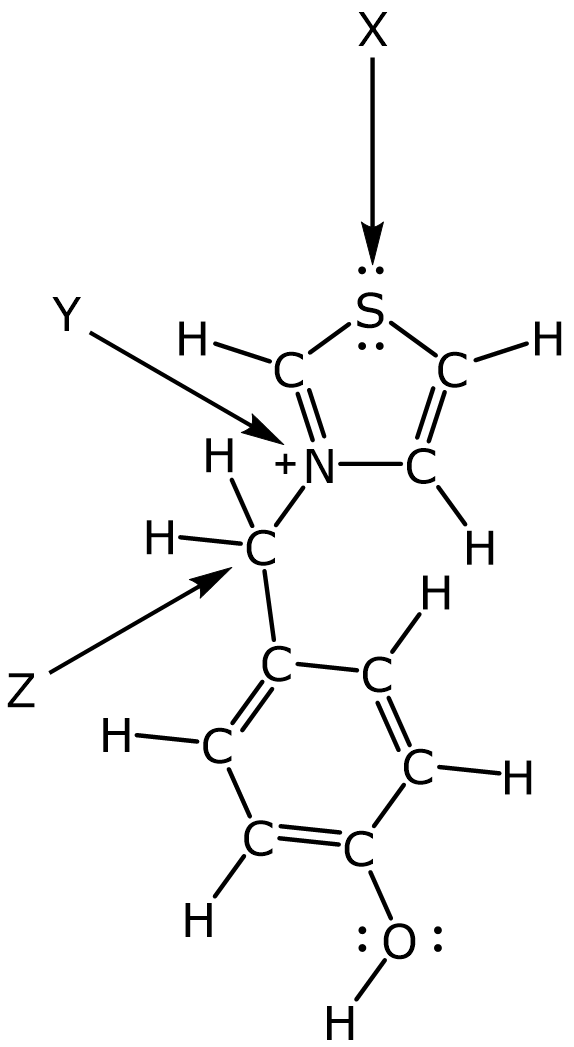
Practice Question 2: VSEPR Theory for Organic Compounds
Answer the following questions based on the organic structure below.