Wize University Chemistry Textbook > Introduction to Organic Chemistry
Cis and Trans Isomers
Popular Courses
General Chemistry
University Study Guides
Chemistry
General Course
CHEM 1AA3
McMaster University
General Chemistry
University Study Guides
APSC 132
Queen's University
CHEM 112B
Queen's University
CHEM 130
University of British Columbia
CHEM 1100
University of Manitoba
CHEM 1481
Texas A & M University
CHMA10H3
University of Toronto
SC/CHEM 1100 4.00
York University
CHM 2045
University of Florida
CHEM 1001
Carleton University
CHEM 111
University of British Columbia
CHEM 112
University of Saskatchewan
CHEM 1P91
Brock University
CHM 1301
University of Ottawa
CHEM 1110
University of Manitoba
CHMA11H3
University of Toronto
CHEM 1300
University of Manitoba
0:00 / 0:00
Conformations and Stereochemistry
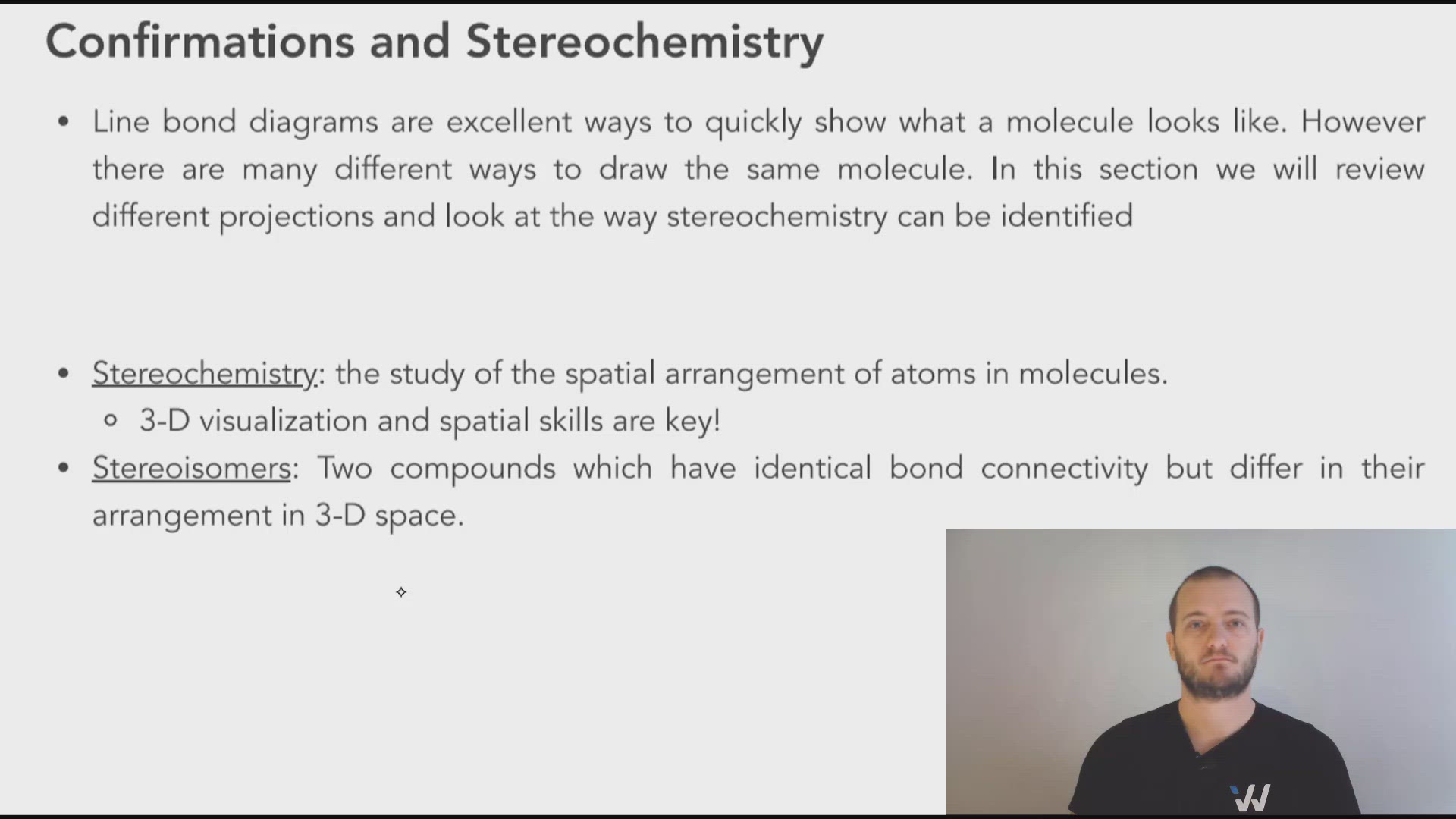
Line bond diagrams are excellent ways to quickly show what a molecule looks like. However there are many different ways to draw the same molecule. In this section we will review different projections and look at the way stereochemistry can be identified
- Stereochemistry: the study of the spatial arrangement of atoms in molecules.
- 3-D visualization and spatial skills are key!
- Stereoisomers: Two compounds which have identical bond connectivity but differ in their arrangement in 3-D space.
0:00 / 0:00
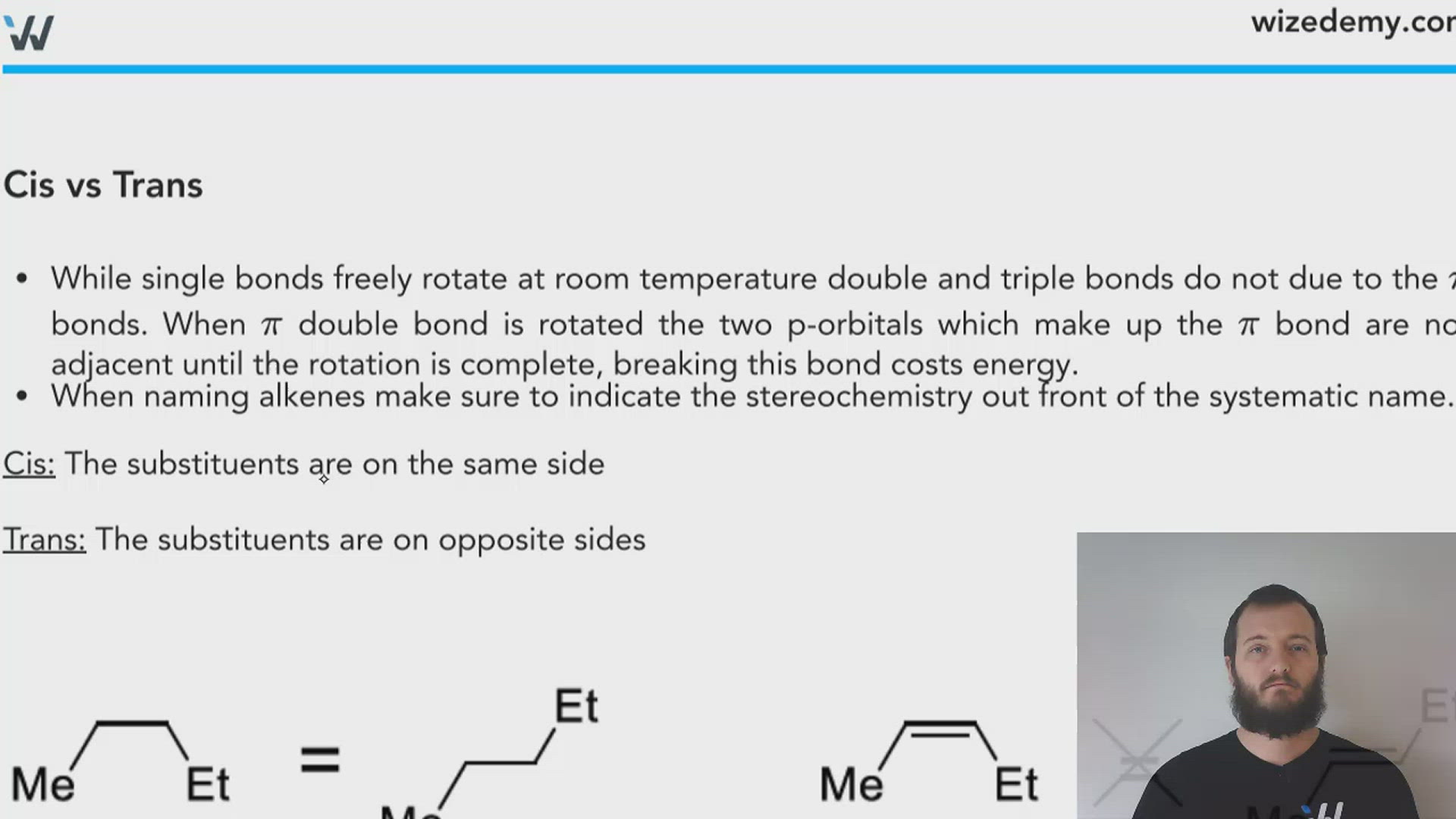
Cis vs Trans
- While single bonds freely rotate at room temperature double and triple bonds do not due to the bonds.
- When naming alkenes make sure to indicate the stereochemistry in front of the systematic name.
Wize Concept
Cis: The substituents are on the same side.
*Think: cis are like sisters on the same side!
Trans: The substituents are on opposite sides.

Example: Label the following double bonds as cis or trans.
a)

Trans
b)

Cis
c)
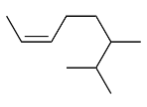
Cis
d)

Neither cis or trans because the C on the right is bound to 2 Hs (not bound to 2 different groups)
Wize Tip
Each C in the double bond needs to be bound to two different groups in order for the double bond to be classified as either cis or trans!
0:00 / 0:00
Example: Cis and Trans Isomers
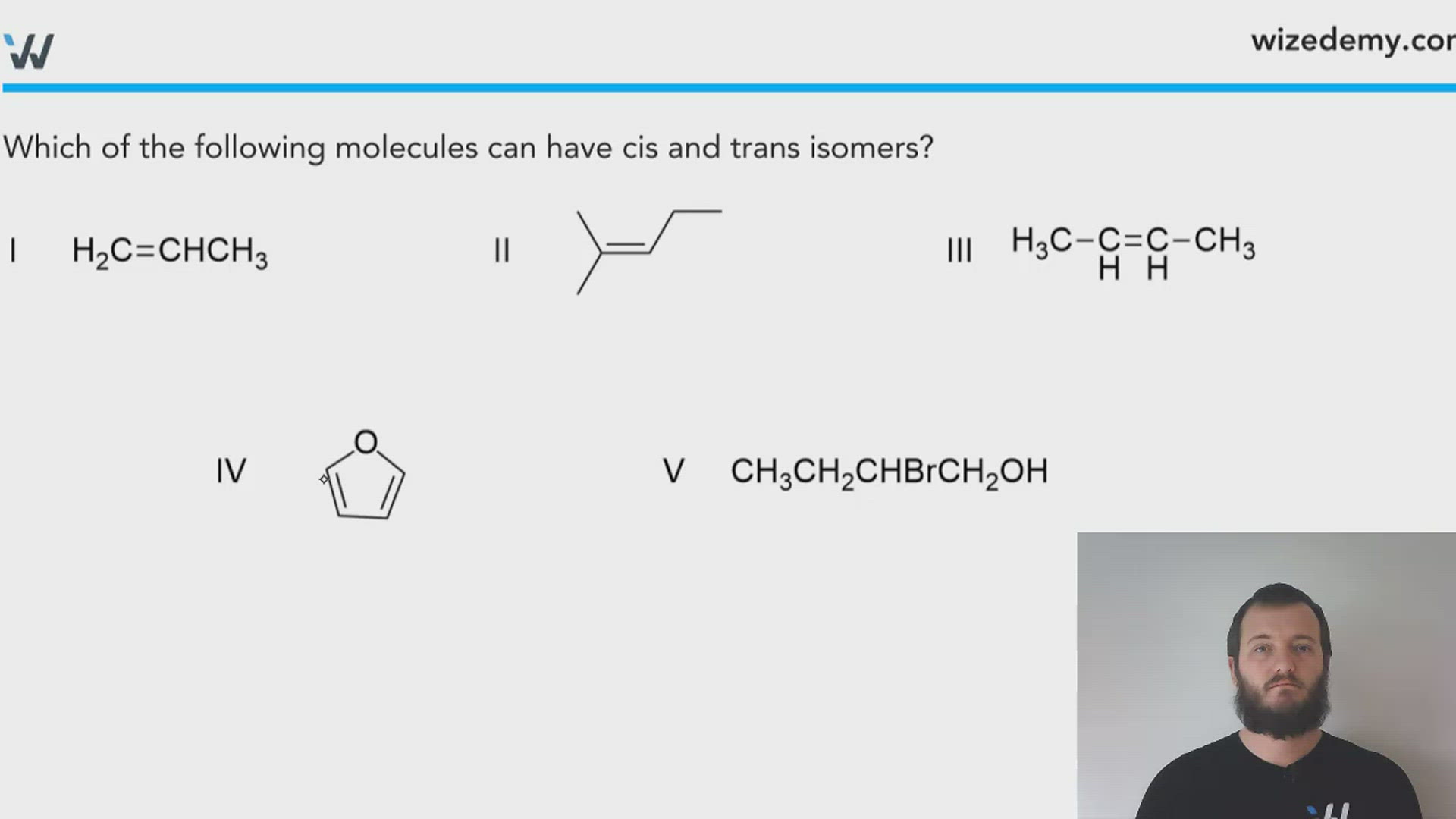
Which of the following molecules can have cis and trans isomers?
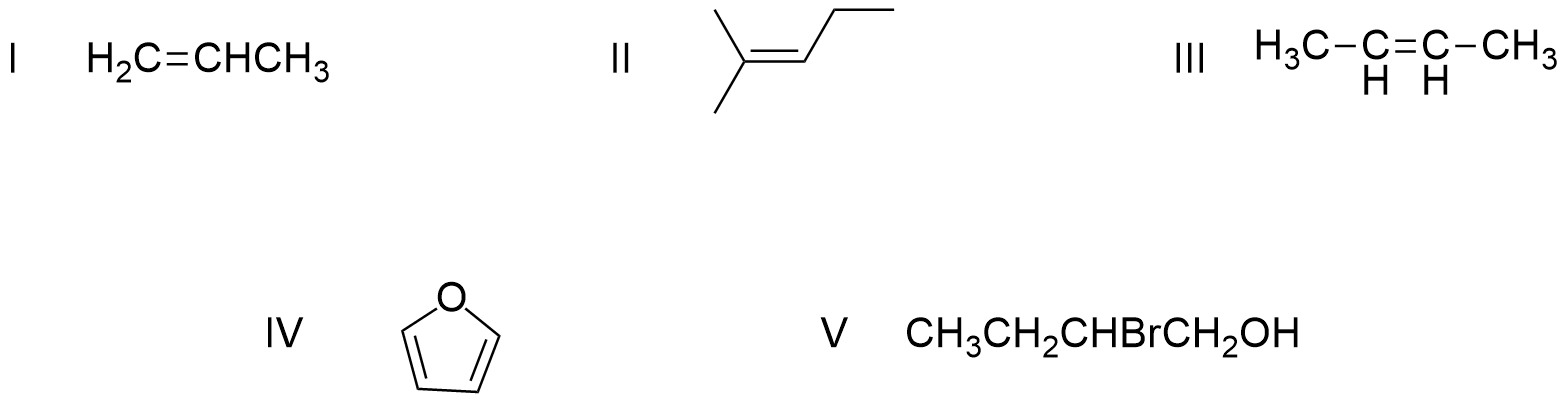
Only Compound III can have cis and trans isomers, the other molecules either don't have a double bond (V), have double bonds that are locked into rings (IV) or have double bonds where one carbon has two identical groups (I, II)
Note: rings cannot form cis and trans isomers because they are "locked" in place. They only have cis isomers.
Practice: Naming Alkenes with Stereochemistry
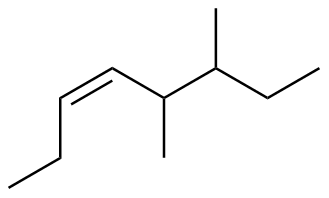
What is the name of the molecule shown below: