Popular Courses
General Chemistry
University Study Guides
Chemistry
General Course
CHEM 1AA3
McMaster University
General Chemistry
University Study Guides
APSC 132
Queen's University
CHEM 112B
Queen's University
CHEM 130
University of British Columbia
CHEM 1100
University of Manitoba
CHEM 1481
Texas A & M University
CHMA10H3
University of Toronto
SC/CHEM 1100 4.00
York University
CHM 2045
University of Florida
CHEM 1001
Carleton University
CHEM 111
University of British Columbia
CHEM 112
University of Saskatchewan
CHEM 1P91
Brock University
CHM 1301
University of Ottawa
CHEM 1110
University of Manitoba
CHMA11H3
University of Toronto
CHEM 1300
University of Manitoba

0:00 / 0:00
Chirality
- A molecule is described as being chiral if has a non-superimposable mirror images.
- One way for a molecule to be chiral is through the presence of an asymmetric center (sometimes referred to as a chiral center), a tetrahedral center with four unique substituents.
- We use the R and S stereochemical identifiers to distinguish between the two chiral forms, called enantiomers.
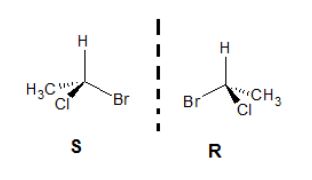
- Enantiomers have the same physical properties (melting points, boiling points, etc.) but different chemical properties when they interact with other chiral molecules. This is especially common in biological systems which are full of chiral molecules.
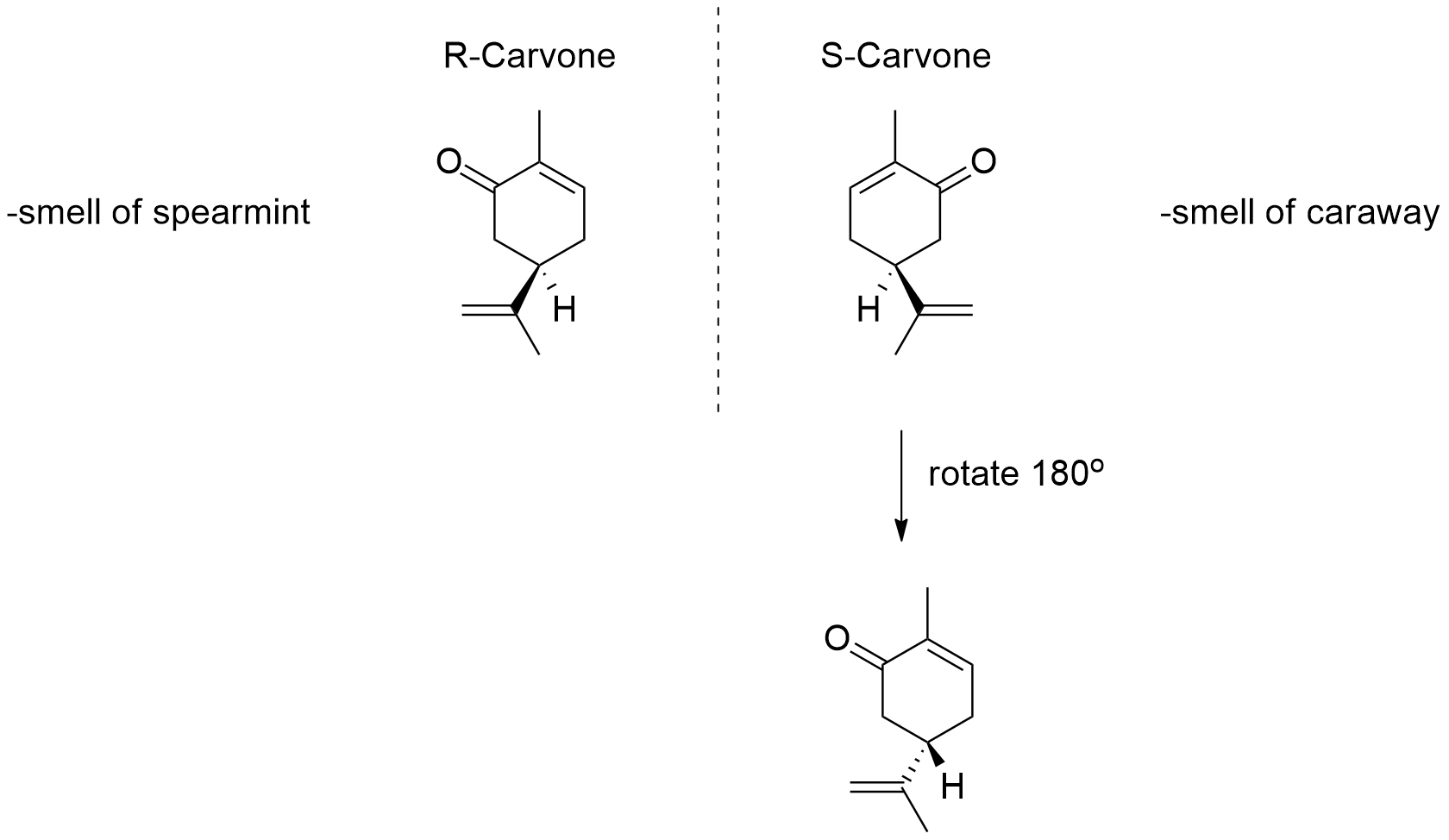
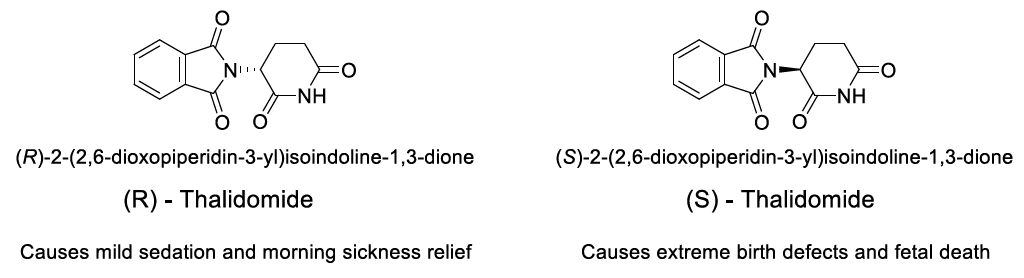
Very Important in Pharmaceuticals!!
- Different enantiomers of the same drug can have wildly different properties.
- It was found that the R isomer actually converts into the S isomer in the body.
Example: Locate Chiral Centres
Locate the asymmetric centers (chiral centers) in the molecule below
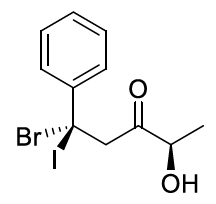
Find asymmetric centers by looking for atoms with four unique groups attached.
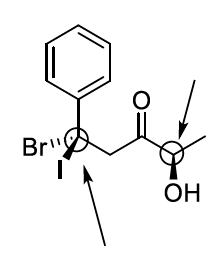
Practice: Molecules That Display Chirality
Which of the following molecules would display chirality?