Wize University Macroeconomics Textbook > Aggregate Expenditure
Aggregate Expenditure Equation
Popular Courses
ECON 203
Concordia University
Macroeconomics
University Study Guides
ECONOMIC 1022A/B
Western University
Macroeconomics
General Course
ECON 102
University of British Columbia
ECON*1100
University of Guelph
Macroeconomics
University Study Guides
ECON 102
University of Alberta
ECO102H1
University of Toronto
ECO 1102
University of Ottawa
ECON 209
McGill University
ECON 1BB3
McMaster University
ECON 112
Queen's University
ECON 295
McGill University
ECON 110
Queen's University
ECON 1102
Dalhousie University
ECON 1002
Carleton University
ECON 1BA3
McMaster University
ECON 330
McGill University
ECON 104
Pennsylvania State University

0:00 / 0:00
Consumption and Savings
The Aggregate Expenditure (AE) is the total of all planned spending in the economy.
Consumption
Where:
C – Consumption expenditure
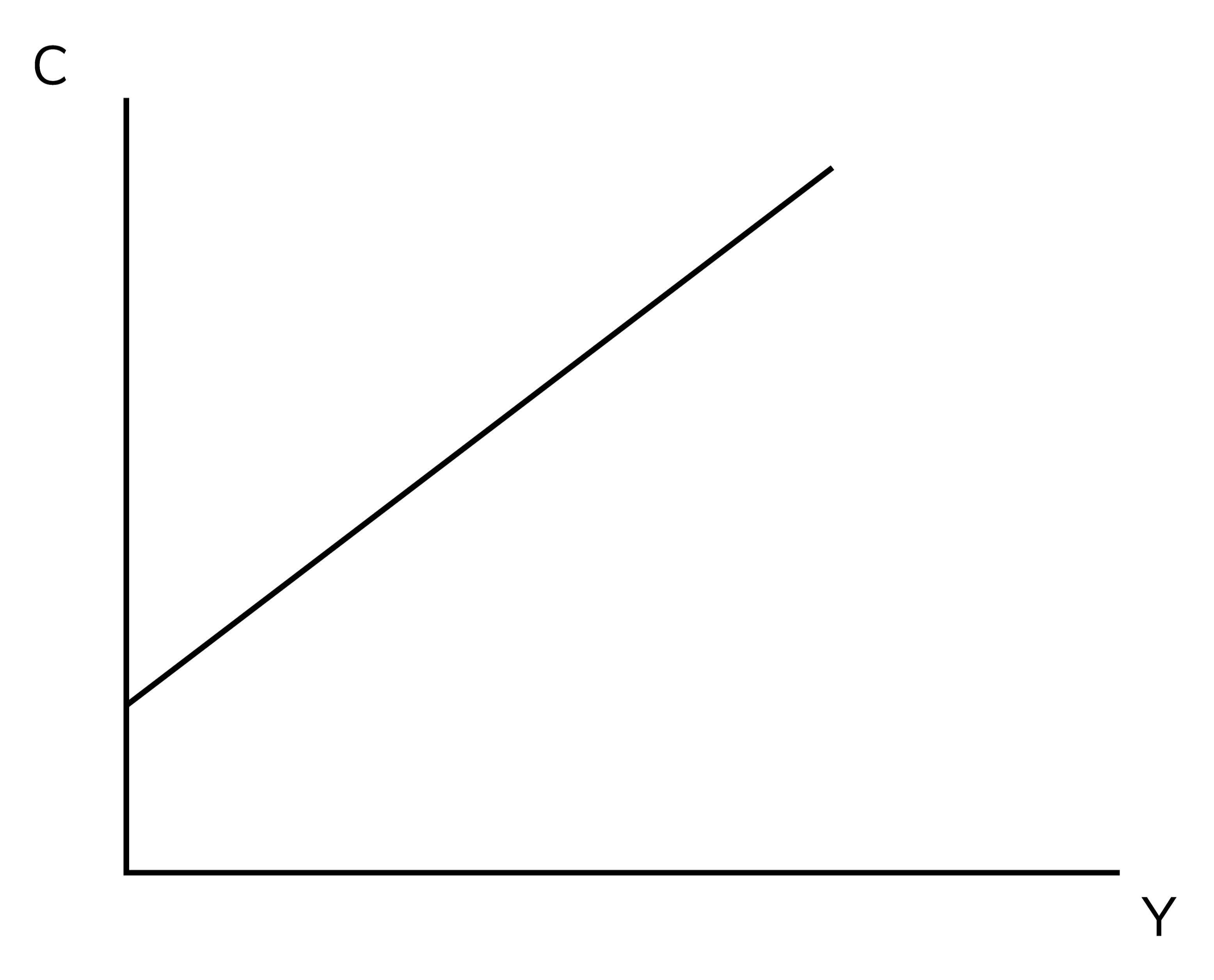
a – A positive constant. This is the intercept. We call it Autonomous Consumption Expenditure. This means it is consumption unrelated to our income. It is also sometimes called Co.
Example: Even if you have no job, you will still spend a certain amount on food and rent. That is your autonomous consumption
b – A positive fraction between 0 and 1. It is the slope of the line and is also known as the Marginal Propensity to Consume (MPC).
Yd – Disposable income. This is income after paying taxes, which is what we can either spend or save.
Induced Expenditure – expenditure that is determined by national income levels. This is the opposite of autonomous expenditure and is represented by bYd in the formula above.
Example: If you get a salary bonus, you will probably eat out more, which increases the induced expenditure on restaurants.
Average Propensity to Consume (APC)
The APC is consumption divided by the level of disposable income. This
does
change at different levels of income. It can be greater, less than or equal to 1.Marginal Propensity to Consume (MPC)
The MPC is the slope of the consumption function line. It is the change in consumption expenditure caused by a change in income. This
does not
change at different levels of income. It must always be between 0
and 1
Example: What is the equation of the consumption function for the table below?
Yd C ∆C/∆Yd
0 30 -
20 35
40 40
60 45
80 50
C =
30 + 0.25Y
Shifts in Consumption
If the autonomous expenditure changes, the vertical intercept will change causing the entire line to shift up or down.
- A fall in interest rates usually shifts the consumption lineupbecause it ischeaperto take loans to buy durable goods (like cars).
- If people have optimistic expectations of the future, consumption line will shiftup
- An increase in household wealth will shift the consumption lineup. Wealth is all assets and investments so if your investments are doing well, you don’t need to save as much and you can spend more.
Savings
- Average Propensity to Save (APS) - this is the savings divided by the level of disposable income. Thisdoeschange at different levels of income. It can be less than, greater than or equal to 1.
- Marginal Propensity to Save (MPS) - this is the change in saving divided by the change in disposable income. Thisdoes notchange at different levels of income. It is always between0and1
Since a dollar of extra disposable income leads either to extra planned consumption or extra planned saving we can say that :
0:00 / 0:00
Investment, Government, Net Exports
Investment
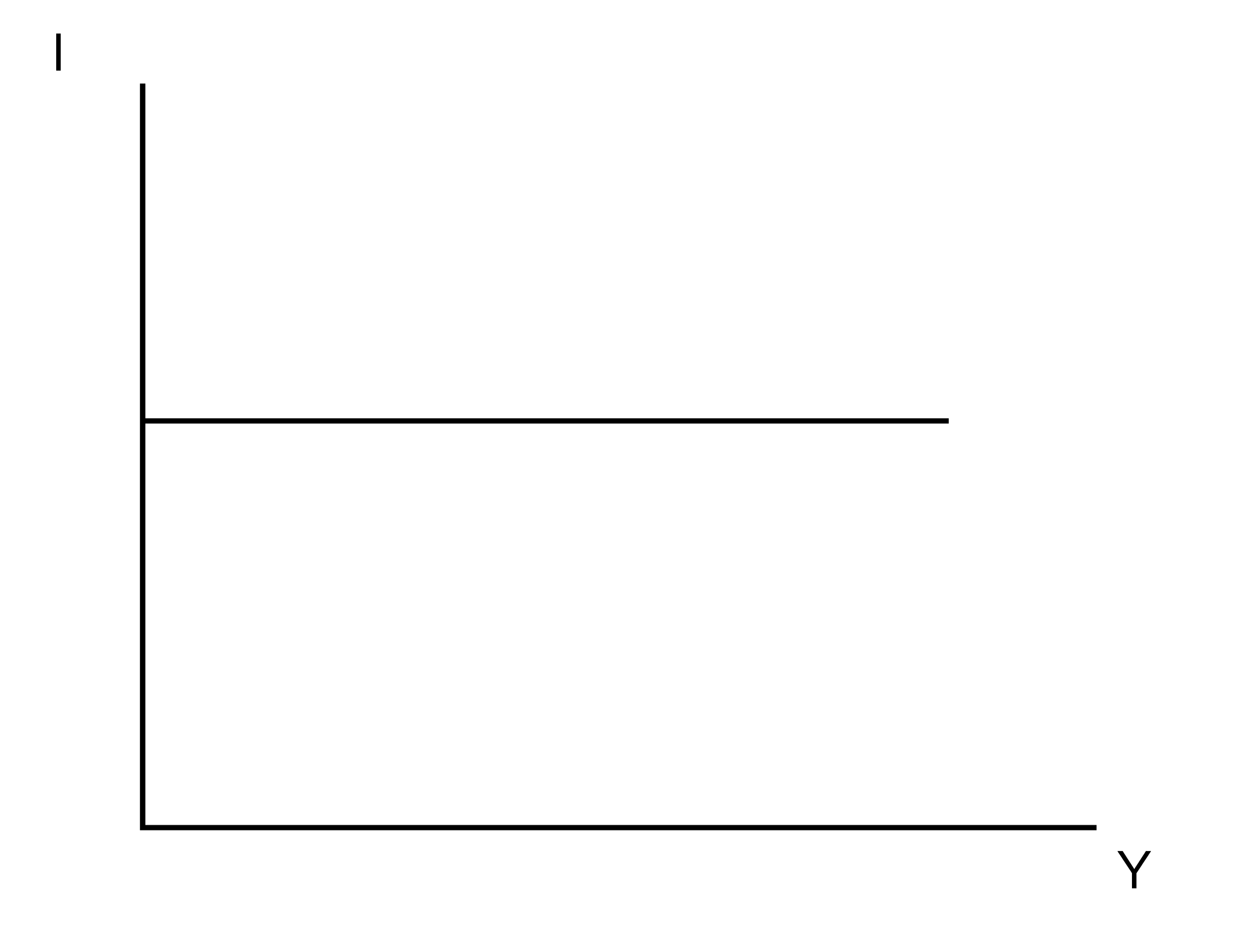
Investment Expenditure does not depend on our income so it is completely autonomous. It is very volatile and gets affected by 3 things:
1. The real interest rate
2. Changes in the level of sales
3. Business confidence
- The Real Interest Rate – As the real interest rate increases, it is more expensive for firms to take loans so investment expenditurefalls. Higher real interest also means there is a higher opportunity cost of investment because firms could be earning high returns on interest-earning assets (like bonds), which again makes investment in a new factory less attractive.
- Changes in Sales – The higher the level of sales, the larger the desired stock of inventories, so higher investment.
- Business Confidence – If firms are optimistic about future state of the economy they will take on more investment projects, so investment will rise.
Government Expenditure (Purchases)
- Government expenditure (purchases) does not depend on our income so it is autonomous.
- It does not include transfer payments, which are payments made to citizens that are unrelated to currently produced goods/services. Example: Transfer payments include pension paid to retired people or welfare payments made to low income/unemployed people.
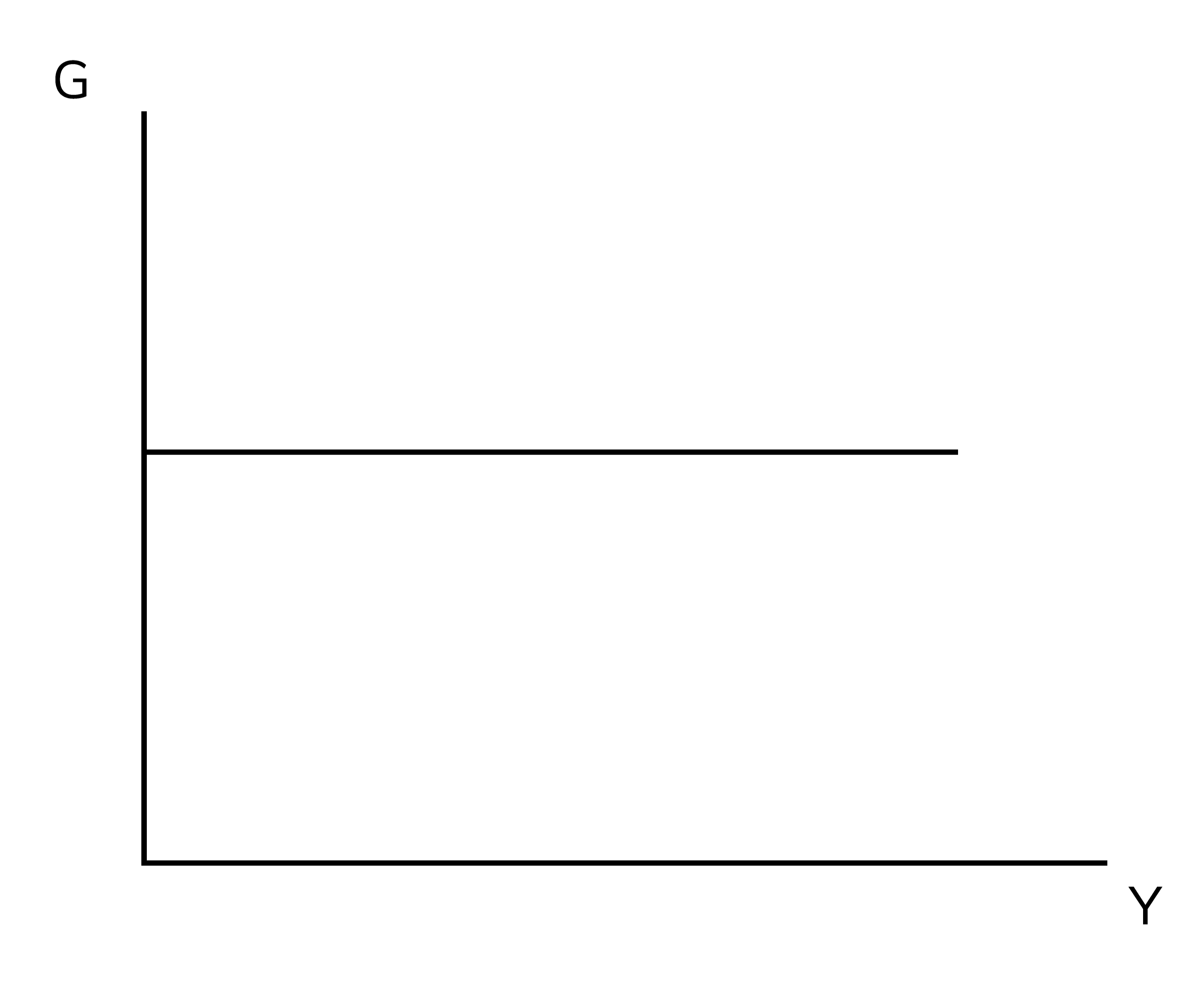
Where:
T - Total taxes
t - Tax rate
Y - Income
Example: If the Y = 1000 and the tax rate is 30% or 0.3, the disposable income is
1000 - 0.3(1000) = $700
Exports
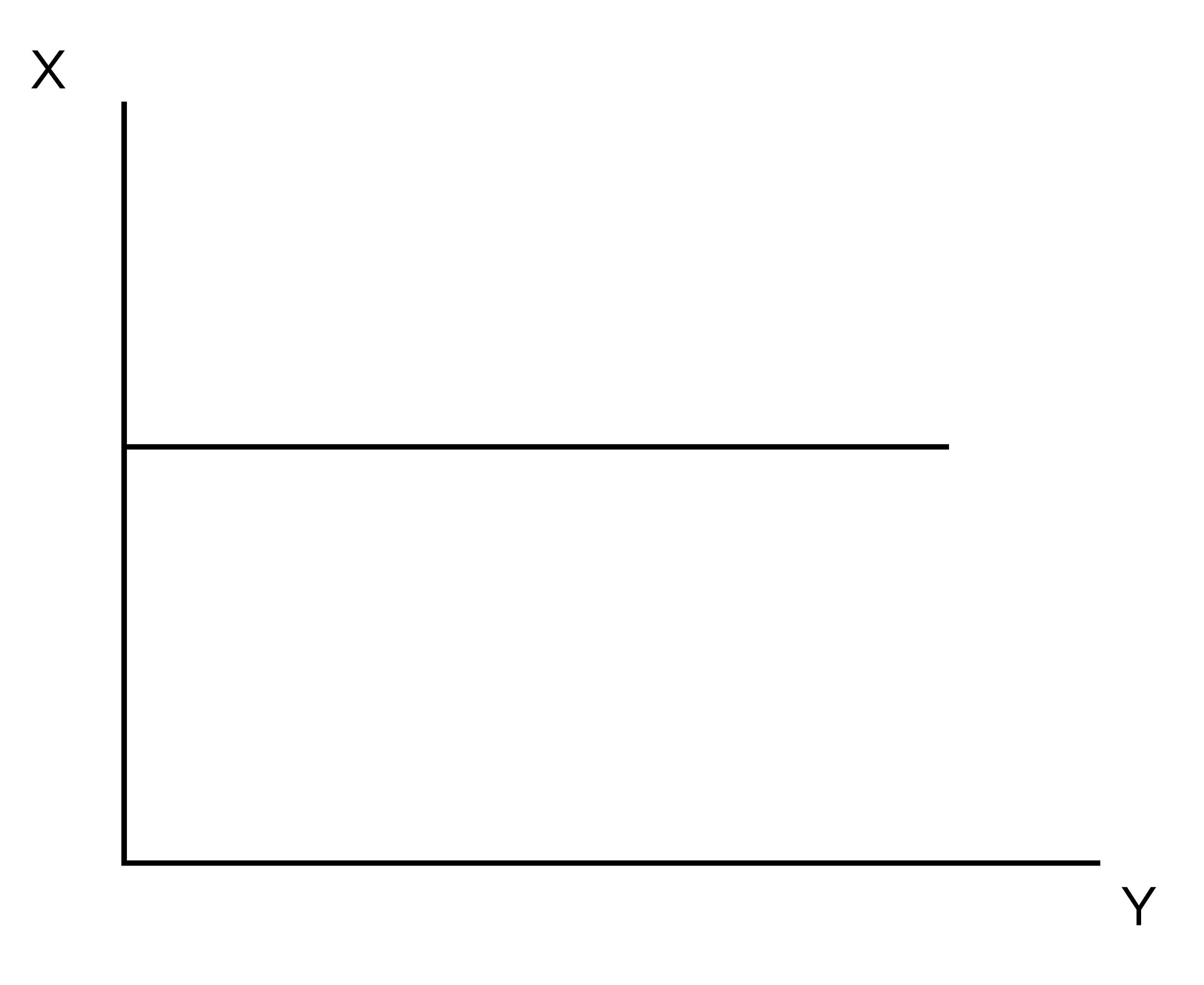
- Exports are also autonomous. Our exports are not determined by our national income.
- Instead, they depend on income levels in other countries, This means that only things like changes in income levels of other countries and changes in preferences of other countries will affect how much we export. Example: If there is a recession in Japan, our exports to Japan will decrease.
Imports
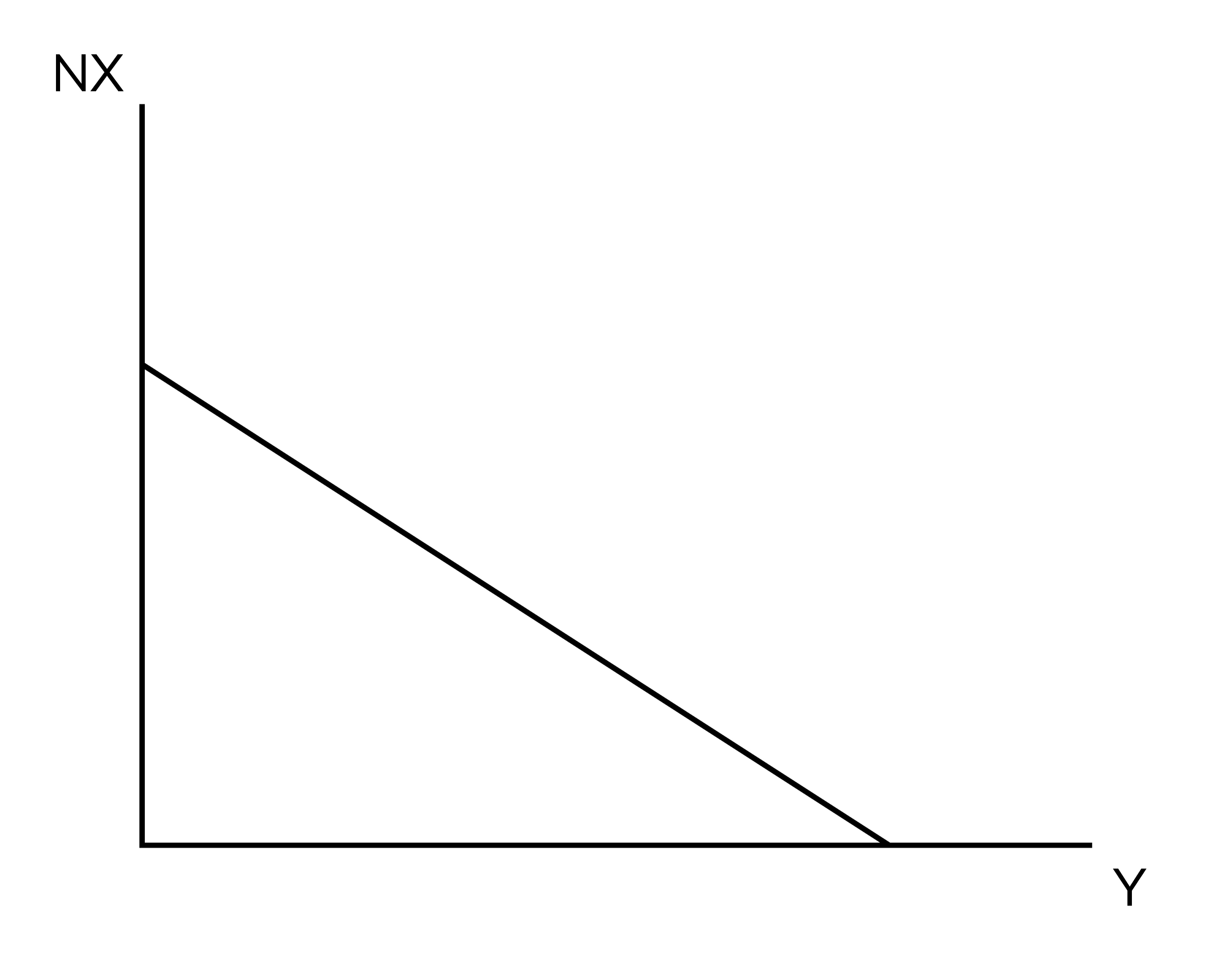
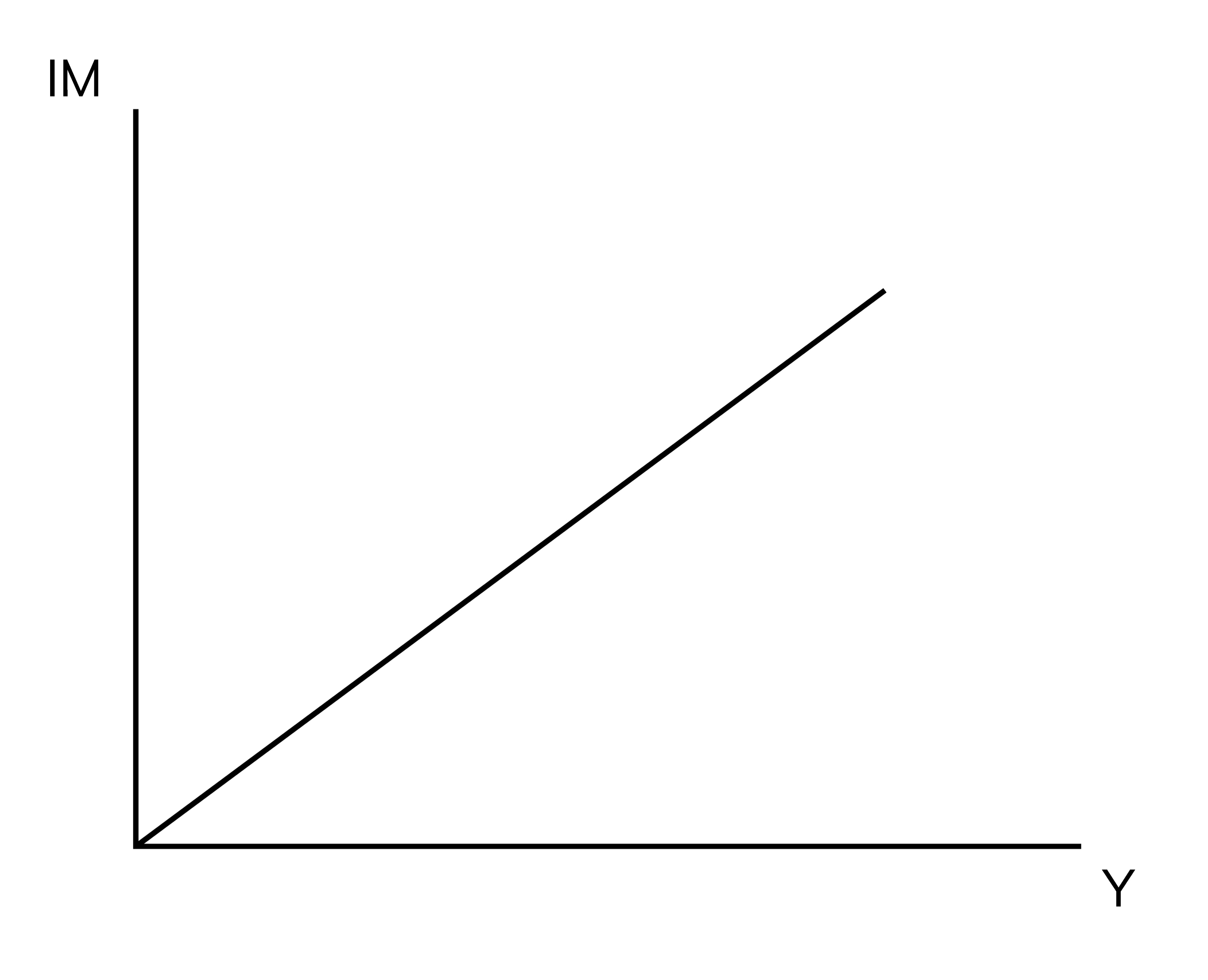
- Imports are a part of domestic expenditure. Like consumption expenditure, importsriseas income levels increase (positive relationship).
- Marginal Propensity to Import (m) – this is the change in imports caused by a $1 change in national income. It is also called MPI or MPM.
Example: If m is 0.4, then that means that as income levels rise by $1, imports increase by $0.40.
The import function is:
Where:
IM – total expenditure on imports
m – the Marginal Propensity to Import. This is the slope of the import function line. It is also called MPM or MPI
Y – national income
Net Exports