Wize University Introduction to Finance Textbook > Bond Valuation
Introduction to Bonds
Popular Courses
COMM 308
Concordia University
Intro to Finance
University Study Guides
Intro to Finance
University Study Guides
FINA 230
Concordia University
MGCR 341
McGill University
FIN 301
University of Alberta
FIN 300
Toronto Metropolitan University
COMM 121
Queen's University
FIN*2000
University of Guelph
FINC 341
Texas A&M University
COMMERCE 2FA3
McMaster University
COMM 2202
Dalhousie University
BU283
Wilfrid Laurier University
FIN 300
Arizona State University - Tempe
BUSFIN 3220
Ohio State University
SB/FINE 2000 3.00
York University
FIN 301
Pennsylvania State University
BUS-F 255
Indiana University - Bloomington
FIN 3403
University of Central Florida
FIN 3403
University of Florida

0:00 / 0:00
What is a Bond?
A bond is a long-term debt instrument that promises fixed payments and has a maturity of more than 10 years. Bonds are issued by corporations that require funding for future projects.
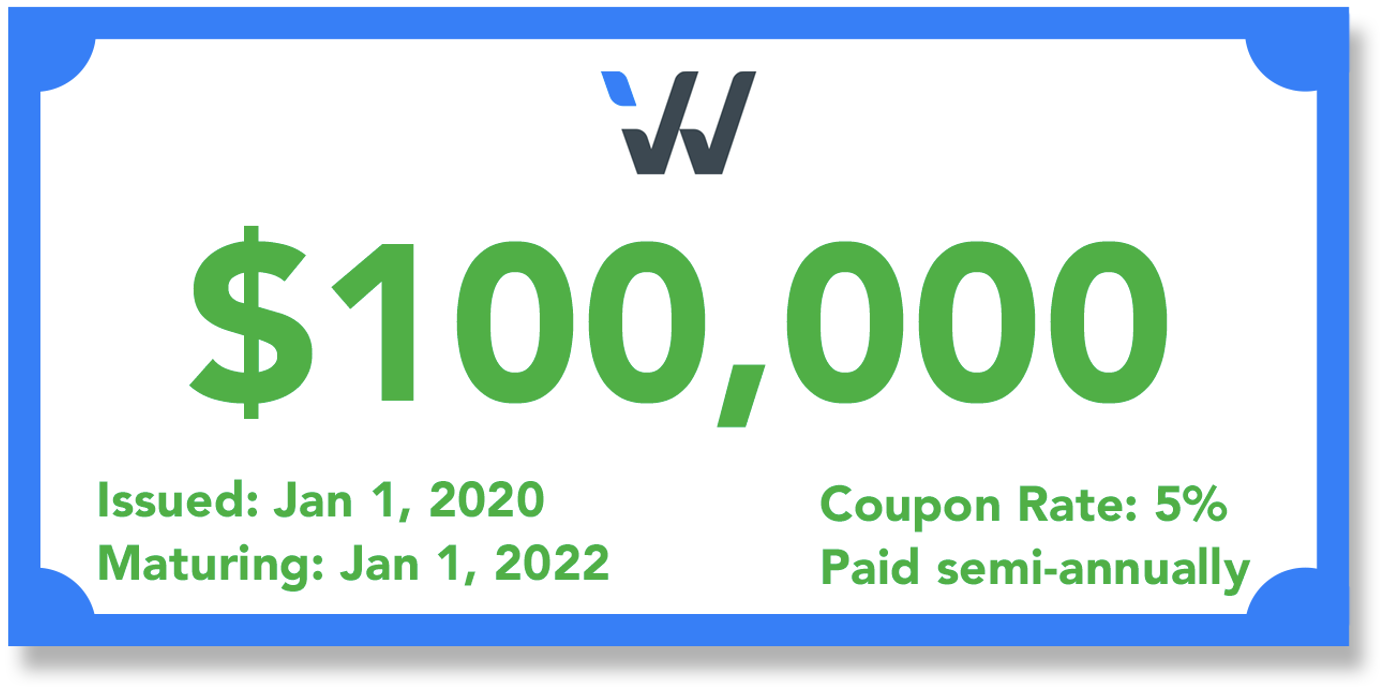
Basic Structure of Bond
The issuer (seller) agrees to pay periodic payments to the holder (buyer) in the form of coupons/interest and repays the principal amount at the maturity date (balloon/bullet payment).
Bond Components
- Face Value: The principal amount of the bond that the investor (lender) will receive from the issuer (borrower) when the bond matures. This is typically $1,000.
- Coupon Rate: The annual interest rate paid to the investor expressed in percentage.
- Coupon Payment: The annual interest paid to the investor expressed in dollars.
- Maturity: The length of time before the bond will be paid and the interest payments will stop.
- Yield to Maturity: The annual rate of return earned by a bondholder if the bond is held until maturity. It is also the discount rate used to value bonds.
Types of Bonds
- Debenture: Bond that is unsecured by collateral.
- Secured Bonds: Bond that is secured by assets belonging to the issuer
- Callable Bonds: Bond that the issuer may redeem, or call back, before it reaches the stated maturity date. A callable bond allows the issuing company to pay off its debt early.
- Convertible Bonds: A bond that the holder can convert into a specified number of shares of common stock in the issuing company or cash of equal value.