Popular Courses
MCAT
General Course
CHEM 2213A/B
Western University
Organic Chemistry
University Study Guides
DAT
General Course
Organic Chemistry
General Course
CHEM 233
University of British Columbia
CHEM 261
University of Alberta
Organic Chemistry
University Study Guides
CHEM 351
University of Calgary
CHEM 281
Queen's University
CHM 1321
University of Ottawa
CHM136H1
University of Toronto
CHEM 212
McGill University
CHEM 231
University of Victoria
CHEM 2OA3
McMaster University
CHEM 2223B
Western University
CHEM 263
University of Alberta
CHEM 282
Queen's University
SC/CHEM 2020 3.00
York University
CHY 142
Toronto Metropolitan University

0:00 / 0:00
Hydrogenation
Hydrogenation reactions add hydrogen atoms across multiple bonds (both alkenes and alkynes) to reduce them (i.e. make more bonds to hydrogen).
- alkenes can be hydrogenated to make alkanes
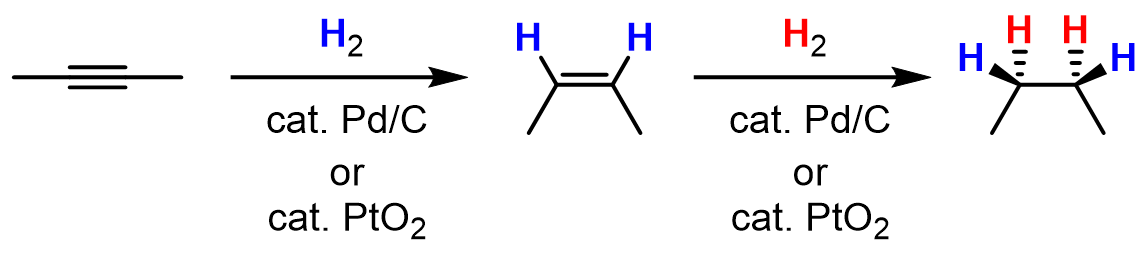
- alkynes can be hydrogenated to make both alkanes or alkenes (both cis and trans!)
There are three kinds of hydrogenation reactions you should know:
- reduction of alkenes and alkynes to make alkanes with H2 and Pd/C
- reduction of alkynes to make cis alkenes with H2 and Lindlar's catalyst
- reduction of alkynes to make trans alkenes with metal/liquid ammonia (NH3)
Full Hydrogenation Reactions
The reactions with hydrogen gas (H2) and a metal catalyst (usually Pd/C or Pt or Ni) leads to syn (i.e. the same side) addition of the hydrogen atoms for the stereochemical outcome.
Wize Tip
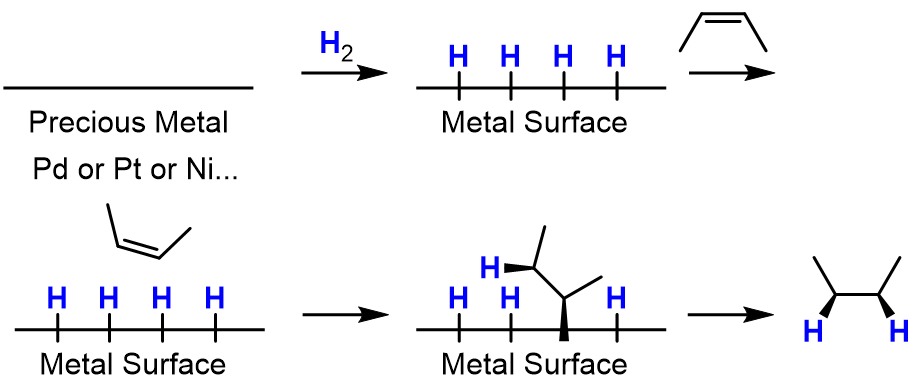
You won't have to draw the mechanism for this reaction, but it shown below. It explains why the hydrogen atoms are added syn - since they bind to a metal surface before being added to the multiple bond, they go on the same side!
Partial Hydrogenation Reactions
In order to pause at the alkene there are reactions you should know:
- reduction of alkynes to make cis alkenes with H2 and Lindlar's catalyst
- reduction of alkynes to make trans alkenes with metal/liquid ammonia (NH3)
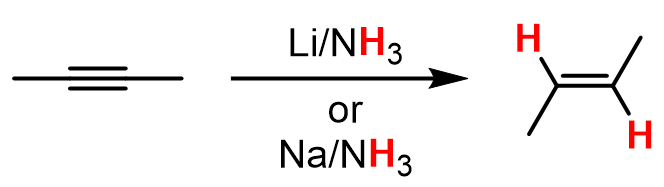
Wize Concept
Lindlar's catalyst is Pd catalyst that has been poisoned with Pb (lead). This poisoned catalyst makes cis alkenes from alkynes.
0:00 / 0:00
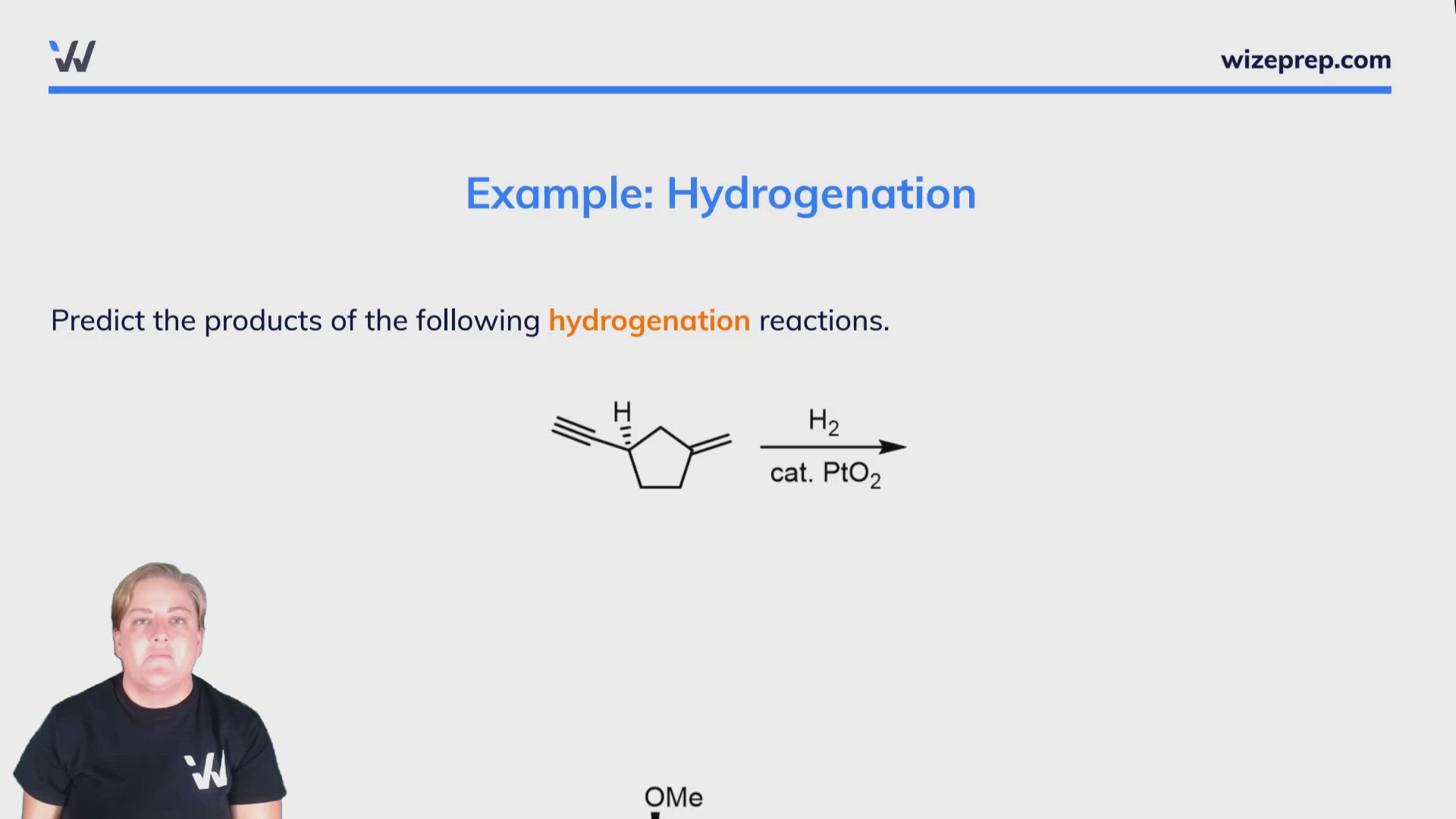
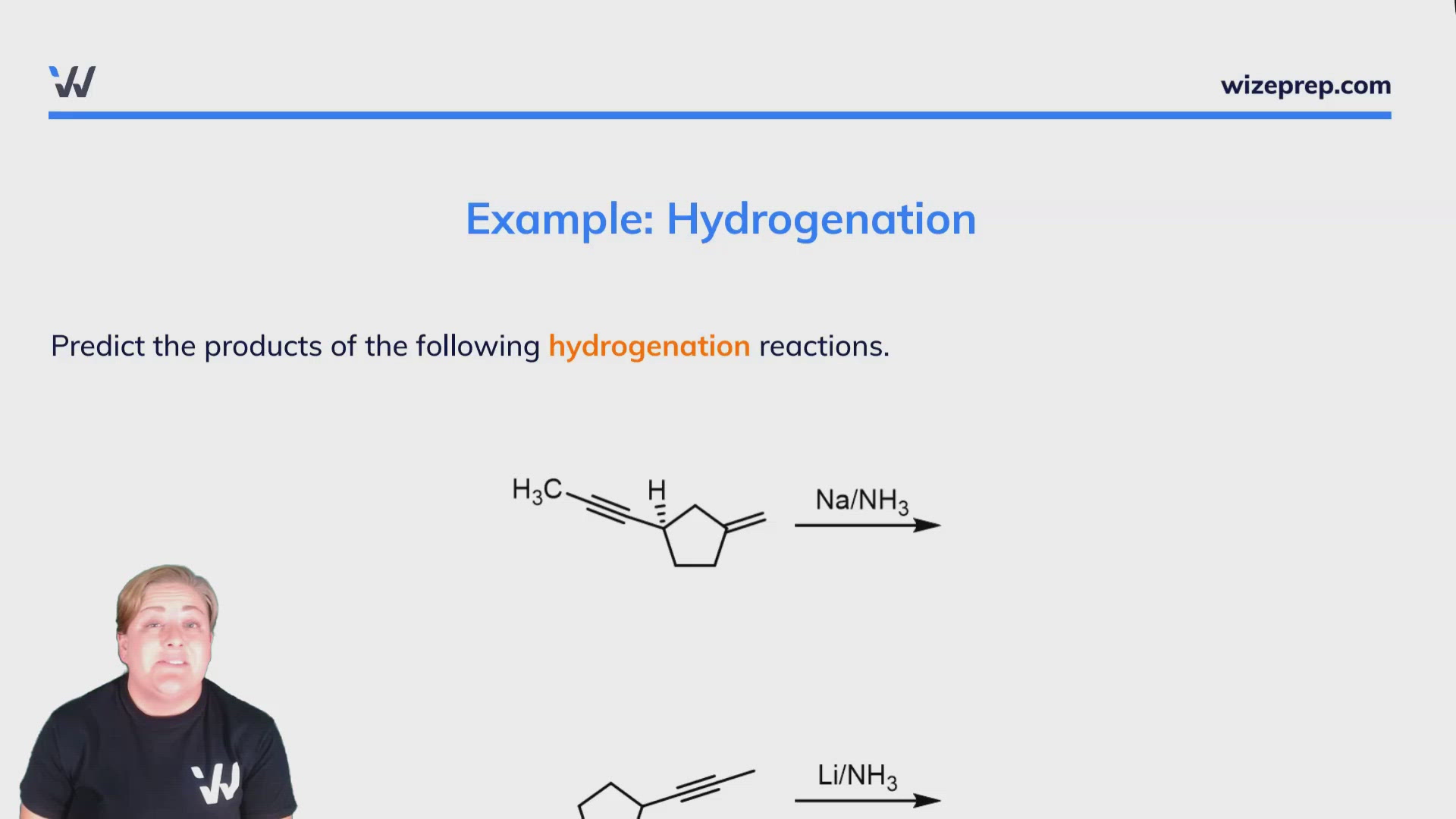
Example: Hydrogenation
Predict the products of the following hydrogenation reactions.

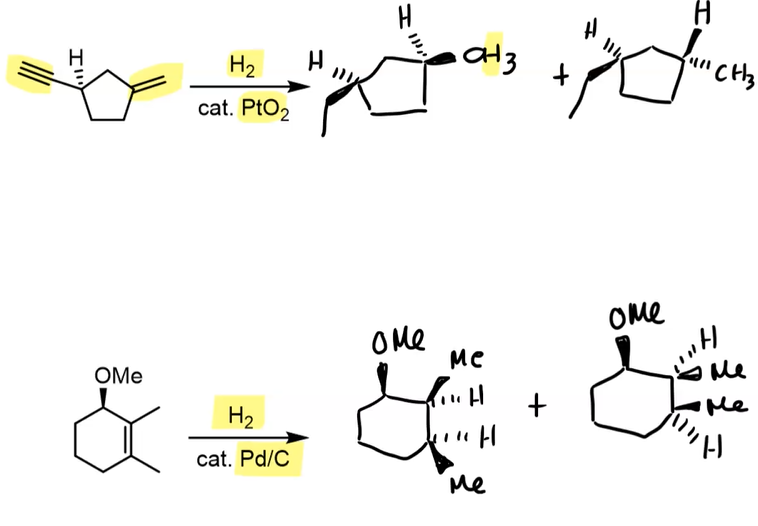
0:00 / 0:00
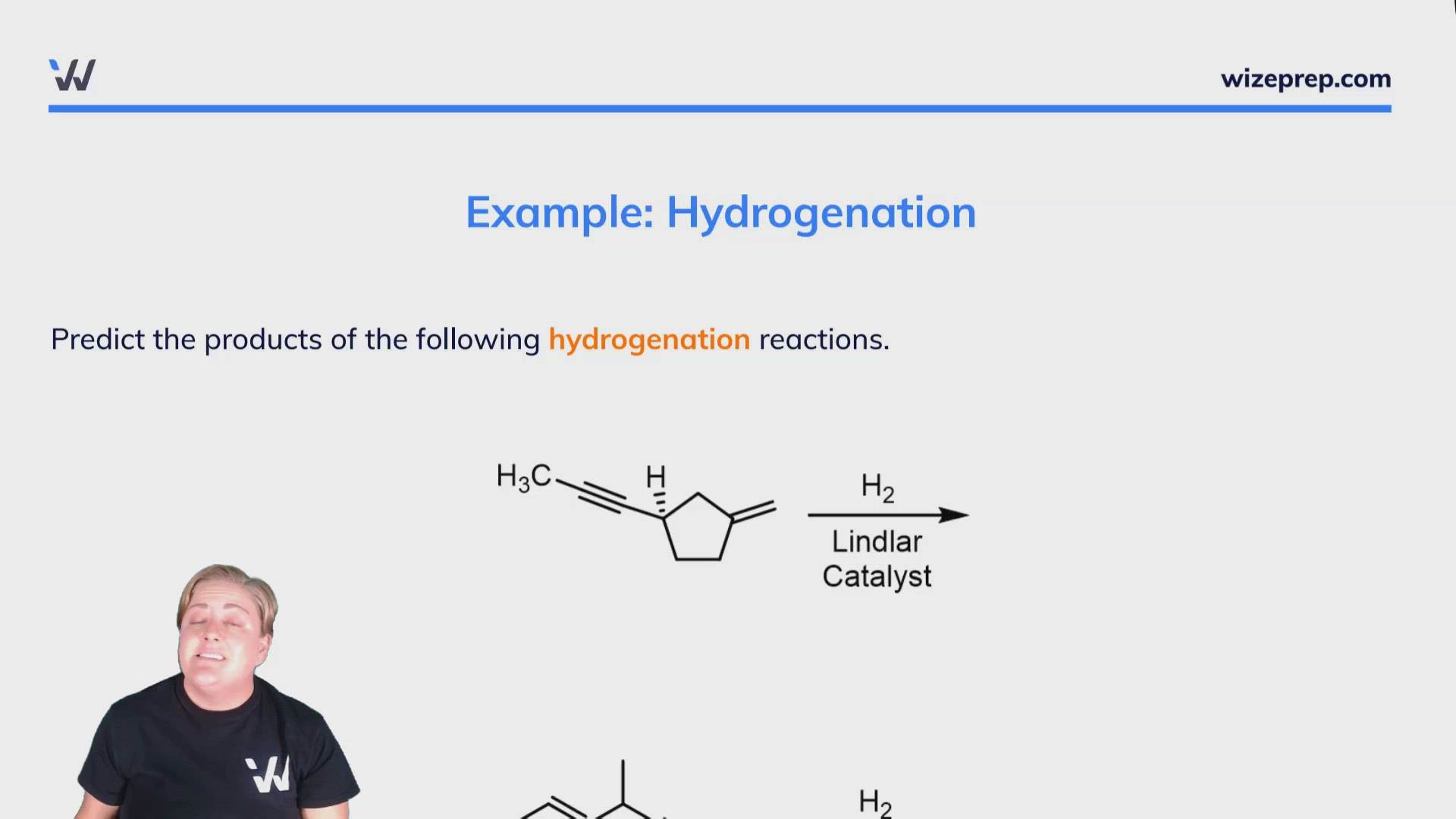
Example: Hydrogenation
Predict the products of the following hydrogenation reactions.

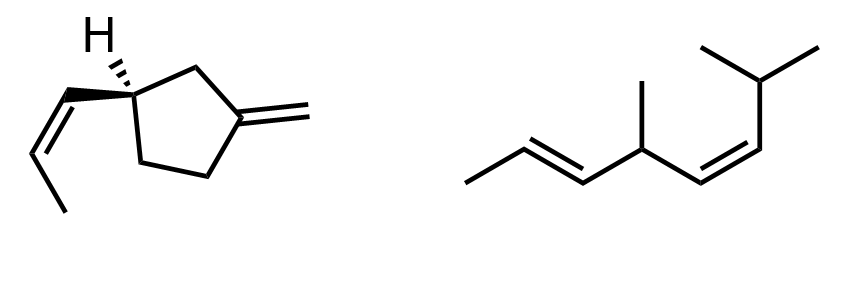
0:00 / 0:00
Example: Hydrogenation
Predict the products of the following hydrogenation reactions.

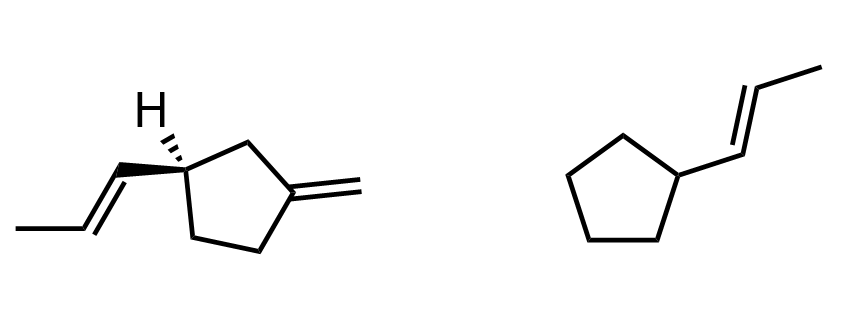
0:00 / 0:00
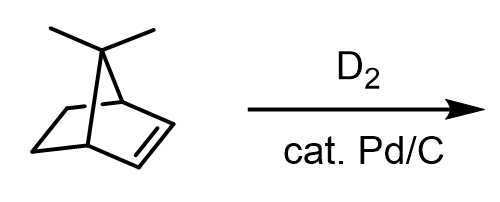
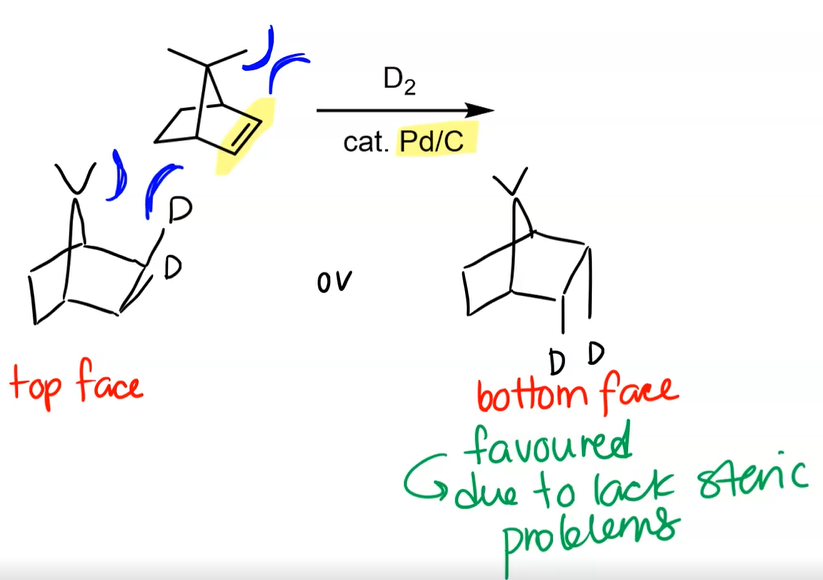
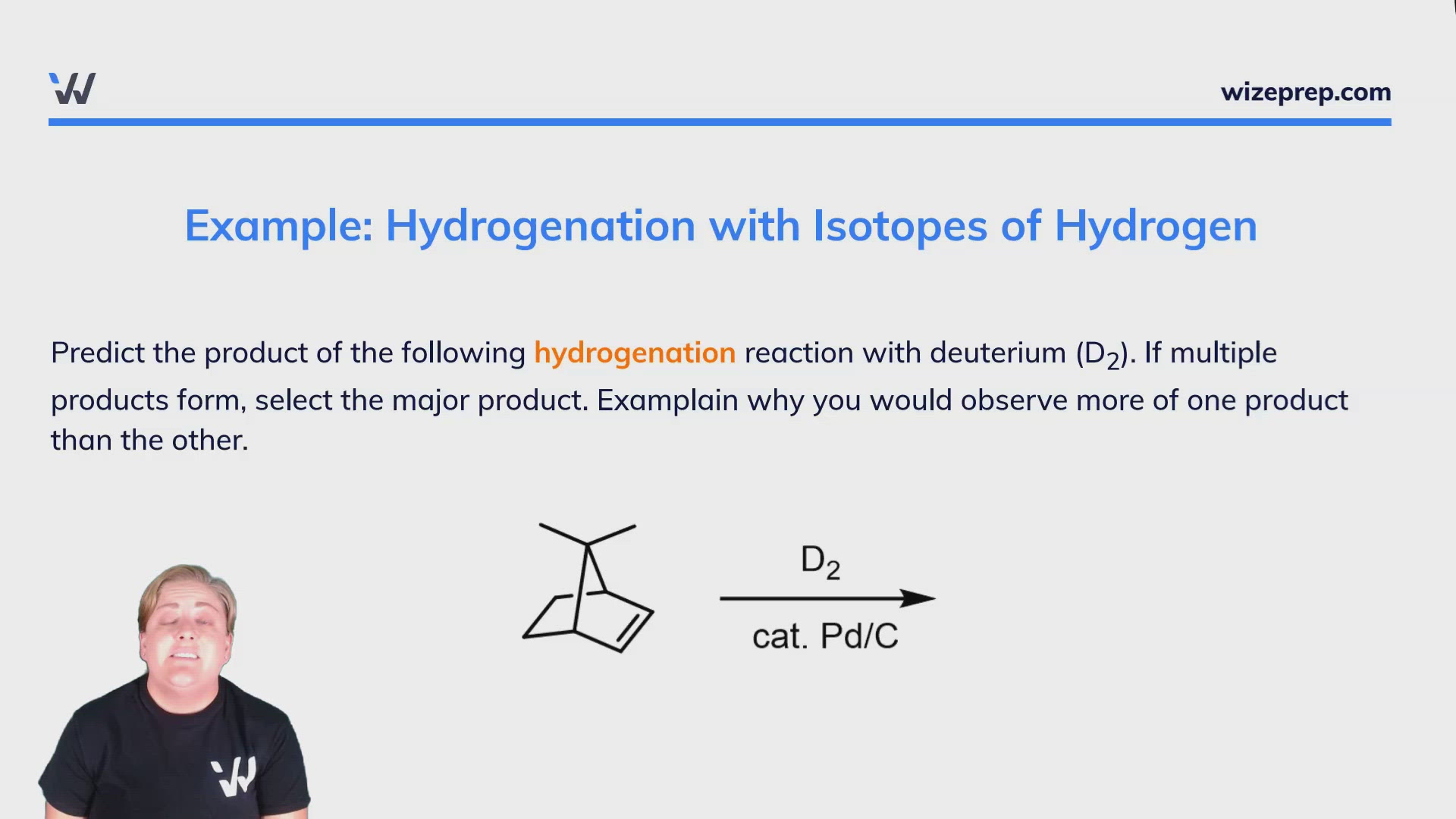
Example: Hydrogenation with Isotopes of Hydrogen
Predict the product of the following hydrogenation reaction with deuterium (D2). If multiple products form, select the major product. Examplain why you would observe more of one product than the other.