Wize University Physics Textbook (Master) > Waves: Mechanical
Principals of Superposition: Waves
Popular Courses
MCAT
General Course
Intro to Physics
University Study Guides
Physics
General Course
PHYS 157
University of British Columbia
PHYSICS 1A03
McMaster University
PHYS 130
University of Alberta
PHYS 131
University of British Columbia
Intro to Physics
University Study Guides
PHYS*1300
University of Guelph
PHYS 124
University of Alberta
APSC 112
Queen's University
PHYSICS 1402A/B
Western University
LE/PHYS 1800 3.00
York University
PHYS 142
McGill University
ENGG 212
University of Calgary
PHYS 111
University of Victoria
PHYS 1050
University of Manitoba
PHYS 101
Simon Fraser University
PHYS-1300
University of Windsor
PHY 1121
University of Ottawa
Interference and Superposition

The overlapping of waves is called interference. They combine as they pass through each other while traveling in the medium.
Principle of Superposition: When two waves overlap, the actual displacement of any particle in the medium is the algebraic sum of their displacement due to each wave if only that wave were present:
Wize Concept
- Crest meets crest, or trough meets trough: we have constructive interference (amplitude gets twice as big)
- Crest meets trough: we have destructive interference (amplitudes cancel out)
Wize Tip
When adding to waves, add their displacements together.
Example: Superposition
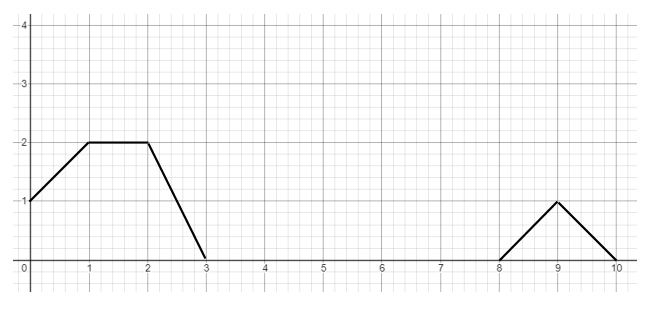
Two waves approach each other, both moving at speed of m/s. What happens at s?
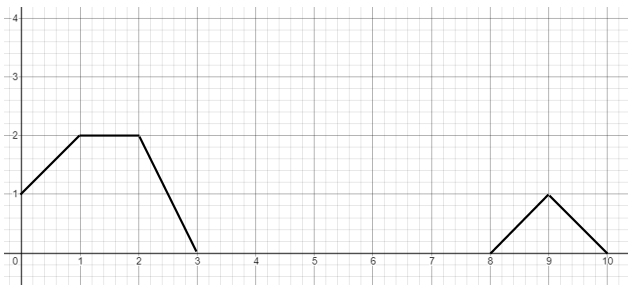
After 4 seconds of moving towards each other, the waves will overlap like this:
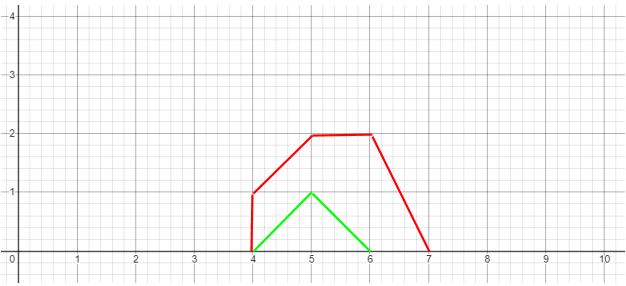
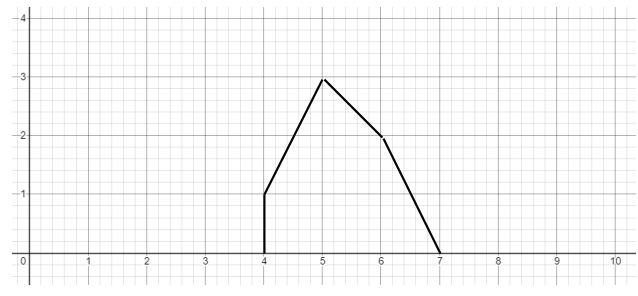
For each time value, add the amplitudes of the two waves. The superposition will look like this:

Mark Yourself Question
- Grab a piece of paper and try this problem yourself.
- When you're done, check the "I have answered this question" box below.
- View the solution and report whether you got it right or wrong.
Practice: Superposition
You have a snapshot of two waves on a string as shown below, at s . They are moving towards each other.
The wave on the left is moving at m/s. The wave on the right is moving at m/s. Sketch what happens at s.