The Atom and the Elements

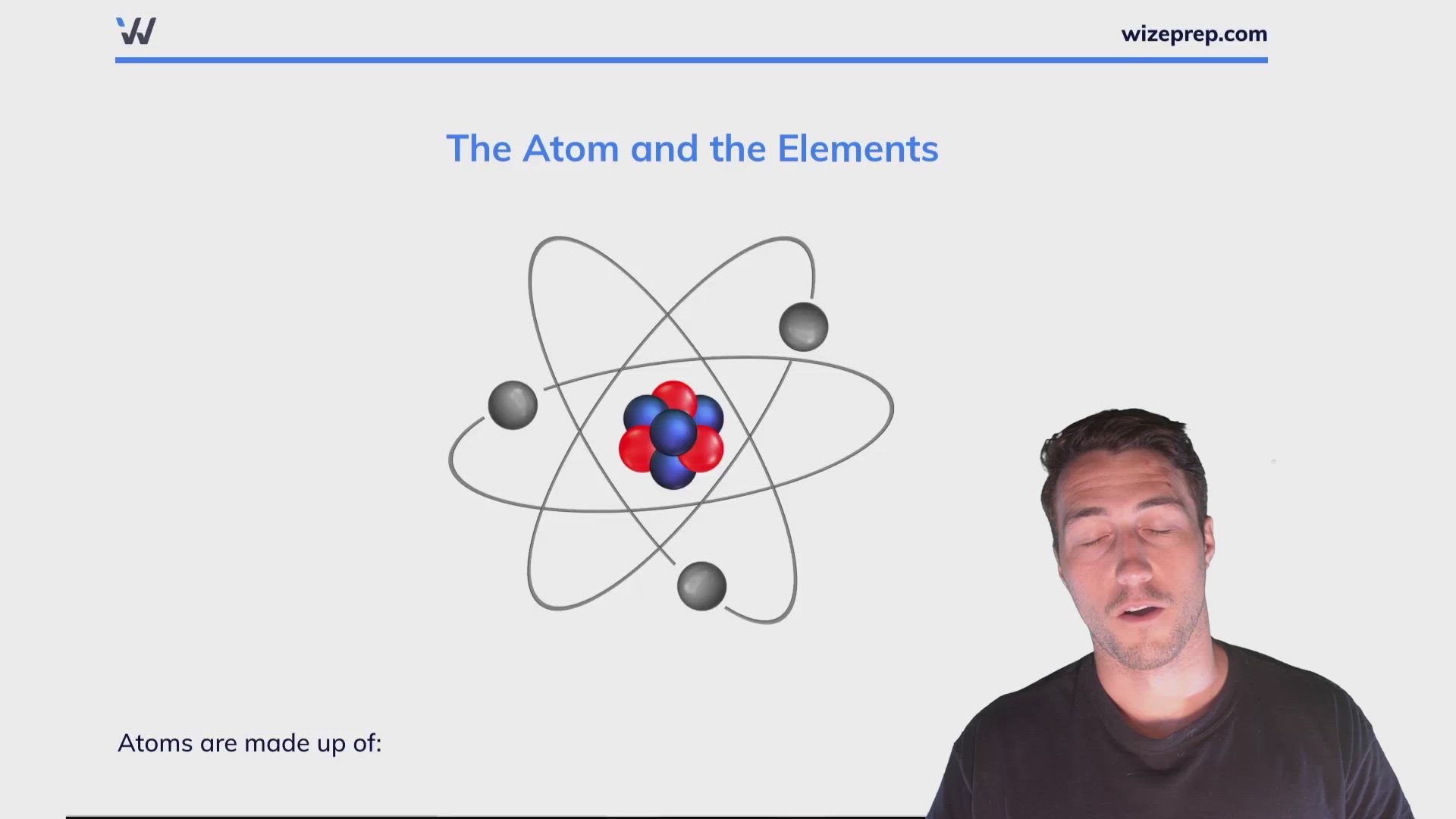
Atoms are made up of:
- nucleons protons (charge , mass )
neutrons (no charge, mass )
- electrons (charge , tiny mass)
where is the elementary charge:
and is the atomic mass unit, defined to be one-twelfth of the mass of a Carbon atom:
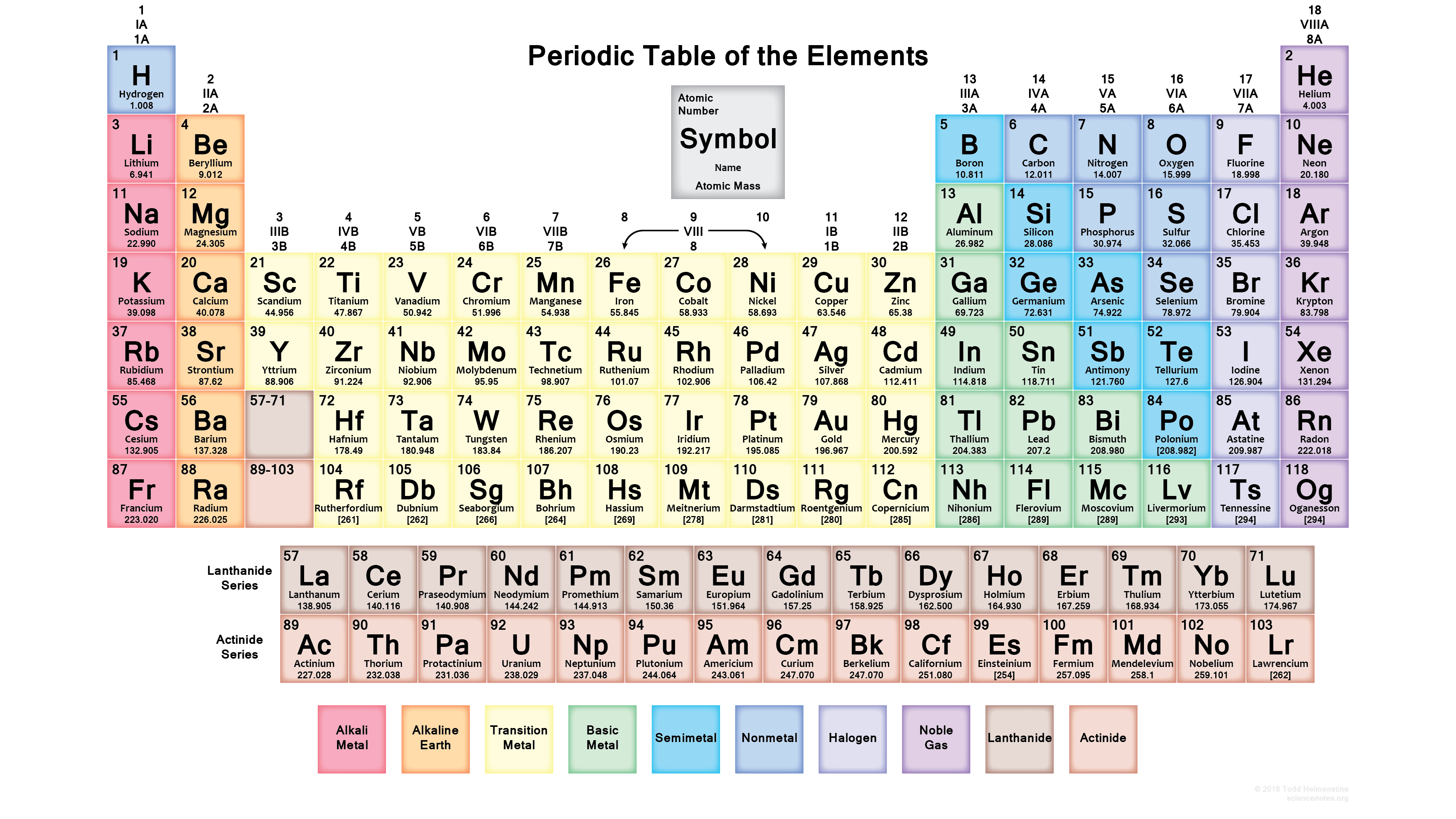
Atomic number: the number of protons in the nucleus,
Mass number: the number of protons and neutrons in the nucleus,
The chemical element is written as:
Isotopes are element varieties with the same number of protons, but different number of neutrons.
Example: hydrogen with its isotopes protium (1 proton), deuterium (1 proton and 1 neutron), tritium (1 proton and 2 neutrons)
Nuclear Forces and Binding Energy
Protons are positively charged. But in the nucleus, they are forced to be close together. Like charges repel. So why does the nucleus stay together?
The strong nuclear force is responsible for holding the nucleus together! This force is much stronger than the repulsion between protons.
The binding energy is the energy needed to break a nucleus into its constituent protons and neutrons. It is also the energy that is released when protons and neutrons come together and form the nucleus.

The binding energy is given by the mass defect , which is the difference between the mass of the separated nucleons and the mass of the whole nucleus.
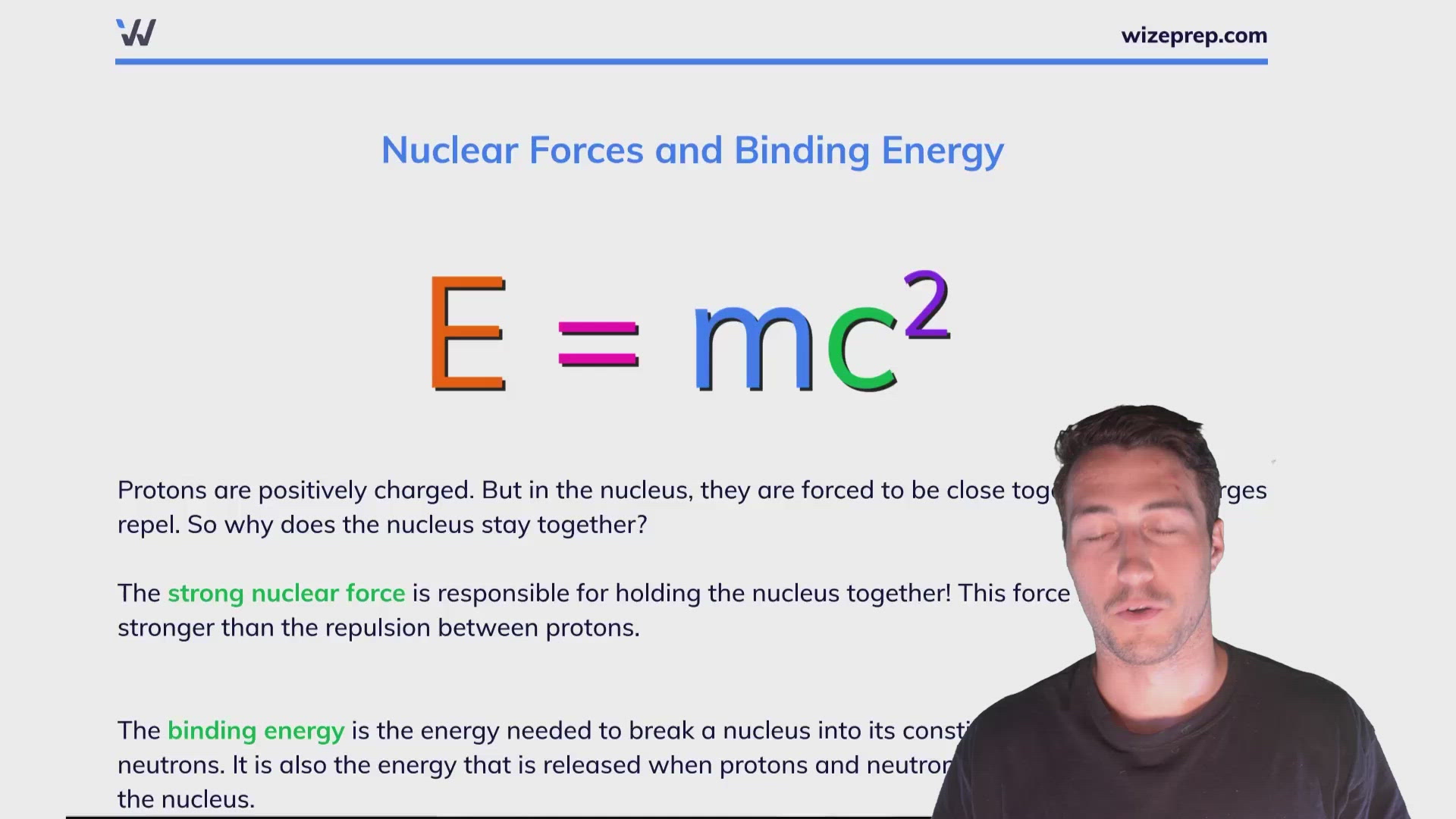
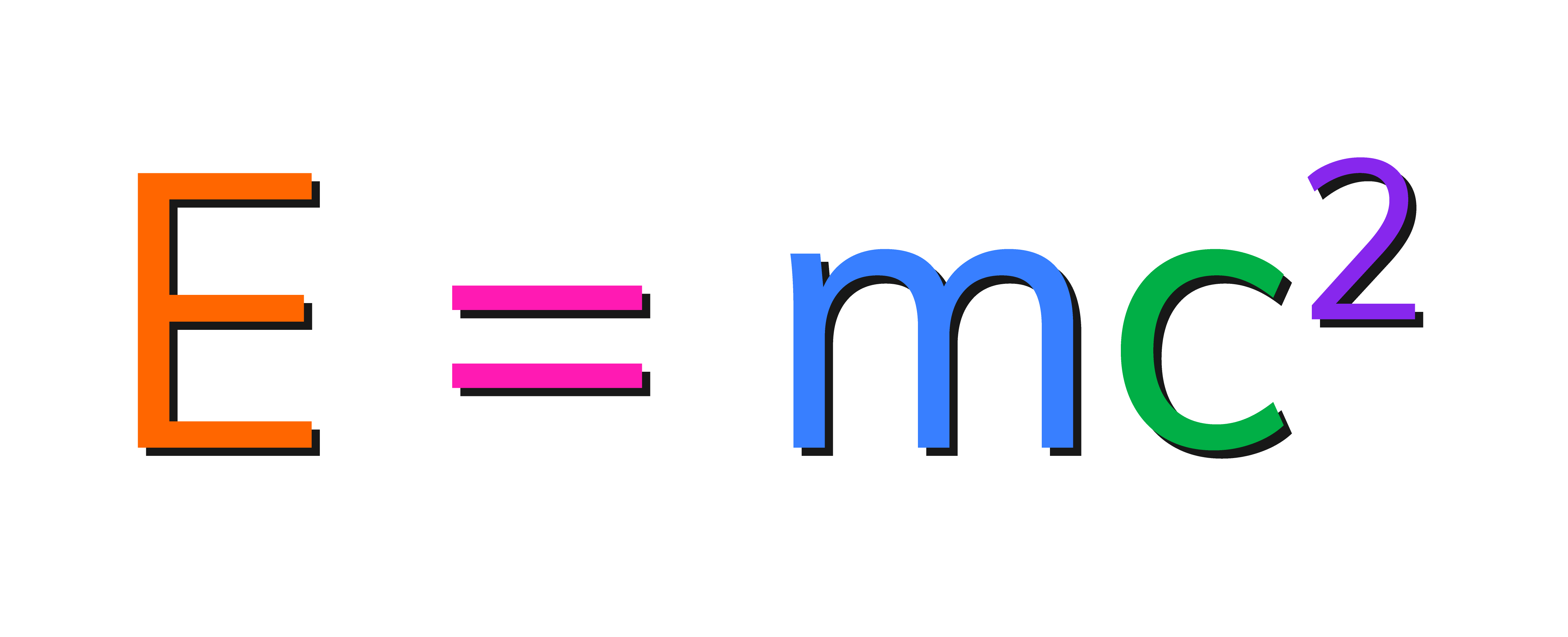
Einstein's equation tells us how mass and energy can be converted into each other:
- is energy (here, the binding energy)
- is mass (here, the mass defect)
- is the speed of light,
When dealing with the energies of small particles, a more convenient unit for energy is the electron-volt (), which is the energy gained by an electron traveling through a potential difference of one volt:
Fusion and Fission Reactors
This discovery leads to the application of both fusion and fission reactors. There are both energies released when atoms are combined together (lighter elements creating heavier elements) and when they are separated (heavier elements turning into lighter elements)
- Nuclear Reactors use the energy created from these to heat up water which then turns into steam and the steam turns turbines thus producing energy!